
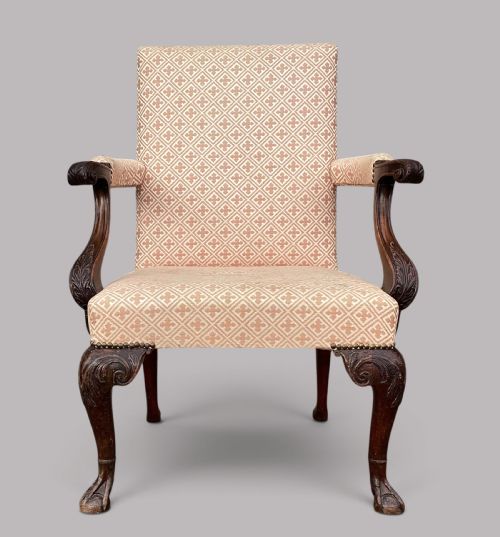
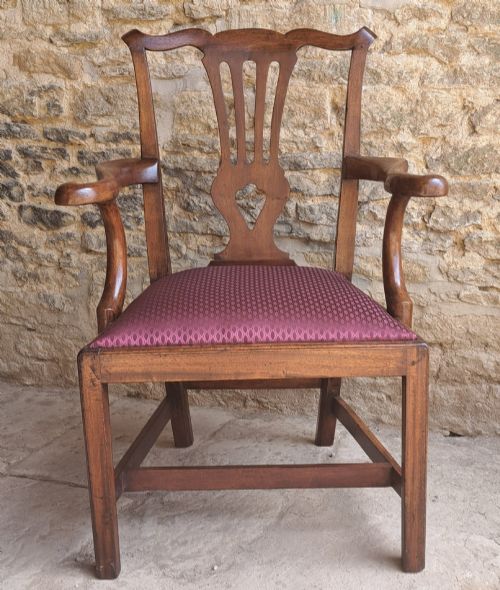


Irish George I Desk
Irish George I desk examples are solid walnut writing furniture from the eighteenth century, offering distinct regional craftsmanship that collectors prize for its rich timber and form.
Irish George I Desk
When you search for an Irish George I desk, you are looking at eighteenth-century writing furniture rooted in Irish workshops. The evidence shows solid walnut construction as the primary form for this exact period designation.
The wider selection spans related Georgian forms including mahogany secretaire cabinets, bureaux, and side tables. These pieces capture the domestic and library interiors of the eighteenth century through distinct regional proportions and timber choices.
Makers and periods recorded in the listings stretch from the early eighteenth century through the George II, George III, and Victorian eras. Alongside solid walnut desks, you will encounter red walnut and mahogany variants reflecting changing tastes across the Georgian and later periods.
Materials and construction
The listings record solid walnut as a defining material for early eighteenth-century pieces, alongside red walnut and standard mahogany used in subsequent Georgian decades. Cabinetmakers selected these dense timbers for their deep grain and durability.
Secondary materials such as brass hardware appear on writing slopes and cabinets, while later Victorian items incorporate rosewood, mother of pearl, and burr walnut veneers. Construction techniques rely on solid timber carcases and secret compartments designed into writing furniture.
Materials recorded across the broader writing furniture inventory include solid walnut, red walnut, mahogany, rosewood, brass, glass, fabric, and mother of pearl.
Evaluating quality and execution
Quality in these pieces rests upon the selection of timber and the crispness of carved details. Solid walnut and figured red walnut display depth of grain that elevates the visual presence of a desk.
The integrity of internal fittings, such as secret drawers and compartments found in writing furniture, demonstrates the skill of the maker. Finer examples maintain original timber surfaces and structural cohesion across the desk carcase and legs.
George Austin Dublin
The Irish George I Desk Glossary
- Walnut
- A dense, dark timber favoured for cabinetmaking in the early eighteenth century. It yields rich figuring across flat surfaces.
- Bureau
- A sloping-lidded desk enclosing pigeonholes and small drawers. It serves as a compact writing cabinet.
- Secretaire
- A cabinet incorporating a writing drawer or drop-front writing surface. It conceals internal compartments.
- Writing slope
- A portable or table-top box with an angled lid for writing. It often houses inkwells and secret compartments.
Irish George I Desk: Frequently Asked Questions
How do I identify the period?
Period identification relies on recorded construction materials, such as solid walnut for early pieces, and the prevailing style descriptors in the listings. Georgian items often display distinct leg forms and timber density.
Comparing the recorded dates from the eighteenth century helps distinguish true period pieces from later nineteenth-century revival styles.
What materials were used?
The listings record solid walnut, red walnut, and mahogany as the primary timbers for eighteenth-century desks and tables. Brass fittings and interior compartment woods also feature.
Later Victorian pieces introduce rosewood, burr walnut veneers, and mother of pearl inlay on related writing slopes.
Where were these pieces made?
These items originated in Ireland, with specific attribution recorded for Dublin workshops such as that of George Austin. Regional cabinetmakers shaped the distinct proportions seen in these desks.
Irish furniture often employs native walnut and mahogany timbers distinct from contemporary English output.