
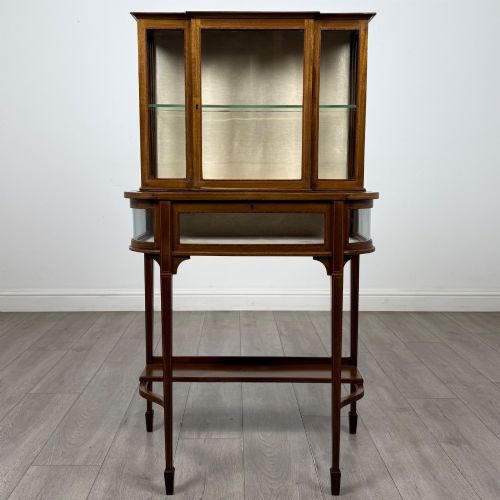
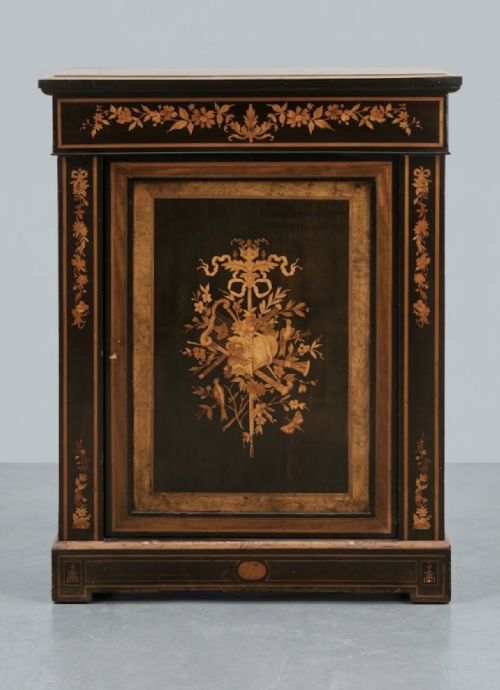
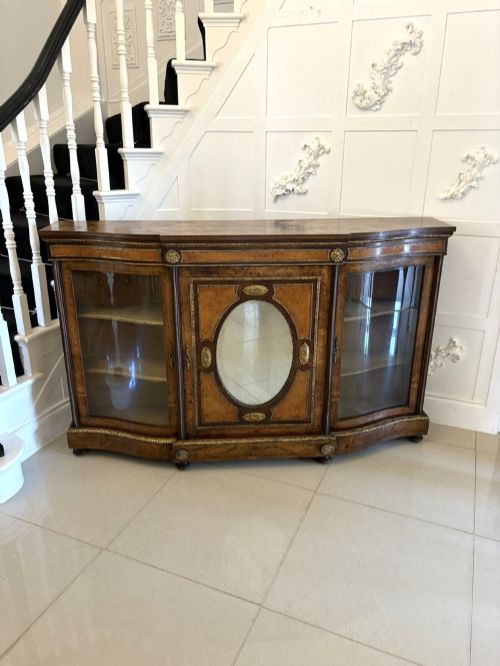
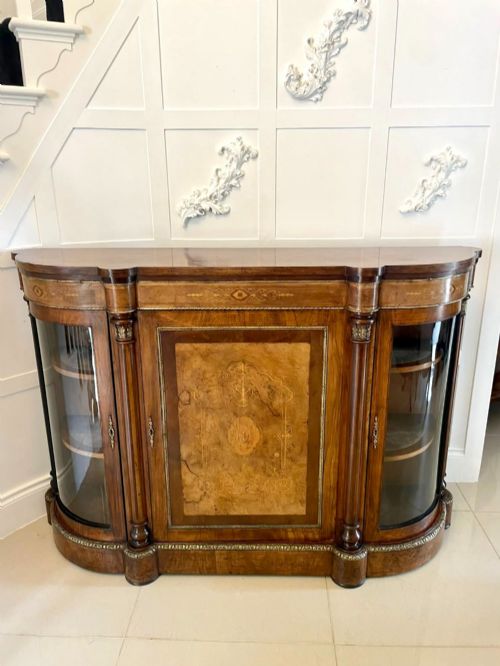


Inlay Display Cabinet
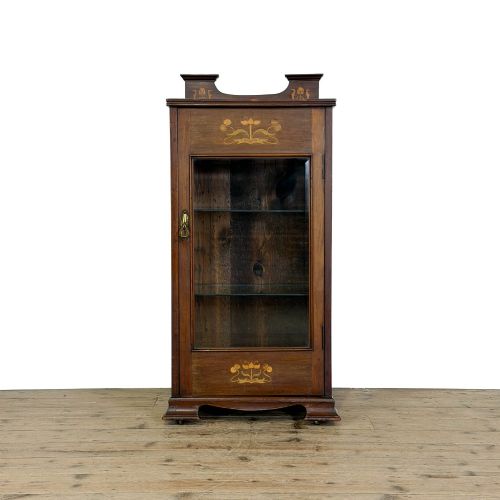
An inlay display cabinet houses treasured possessions behind glass while showcasing contrasting timber details.
Inlay Display Cabinet
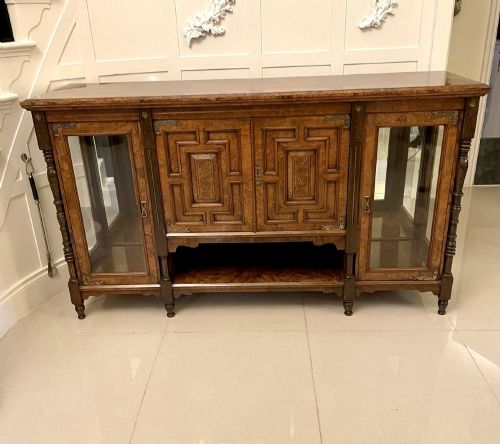
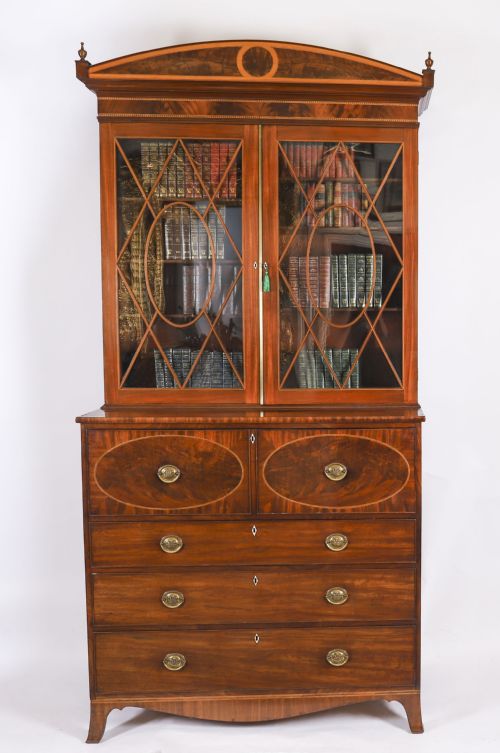
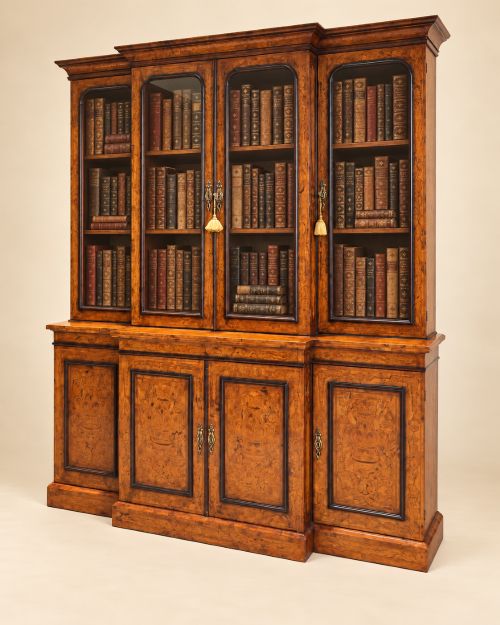
When you search for an inlay display cabinet, you encounter furniture designed to exhibit ceramics, glassware and small collections behind glazed doors. These pieces emerge predominantly from the nineteenth century, including Victorian and Edwardian periods, alongside Sheraton Revival and Dutch Baroque manifestations.
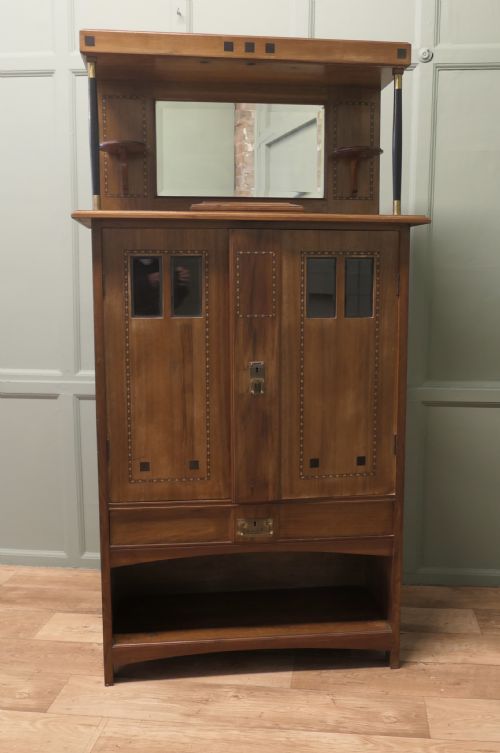
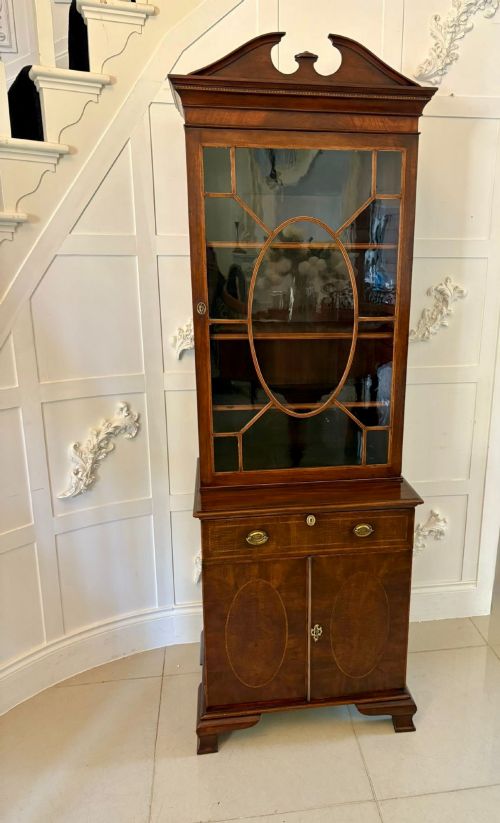
The forms span dedicated display cabinets, tall bookcases, corner cupboards and credenzas with glass doors. Mahogany, burr walnut and satinwood serve as the primary foundational timbers for these glazed storage units.
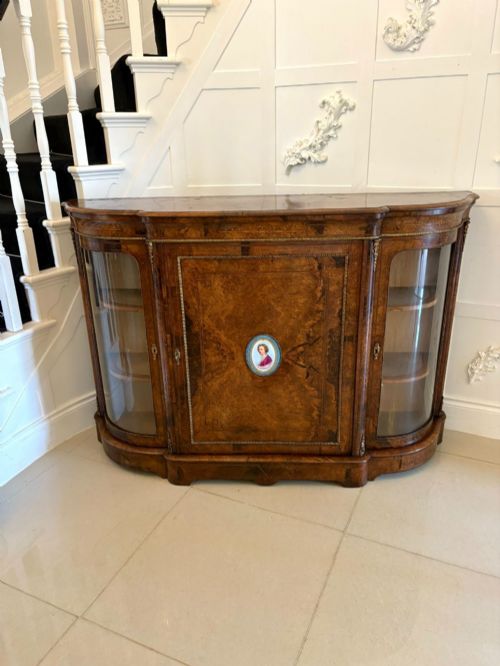
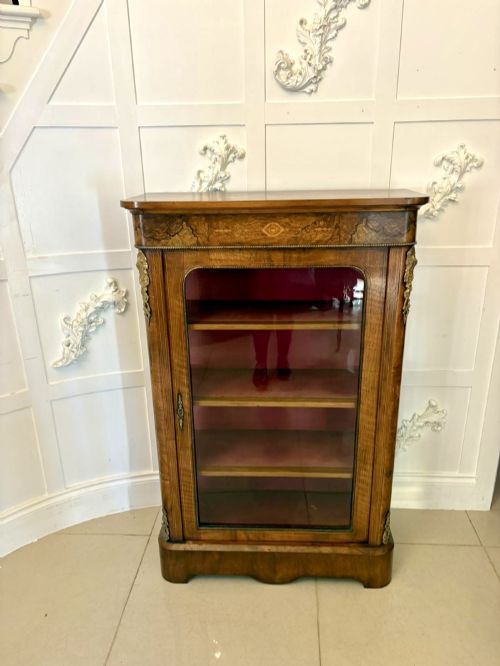
Edwardian satinwood examples and Victorian walnut pier cabinets dominate the current selection. Each style utilises glass panels to protect objects while decorative marquetry or stringing decorates the exterior framework.
How they were made
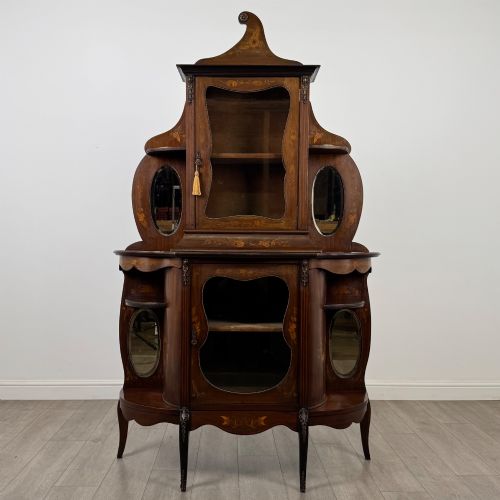
Cabinet makers construct the carcasses from dense hardwoods such as mahogany, walnut and rosewood, often applying lighter veneers across the flat surfaces. Artisans then inset contrasting timbers like satinwood, boxwood and harewood into recessed channels to form geometric lines or floral marquetry motifs.
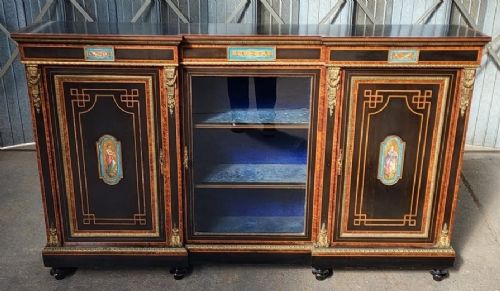
Mounts in cast brass and ormolu frequently accent the corners, borders and door frames of Victorian iterations. Glazing bars divide the glass panels into distinct panes, whilst interior shelves use fabric linings or plain polished wood.
Listings feature mahogany, satinwood, burr walnut and rosewood across nineteenth-century and Edwardian display cabinets.
What varies in quality
The sophistication of the timber figure and the precision of the marquetry define the tier of a piece. Elaborate floral inlay executed in multiple contrasting woods requires greater skill than simple geometric stringing.
The inclusion of cast ormolu mounts, glazed side panels and serpentine or breakfront cabinet shapes elevate the standard of construction. Original glass panes, brass castors and intact interior linings separate standard domestic furniture from finer workshop productions.
Edwards and Roberts·Collinson and Lock
The Inlay Display Cabinet Glossary
- Marquetry
- Decorative patterns formed by fitting together thin veneers of various coloured woods and other materials. This technique creates pictorial or floral scenes across cabinet doors and tabletops.
- Ormolu
- Gilded bronze mounts applied to furniture edges and corners for decorative effect. Makers use these metal ornaments extensively on nineteenth century credenzas and display cabinets.
- Credenza
- A low sideboard or cabinet featuring central cupboards flanked by curved glass display sections. Victorian examples frequently incorporate extensive inlay and ormolu mounts.
- Pier Cabinet
- A tall, narrow cabinet designed to stand against the wall space between windows. These pieces often feature glass doors and delicate satinwood inlay.
- Astragal
- Moulding profiles used to hold panes of glass within a door frame. They divide the glazed area into smaller geometric sections.
Inlay Display Cabinet: Frequently Asked Questions
What fits inside an inlay display cabinet?
These cabinets suit porcelain figures, glassware, silver pieces and small collections. The glass doors protect delicate objects from dust while keeping them visible.
Adjustable wooden or glass shelves allow you to arrange items of varying heights. Many pieces include lined interiors that create a soft backdrop for displayed items.
How do I distinguish Edwardian from Victorian cabinets?
Victorian cabinets generally feature heavier timbers like burr walnut and rosewood, often accompanied by dark ebonised finishes and heavy ormolu mounts. The forms tend to be robust and richly carved.
Edwardian pieces, particularly those in the Sheraton Revival style, utilise lighter satinwood and mahogany with refined, restrained marquetry. They lean towards airier proportions and brighter decorative schemes.
Where should I place a corner display cabinet?
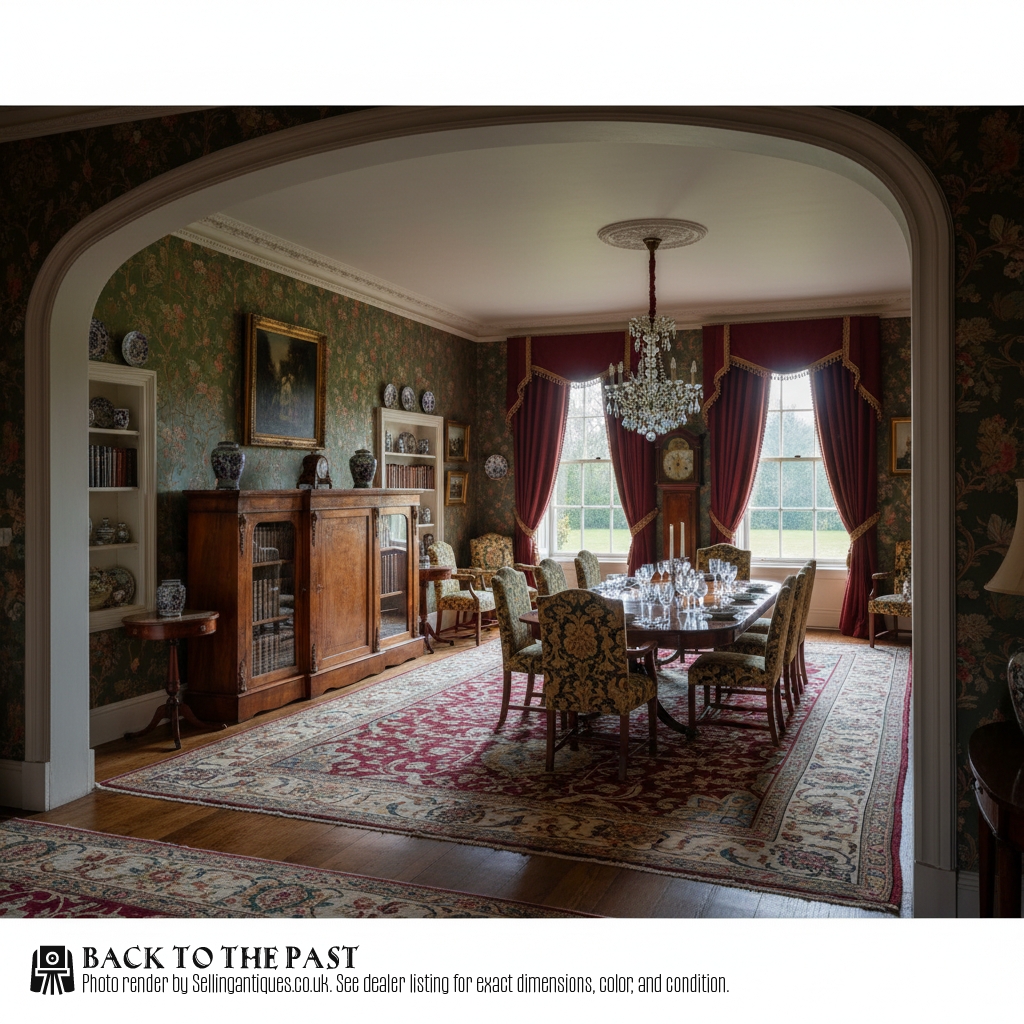
Corner cabinets make effective use of unused room junctions while drawing the eye around a space. They work well in dining rooms, living areas or hallways where floor space is limited.
Pairing a corner unit with freestanding bookcases or credenzas maintains a consistent timber tone throughout the room. Ensure the door swing has adequate clearance from adjacent furniture.
How is marquetry different from stringing?
Marquetry involves cutting complex pictorial or floral motifs from multiple veneer sheets and fitting them into a prepared background. This creates detailed pictures of flowers or urns across the cabinet doors.
Stringing uses thin, narrow lines of contrasting light or dark wood inlaid in straight borders around panels and edges. It provides a subtle geometric frame rather than a pictorial scene.