


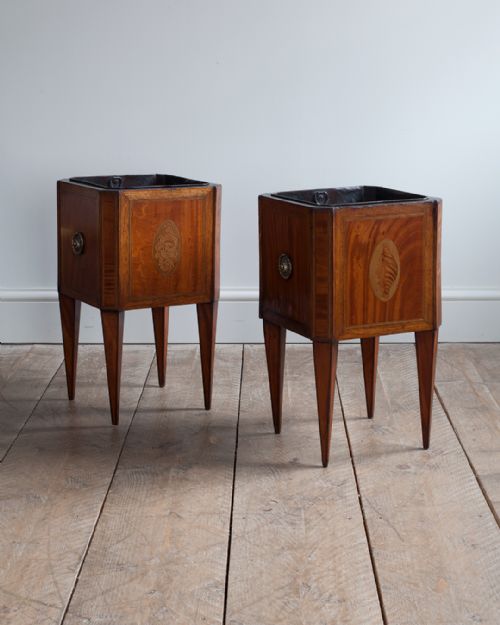


Inlaid Wooden Planter
An inlaid wooden planter brings living greenery indoors with traditional cabinet-making, offering refined timber work and decorative detail.
Inlaid Wooden Planter
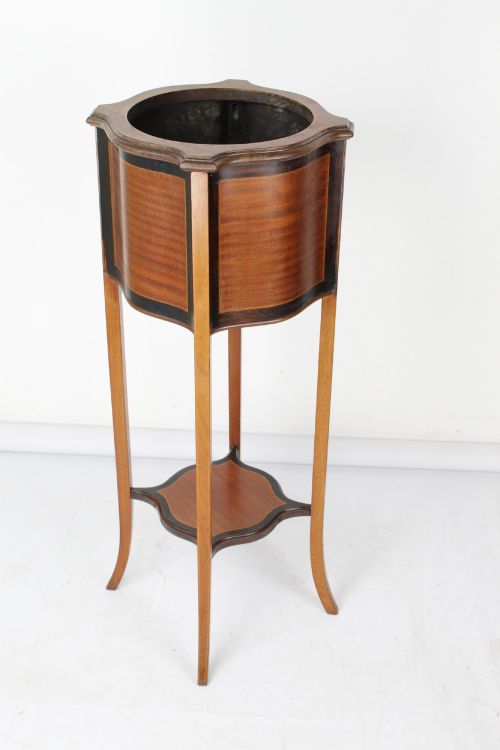
An inlaid wooden planter combines botanical display with cabinet-making, serving as a decorative vessel for indoor plants. The examples gathered under the search phrase inlaid wooden planter span several distinct historical periods, including the Victorian and Edwardian eras, alongside pieces dating from the nineteenth century and around nineteen hundred.
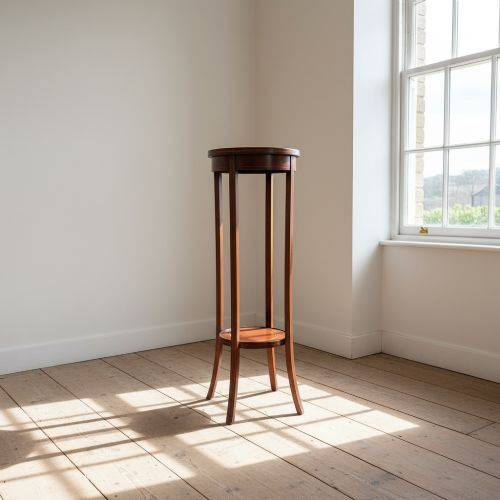
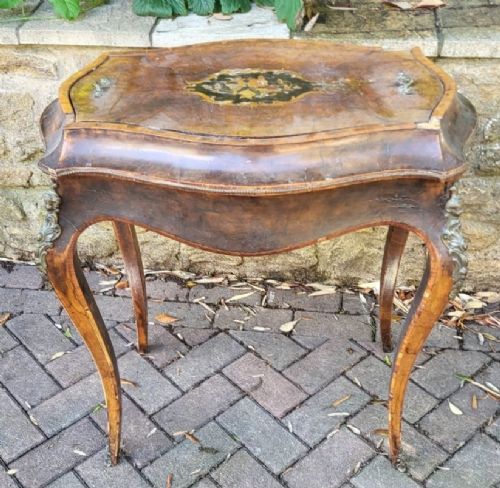
The primary forms on this page include freestanding plant stands, table-height jardinieres, and occasional tables that double as wine coolers or cellarettes. Buyers frequently encounter Edwardian mahogany plant stands and nineteenth-century marquetry pieces featuring lift-off lids or metal liners.
Materials and construction methods
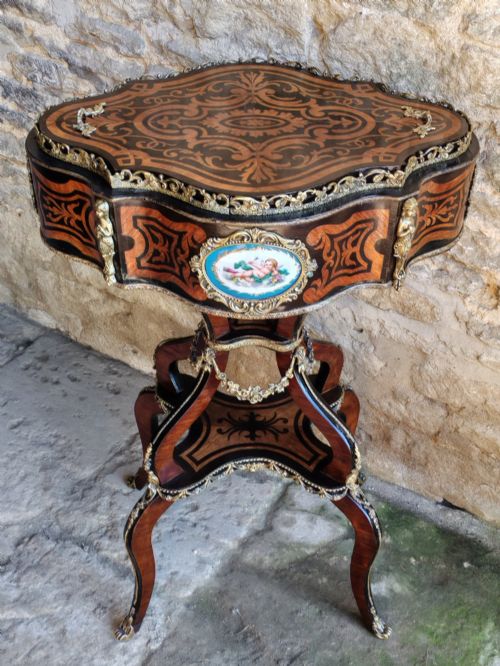
Construction relies heavily on dense timbers such as mahogany, satinwood, burr walnut, rosewood, and kingwood, often shaped into freestanding or table-height bodies. Artisans applied contrasting boxwood and satinwood inlay or intricate marquetry to decorate the exterior surfaces.
Many specimens incorporate functional metal liners to protect the timber from moisture alongside brass handles, ormolu mounts, and gilt metal details. These hardware additions secure the structural integrity while framing the decorative wood veneers.
Assessing craftsmanship and finish
Quality in an inlaid wooden planter rests on the precision of the marquetry and the choice of timber veneers, such as burr walnut or figured mahogany. Finer items display crisp, tightly fitted inlay work and carefully selected grain patterns that wrap harmoniously around the body.
The integration of mounts, metal liners, and structural joins separates standard production from superior examples. Well-executed pieces maintain balanced proportions between the decorative plant holder and its supporting stand or table base.
The Inlaid Wooden Planter Glossary
- Jardiniere
- An ornamental pot or stand designed to hold plants indoors, frequently fitted with a removable metal liner. These vessels range from table-top bowls to tall floor-standing plant stands.
- Marquetry
- Decorative patterns formed by fitting together thin veneers of wood, shell, or ivory onto a structural surface. Craftsmen utilise contrasting timbers to create floral, geometric, or pictorial designs.
- Cellarette
- A cabinet or container originally used for holding bottles of wine, sharing similar proportions and internal construction with certain planter forms. Many nineteenth-century examples served dual purposes as wine coolers and plant holders.
- Ormolu
- Gilt bronze mounts and decorative accents applied to furniture and decorative objects, popular in French-influenced nineteenth-century designs. This technique provides metallic contrast against dark woods like mahogany and kingwood.
- Satinwood
- A durable, lustrous tropical timber with a golden sheen, frequently employed for stringing, banding, and marquetry details on Edwardian and Victorian pieces.
Inlaid Wooden Planter: Frequently Asked Questions
What is an inlaid wooden planter?
An inlaid wooden planter is a decorative vessel or stand designed to hold potted plants indoors, combining practical botanical display with cabinet-making traditions. These items often feature contrasting wood veneers, marquetry patterns, and metal liners.
Buyers encounter various forms on this page, ranging from tall Edwardian plant stands to nineteenth-century jardiniere tables with lift-off lids. Each piece serves to elevate greenery while functioning as an item of furniture.
How were these planters used historically?
Historically, these items sat within principal rooms to display ferns, palms, and flowering plants, bringing living foliage into domestic interiors. Some multi-functional pieces also doubled as wine coolers or cellarettes for entertaining.
The inclusion of removable metal liners protected the underlying wood from water damage during regular plant watering, allowing the furniture to remain pristine over years of domestic use.
How do I care for a wooden planter?
Living with these wooden pieces requires basic precautions to protect the historic timber and delicate marquetry inlay. Using a secondary waterproof pot or saucer inside the original metal liner prevents moisture from reaching the wood.
Keep the timber away from direct heat sources and strong sunlight to avoid veneer cracking or fading, applying a light wax polish periodically to maintain the surface sheen.
How can I tell the period of a planter?
Dating relies on observing the combination of timber choices, decorative styles, and construction techniques evident in the piece. Edwardian items frequently utilise mahogany and satinwood with restrained inlay, while Victorian examples often feature burr walnut or kingwood with richer revival styles.
Examining the internal fixings, liner materials, and the style of any brass or gilt metal mounts helps narrow down the decade of manufacture between the mid-nineteenth and early twentieth centuries.