


Inlaid Wooden Jardiniere
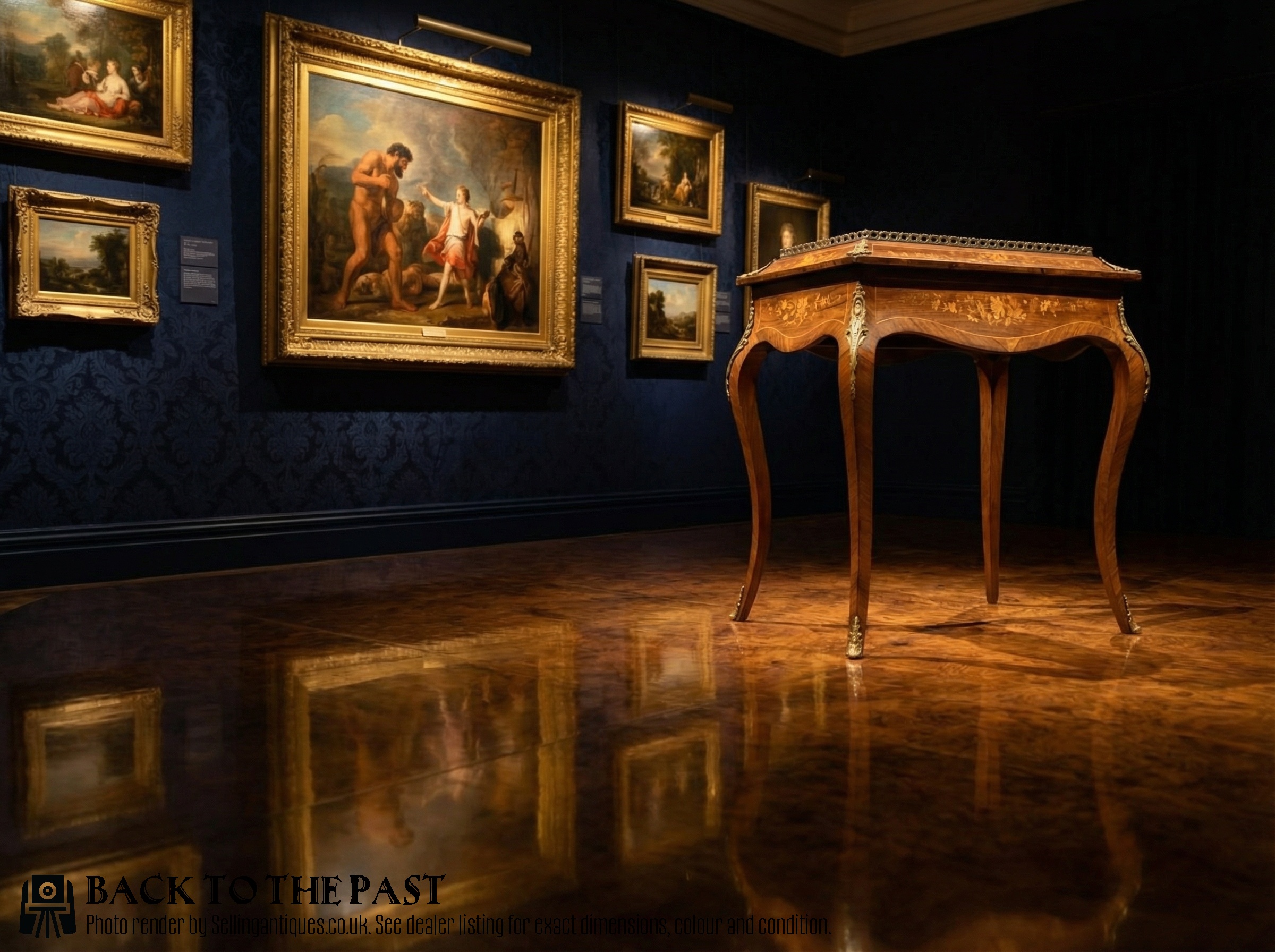
An inlaid wooden jardiniere brings natural greenery indoors through decorative marquetry and cabinetmaking skill.
Inlaid Wooden Jardiniere
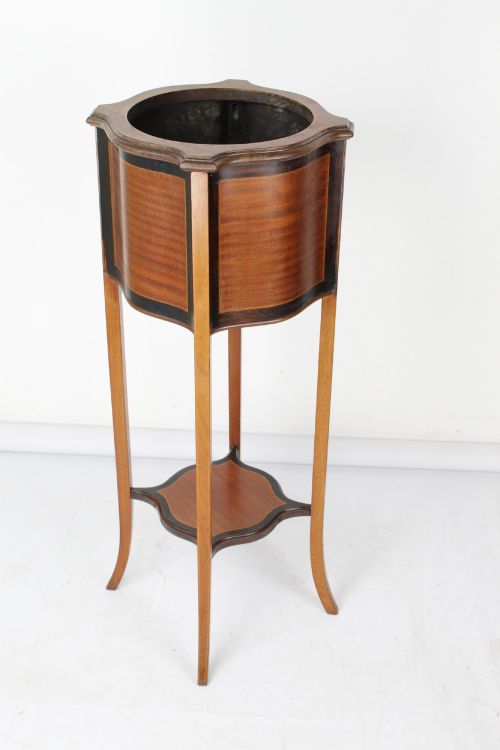
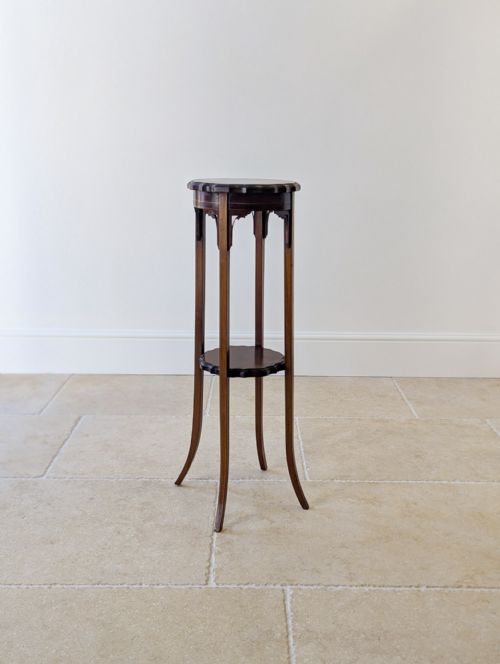
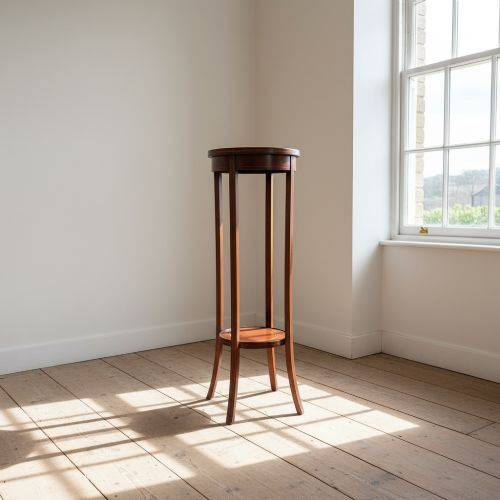
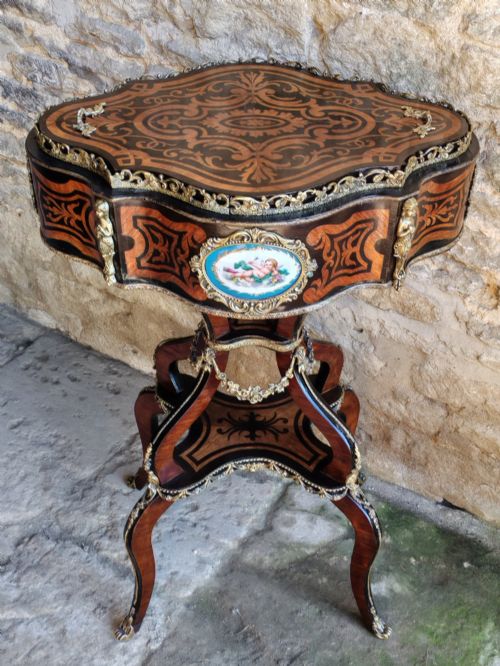
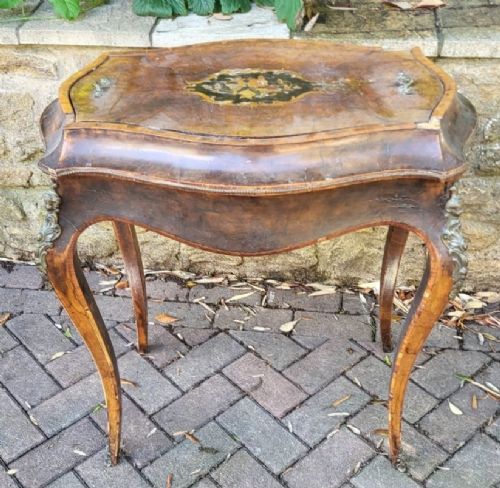
An inlaid wooden jardiniere serves as a decorative plant stand, planter, or occasional table designed to hold potted plants and flowers within a room. When you search for an inlaid wooden jardiniere, you encounter plant stands, jardiniere tables, and cellarette-style planters dating from the Victorian and Edwardian eras.
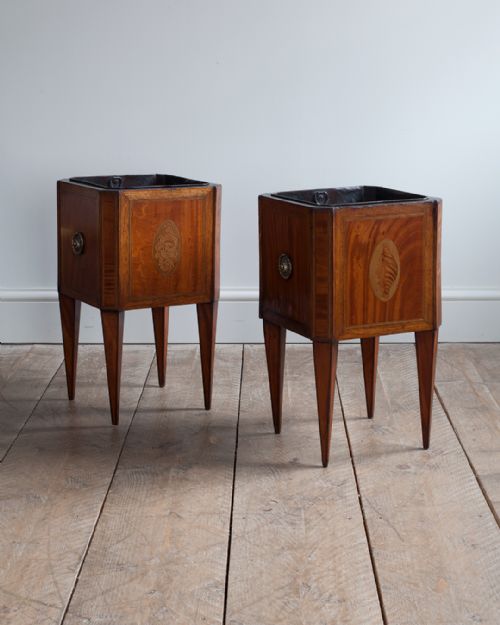
The pieces appearing on this page span the nineteenth century, nineteen hundred, and the Edwardian period, alongside occasional French Belle Epoque examples. Forms range from tall torchere plant stands to low planters with lift-off lids and wine cooler hybrids.
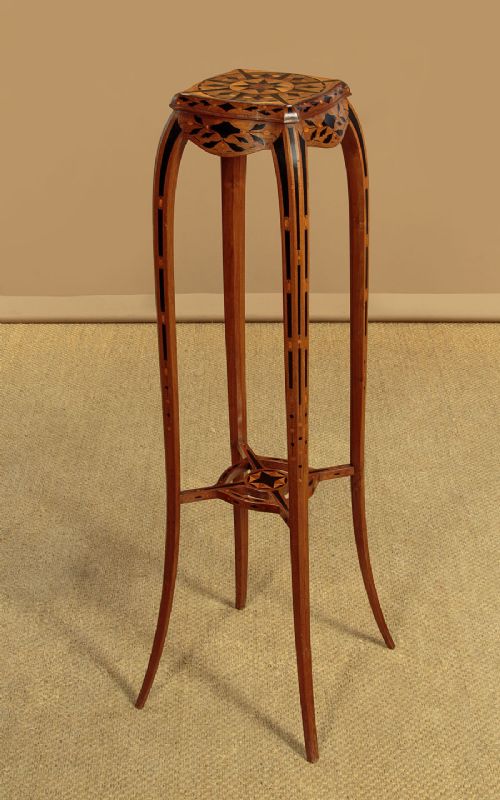
Mahogany, burr walnut, satinwood, and kingwood form the primary bodies of these pieces, frequently enhanced by contrasting marquetry and gilt metal mounts. Edwardian mahogany stands and nineteenth-century marquetry planters dominate the selection.
What varies in quality
The refinement of the marquetry and the choice of fancy veneers dictate the visual hierarchy among these pieces. Selected burr walnut, figured mahogany, and intricate satinwood inlay distinguish more ambitious workshop output from plain utility stands.
The presence of original brass liners, cast ormolu mounts, and gilt metal details elevates the execution of a piece. Structural integrity in slender torchere legs and the preservation of delicate wood surfaces also separate standard examples from finer specimens.
Several of these botanical stands doubled as clandestine wine coolers, letting Victorian hosts conceal their claret beneath the ferns.
The Inlaid Wooden Jardiniere Glossary
- Jardiniere
- An ornamental pot or stand designed for holding plants or flowers. These items often feature waterproof liners and decorative exterior surfaces.
- Marquetry
- Decorative woodwork where pieces of veneer are fitted into a ground to form floral or geometric patterns. This technique frequently employs contrasting timbers such as satinwood and rosewood.
- Torchere
- A tall, slender stand originally designed to hold a candle or lamp. In plant stands, this form provides an elevated perch for trailing foliage.
- Cellarette
- A cabinet or container originally used for holding bottles of wine, sharing similar form and proportions with certain large planters. Some nineteenth-century examples served dual purposes as wine coolers and jardiniere planters.
- Ormolu
- Gilded bronze mounts applied to furniture for decorative accent. These metal fittings appear on French and Victorian pieces alongside kingwood and mahogany.
Inlaid Wooden Jardiniere: Frequently Asked Questions
What is an inlaid wooden jardiniere?
An inlaid wooden jardiniere is a decorative planter or plant stand embellished with wood marquetry and veneer work. These pieces combine cabinetmaking with botanical display.
They function as standalone pedestals, low occasional tables, or tabletop planters designed to hold potted plants inside a domestic interior.
How were these planters used historically?
Historically, these items housed potted ferns and flowering plants to bring living greenery into formal reception rooms and parlors. They protected interior surfaces while displaying botanical specimens.
Some examples also doubled as wine coolers or cellarettes, utilising fitted metal liners for dual household purposes.
How do I care for an antique wood planter?
Protect the wood surface from water damage by ensuring potted plants sit inside removable liners or saucers rather than directly against the timber. Regular dusting and occasional wax polishing preserve the finish.
Keep these items away from direct sunlight and extreme humidity changes to prevent the veneer and inlay from lifting.
How do I tell Victorian from Edwardian pieces?
Victorian pieces often feature darker timbers like burr walnut and kingwood, accompanied by heavier proportions, French revival styles, and gilt metal mounts. Marquetry tends to be dense and elaborate.
Edwardian examples frequently utilise lighter mahogany and satinwood, displaying simpler lines, slender torchere stands, and restrained inlay details typical of the early twentieth century.