


Inlaid Wooden Caddy
An inlaid wooden caddy holds the history of the parlour in its timbers, offering a tangible link to the domestic rituals of past centuries.
Inlaid Wooden Caddy
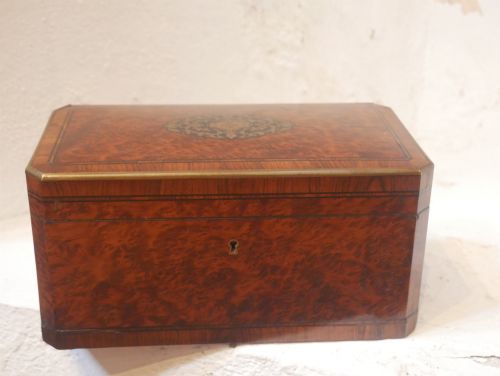
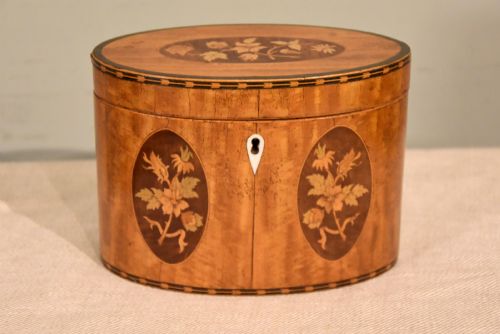
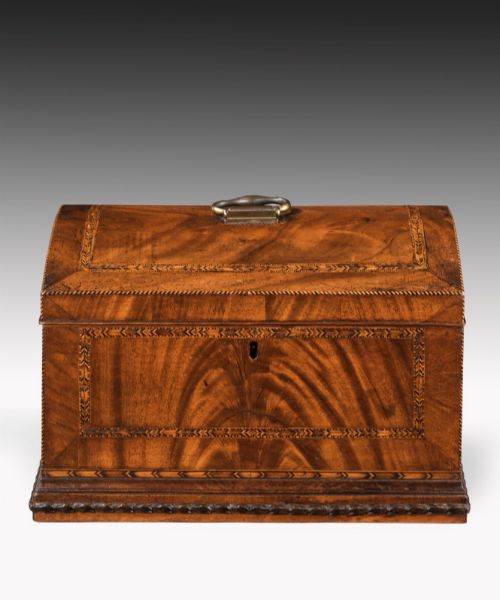
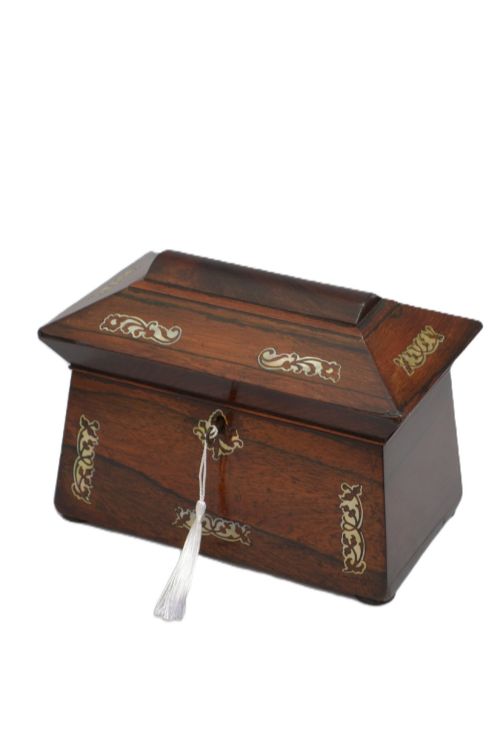
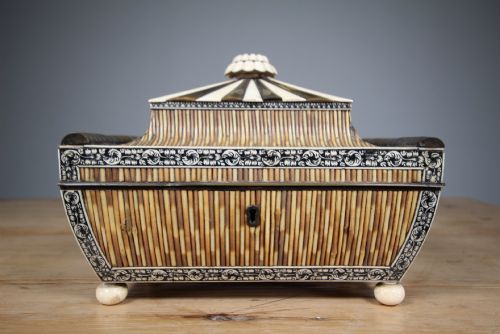
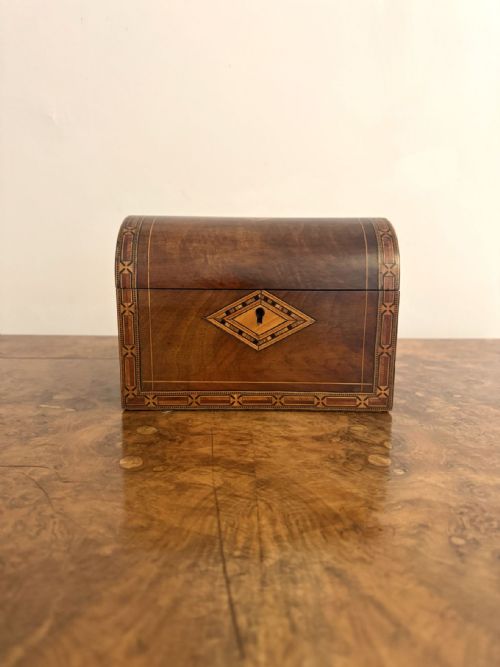
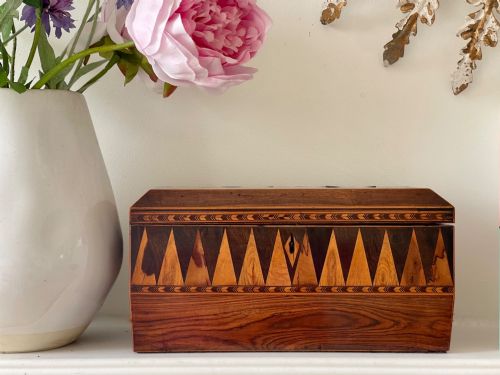
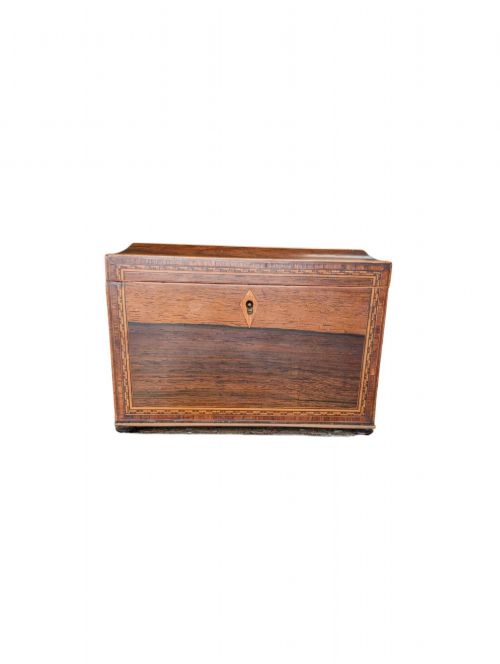
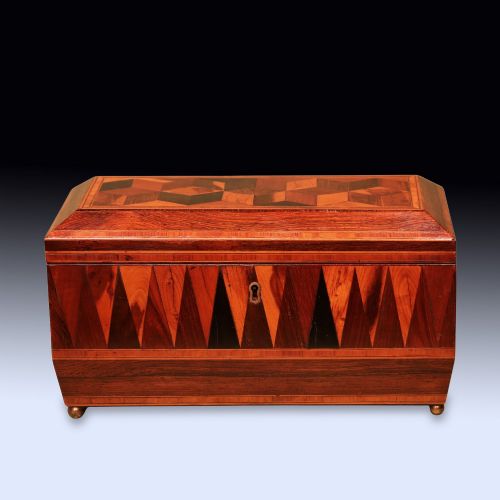
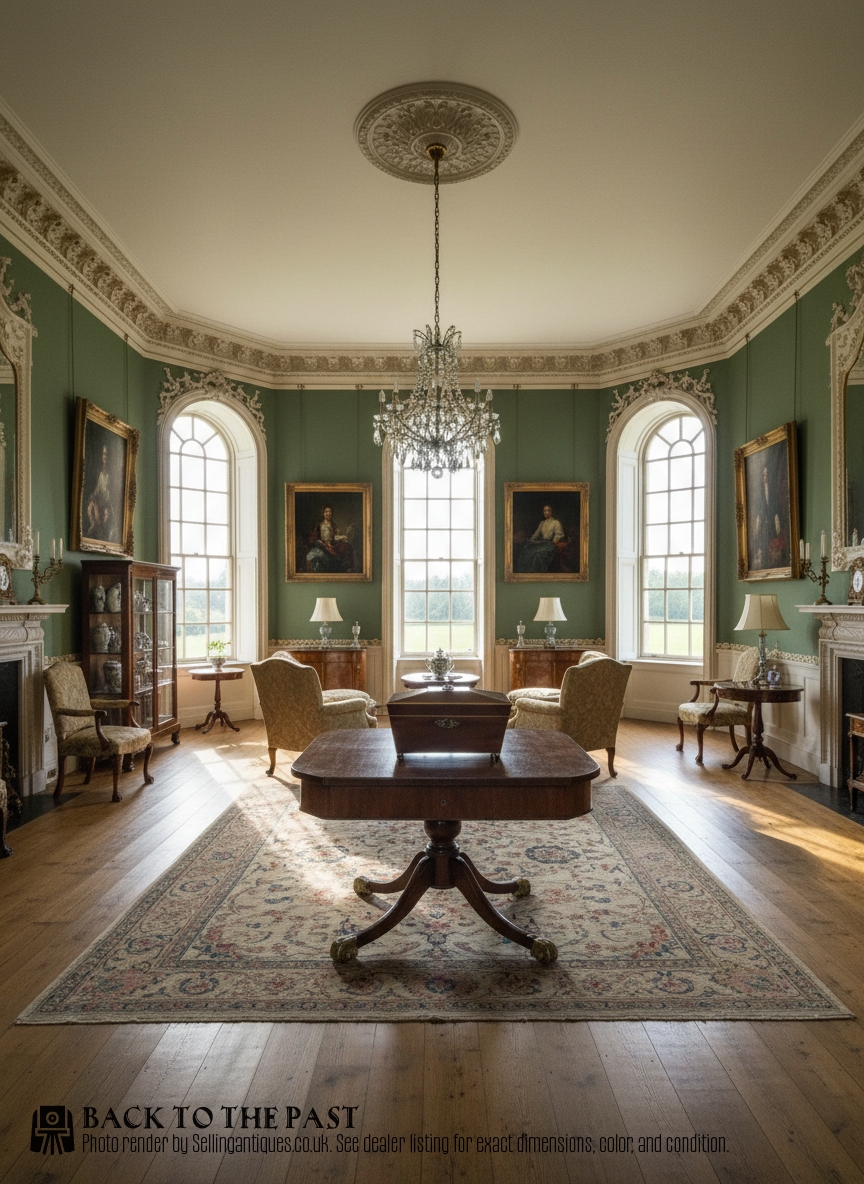
An inlaid wooden caddy serves as a receptacle for dry tea leaves, which were once precious commodities stored under lock and key. The pieces seen on this page span the Georgian, Regency, and Victorian periods, with forms ranging from simple geometric boxes to elaborate sarcophagus shapes.
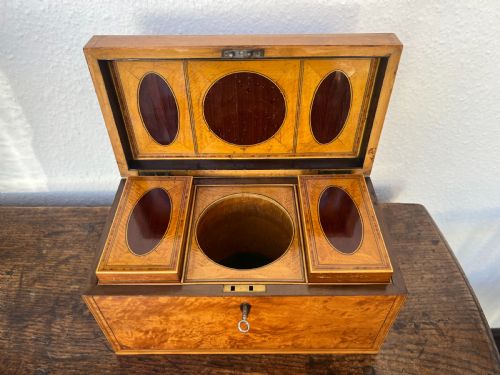
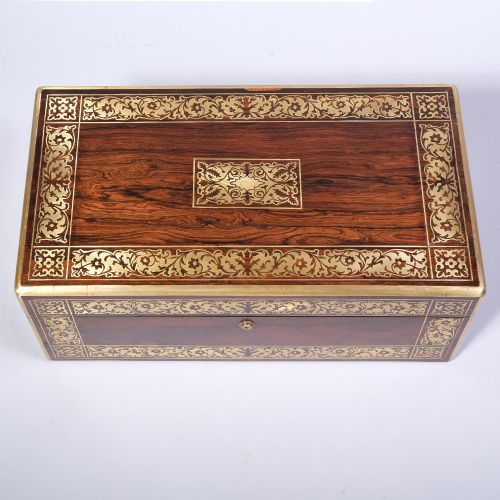
The materials reflect the tastes of these eras, featuring rich hardwoods such as mahogany, rosewood, and satinwood embellished with contrasting veneers. Buyers encounter variations including oval, hexagonal, and rectangular bodies, frequently fitted with interior compartments for leaf separation.
Materials and construction
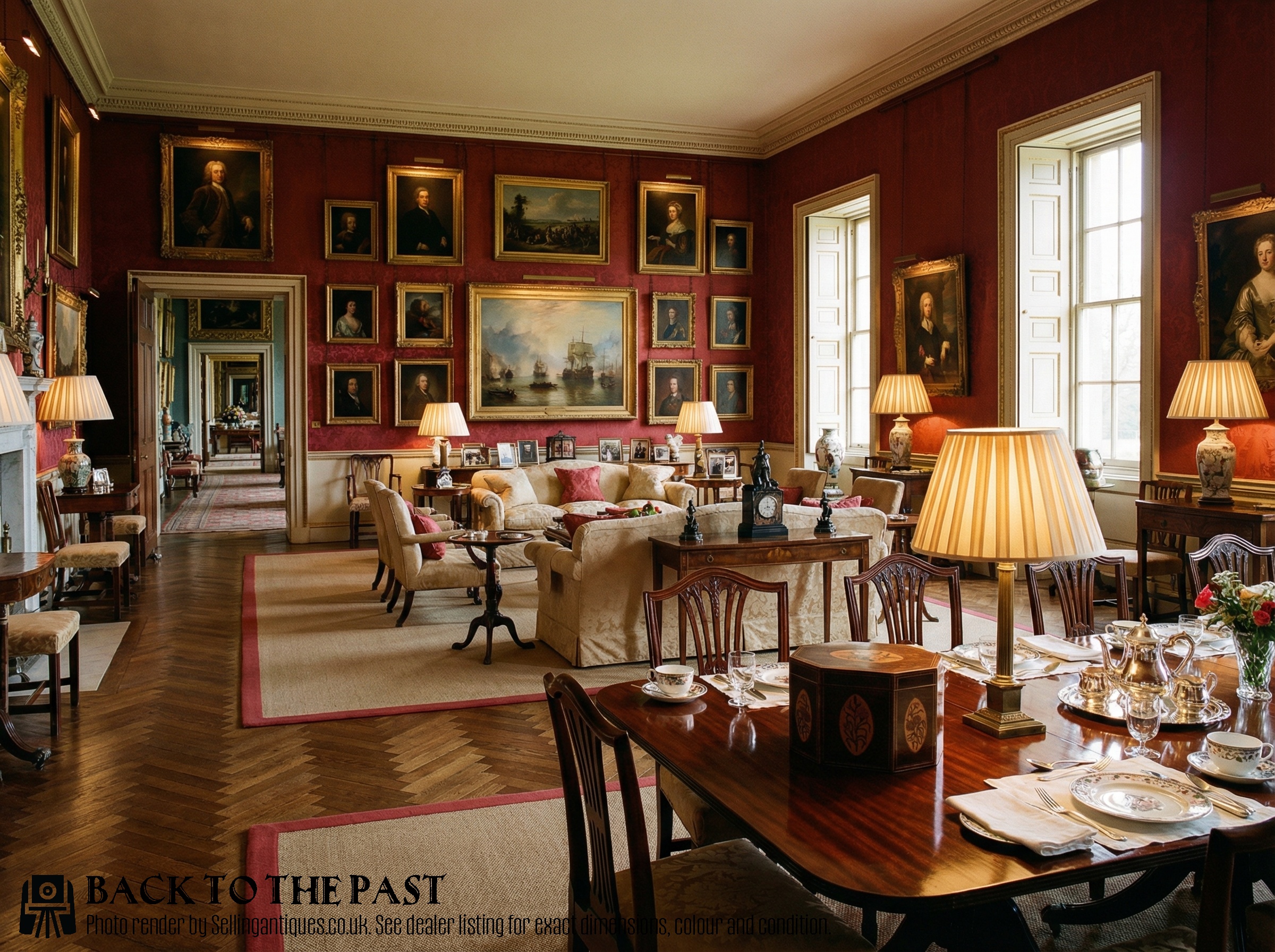
Cabinetmakers utilised dense timbers like mahogany and rosewood as foundational carcases, applying finer veneers of satinwood, harewood, and burr walnut over the surfaces. These woods provided stable bases for intricate decorative schemes.
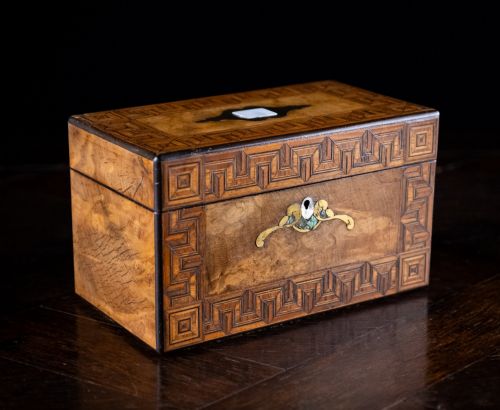
Inlay techniques involved precise cutting of boxwood, ebony, bone, and mother-of-pearl to create geometric parquetry, delicate stringing, or pictorial motifs. Specialist makers also employed Tunbridge Ware methods, assembling tiny coloured wood blocks to form mosaic pictures.
Inlaid Wooden Caddy Retail Price Guide 2026
Typical asking prices for inlaid wooden caddy among the pieces listed under this phrase on Sellingantiques today, from the lower quarter to the upper quarter. They describe what is for sale here now, not the wider market.
Assessing craftsmanship and condition
Quality rests in the precision of the parquetry and the integration of the contrasting veneers into the primary timber carcase. Finer examples display crisp, tight joints in the inlay work without excessive filler or lifting edges.
The integrity of the fitted interior, including original mixing bowls, canisters, and functioning locks with matching keys, elevates the standing of a piece. The patination of the wood grain through age further distinguishes superior survivals.
Tahan Paris·Henry Hollamby
The Inlaid Wooden Caddy Glossary
- Caddy
- A small box or chest designed for holding tea, derived from the Malay word kati, a unit of weight. These containers often featured internal lids to preserve the aroma of the leaves.
- Parquetry
- A geometric mosaic of wood pieces used for decorative floors and box surfaces. It creates angular patterns through the precise arrangement of contrasting timbers.
- Sarcophagus
- A monumental container shape with a gabled or domed lid, popular during the Regency period. Makers adopted this architectural form for larger tea containers and cellarettes.
- Tunbridge Ware
- A specific type of woodwork originating from Tunbridge Wells, characterised by mosaic designs built from thousands of tiny wood blocks. Artisans created detailed pictorial scenes of castles, flowers, and geometric borders.
- Stringing
- A narrow line of contrasting wood inlaid into the surface of a furniture piece or box. It forms delicate borders around panels and lid edges.
Inlaid Wooden Caddy: Frequently Asked Questions
What was an inlaid wooden caddy used for?
These boxes stored black and green teas when the leaves carried high status and monetary value. Servants or householders kept the contents secured under a small lock to regulate household consumption.
Inside, compartments separated different tea varieties, and a central glass or crystal bowl allowed the host to blend leaves before brewing.
How do I date an antique caddy?
Dating relies on observing the combination of wood species, carcass construction, and decorative styles. Georgian examples tend to show simpler oval or rectangular forms with satinwood or shell motifs, while Regency pieces often adopt sarcophagus shapes with bold brass inlay.
Later Victorian specimens frequently incorporate heavy burr woods and Tunbridge mosaic decoration. Hardware elements like hinges and escutcheons also provide clues to the period of manufacture.
Are the interiors usually original?
Many surviving pieces retain their fitted wooden lids and foil-lined compartments, though crystal mixing bowls are frequently replaced. The presence of original internal paper linings and working locks indicates a well-preserved survival.
Buyers should examine whether the dividers inside match the timber and wear patterns of the exterior carcase.
How should I care for a wooden tea caddy?
These objects require stable room temperatures away from direct sunlight and heat sources to prevent the delicate veneers from drying and lifting. Occasional application of microcrystalline wax helps protect the polished wood surface.
Avoid using liquid cleaners or placing damp items on the antique timber.