
Inlaid Walnut Side Cabinet
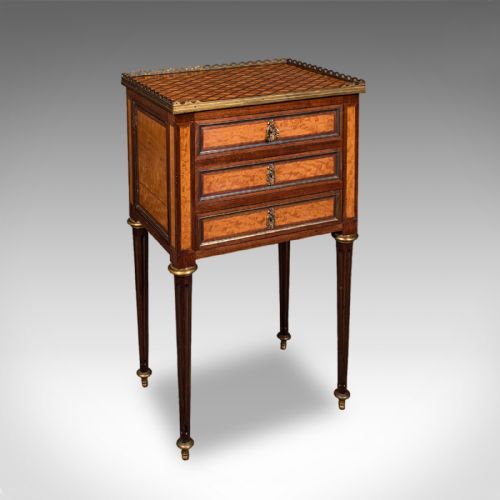
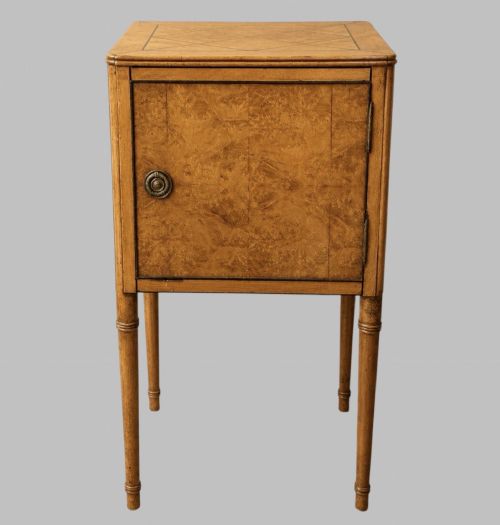
An inlaid walnut side cabinet combines rich timber figures with precise detail, offering both display space and refined storage for a traditional interior.
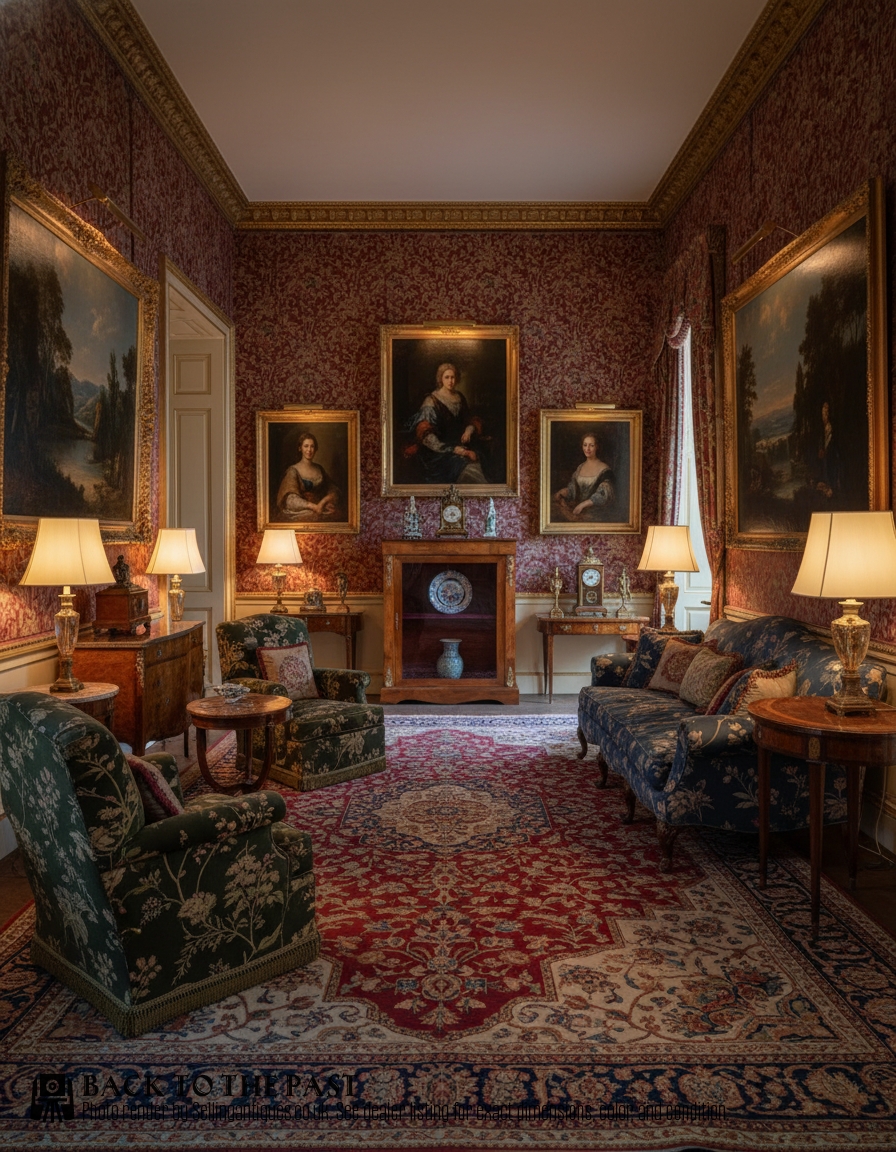
Forms and Origins
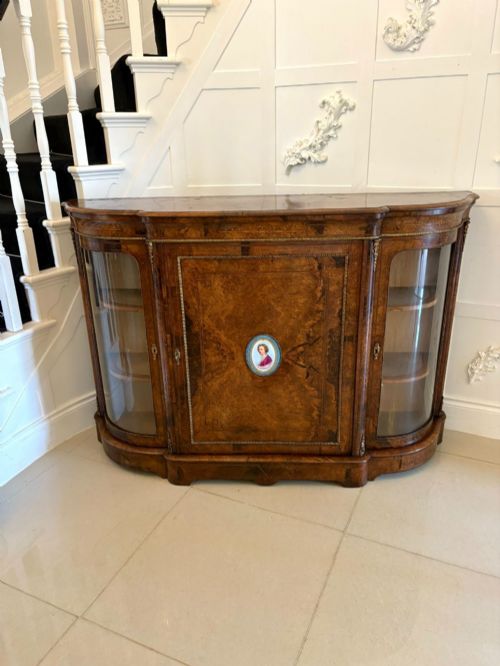
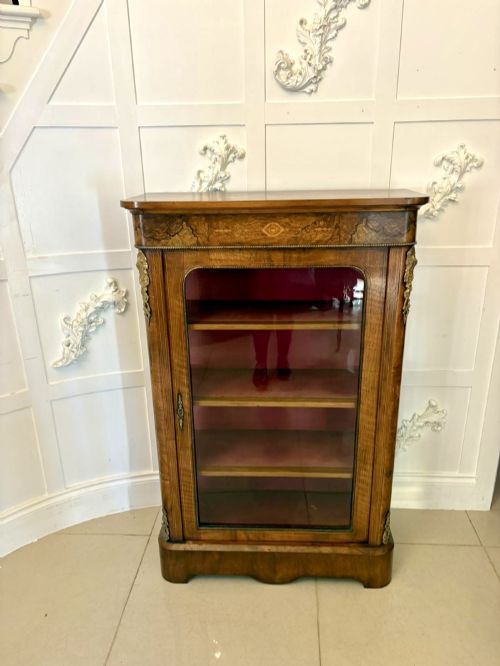
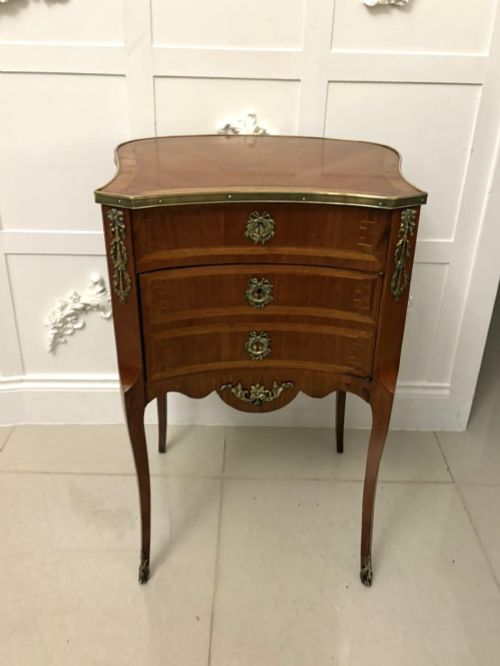
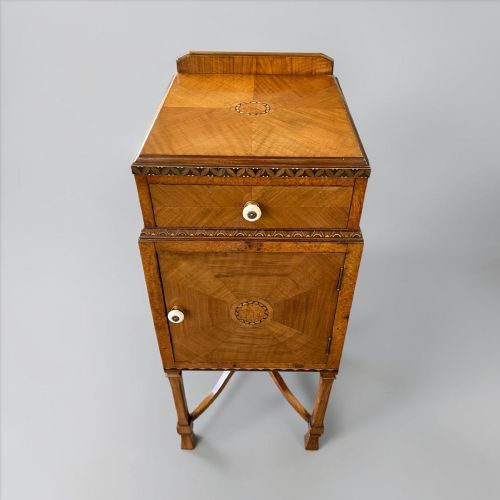
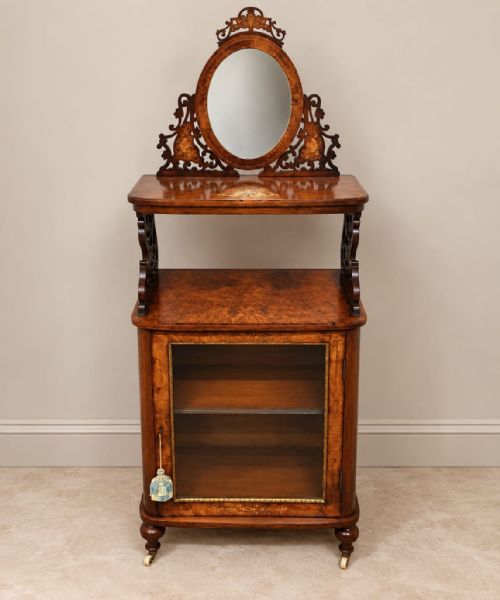
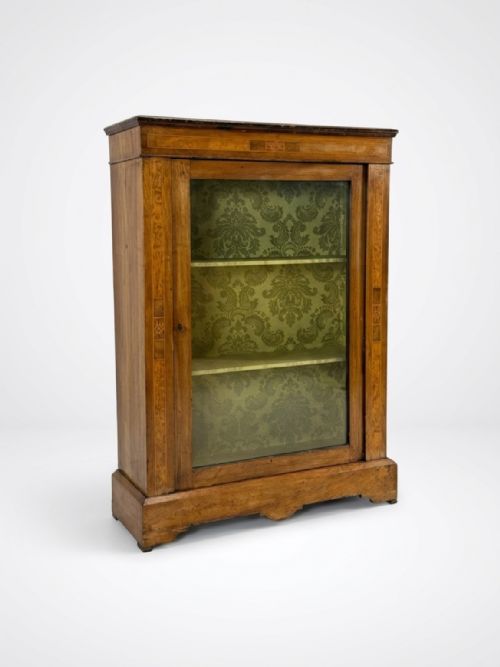
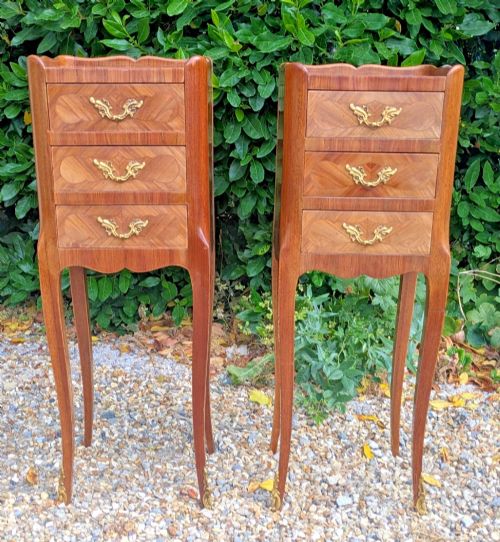
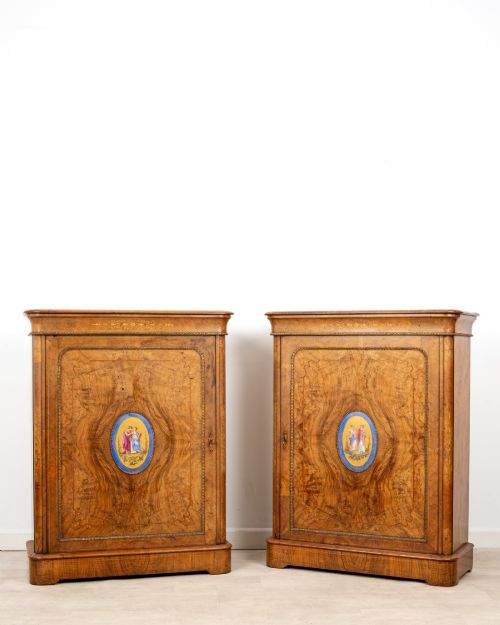
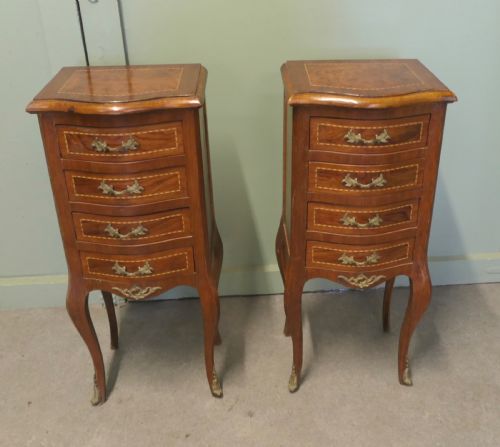
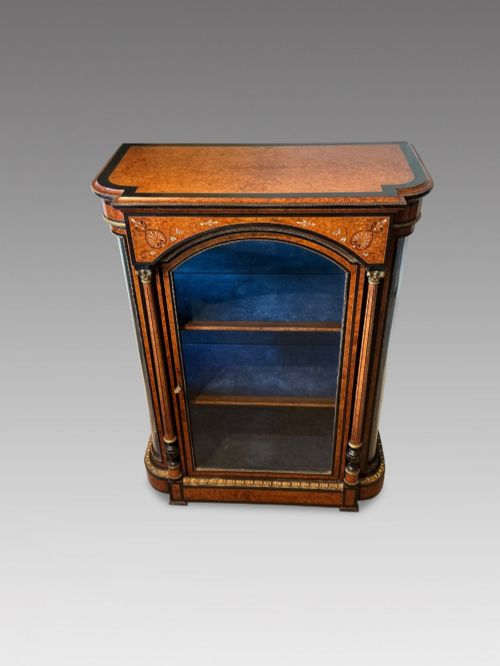
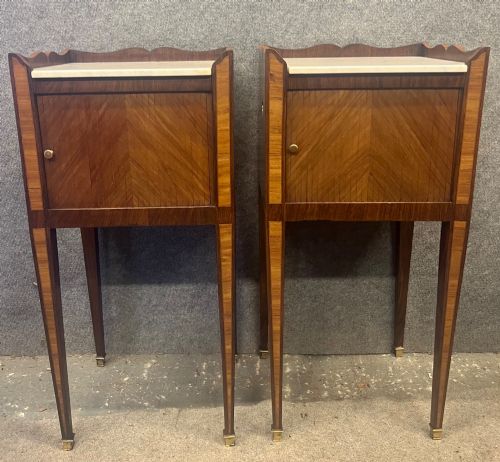
The inlaid walnut side cabinet appears most frequently in Victorian forms, spanning pier cabinets, music cabinets, and larger credenzas alongside occasional 18th Century continental examples. These pieces typically serve to display porcelain and curiosities while providing enclosed shelving beneath glass or wood doors. Makers utilised diverse configurations, from narrow single-door pier cabinets to expansive serpentine credenzas and matching pairs of bedside units.
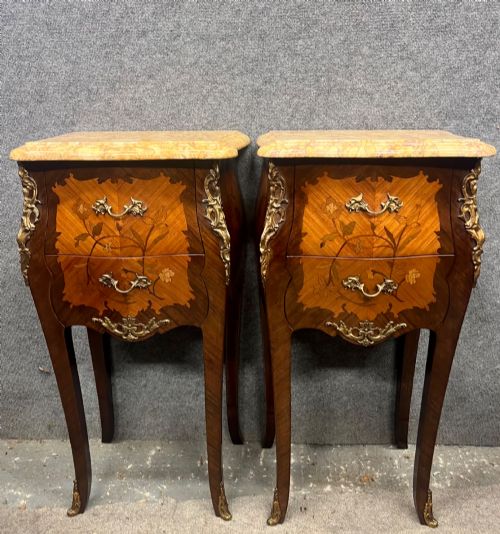
Victorian variations often incorporate marquetry floral motifs and gilt metal mounts, drawing upon French Revival and Baroque design influences. Earlier examples from the 18th Century tend to feature restrained lines, whilst later Victorian iterations introduce complex curved glass and mirrored backs. Buyers encounter everything from compact music cabinets to large multi-door display furniture within this category.
Judging Quality
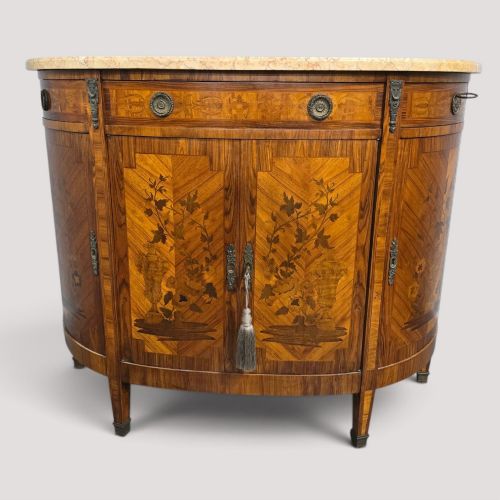
The distinction between standard and superior pieces rests upon the complexity of the burr walnut figuring and the precision of the marquetry inlays. Master craftsmen executed floral designs with meticulous tonal shading in the wood veneers, whereas lesser examples rely on repetitive, stamped motifs.
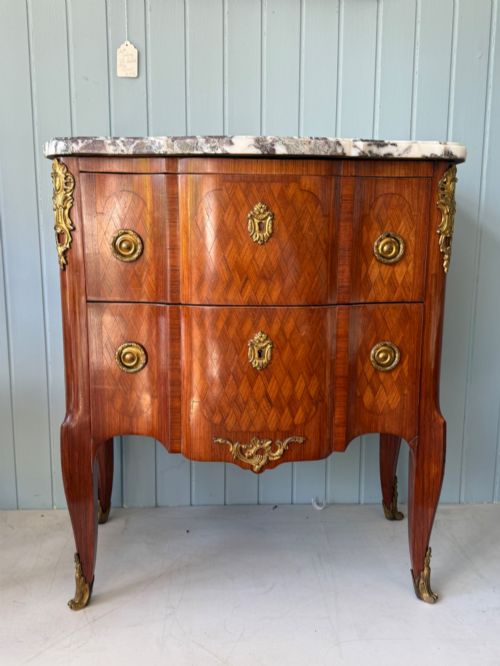
Hardware integration and mount casting further separate the grades, with top-tier pieces featuring finely chased gilt metal mounts and substantial marble tops. The architectural proportions, such as serpentine fronts and well-fitted glazed doors, dictate the overall stature of the cabinet.
Retail Price Guide 2026
Typical UK retail prices for inlaid walnut side cabinet, calculated from the Sellingantiques database of over a million retail prices indexed since 2003. This retail price guide relies exclusively on Sellingantiques data; no external sources or auction records are used, so the figures do not describe the wider market.
Some Victorian music cabinets doubled as display furniture, hiding sheet music behind the same glass panels meant for delicate porcelain.
The Inlaid Walnut Side Cabinet Glossary
- Marquetry
- The art of forming decorative patterns by fitting together small pieces of veneer. Craftsmen use contrasting woods to create elaborate floral or geometric designs across the cabinet surface.
- Burr Walnut
- Timber taken from a tree growth that produces intricate, swirling grain patterns. This highly prized material provides the primary decorative surface for the finest Victorian cabinets.
- Ormolu
- Gilded bronze used for decorative mounts and furniture fittings. It adds metallic contrast to the dark walnut timber.
- Pier Cabinet
- A narrow cabinet designed to stand against the wall space between windows. These pieces often feature glass doors and velvet-lined interiors for displaying porcelain.
- Credenza
- A large, low sideboard or display cabinet often featuring curved end cupboards. This form accommodates extensive marquetry work and glass panels.
Frequently Asked Questions
Where should I place an inlaid walnut side cabinet?
These cabinets suit drawing rooms, hallways, or reception rooms where their decorative timber and glass panels can catch the light. They function effectively as display surfaces for small ceramics and books.
Ensure the piece sits away from direct sunlight and strong heat sources to protect the delicate walnut veneers and marquetry work over time.
How do I care for the burr walnut finish?
Dust the wood regularly with a soft, dry cloth and avoid using modern spray polishes that contain silicone. Traditional wax applied sparingly helps nourish the timber surface.
Keep humidity levels in the room stable to prevent the underlying veneers from lifting or cracking around the inlaid sections.
How can I tell a Victorian example from an 18th century one?
Victorian cabinets frequently display intense burr walnut veneers, elaborate floral marquetry, and gilt metal mounts influenced by French Revival styles. They often incorporate glazed doors for display.
Eighteenth-century pieces generally exhibit more restrained walnut figuring, simpler architectural lines, and construction methods characteristic of earlier cabinet-making traditions.