

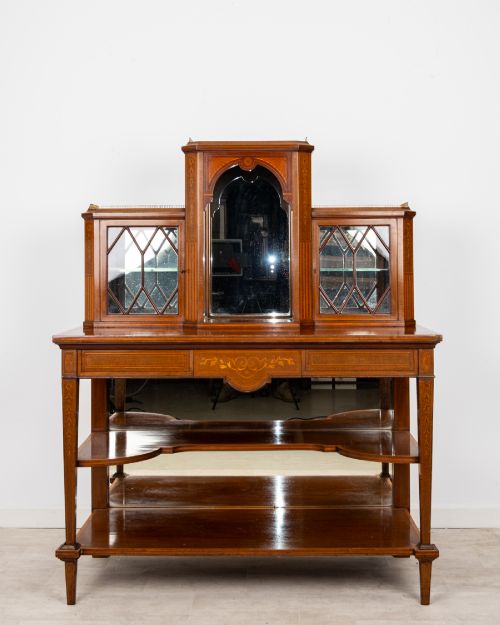
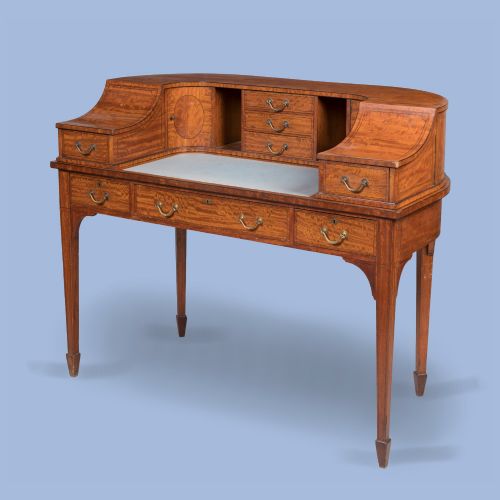
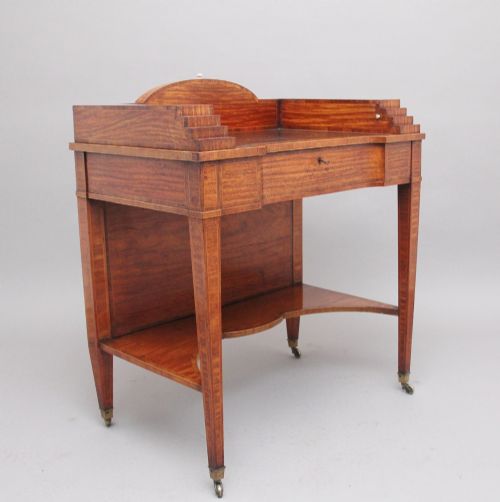
Inlaid Satinwood Bureau
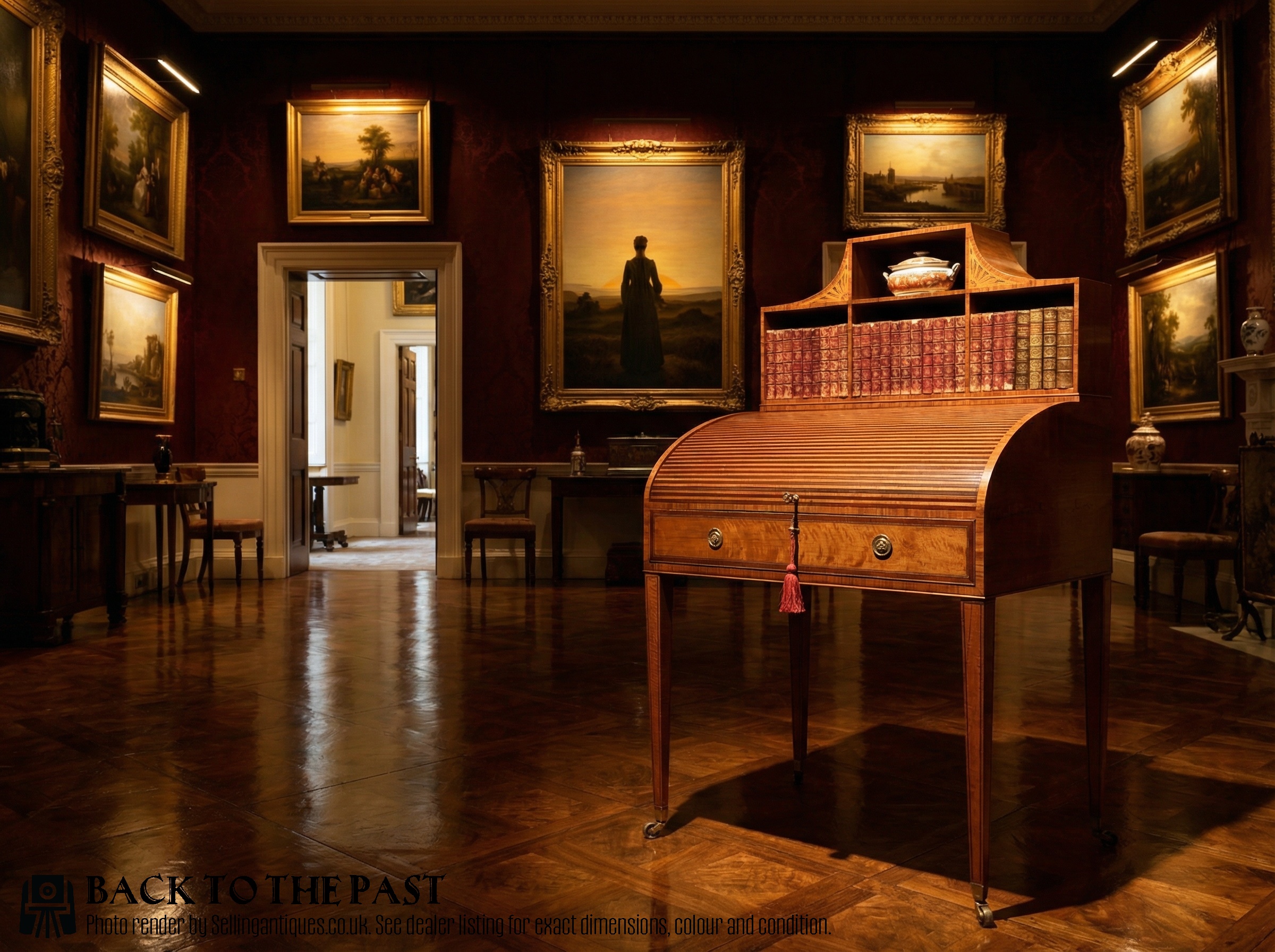
An inlaid satinwood bureau brings tactile warmth and refined compartmented storage to a study.
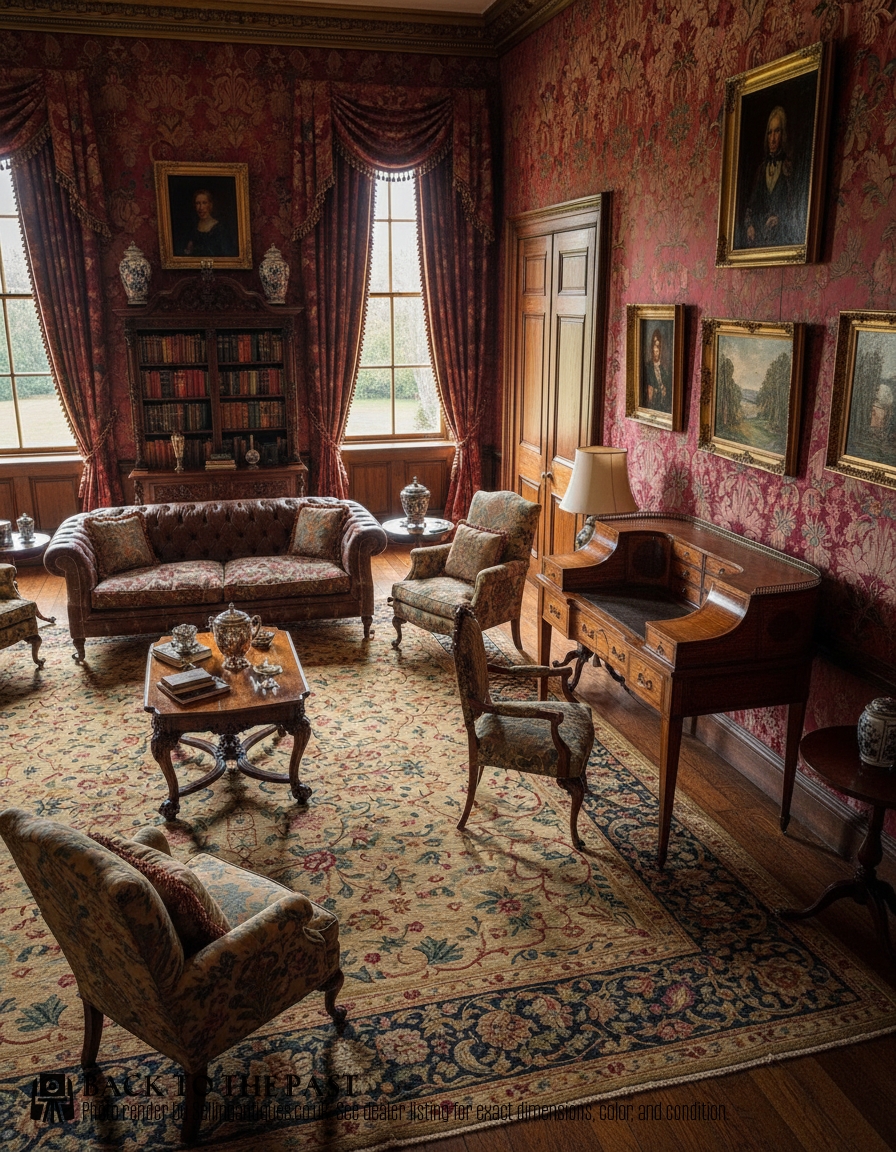
Inlaid Satinwood Bureau
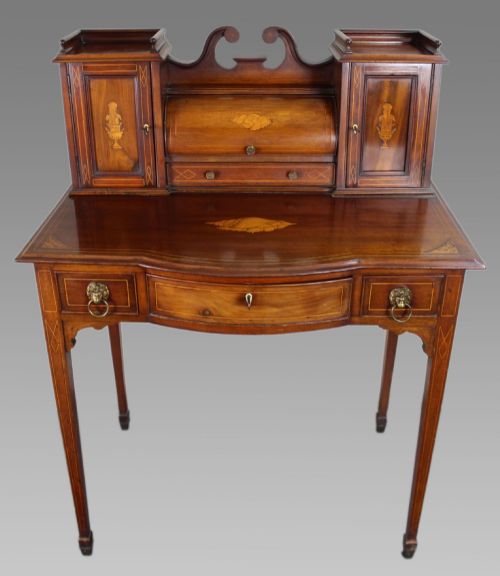
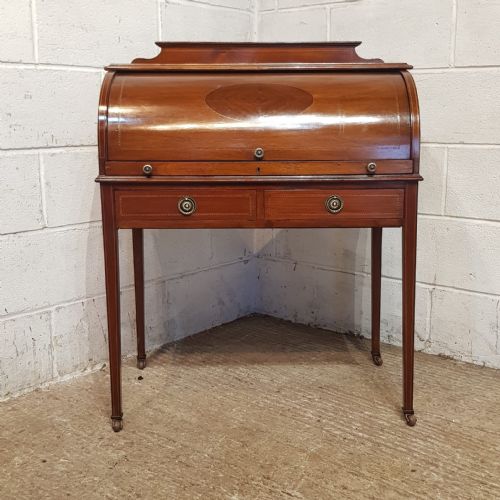
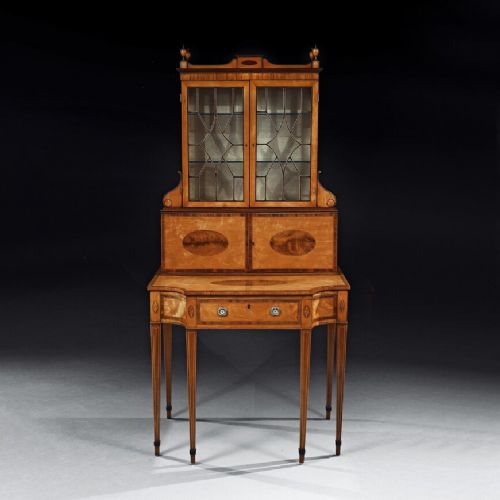
An inlaid satinwood bureau brings together figured timbers and meticulous cabinet work, appearing most frequently in Edwardian Sheraton Revival pieces and 18th century George III examples.
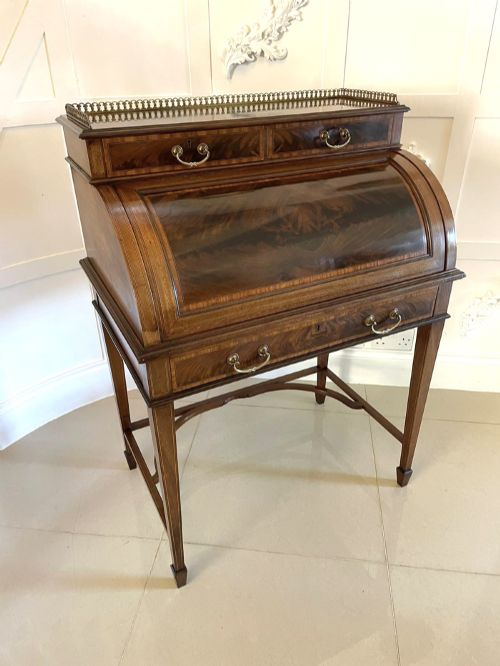
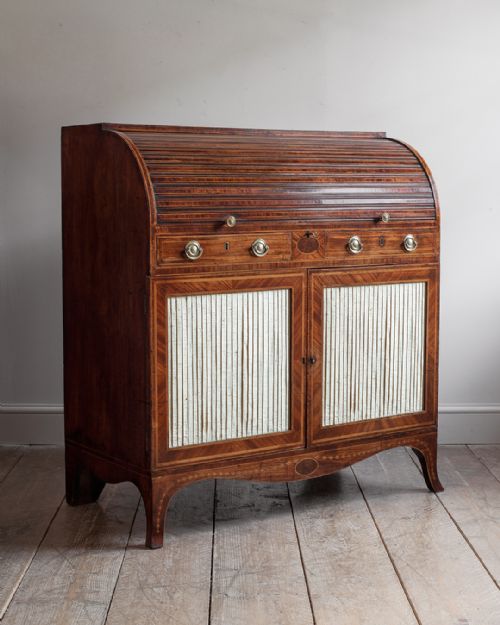
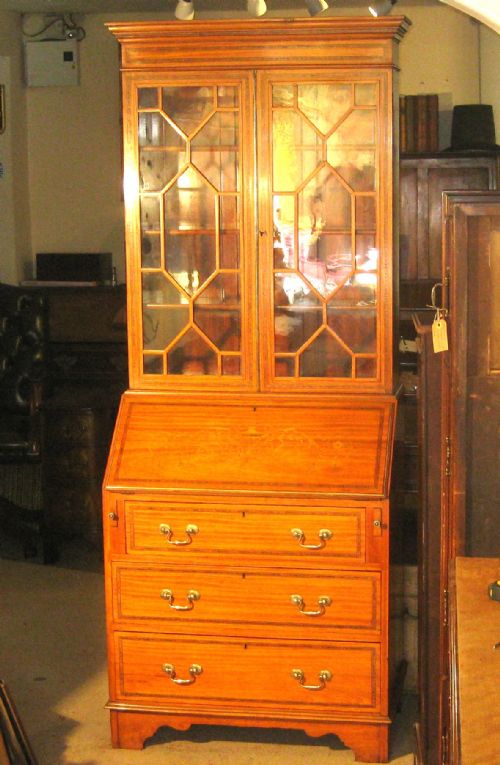
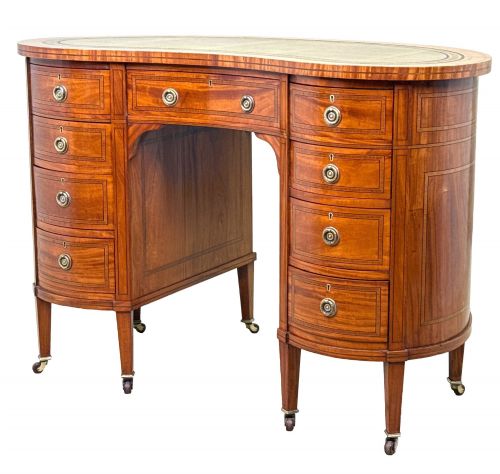
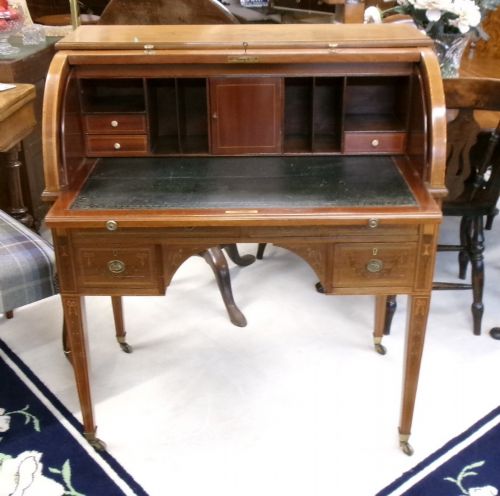
Buyers encounter writing desks, cylinder desks, and bureau bookcases that balance compact proportions with elaborate internal fittings.
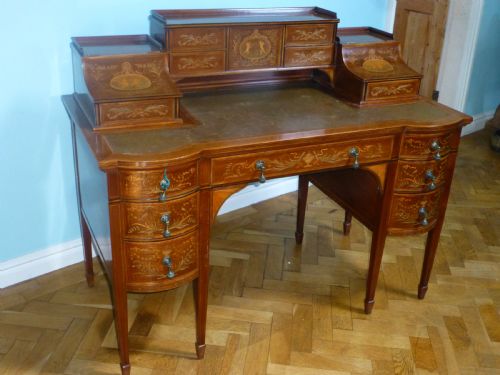
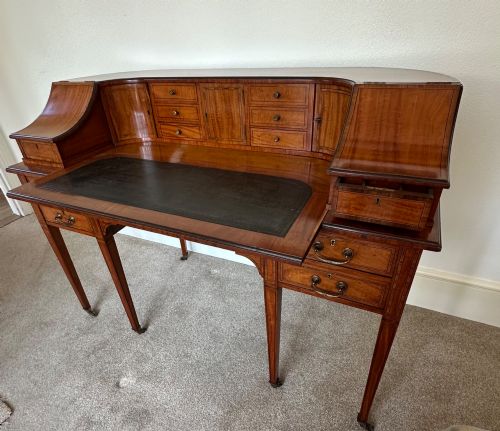
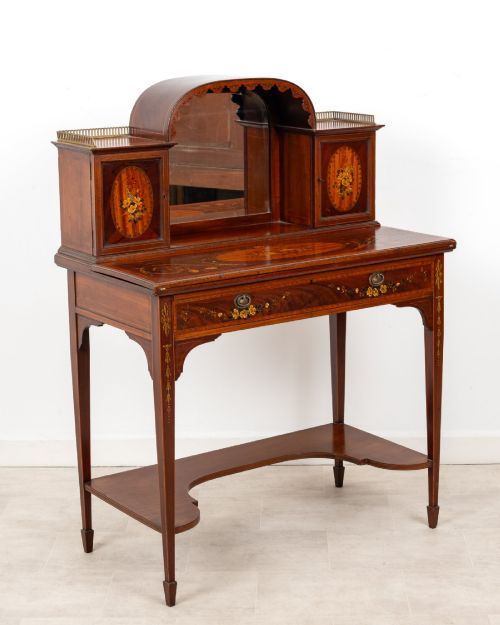
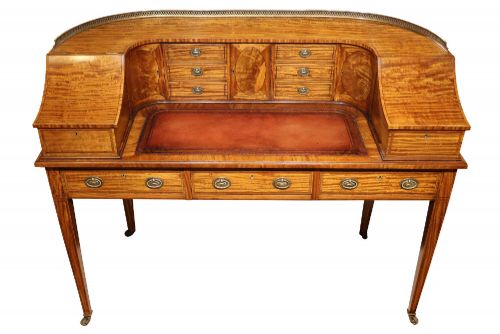
The Edwardian era yields numerous freestanding writing tables and Carlton House desks, whilst 18th century pieces provide architectural bureau bookcases and cylinder cabinets.
Materials and Techniques
Cabinet makers constructed carcass frames from mahogany and oak, applying smooth satinwood veneers and contrasting crossbanding in rosewood or kingswood.
Surface decoration relies on fine marquetry and line inlay, complemented by original brass hardware and fitted leather writing surfaces.
Internal compartments often feature mahogany or oak lined drawers, alongside tambour cylinders and ormolu mounts on Victorian iterations.
Inlaid Satinwood Bureau Retail Price Guide 2026
Typical asking prices for inlaid satinwood bureau among the pieces listed under this phrase on Sellingantiques today, from the lower quarter to the upper quarter. They describe what is for sale here now, not the wider market.
A sturdy cylinder top conceals the ink so well that wandering pens vanish for decades.
Craftsmanship and Proportion
Superior execution shows in the precision of the marquetry and the crispness of the satinwood grain, alongside balanced proportions across smaller and larger forms.
Finer examples retain original brass handles, undamaged glass panels, and fully intact secondary timbers within the internal drawers.
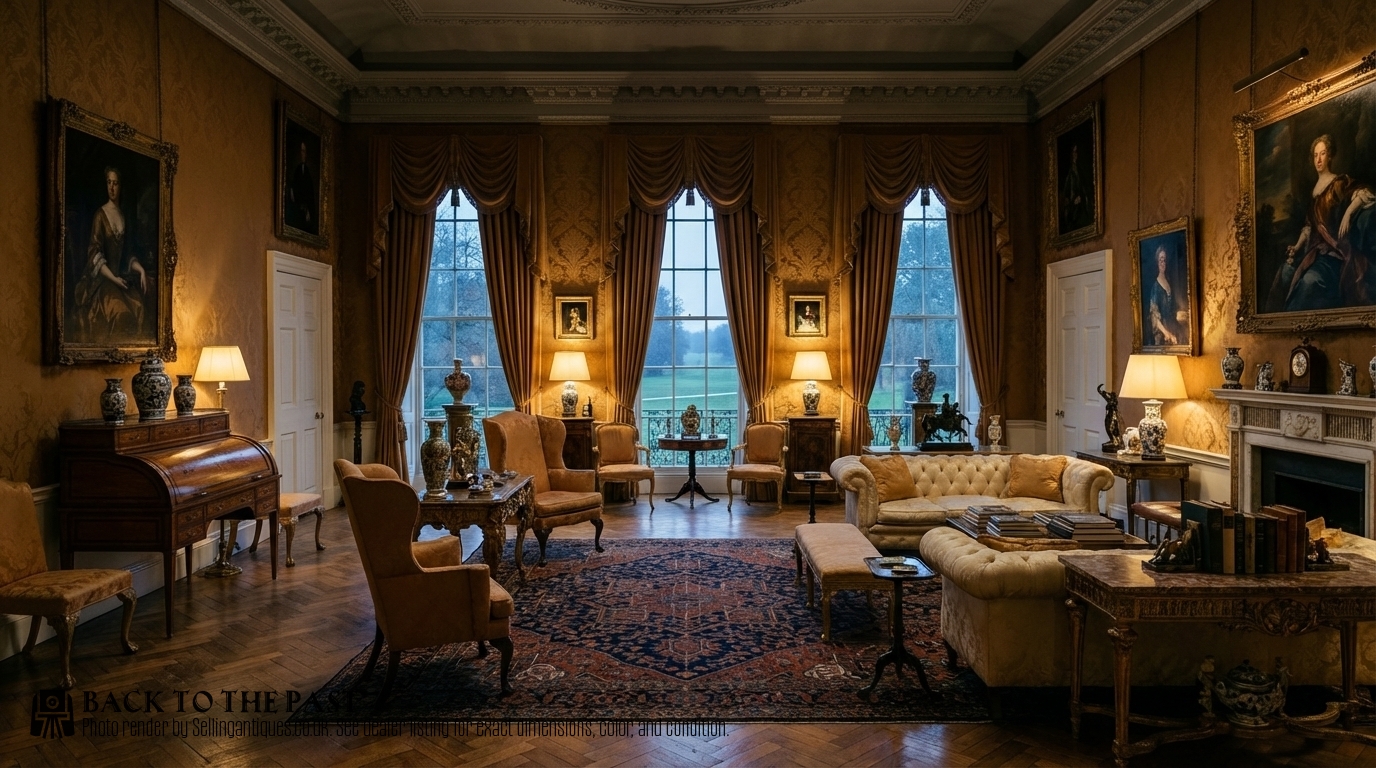
Maple and Co·Edwards and Roberts·James Shoolbred·Donald Ross
The Inlaid Satinwood Bureau Glossary
- Satinwood
- A dense, lustrous timber yielding a golden sheen, used extensively for veneers and decorative stringing.
- Carlton House desk
- A form of writing desk featuring a raised superstructure of small drawers and compartments curving around the back.
- Marquetry
- Decorative patterns formed by fitting together thin slices of various coloured woods and veneers onto a panel.
- Crossbanding
- A strip of veneer applied across the grain along the borders of a desktop or drawer front.
- Tambour
- A flexible sliding shutter formed of narrow strips of wood glued to a canvas backing, found on cylinder desks.
Inlaid Satinwood Bureau: Frequently Asked Questions
How do I care for satinwood furniture?
Keep the timber away from direct sunlight and heat sources to prevent the satinwood veneer from drying out or fading. Maintain the polished surface using a soft, dry cloth without harsh chemical polishes.
Apply a microcrystalline wax occasionally to nourish the wood and protect the delicate marquetry inlay from atmospheric moisture.
How are Edwardian and Georgian pieces told apart?
Georgian pieces from the 18th century exhibit heavier structural timbers, hand-cut dovetails, and simpler structural massing. Edwardian furniture from around 1900 frequently utilises lighter mahogany carcases with prolific satinwood veneers and Sheraton Revival motifs.
Secondary woods inside drawers and the style of the brass hardware offer further clues to the manufacturing decade.
Were these desks used for writing?
These desks served primarily for correspondence and estate management, providing dedicated spaces for stationery, inkwells, and ledgers. The fitted interior compartments kept private documents secure behind drop-front flaps or cylinder lids.
Leather writing inserts offered a smooth, durable surface for daily penwork.