
Inlaid Rosewood Occasional Table
When you select an inlaid rosewood occasional table, you acquire a compact, decorative surface that brings rich grain and contrasting detail into a room.
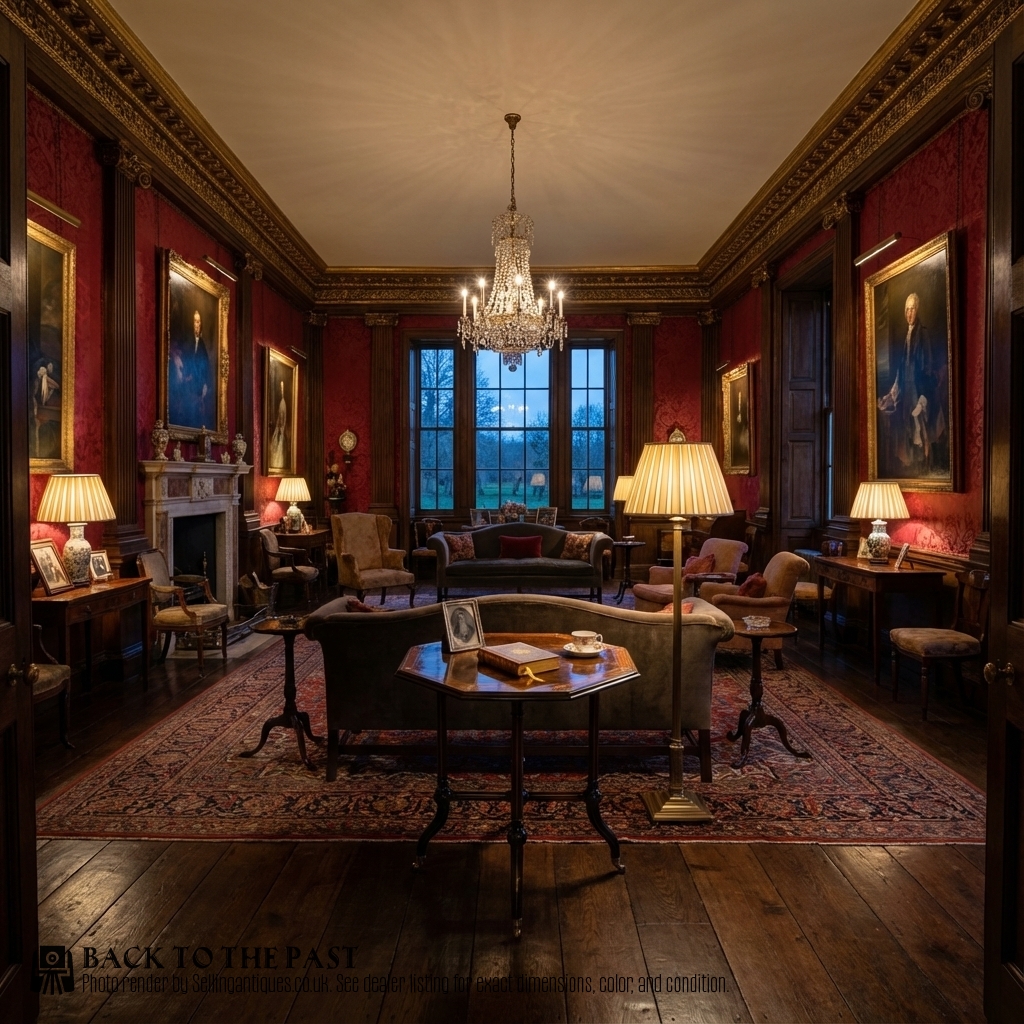
Inlaid Rosewood Occasional Table
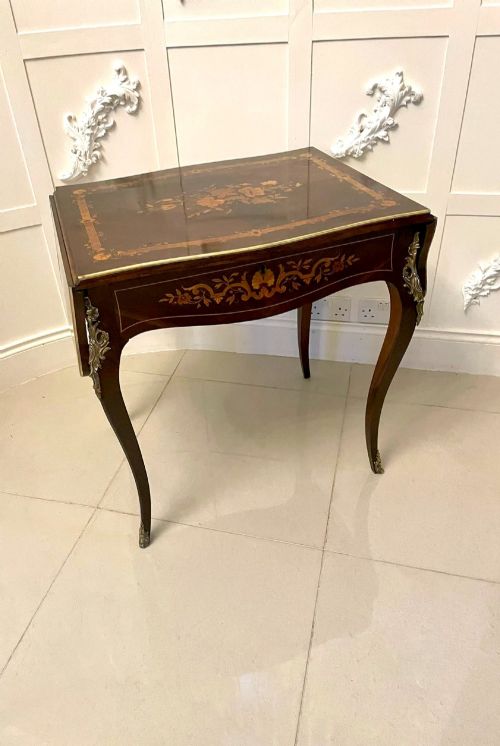
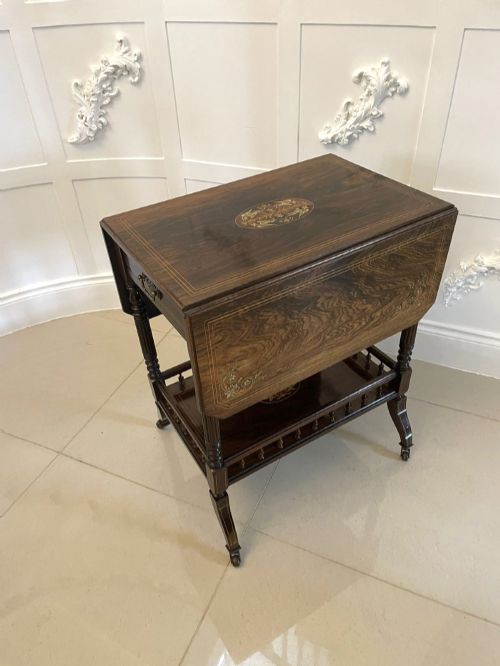
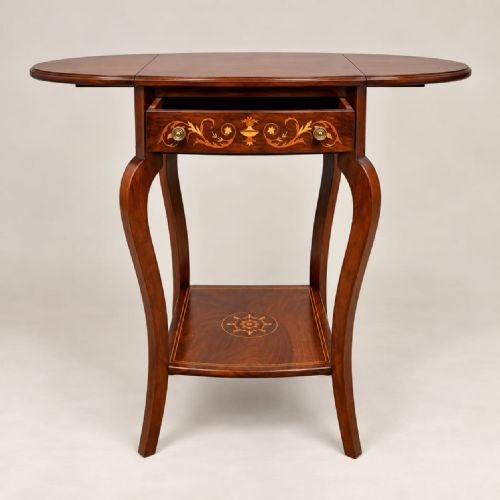
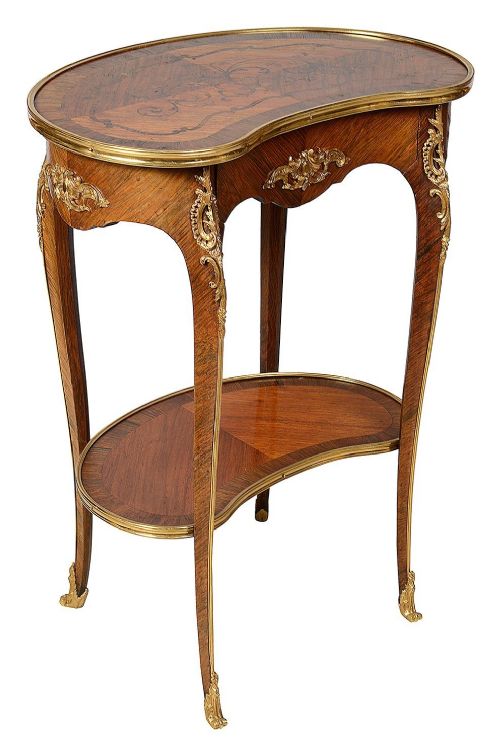
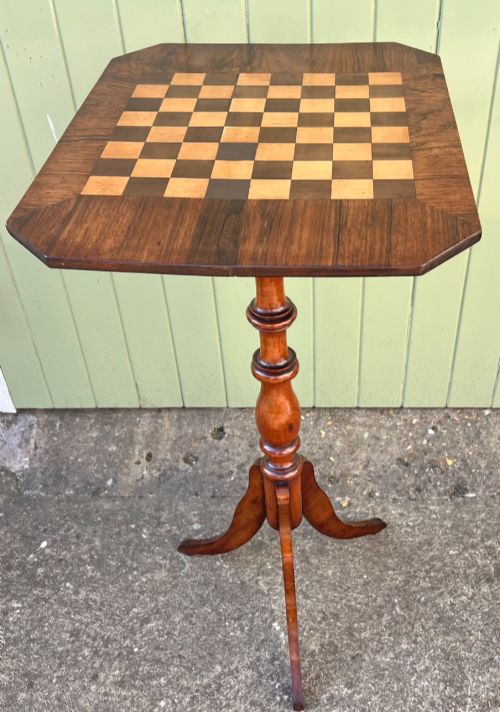
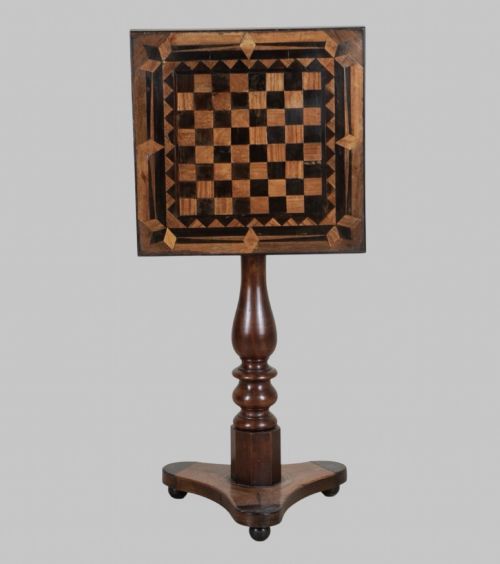
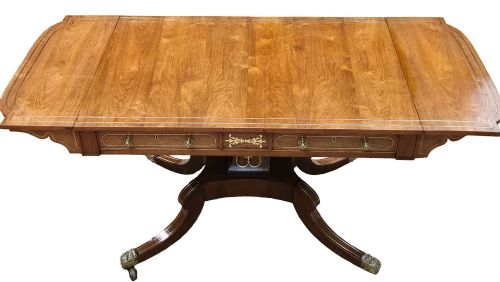
An inlaid rosewood occasional table serves as a movable surface for lamps, books, and display, appearing frequently across the Victorian, Edwardian, and Regency periods. These pieces range from simple drop-leaf and kidney-shaped designs to elaborate chess tables and multi-tiered etageres.
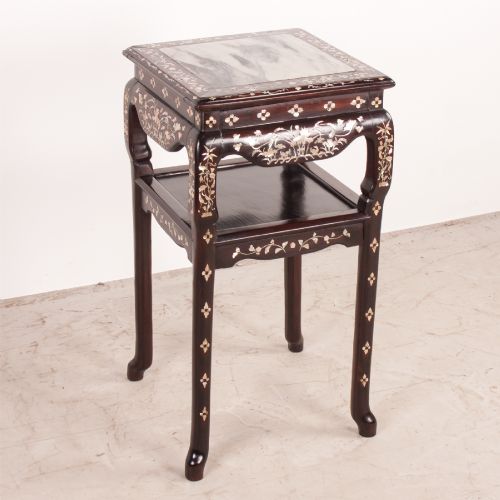
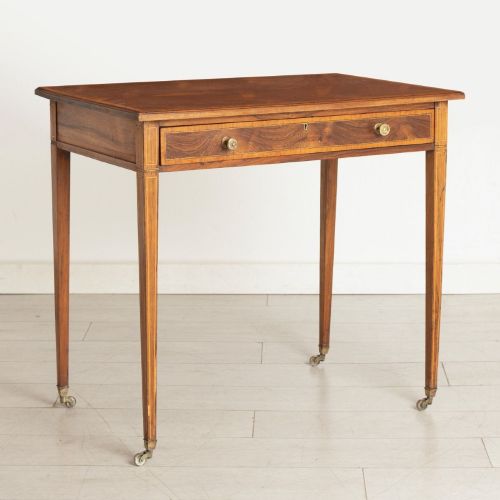
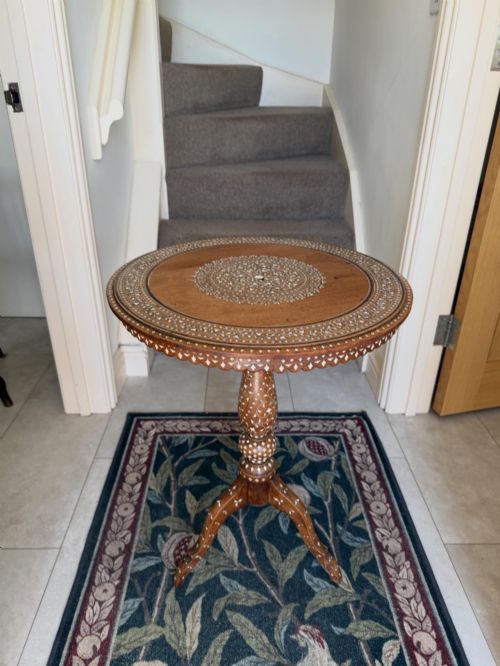
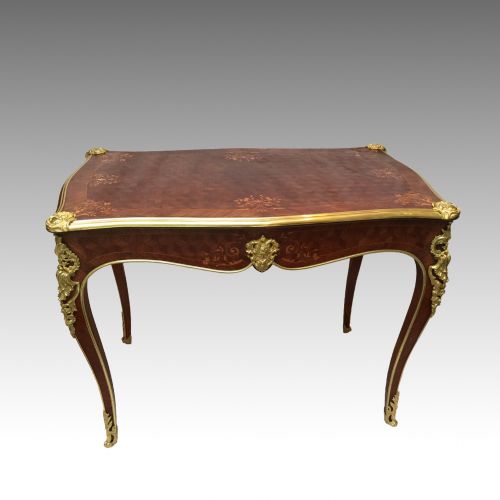
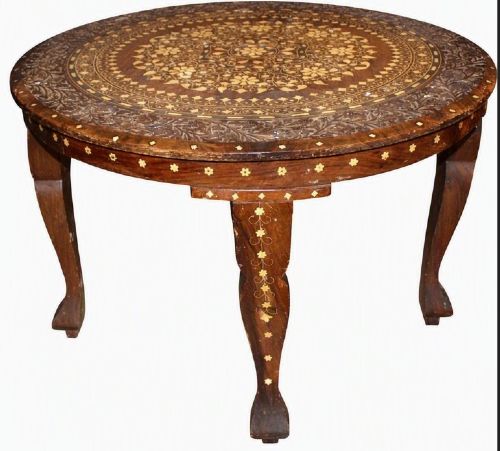
Makers utilised contrasting timbers and materials such as satinwood, boxwood, and mother-of-pearl to create geometric parquetry or floral marquetry across the top. The evidence shows distinct stylistic streams, moving from British cabinet maker productions to French revival pieces and intricately carved Anglo-Indian Hoshiarpur works.
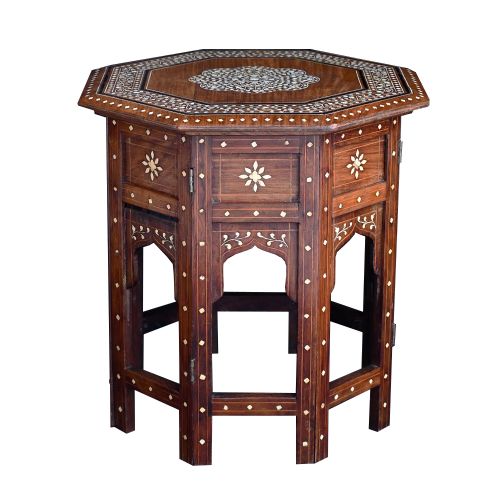
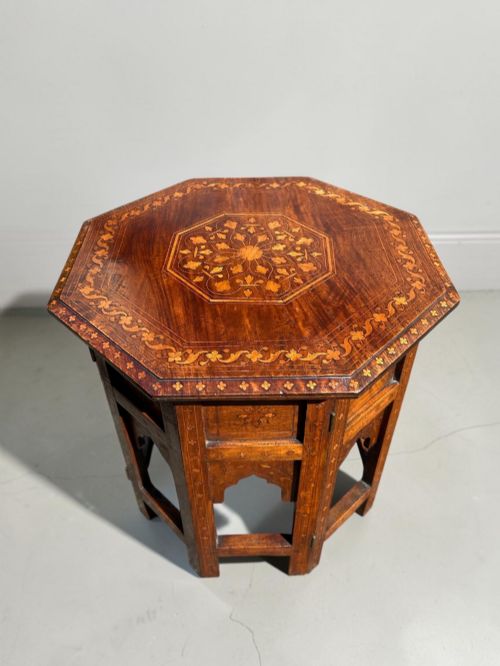
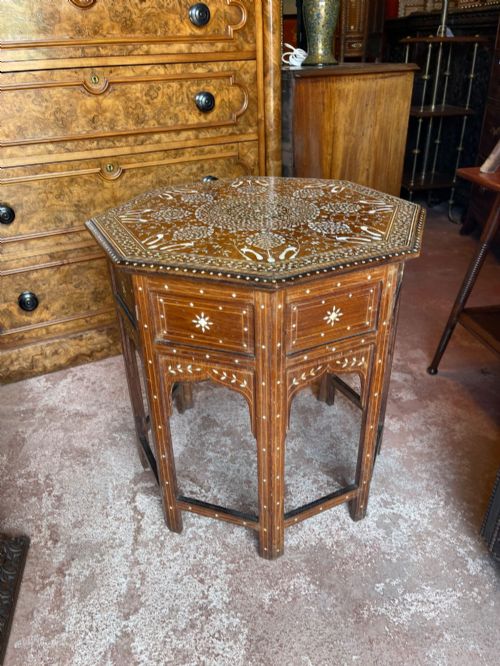
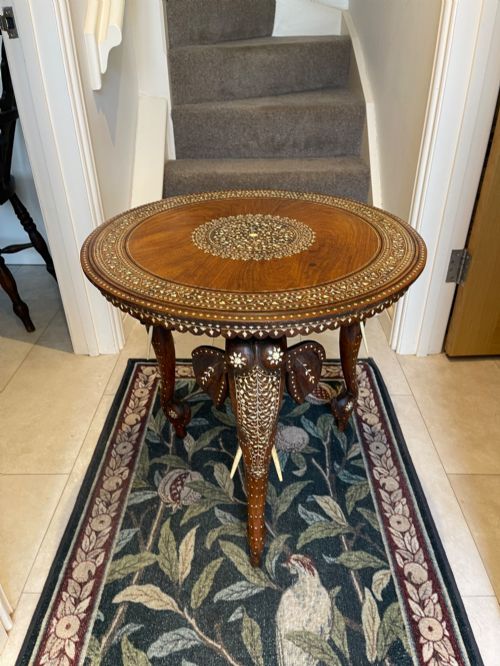
The form adapts to various domestic functions, functioning as a work table, side table, or nested quartetto set. Buyers encounter both circular pedestals and octagonal configurations designed to fit secondary spaces within a period interior.
Materials and construction methods
Construction relies heavily on dense, highly figured rosewood as the primary timber, often enhanced with brass stringing or intricate bone and ivory elements. Cabinet makers embedded contrasting lighter woods into the surface using precision cutting techniques to form elaborate floral or geometric patterns.
Techniques varied from European marquetry and parquetry scrollwork to the dense surface carving characteristic of Anglo-Indian workshops. Workshops incorporated drop leaves, folding chess tops, and tiered pillar supports to maximise utility while maintaining structural elegance.
Listings feature circular, octagonal, kidney-shaped, and triangular table tops utilising brass, bone, and mother-of-pearl alongside standard fruitwood inlays.
Determinants of quality
Quality rests upon the crispness of the inlay work and the natural figuring within the rosewood grain. Master workshops achieved seamless transitions between the contrasting timbers and the base board, avoiding visible gaps or uneven filler in the surface design.
Structural integrity of the joints, the stability of pedestal bases, and the precision of mechanical elements such as drop leaves or nesting frames separate standard production pieces from exhibition standard items.
Edwards and Roberts·Gillows·Collingson and Lock·S and H Jewell
The Inlaid Rosewood Occasional Table Glossary
- Marquetry
- Decorative veneer work forming pictorial or floral patterns using various wood types. Skilled artisans cut multiple thin wood layers simultaneously to achieve precise interlocking shapes.
- Parquetry
- Geometric mosaic woodwork arranged in repeating patterns such as cubes or chequers. This technique provides a structured architectural contrast to organic floral motifs.
- Quartetto
- A set of four graduating nesting tables designed to slide neatly beneath one another. They appeared frequently in Regency and Victorian drawing rooms for entertaining.
- Etagere
- A set of open shelves or tiered stages used for displaying ornaments. These lightweight tables often feature multiple levels supported by slender columns.
- Stringing
- Thin lines of contrasting wood or metal inlaid into channels cut into the furniture surface. It defines borders and accentuates the structural contours of the table top.
Inlaid Rosewood Occasional Table: Frequently Asked Questions
How do I care for rosewood?
Keep the wood away from direct sunlight and sudden temperature shifts to prevent the natural oils from drying and the veneer from lifting. Clean the surface periodically with a soft, dry cloth rather than applying heavy wax or silicone polishes.
Ensure indoor humidity remains stable because dry air causes old timbers and delicate boxwood stringing to shrink and crack. Gentle dusting preserves the polished patina built up over generations.
What is an occasional table used for?
These small movable tables were designed to be shifted easily around a drawing room to hold lamps, sewing equipment, or small decorative items. They served practical domestic needs while adding a decorative focal point to empty corners or beside seating.
Many examples include specialised tops for chess, drop leaves for expandable surface area, or multiple tiers for display. Their compact proportions made them versatile additions to Victorian and Edwardian interiors.
How do I date an inlaid table?
Dating relies on combining the construction methods, secondary framing timbers, and stylistic markers recorded across different eras. Regency examples often feature precise brass stringing and pillar supports, while Victorian and Edwardian pieces frequently showcase elaborate marquetry or bone inlay.
Examining the underside and drawer linings reveals construction traits typical of specific decades, such as hand-cut dovetails or specific workshop stamps. Cabinet styles shifted from neoclassical restraint toward eclectic revivalism and Anglo-Indian export forms by the late nineteenth century.
What is Hoshiarpur furniture?
Hoshiarpur furniture originates from a distinct regional tradition in India known for dense wood carving and intricate inlay work. These pieces utilise Sheesham or rosewood decorated with bone, brass, or mother-of-pearl geometric patterns.
British retailers imported these works during the late nineteenth and early twentieth centuries, where they gained popularity in aesthetic interiors. Their octagonal forms and heavily carved surfaces contrast sharply with contemporary European cabinet work.