



Victorian Rosewood Lamp Table
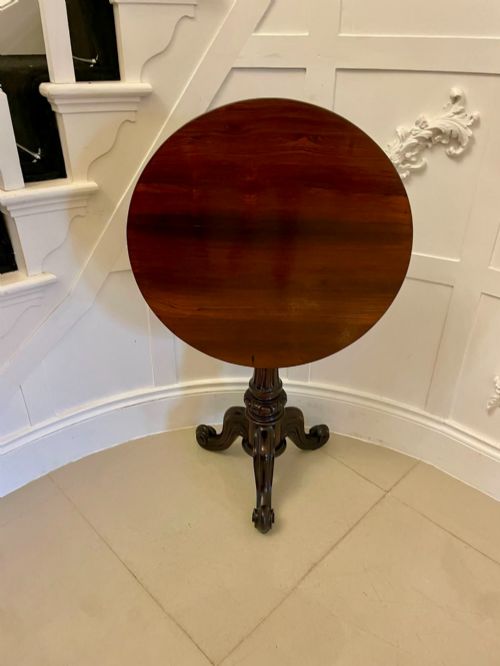
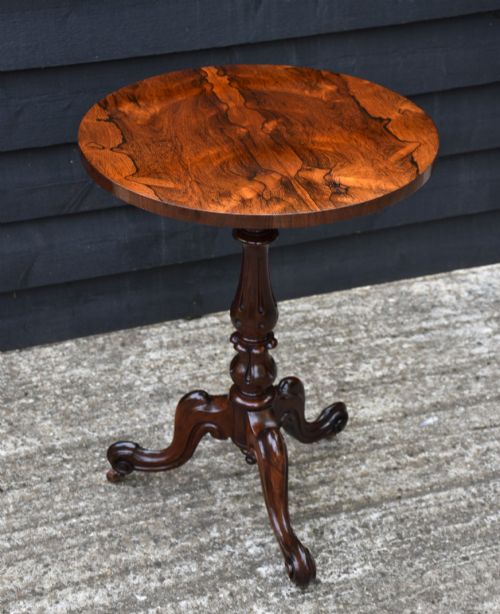
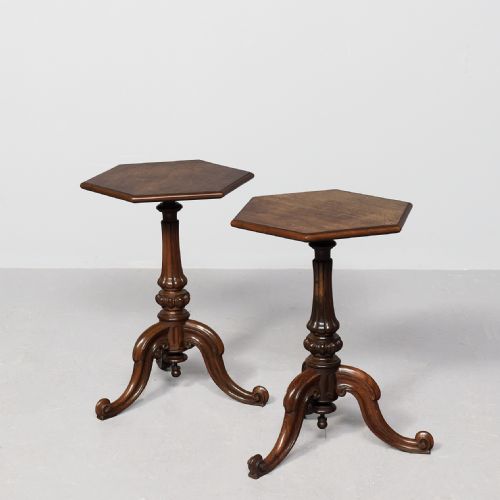
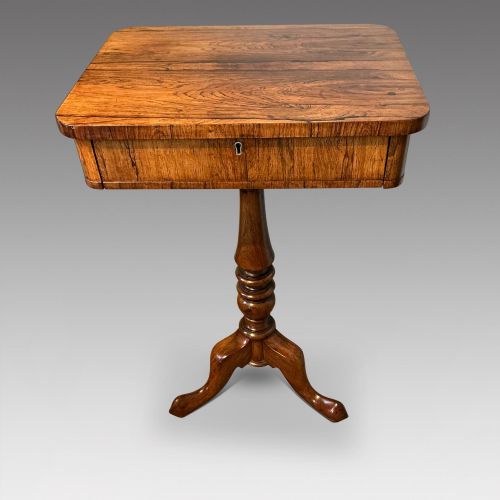
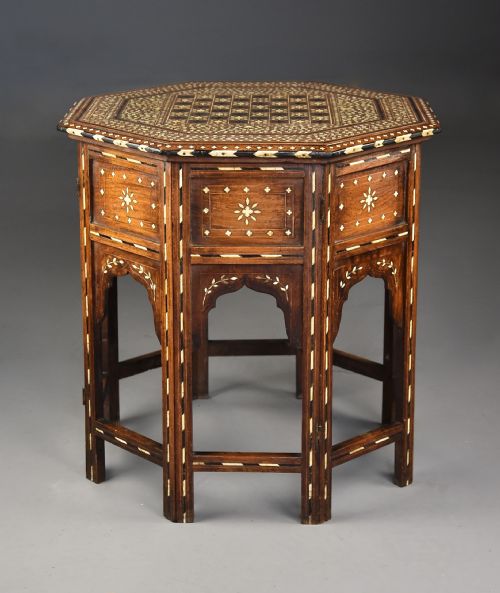
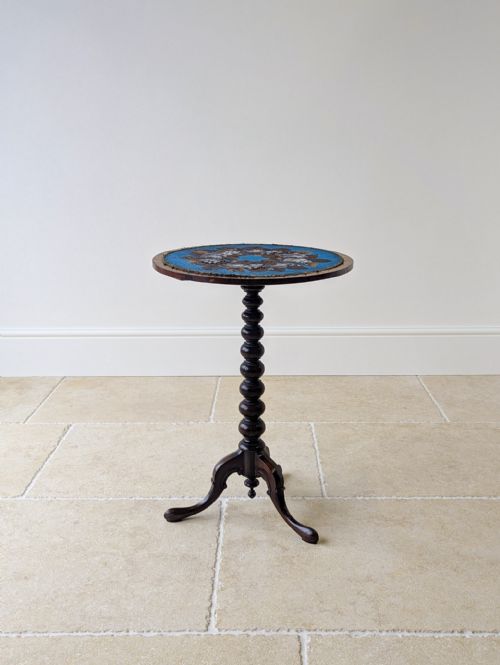
These pieces are a victorian rosewood lamp table, offering sturdy pedestals and polished timber tops suited to holding evening illumination beside a comfortable chair.
Victorian Rosewood Lamp Table
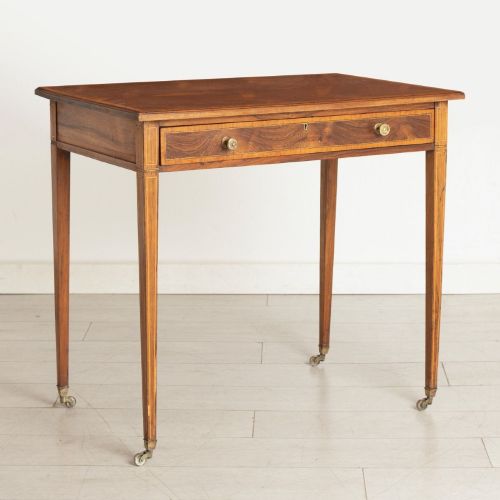
A victorian rosewood lamp table stands as a compact piece of nineteenth-century furniture designed specifically to support a light source in a principal room. These tables appear most frequently as circular or octagonal pedestal forms, though rectangular side tables and tiered versions also emerge regularly from the archive and current listings.
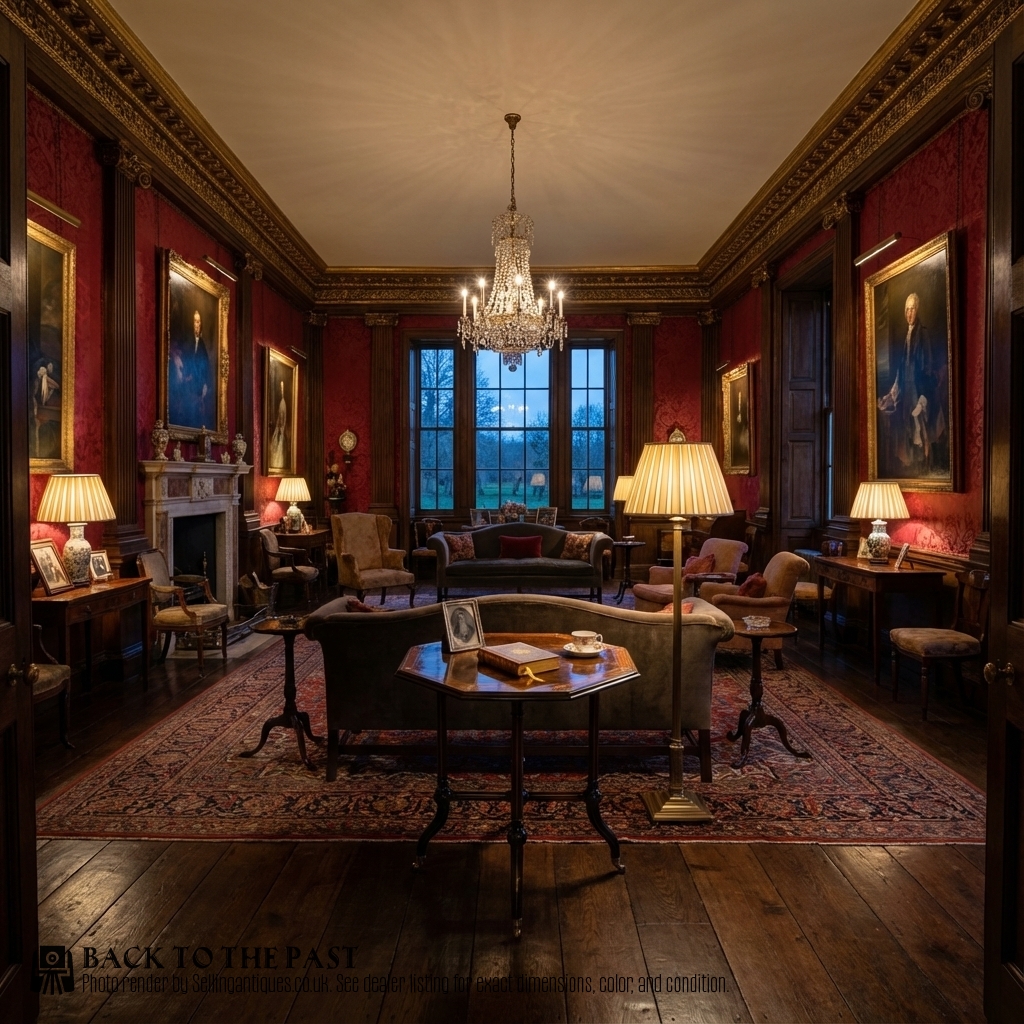
Makers of the period adapted these surfaces for multiple domestic duties, meaning many examples double as wine tables, sewing tables or occasional stands. The nineteenth-century domestic interior relied on such flexible furniture to arrange lamps beside seating areas without cluttering the floor space.
How they were made
Cabinet makers utilised dense tropical rosewood, often laid as a fine veneer over sturdy secondary hardwoods or utilised solid stock for turned pedestals and tripod legs. The natural grain of the timber provided deep reddish-brown tones that took a high polish.
Inlay work defined the more elaborate workshops, incorporating satinwood, boxwood, and various specimen woods into geometric or floral marquetry patterns across the tabletop. Brass mounts, barley twist turnings, and beadwork details added further texture and visual weight to the construction.
Several examples feature ingenious folding mechanisms designed so nineteenth-century ladies could conceal their needlework during polite afternoon visits.
What varies in quality
The distinction between standard domestic production and top-tier workshop output rests upon the crispness of the carving and the precision of the timber inlay. Master cabinet makers selected rosewood with intense grain contrast and matched their veneers symmetrically across the top.
Structural integrity also separates the grades, where heavy cast iron weights hidden inside tripod bases or robust pillar fixings ensured the table stayed firm under the heavy oil lamps of the era. Finer examples display meticulous attention to hidden secondary woods and seamless joint work.
Collinson and Lock·Gillow
The Victorian Rosewood Lamp Table Glossary
- Rosewood
- A dense, heavily figured timber valued for its dark purple-brown grain and capacity for a high gloss finish. It formed the primary exterior surface for high-status nineteenth-century occasional furniture.
- Tripod table
- A small freestanding table supported by a central pillar resting on three spreading feet. This design prevented wobbling on uneven Victorian floorboards.
- Marquetry
- Decorative patterns formed by fitting contrasting veneers into a prepared wooden ground. Cabinet makers utilised this technique to create elaborate floral or geometric tabletop scenes.
- Pedestal table
- A table supported by a single central column rather than four corner legs. This configuration maximised legroom and allowed the table to sit tightly against upholstery.
- Occasional table
- A small, movable table intended for varying uses around the principal rooms of a house. These pieces shifted easily to wherever a lamp or book was required.
Victorian Rosewood Lamp Table: Frequently Asked Questions
What is a victorian rosewood lamp table used for?
These tables served primarily to hold oil lamps or candles beside seating furniture in nineteenth-century drawing rooms and libraries. Their compact surfaces provided a stable platform for evening illumination where larger furniture could not fit.
Over time, owners also used them for sewing equipment, chess boards, or small decorative ornaments. Their portability allowed servants to shift them around the house as daily lighting needs changed.
How do I identify a victorian rosewood lamp table?
Look for the characteristic dense, dark grain of rosewood combined with nineteenth-century structural forms such as central pedestals on tripod bases or barley twist legs. Many examples feature delicate boxwood or satinwood inlay across the top surface.
Construction methods inside the pedestal and beneath the tabletop typically reveal period joinery techniques typical of the mid to late nineteenth century. The presence of traditional French polish gives the timber its characteristic deep lustre.
Can I use an antique lamp table today?
These sturdy tables adapt easily to modern interiors as bedside stands, plant holders, or side tables beside contemporary sofas. Their modest proportions make them practical for smaller rooms while adding historical character.
They provide a stable surface for modern table lamps, small sculptures, or drinks. Their robust nineteenth-century construction ensures they withstand everyday domestic use.