


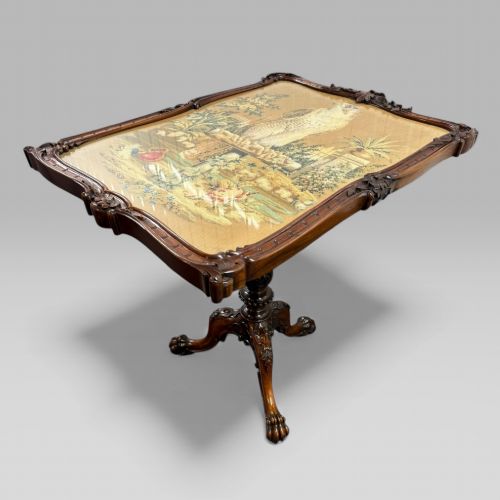
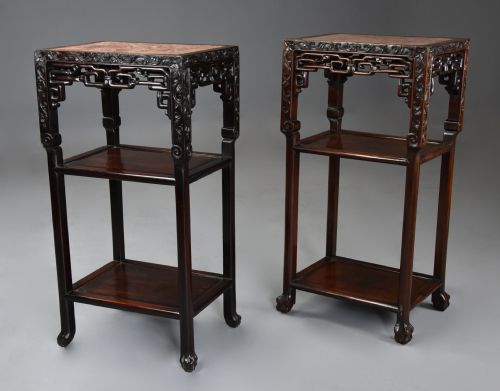
Nineteenth Century Rosewood Table
A nineteenth century rosewood table brings dense grain, deep warmth, and architectural presence into a room.
Nineteenth Century Rosewood Table
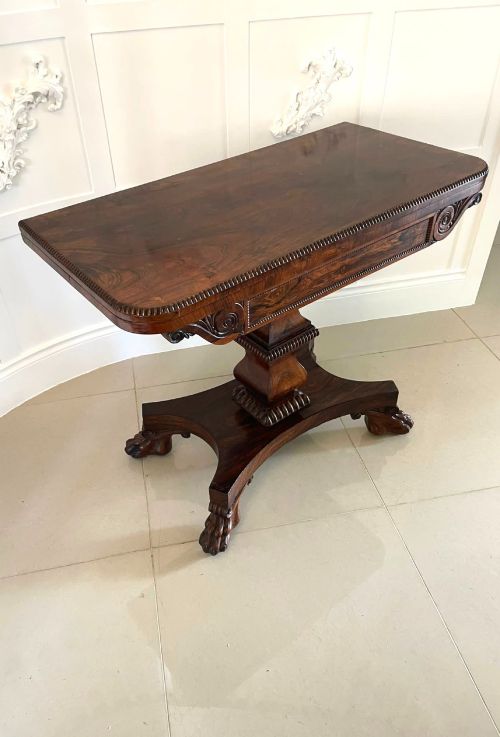
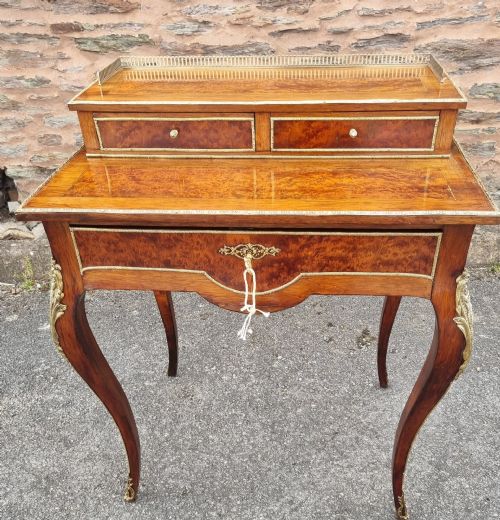
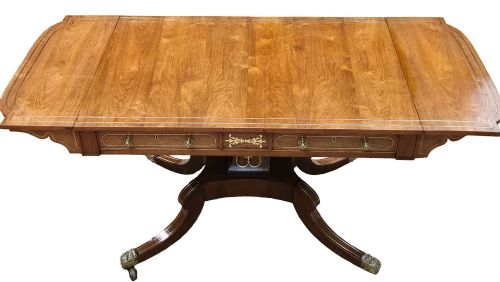
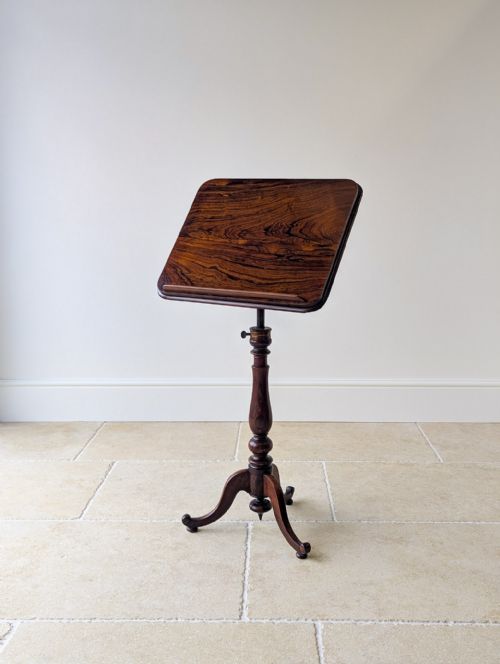
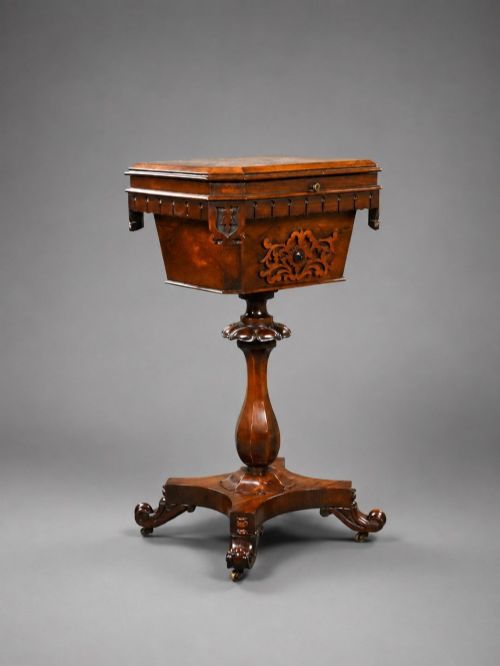
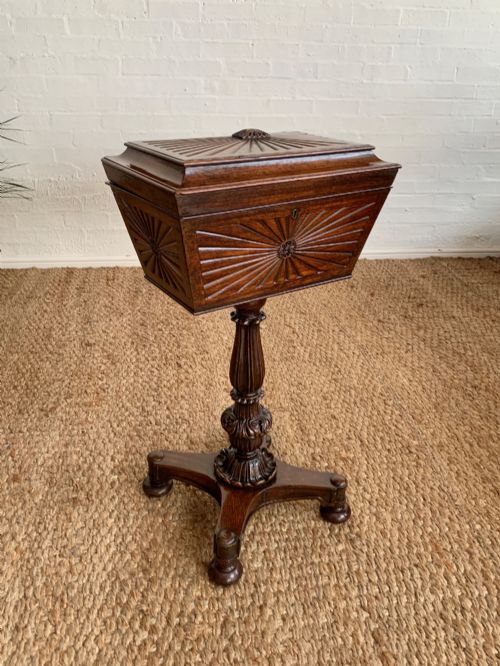
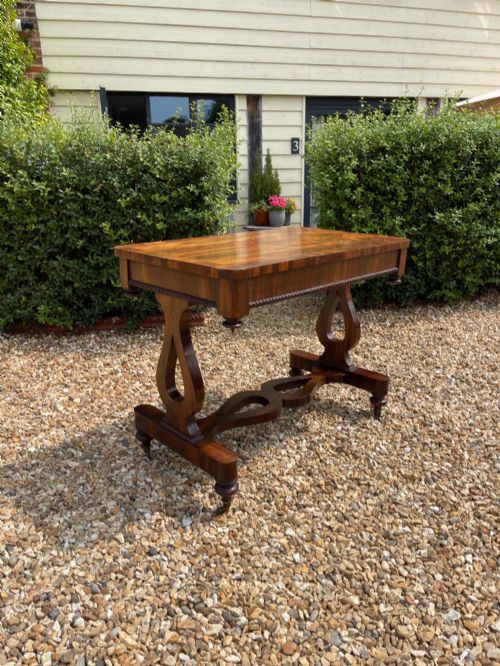
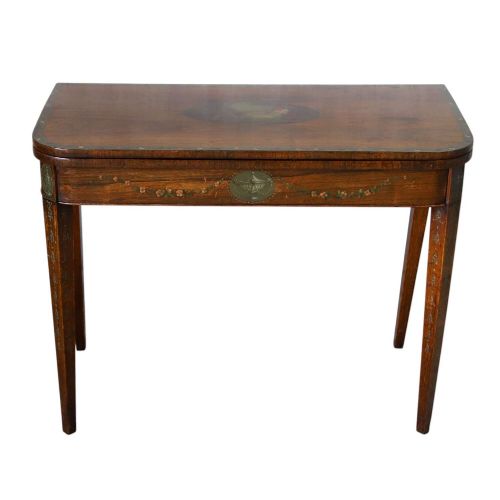
A nineteenth century rosewood table encompasses diverse practical forms from the Regency, William IV, and Victorian eras, including card tables, sofa tables, occasional pieces, and writing desks.
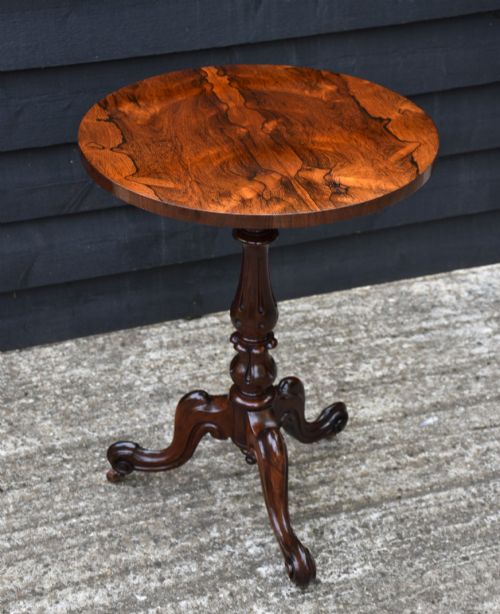
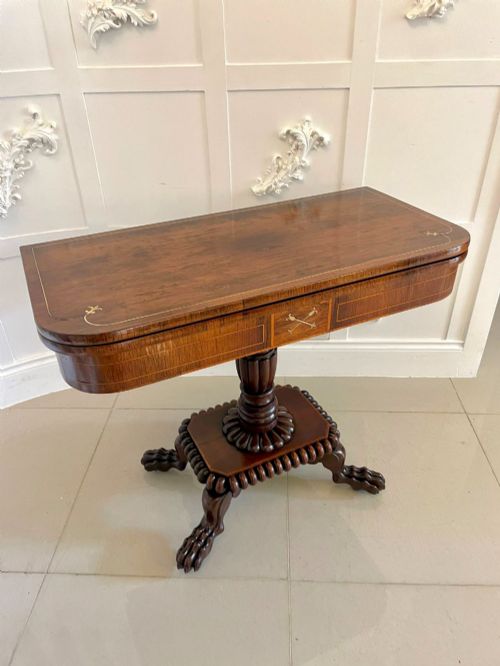
Card and game tables with folding tops and pivoting mechanisms appear frequently alongside simpler tripod wine tables and larger pedestal forms.
Makers adapted these pieces for formal drawing rooms and intimate boudoirs, utilising native timbers alongside imported hardwoods for domestic utility and display.
Materials and construction
Cabinet makers used solid rosewood and delicate veneers laid over secondary timbers, often accentuating the rich grain with contrasting brass inlay, lemon wood, and satinwood stringing.
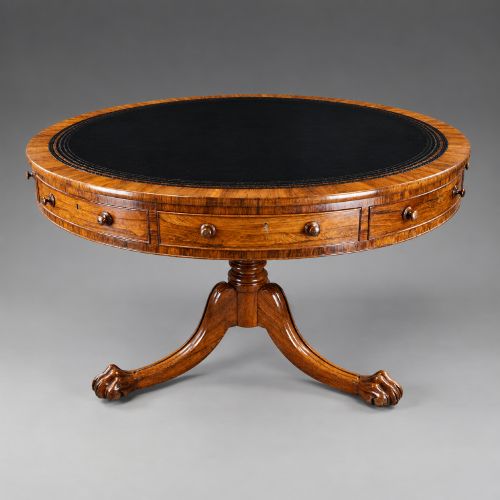
Ormolu mounts, glass components, and leather inserts added tactile contrast to the dark timber surfaces, supported by carved pedestals, dolphin bases, or barley twist legs.
Several clever nesting tables hide an integrated chess board beneath the top surface, ready for an impromptu match.
Standards of craftsmanship
The distinction between standard utility items and masterwork pieces rests upon the precision of the cabinet work, the selection of figured veneer timber, and the crispness of carved details.
Integrated mechanisms, such as those found in rotating card tables or nest tables, operate with smooth mechanical harmony in superior examples.
George Bullock·Gillows·William Trotter·James Mein
The Nineteenth Century Rosewood Table Glossary
- Crossbanding
- A border of veneer laid with the grain running perpendicular to the main surface, framing the central timber panel.
- Ormolu
- Gilded bronze mounts applied to furniture and clock cases for decorative accent.
- Card table
- A folding table designed for gaming, featuring a baize-lined surface and a pivoting or swinging rear leg to support the open leaf.
- Sofa table
- A rectangular occasional table intended to stand in front of a sofa, fitted with drop leaves and small drawers.
Nineteenth Century Rosewood Table: Frequently Asked Questions
How do I identify a Regency rosewood table?
Regency pieces often display classical architectural influences, such as brass inlay, lyre supports, and bold pedestal bases.
The timber selection tends towards heavily grained Brazilian rosewood with a dark, rich natural patina.
What is a pembroke table?
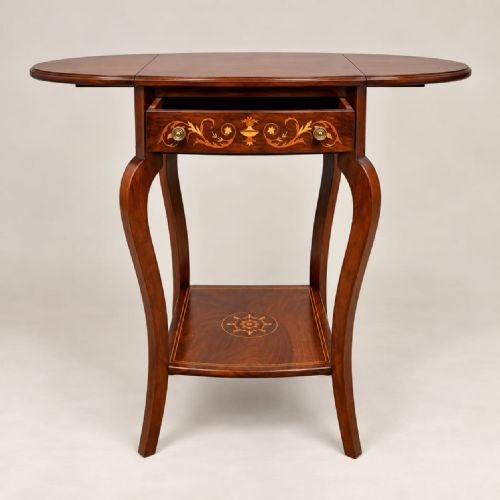
A pembroke table is a small occasional table with hinged drop leaves on two opposing sides.
Cabinet makers designed them for flexibility, allowing the surface to expand or contract according to the room.
How should I care for rosewood furniture?
Rosewood benefits from stable indoor humidity and protection from direct sunlight to prevent the timber and veneer from drying out.
A light application of traditional beeswax maintains the lustre without building up heavy chemical residue.
Did Victorian tables differ from Georgian ones?
Victorian examples frequently display heavier proportions and revival styles, including French rococo details and barley twist turnings.
Georgian and early nineteenth century pieces typically favour cleaner lines and restrained classical ornament.