


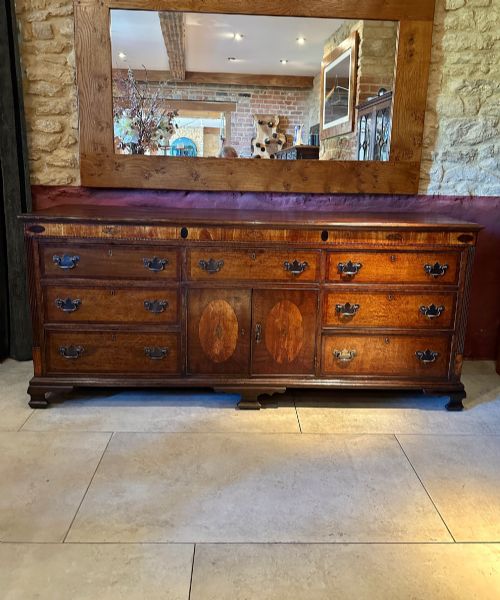
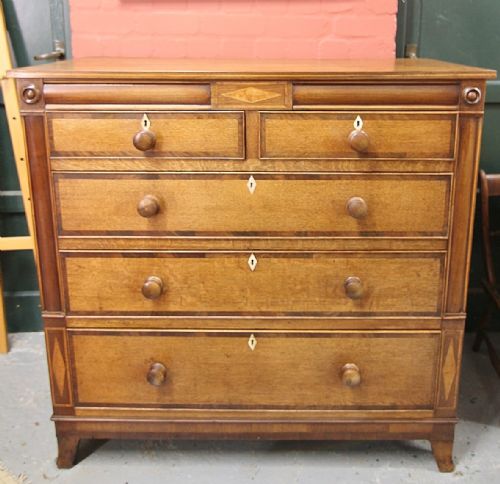
Inlaid Oak Dresser
An inlaid oak dresser brings together sturdy provincial timber and decorative surface work, offering both practical storage and deep historical character for the home.
Inlaid Oak Dresser
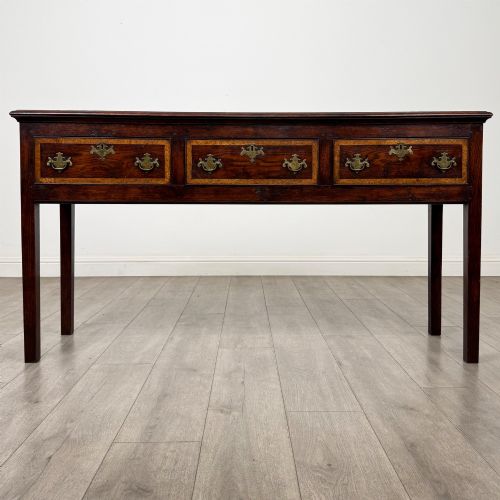
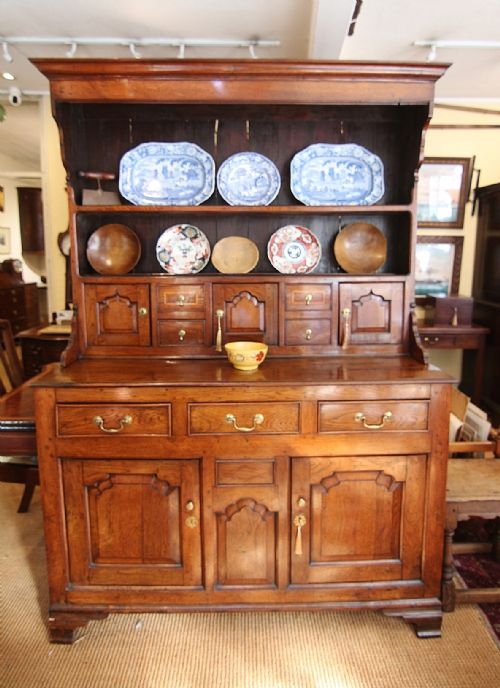
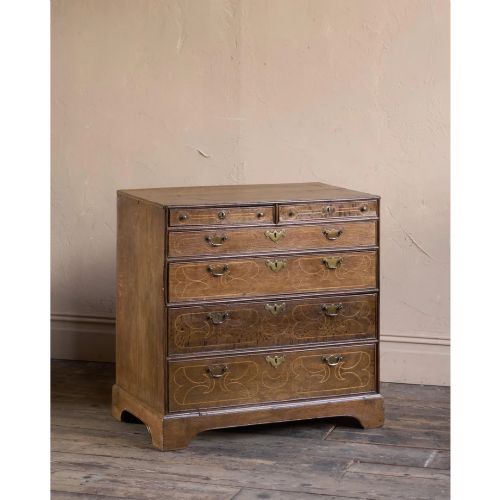
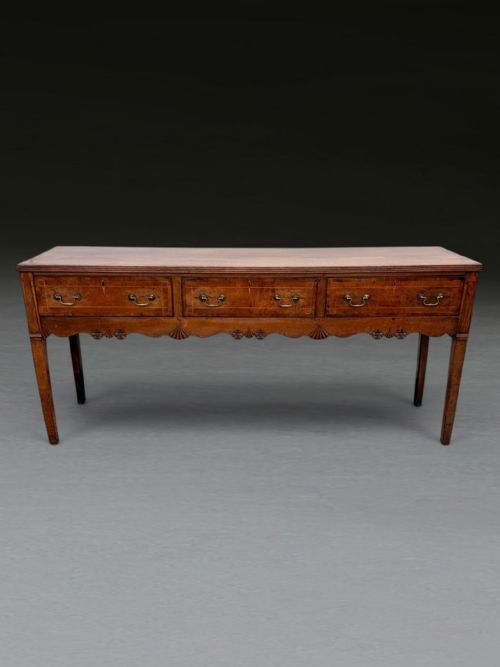
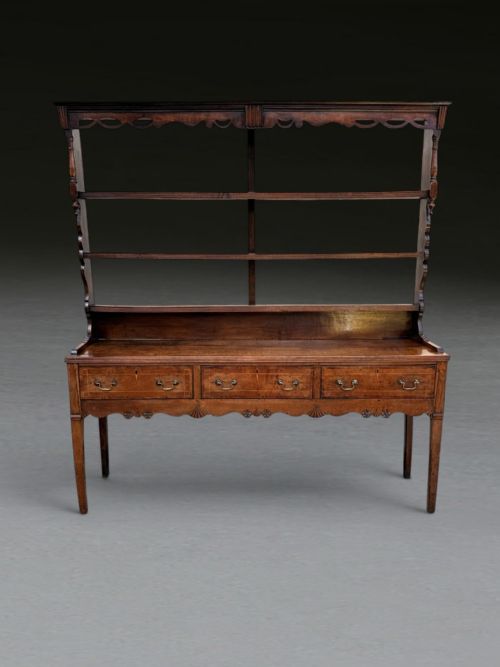
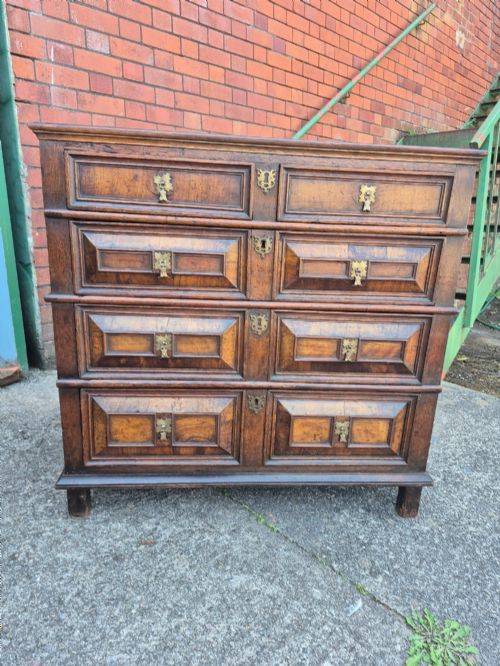
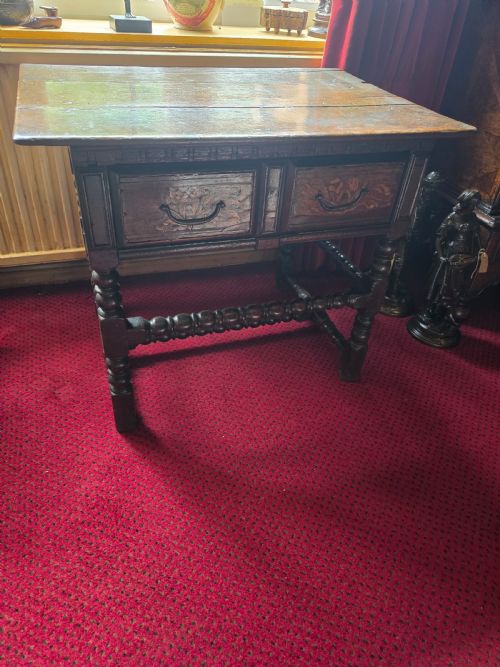
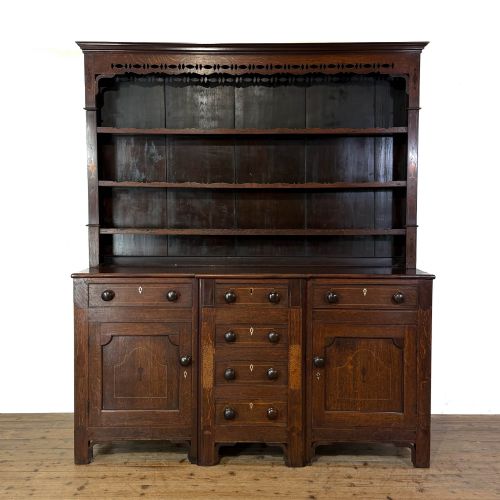
When you search for an inlaid oak dresser, you encounter heavy timber furniture designed for domestic storage and display, spanning centuries of regional craftsmanship. The most common versions on this page are Welsh dressers featuring plate racks, sturdy dresser bases, and related forms like chests of drawers with decorative detailing.
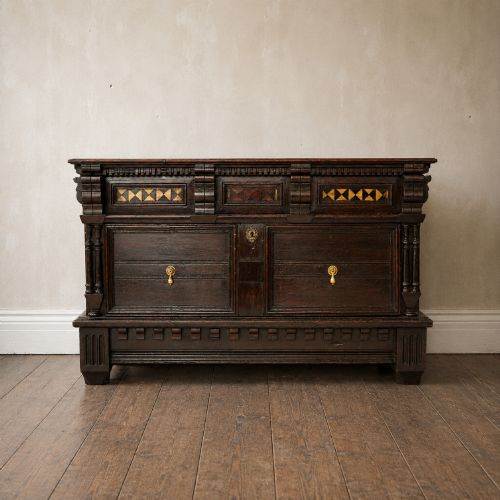
The pieces emerge from diverse eras including the seventeenth century, the Georgian period, and the Edwardian era, showing regional variations from Wales, Lancashire, and beyond. These items often incorporate subsidiary materials such as mahogany, walnut, and fruitwood alongside the primary oak construction.
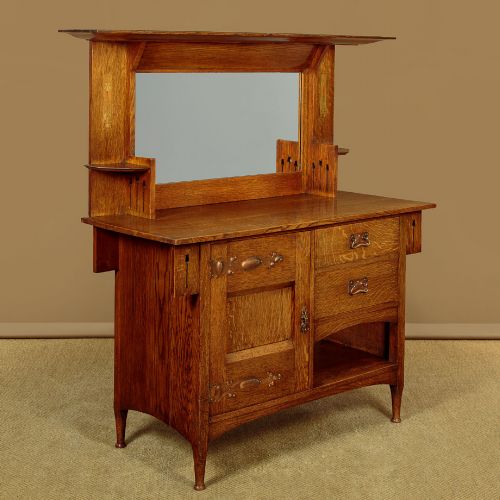
Makers utilised various regional styles ranging from Jacobean and William and Mary to Arts and Crafts designs. Whether finding a potboard base or a high dresser with intricate banding, the category balances utilitarian origins with refined surface ornamentation.
Materials and Construction
The primary structural material is solid oak, frequently paired with secondary woods like walnut, mahogany, fruitwood, and burr elm for contrast. Cabinet makers built these pieces using traditional joinery methods suited to heavy provincial timber.
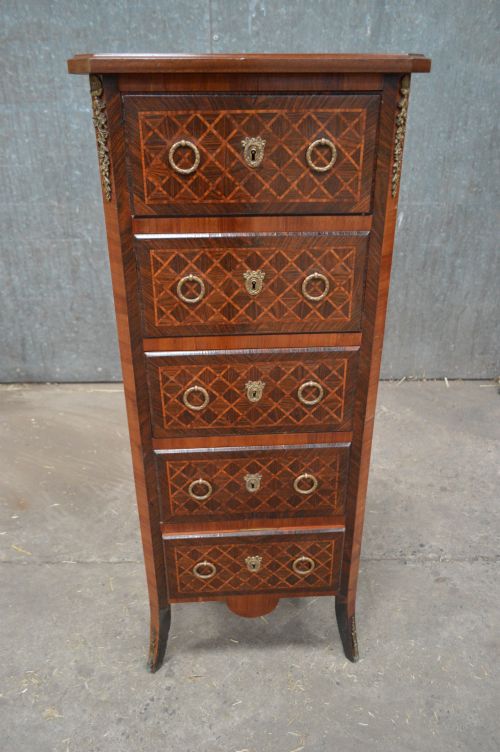
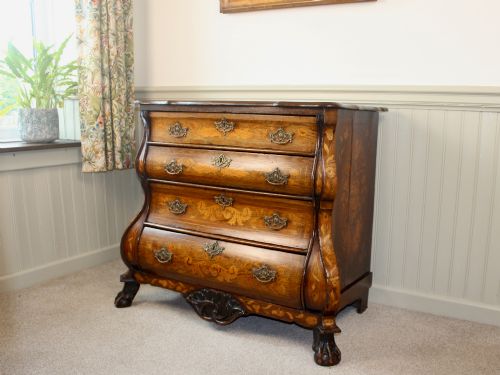
Decorative surfaces rely on various techniques including wood inlay, marquetry, parquetry, and oyster veneering. Craftsmen added visual depth by incorporating boxwood, ebony, and snakewood banding into the primary oak panels.
Inlaid Oak Dresser Retail Price Guide 2026
Typical asking prices for inlaid oak dresser among the pieces listed under this phrase on Sellingantiques today, from the lower quarter to the upper quarter. They describe what is for sale here now, not the wider market.
Listings feature oak combined with mahogany, walnut, fruitwood, and specialised techniques like oyster veneering and marquetry inlay.
Assessing Quality
Quality rests in the precision of the cabinet work and the ambition of the decorative inlay. Master craftsmen integrated contrasting woods like fruitwood and ebony with tight, clean joints that resisted the natural movement of heavy oak.
The sophistication of the surface decoration separates standard provincial work from exceptional examples. Pieces featuring complex geometric patterns, pictorial marquetry, or balanced proportions demonstrate superior workshop execution.
Shapland and Petter
The Inlaid Oak Dresser Glossary
- Dresser base
- The lower section of a dresser featuring drawers and cupboards, often lacking the upper plate rack. These served as primary kitchen and dining room storage units.
- Potboard
- An open slatted lower shelf built into early dressers to hold heavy ceramic or metal cookware. This open tier sits just above the floor.
- Oyster veneer
- Slices cut transversely from small branches to create circular or ovoid patterns resembling oyster shells. Cabinet makers arranged these to cover primary drawer fronts.
- Marquetry
- Elaborate pictorial or geometric patterns assembled from thin veneers of various coloured woods. Craftsmen glued these onto the structural oak surfaces.
Inlaid Oak Dresser: Frequently Asked Questions
What is a Welsh dresser?
A Welsh dresser combines a lower storage base of drawers and cupboards with an upper plate rack for displaying ceramic tableware.
These pieces served as the central storage and display units in traditional rural kitchens.
How do I identify seventeenth century oak furniture?
Seventeenth century pieces often display deep mouldings, geometric paneling, and heavy structural timber such as oak and walnut.
Makers of this era relied on pegged joinery and hand-carved details rather than mass-produced hardware.
Where were regional dressers made?
Regional pieces originated in distinct areas like North Wales, Lancashire, Shropshire, and Anglesey, each developing local construction traits.
Local timber availability and specific domestic customs shaped the proportions and layout of these provincial items.
How should I care for an antique oak surface?
Antique oak benefits from occasional applications of traditional beeswax to nourish the dry timber and protect the inlaid sections.
Keep these wooden items away from direct heat sources and sudden humidity changes to prevent timber splitting.