
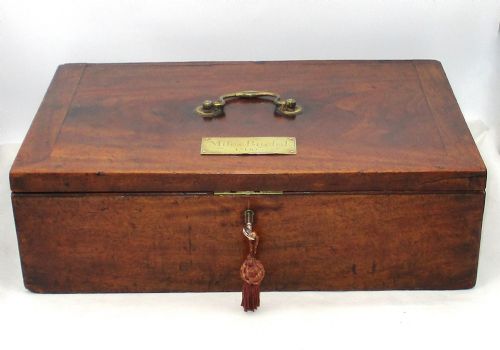
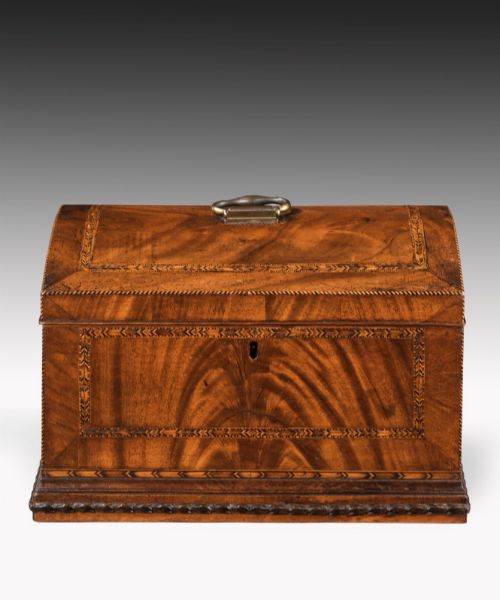
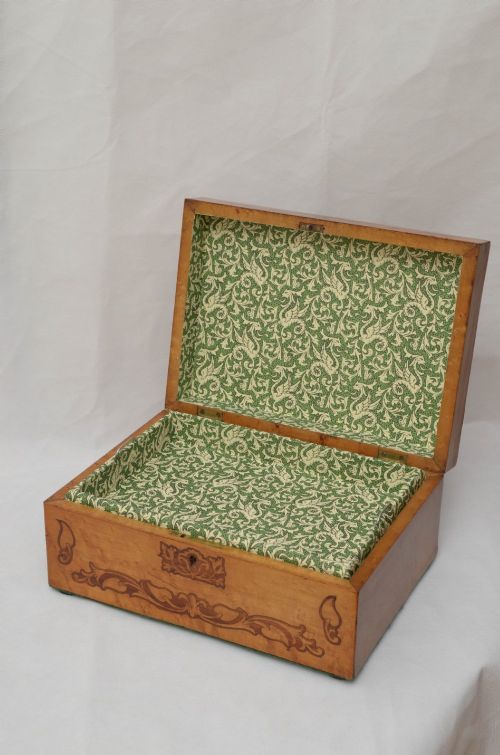
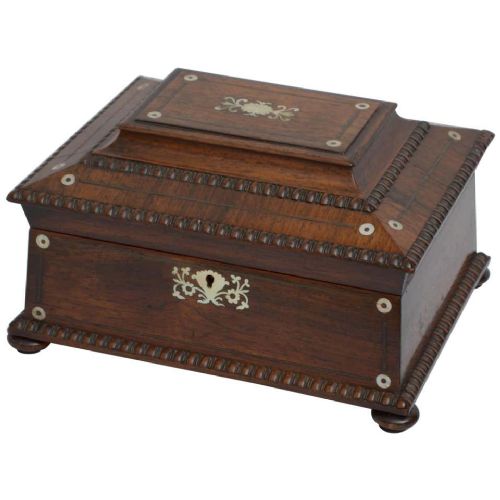

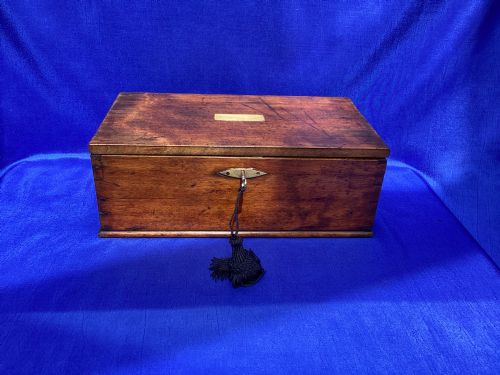

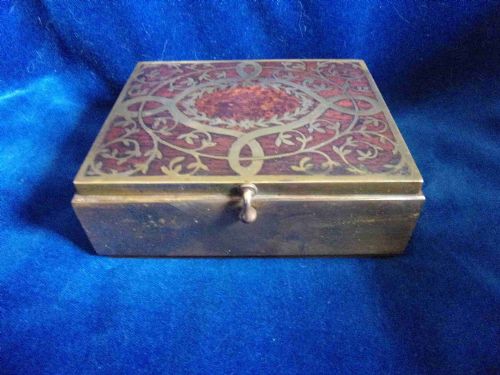
Inlaid Keepsake Box
An inlaid keepsake box brings together precise woodcraft and personal treasure, offering a small, decorative receptacle shaped by Georgian, Regency, and Victorian hands.
Inlaid Keepsake Box
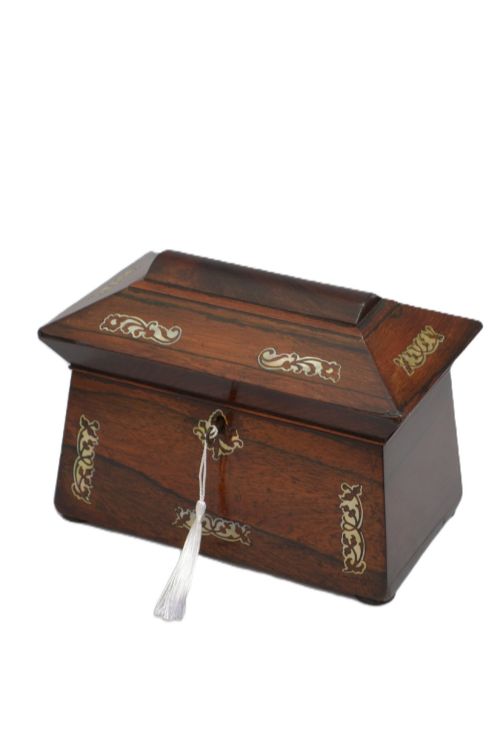
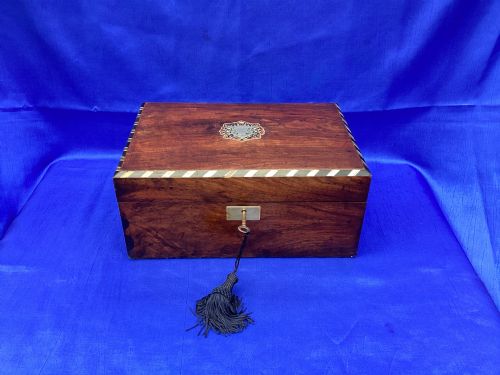
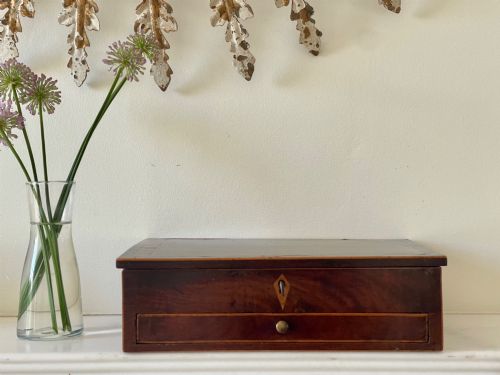
An inlaid keepsake box serves as a secure vessel for small valuables, letters, and personal items. These pieces appear most frequently in Victorian and Georgian incarnations, constructed from dense hardwoods like rosewood, mahogany, and walnut.
Makers shaped these containers into document boxes, jewellery cases, and trinket caskets. The forms range from simple domed rectangles to elaborate fitted cabinets with internal mirrors and lift-out trays.
Geographical origins span English workshops, French ateliers, and Italian centres such as Sorrento. Each region applied distinct decorative motifs, utilising contrasting timbers and shell to define the surface.
Materials and Construction
Carpenters built the primary carcase using solid woods or applied veneers over secondary timbers. Rosewood, mahogany, and burr walnut provided stable, highly figured surfaces suited to receiving decorative ornament.
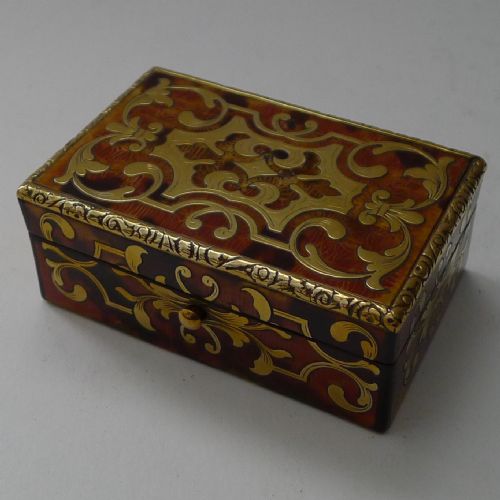
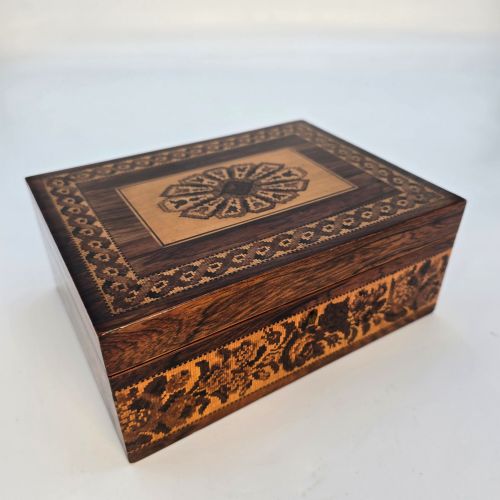
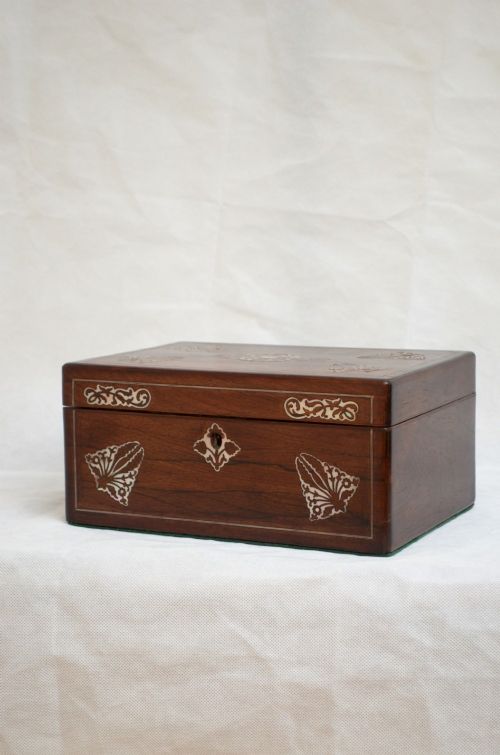
Craftsmen integrated contrasting materials directly into the wood surfaces using techniques like marquetry, parquetry, and Tunbridge ware mosaic. Boxwood, tulipwood, brass, and mother-of-pearl formed geometric patterns and pictorial scenes.
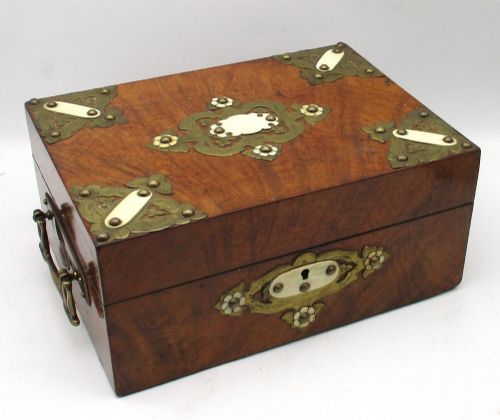
Surface details often included brass banding, corner mounts, and escutcheons secured around working locks. Interiors frequently featured hand-fitted compartments lined in velvet, silk, or leather.
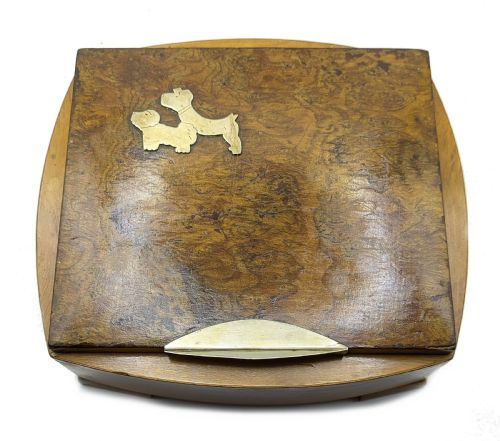
Periods represented in the compiled evidence range from the mid-eighteenth century through the Georgian, Regency, and Victorian eras into Art Deco.
Assessing Quality and Execution
The standard of an inlaid keepsake box rests on the precision of the surface decoration and the selection of the timber. Finely figured grains and tightly fitted mosaic work indicate superior workshop execution.
Internal completeness and structural integrity distinguish finer examples from standard production pieces. Retained fitted trays, original velvet linings, and working locks with matching keys elevate the standing of a box.
Edmund Nye·Holtzapffel and Co·Henry Hollamby·Erhard and Sohne
The Inlaid Keepsake Box Glossary
- Marquetry
- The art of applying pieces of veneer to a structural carcase to form decorative pictorial designs. This technique frequently employs various dyed and natural woods.
- Parquetry
- A geometric mosaic of wood pieces used to cover floors and box lids. It relies on repeating angular shapes like squares, triangles, and diamonds.
- Tunbridge Ware
- A form of woodwork originating in Kent involving tiny mosaic tiles made from multiple natural timbers. These pieces assemble into intricate geometric or pictorial motifs.
- Boulle
- A method of marquetry using brass and tortoiseshell inlaid in contrasting patterns. Named after a French cabinetmaker, it appears on nineteenth-century luxury items.
- Escutcheon
- A flat plate surrounding a keyhole designed to protect the surrounding wood from wear. They are commonly fashioned from brass or mother-of-pearl.
Inlaid Keepsake Box: Frequently Asked Questions
What were inlaid keepsake boxes used for originally?
These boxes functioned primarily to store precious personal items, letters, and jewellery. Owners placed them on dressing tables, writing desks, and parlour cabinets.
Their secure locks ensured that private documents and small valuables remained protected from casual viewing. They served both a utilitarian storage purpose and a decorative role in period domestic spaces.
How do I care for a wood and mother of pearl box?
Keep wooden boxes away from direct sunlight and extreme fluctuations in central heating or humidity. This prevents the timber and the delicate veneer from warping or cracking.
Apply a minimal amount of appropriate microcrystalline wax occasionally to nourish the polished wood surface. Avoid using liquid cleaners on mother-of-pearl or inlaid sections.
How can I tell a Victorian box from a Georgian one?
Georgian boxes generally exhibit restrained, classical proportions with dense, heavy mahogany or flame veneers. Their decorative schemes tend to rely on simple brass banding or subtle stringing.
Victorian pieces frequently display more exuberant decoration, including burr walnut, elaborate Tunbridge ware, and mother-of-pearl inlay. They often incorporate complex internal lifting trays and fitted compartments.
Are keys usually included with antique boxes?
Original keys are uncommon because centuries of domestic use frequently led to their separation from the locks. Many boxes therefore survive with inactive locks.
Specialist suppliers can sometimes provide replacement keys or adjust internal mechanisms if the lock requires functional operation. The absence of a key is standard for antique pieces of this age.