


Georgian Shell Caddy
A georgian shell caddy brings together the finest cabinet-making and silverware of the late eighteenth and early nineteenth centuries to hold precious tea leaves.
Georgian Shell Caddy
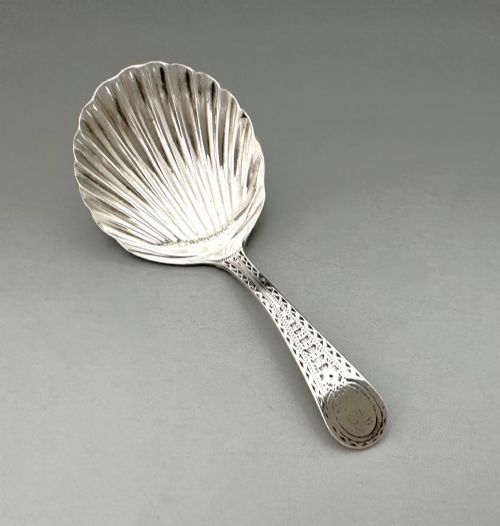
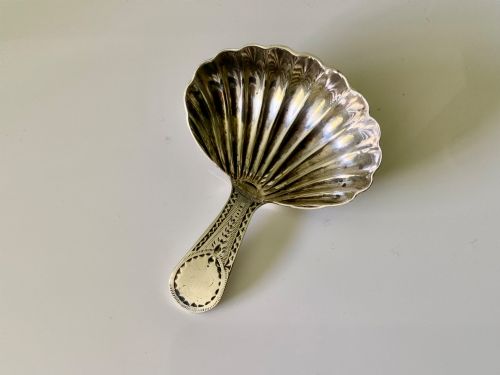
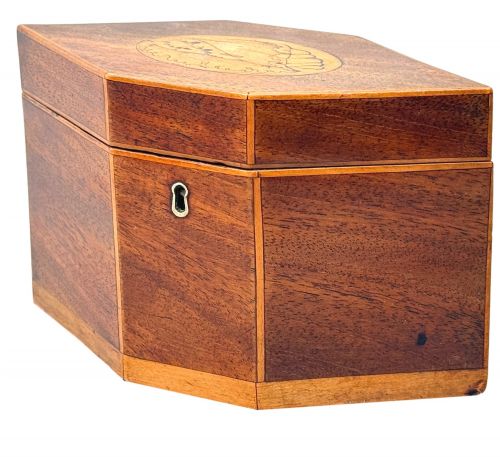
When you search for a georgian shell caddy, you are looking at two distinct domestic forms: wooden tea containers decorated with marquetry shell motifs and silver spoons fashioned directly into the shape of scallop shells. These pieces emerge predominantly from the Georgian and Regency periods, drawing together the refined social rituals of tea-drinking and the meticulous craft of the period workshop.
These items served a practical yet prestigious function in period households, where tea was a luxury stored under lock and key. The survival of both wooden caddies and silver spoons shows how deeply integrated shell motifs were in domestic design throughout the eighteenth and nineteenth centuries.
How they were made
Makers constructed wooden tea caddies using dense timbers like mahogany and rosewood, or veneered surfaces in satinwood, applying intricate marquetry to form the signature shell inlays. Tortoiseshell examples required skilled manipulation of natural material over a metal or wood core, frequently trimmed with brass or silver mounts.
Silver caddy spoons were produced through hammering, casting, and hand-engraving, shaping sterling silver into convincing shell bowls. Goldsmiths utilised hallmarking to stamp their pieces with assay office marks, dates, and maker initials, ensuring a record of origin.
Tea was once so valuable that caddies came with tiny locks so the housekeeper held the key, preventing the staff from dipping into the stash.
What varies in quality
The standard of a georgian shell caddy rests heavily on the precision of its marquetry and the preservation of its timber. Crisp, well-defined shell inlays set flush into contrasting woods show superior cabinet-making compared to simpler painted or poorly fitted designs.
In silver spoons, quality is judged by the depth of the shell stamping, the legibility of the hallmarks, and the crispness of the engraved handle details. Pieces attributed to recorded silversmiths retain stronger interest among collectors due to documented provenance.
John Lambe·P and A Bateman·George Smith III and William Fearn
The Georgian Shell Caddy Glossary
- Caddy spoon
- A small spoon specifically designed for measuring loose tea leaves into a teapot. These often feature shell-shaped bowls and engraved handles.
- Marquetry
- Decorative inlay work where small pieces of wood, shell, or bone are fitted into a veneer to form geometric or pictorial patterns.
- Tortoiseshell
- A mottled brown and amber material sourced from the shell of certain turtle species, widely used for veneering boxes and tea caddies during the Georgian period.
- Hallmark
- An official stamp applied to silver items indicating the metal purity, the assay office, and the year of manufacture.
- Satinwood
- A durable, yellowish timber prized for its smooth grain and glossy sheen, frequently used as a background veneer for shell inlays.
Georgian Shell Caddy: Frequently Asked Questions
What is a georgian shell caddy used for?
These boxes and spoons were essential components of the tea service, used to store and measure valuable tea leaves when tea was an expensive commodity.
Wooden caddies kept the leaves dry and secure, often featuring internal compartments and locks, while the small shell spoons transferred precise amounts into the pot.
How do I identify a Georgian piece?
Dating relies on stylistic clues such as timber choice, inlay techniques, and specific cabinet shapes typical of the eighteenth and early nineteenth centuries.
Silver examples carry clear hallmarks detailing the assay year and silversmith's mark, providing an exact date of production.
Are tortoiseshell caddies authentic?
Period tortoiseshell pieces from the eighteenth and nineteenth centuries utilise genuine natural shell applied over a wooden or metal foundation.
They frequently feature delicate silver mounts and brass feet, reflecting the high status of the materials at the time.
How should I care for wooden caddies?
Wood and tortoiseshell require stable indoor humidity away from direct sunlight to prevent warping, shrinking, or lifting of the delicate shell inlays.
Occasional light dusting with a dry cloth keeps the polished surface in good condition without damaging historic finishes.