



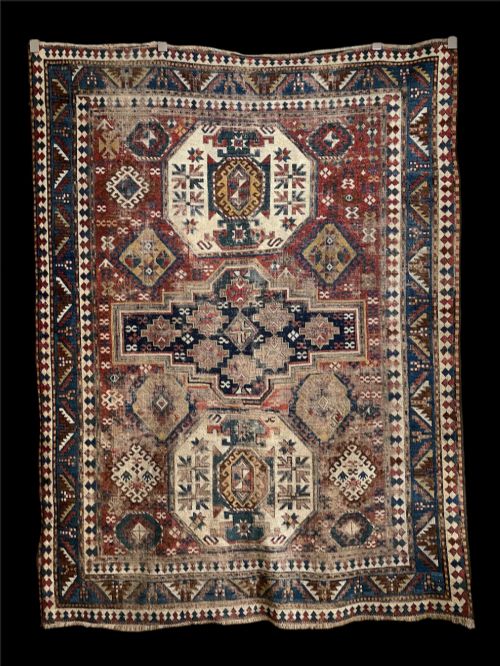


Indigo Caucasian Rug
An indigo caucasian rug brings deep blue dye and geometric tribal patterns straight to the floor.
Indigo Caucasian Rug
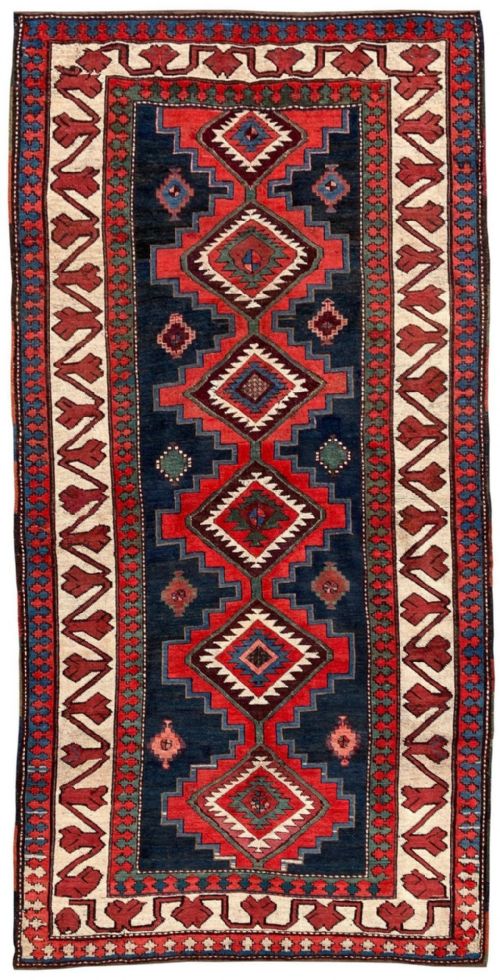
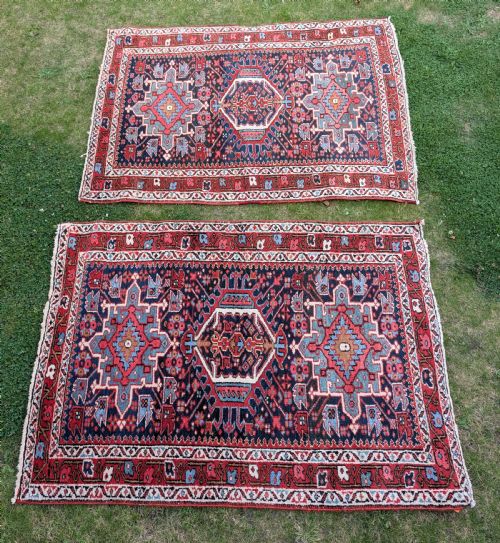
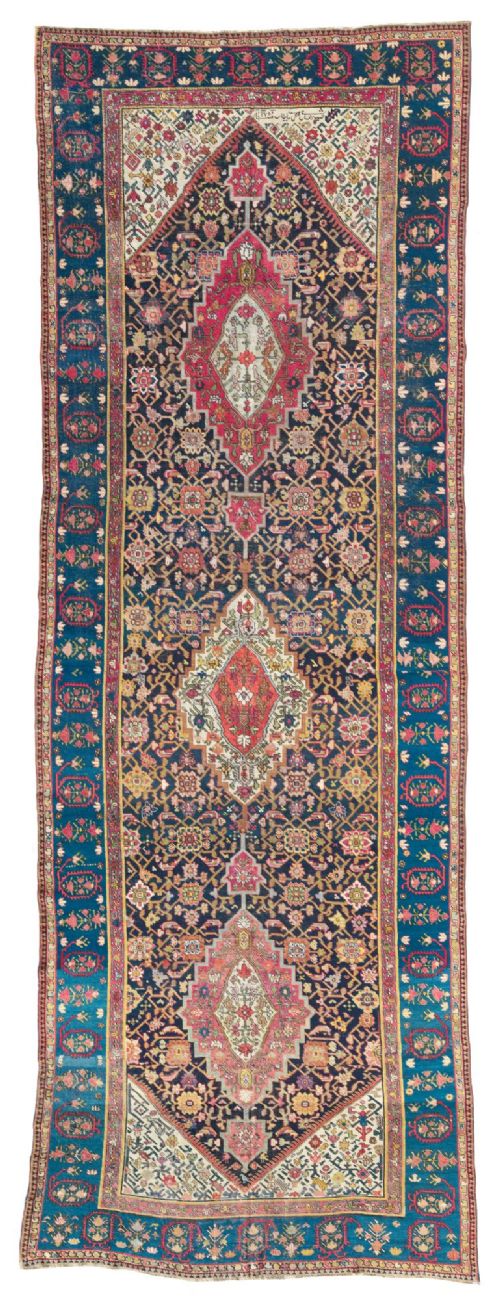
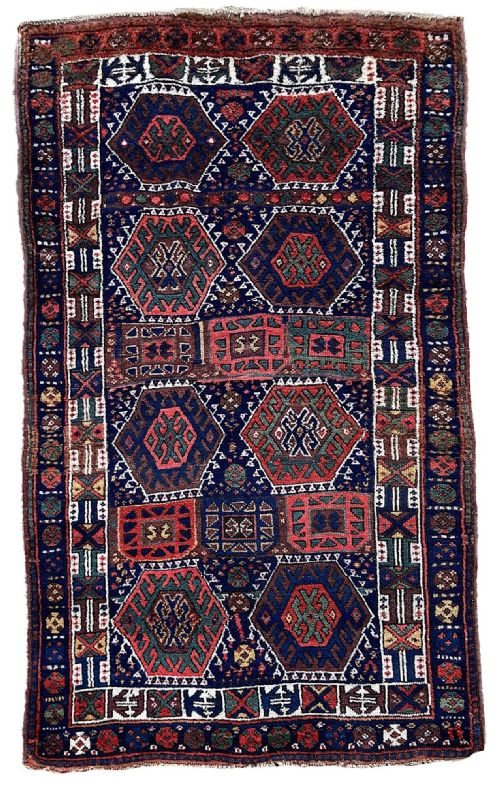
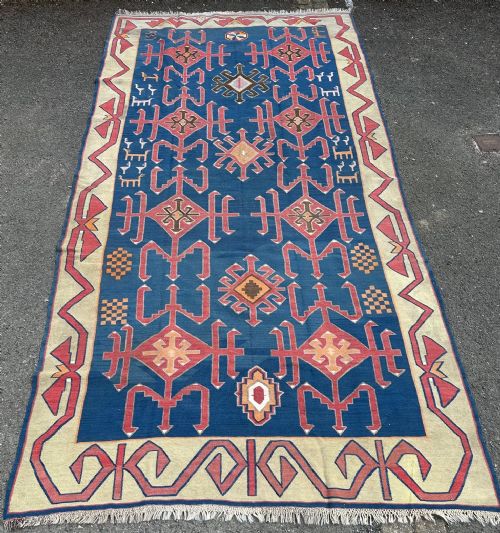
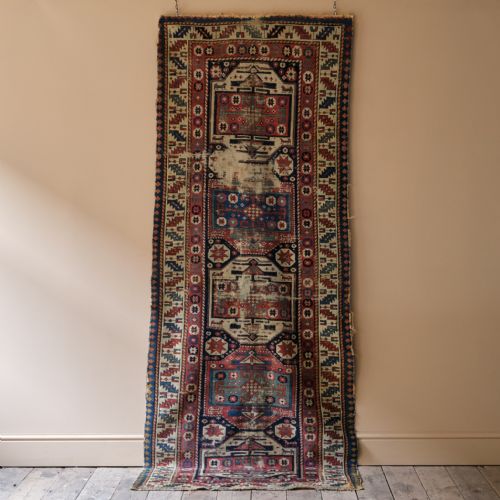
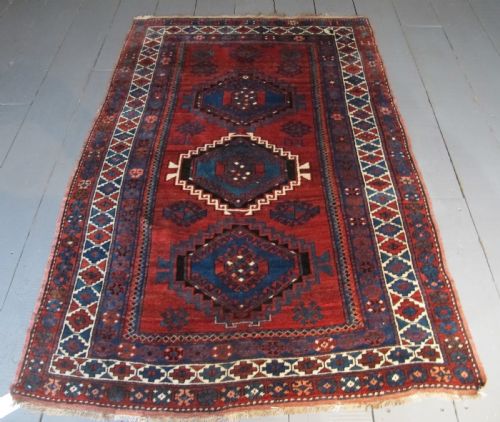
An indigo caucasian rug encompasses traditional woven textiles originating from the Caucasus region, featuring distinct geometric designs and deep blue hues. Buyers searching for an indigo caucasian rug will encounter various formats ranging from small scatter formats and runner rugs to larger carpets and kilim flat-weaves.
The selection includes specific regional styles such as Kazak, Karabagh, Talish, Gendje, Derbent, and Shirvan pieces alongside Kurdish and Persian tribal variants. Most examples span the nineteenth century through the early twentieth century, reflecting traditional weaving heritage.
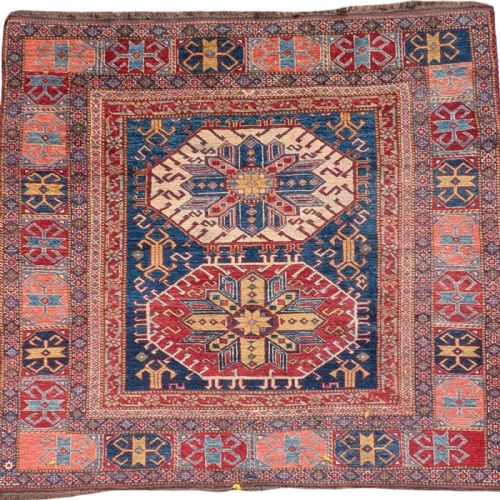
Makers utilised characteristic formats like bag faces, long rugs, and prayer rugs, often incorporating repeat medallions, Lezghi stars, or Gymyl medallion designs. These hand-knotted and flat-woven pieces present rich regional character through varied tribal motifs.
Materials and construction
Weavers constructed these rugs predominantly using wool for the pile and foundation, supported by cotton elements in various pieces. Natural dyes provided the rich palette, yielding deep indigo blues alongside contrasting earth tones.
Production methods involved traditional hand-knotting techniques as well as flat-weaving methods seen in kilims and mafrash panels. Artisans worked within specific tribal traditions across the Caucasus and neighbouring regions to create durable textile art.
Indigo Caucasian Rug Retail Price Guide 2026
Typical asking prices for indigo caucasian rug among the pieces listed under this phrase on Sellingantiques today, from the lower quarter to the upper quarter. They describe what is for sale here now, not the wider market.
Several nomadic storage boxes found a second life as modern kilims.
Assessing quality and character
Quality in these textiles rests upon the saturation and depth of the natural dyes, particularly the richness of the indigo ground. Clarity of the geometric motifs and precision in tribal design execution also distinguish finer examples.
The integrity of the wool pile, the tightness of the weave, and the preservation of original edges and formatting contribute significantly to the overall standing of each piece.
The Indigo Caucasian Rug Glossary
- Kilim
- A flat-woven textile produced without a pile, often utilised as a rug or created from repurposed storage bag panels. These pieces offer lighter floor coverings with sharp geometric patterns.
- Kazak
- A prominent style of rugs originating from the western Caucasus, known for bold geometric medallions and primary colour palettes. They represent some of the most sought-after tribal weaving.
- Talish
- A specific style of long rug characterised by a narrow format and a prominent open field, frequently featuring a blue ground and characteristic border designs. They hail from the Talish region near the Caspian Sea.
- Mafrash
- A storage bag or bedding chest panel used by nomadic tribes, which is occasionally disassembled and sewn into flat-weave kilims. These panels display intricate tribal iconography.
- Medallion
- A central ornamental design motif placed within the field of the rug, often repeated or styled with geometric angles. These forms anchor the composition of caucasian and tribal weaving.
Indigo Caucasian Rug: Frequently Asked Questions
What is an indigo caucasian rug?
An indigo caucasian rug is a hand-knotted or flat-woven tribal textile from the Caucasus region featuring deep blue natural dye and geometric patterns.
These pieces include styles like Kazak, Talish, and Shirvan, dating from the nineteenth and early twentieth centuries.
How do I place a runner in a hallway?
Runner rugs suit narrow spaces such as corridors, entryways, and gallery landings where long linear designs draw the eye.
Ensure adequate clearance for doors to open freely over the wool pile.
How do I care for antique wool rugs?
Vacuum gently without a beater bar and keep the textile away from direct, prolonged sunlight to protect the natural dyes.
Professional specialist cleaning is recommended for antique wool and cotton pieces.
How are different regional styles told apart?
Regional types are distinguished by specific medallion layouts, border arrangements, and proportions, such as the narrow field of a Talish or the bold geometry of a Kazak.
Palettes and weaving structures also offer clues to the specific caucasian or tribal origin.