


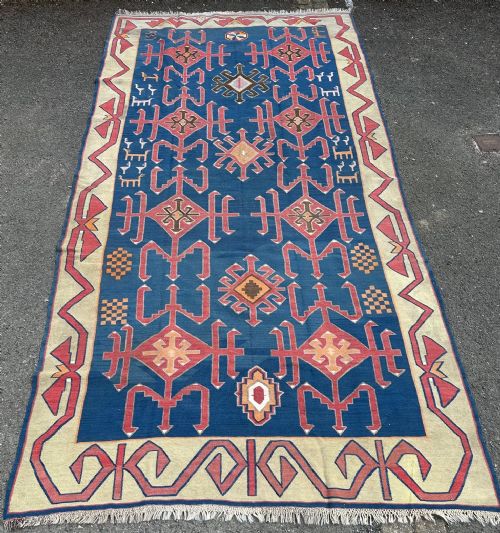
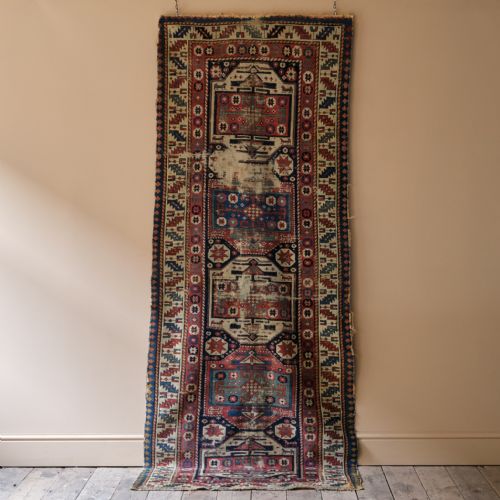
Indigo Blue Wool Carpet
An indigo blue wool carpet brings depth and enduring tribal character to a room through rich natural dyes and dense weave structures.
Indigo Blue Wool Carpet
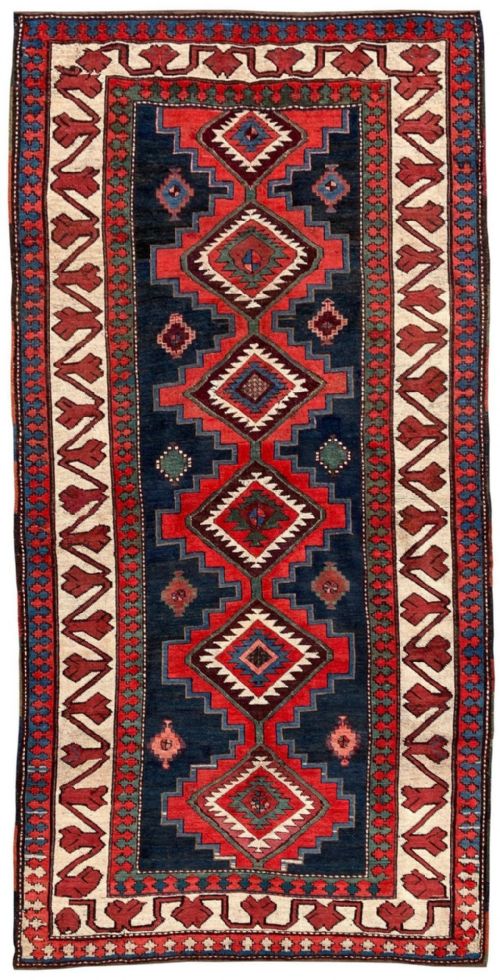
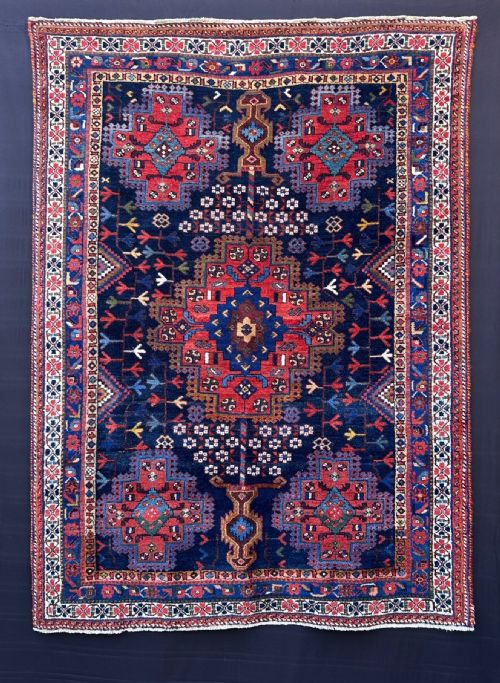
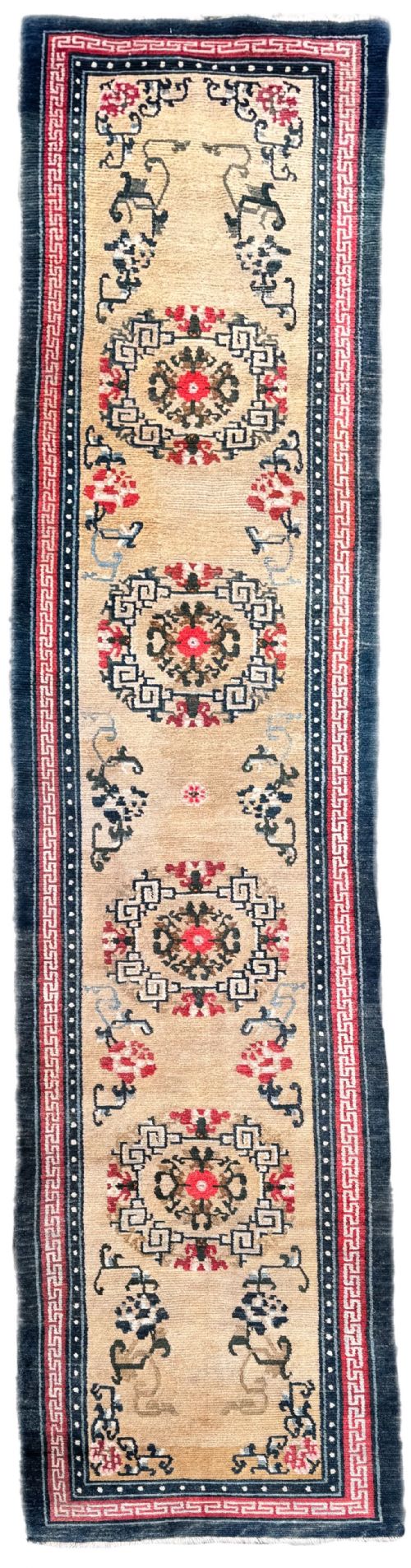
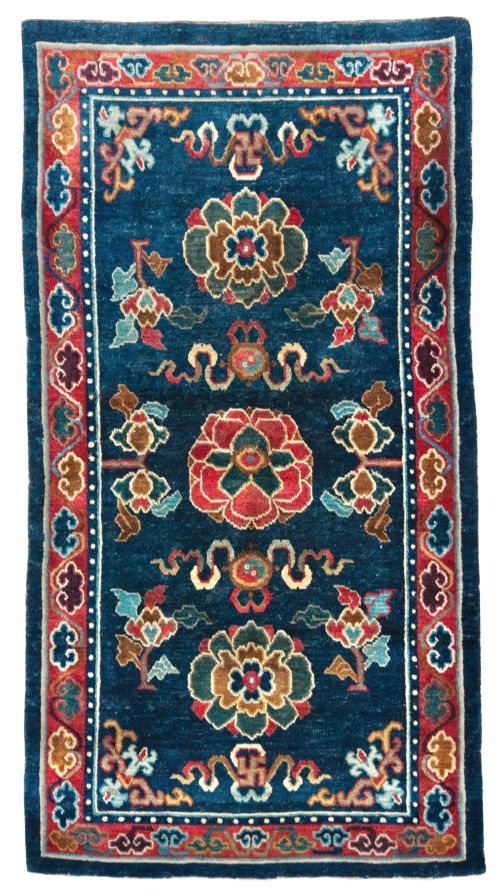
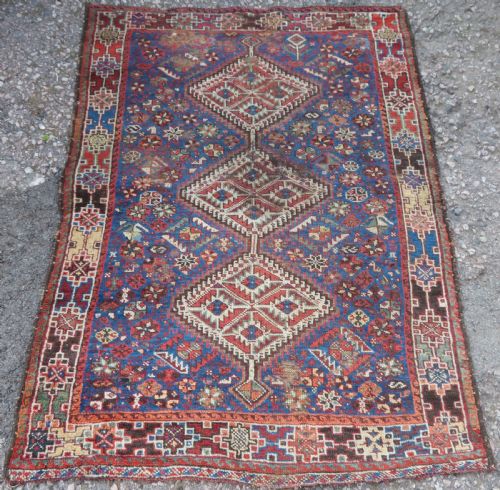
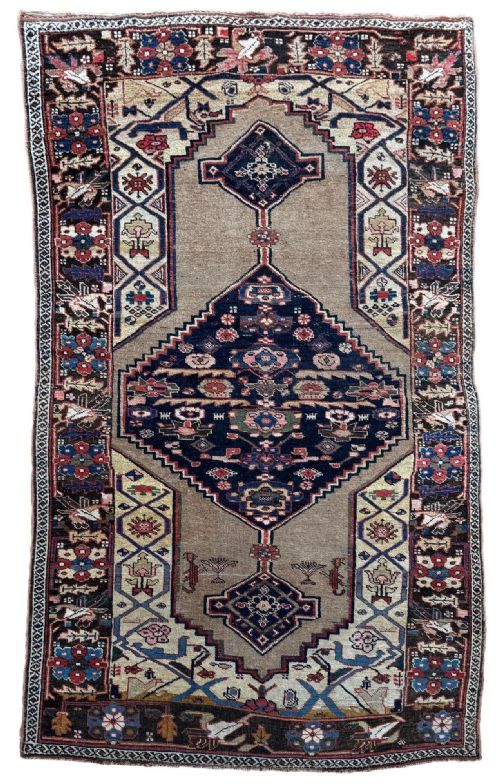
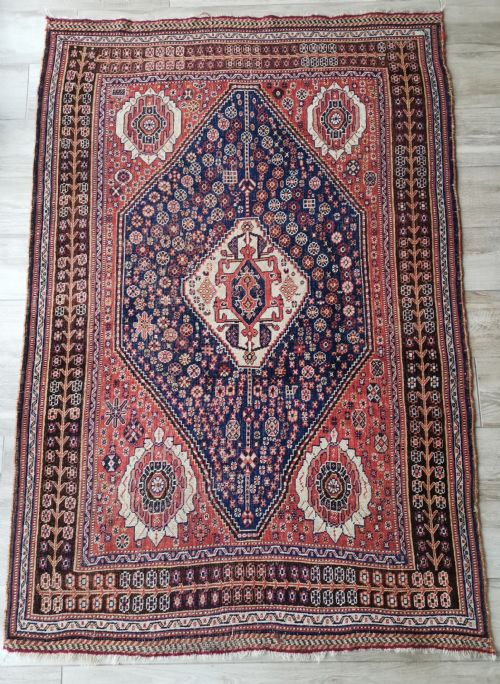
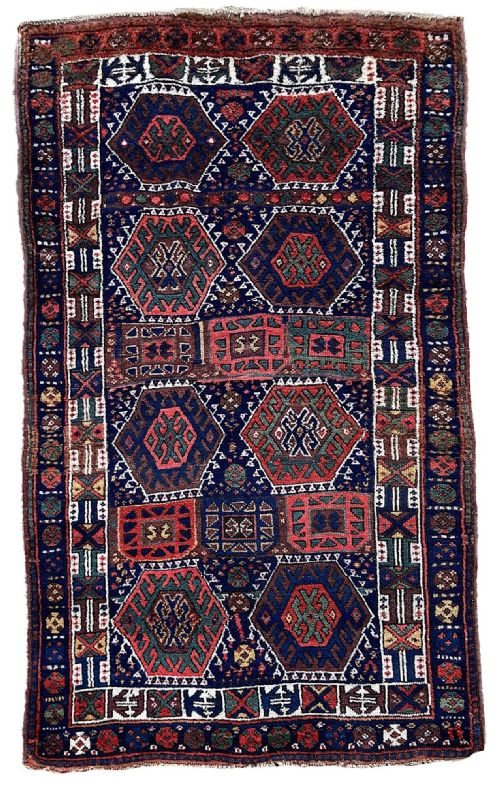
An indigo blue wool carpet encompasses woven floor coverings originating from Persian, Caucasian, and Tibetan tribal and village traditions. These pieces often feature geometric medallions, nomadic motifs, or field patterns worked in deep shades of blue derived from traditional dye sources.
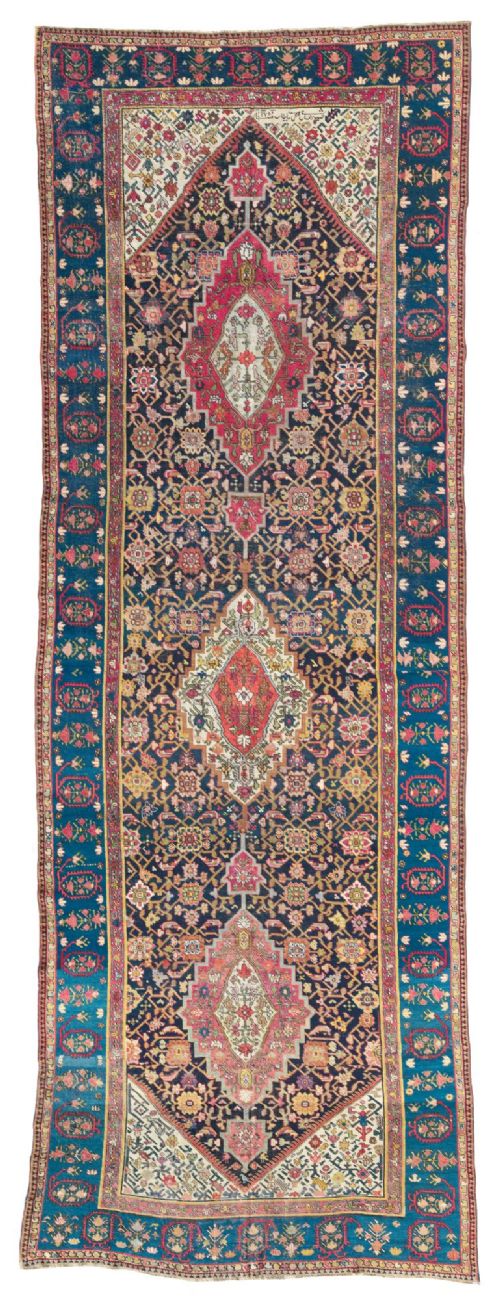
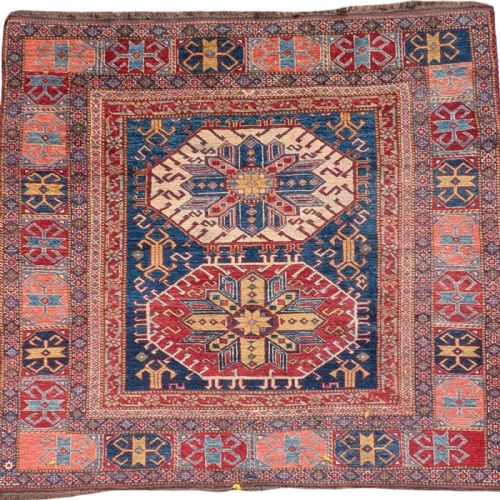
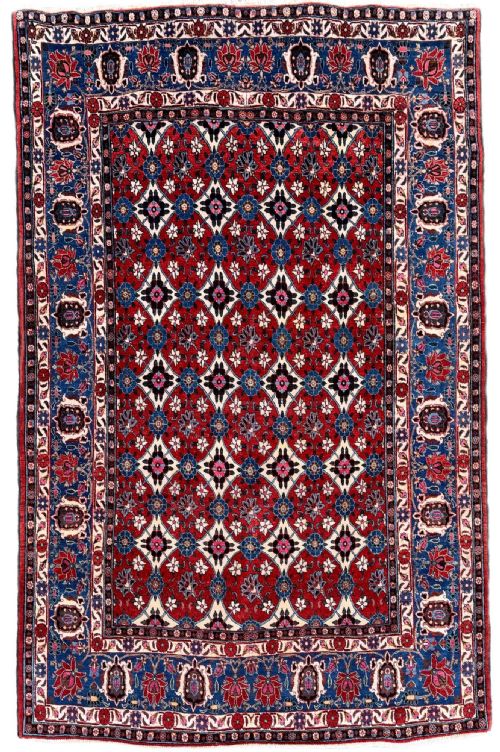
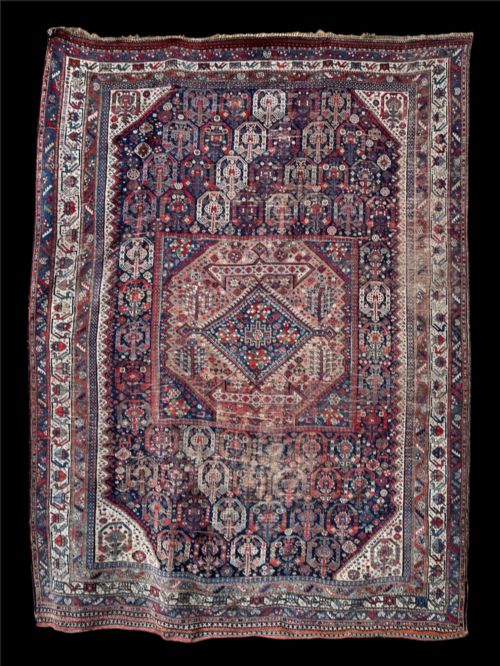
Buyers encountering this selection will find formats ranging from small mats and area rugs to long runners and carpets dating from the late nineteenth century into the early twentieth century. Common regional types include Kazak, Afshar, Kurdish, and Khamseh weaves produced by tribal and village makers.
These textiles function as both practical floor coverings and historical artefacts, displaying the distinct knotting techniques and wool qualities characteristic of their specific geographic origins across the Caucasus, Persia, and beyond.
Materials and Construction
The foundation of these carpets rests on durable wool and cotton spun by hand, occasionally incorporating goat hair in tribal borders for added structural resilience. Natural dyes provide the distinct colour palette, yielding deep indigo blues that interact with madder reds and earth tones.
Weaving techniques vary between knotted pile constructions and flat-weave kilims, executed on vertical or horizontal looms set up in nomadic camps or village workshops. The density of the knotting and the preparation of the animal fibres dictate the weight and drape of the finished textile.
Several runners bear the charming irregularities of nomadic looms, where tension shifted while the weaver paused for tea.
Assessing Quality
Quality in these textiles depends heavily on the purity and depth of the natural dye work, particularly the saturation of the indigo ground colour against secondary motifs. The consistency of the hand-spun wool and the tightness of the weave determine how well the structure withstands generational wear.
Artistic execution separates standard village pieces from exceptional tribal examples, visible in the precision of geometric layouts, the originality of border designs, and the balance achieved within the primary and secondary medallions.
The Indigo Blue Wool Carpet Glossary
- Indigo
- A natural blue dye extracted from plants of the Indigofera genus. It forms the deep foundation shade characteristic of many antique tribal carpets.
- Kilim
- A flat-weave carpet produced without a pile by tightly interweaving warp and weft strands. These textiles often serve as lightweight floor coverings or wall hangings.
- Medallion
- A central ornamental motif placed in the field of a rug. In tribal designs, these geometric shapes frequently draw inspiration from animals, plants, or ancestral symbols.
- Warp
- The vertical threads stretched tightly on a loom before weaving begins. The visible ends of these threads often form the fringe of the completed carpet.
Indigo Blue Wool Carpet: Frequently Asked Questions
How do I clean an antique wool rug?
Maintenance requires gentle surface vacuuming without a beating brush to protect the historical wool fibres and natural dyes. Professional specialist cleaning remains essential for deep care.
Water exposure should be managed carefully to prevent dye migration, particularly in pieces dyed with traditional natural substances.
Where were these carpets made?
Production centres span nomadic camps and rural villages across the Caucasus, Persia, Anatolia, and Tibet. Each region developed distinct weaving structures and symbolic motifs.
Weavers utilised locally sourced materials, meaning the physical characteristics of the wool often point directly to the geographic origin.
Can I use runners in high traffic areas?
Long runners and kelims constructed with dense wool and sturdy cotton foundations handle moderate corridor foot traffic effectively. Placing a suitable underlay beneath the textile prevents slipping and reduces friction against the floor.
Regular rotation ensures even wear patterns across the length of the runner over time.
How do I identify a tribal rug?
Tribal pieces typically display asymmetrical geometric designs, abrash colour variations, and spontaneous motifs woven from memory rather than rigid cartoons. The use of camel hair or goat hair in the foundation is also common.
These characteristics reflect the nomadic lifestyle of the makers who created them for functional daily use within their communities.