


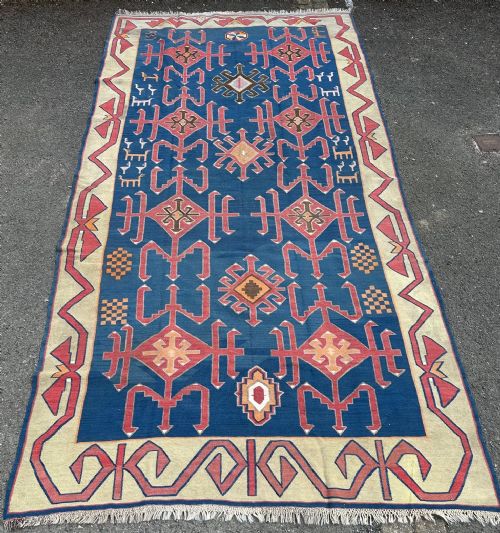
Indigo Blue Tribal Rug
An indigo blue tribal rug brings deep vegetable dye grounds and nomadic designs straight into a room.
Indigo Blue Tribal Rug
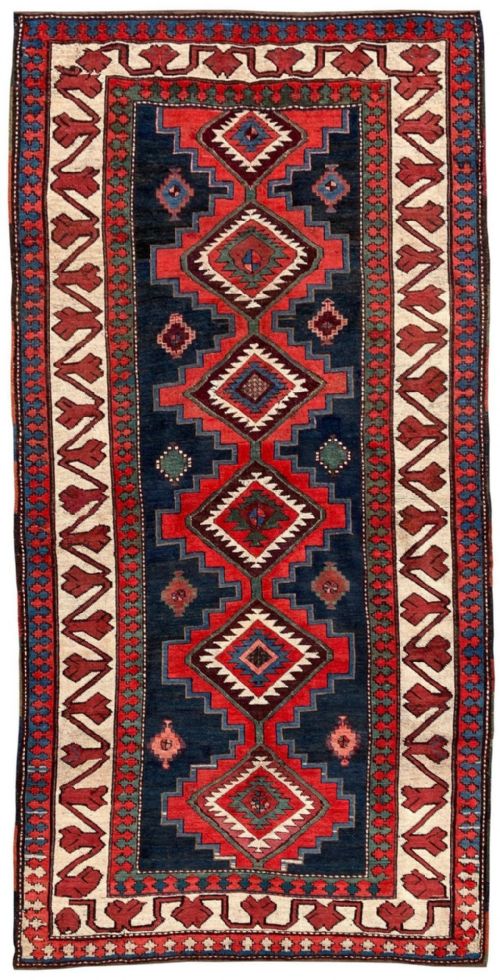
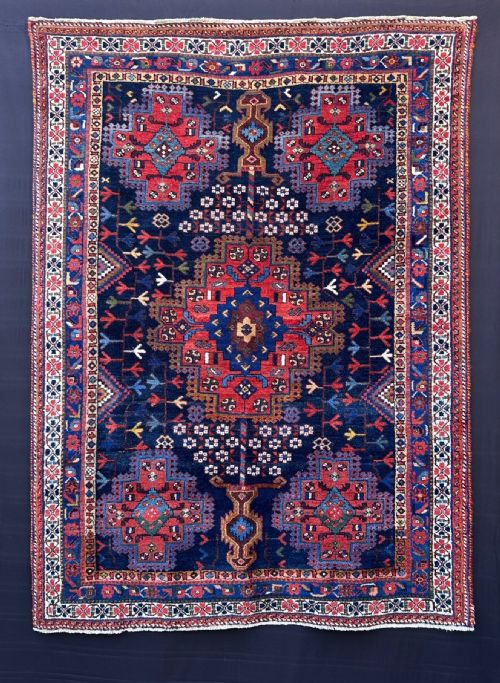
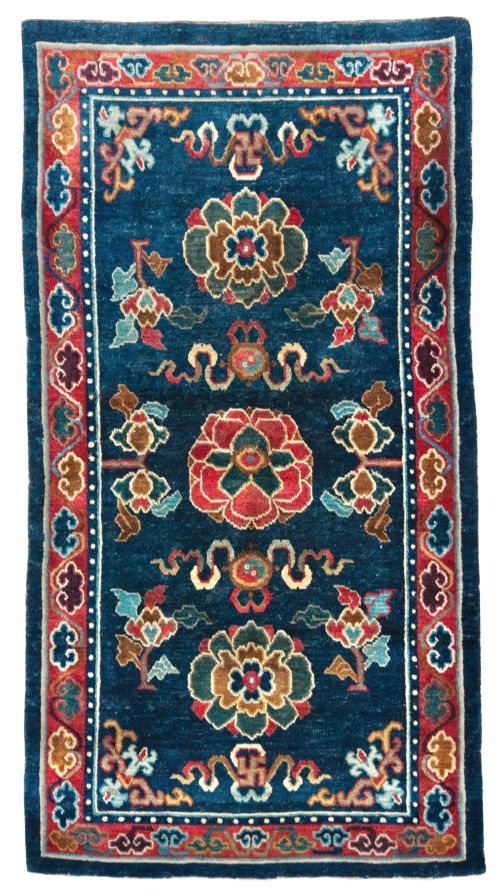
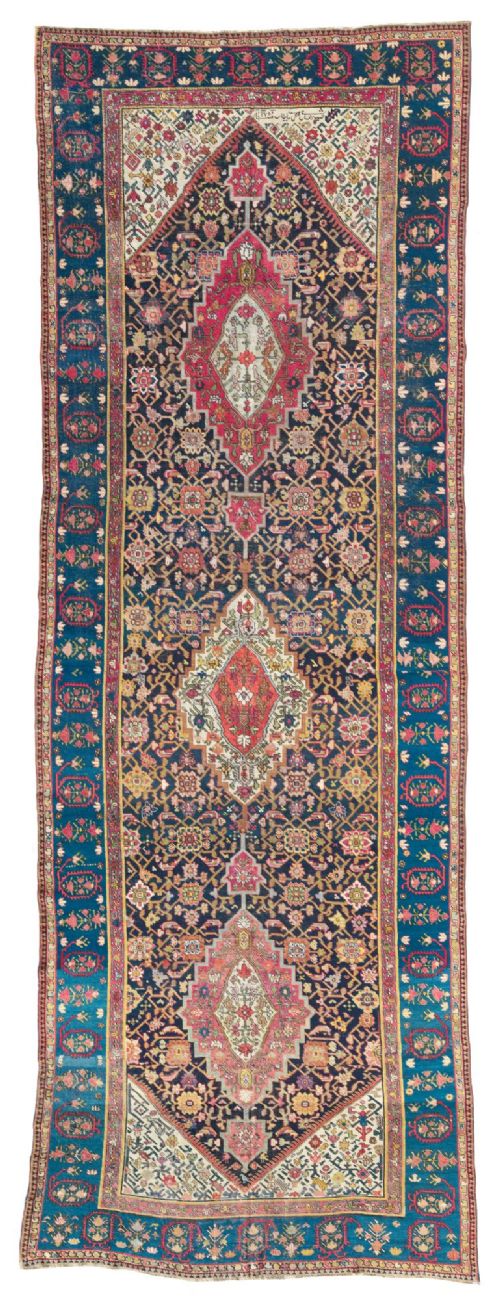
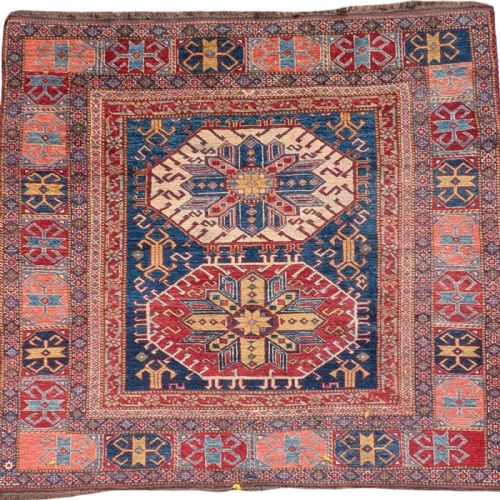
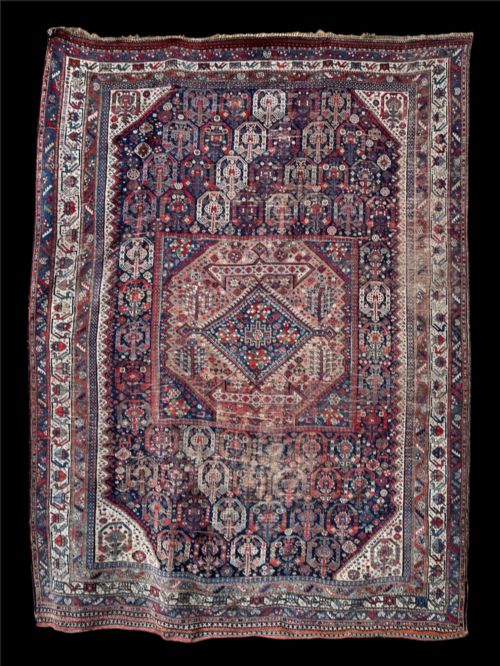
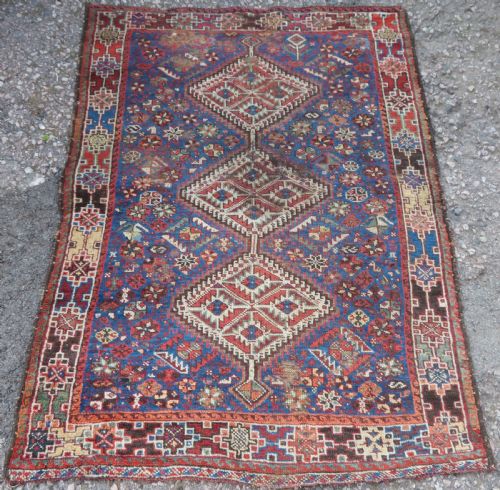
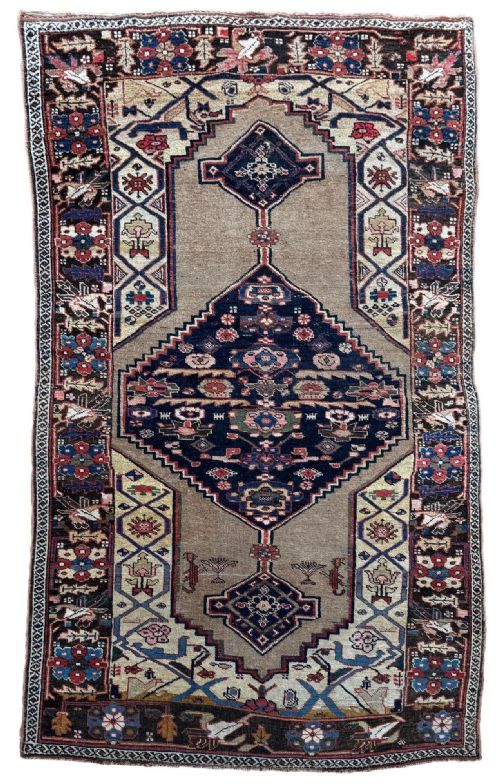
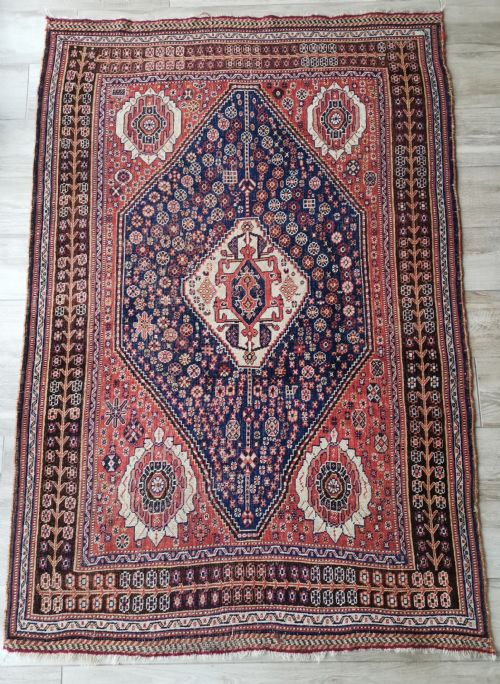
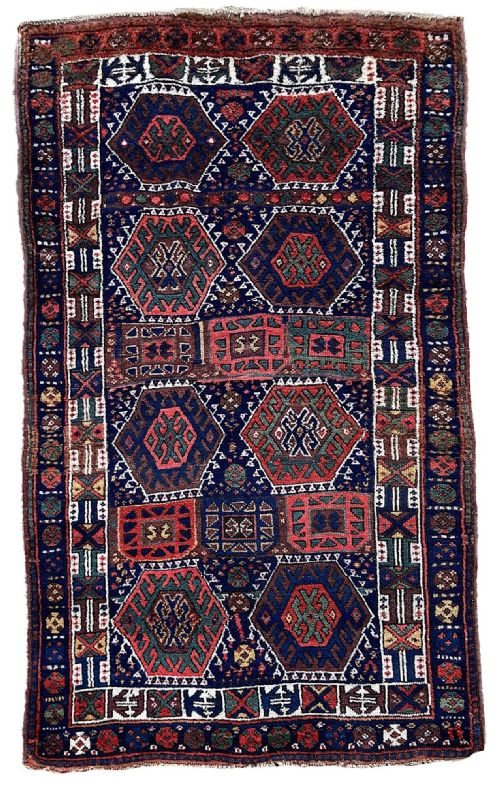
An indigo blue tribal rug encompasses woven works produced by nomadic and village communities across the Caucasus, Persia, Anatolia, and Central Asia. These textiles take the form of floor carpets, long runners, bag faces, storage bags, and flat-woven kelims dating from the nineteenth century into the early twentieth century. When searching for an indigo blue tribal rug, a buyer encounters deep navy and sapphire fields saturated with natural dyes.
The regional origins span specific tribal confederacies and weaving traditions such as Kazak, Afshar, Khamseh, Baluch, Qashqai, and Kurdish. Pieces range from small tribal bag faces and sofrah eating cloths to large main carpets and skewed runners. The common thread uniting these diverse formats is the heavy reliance on indigo grounds to anchor geometric medallions, tribal motifs, and animal forms.
How they were made
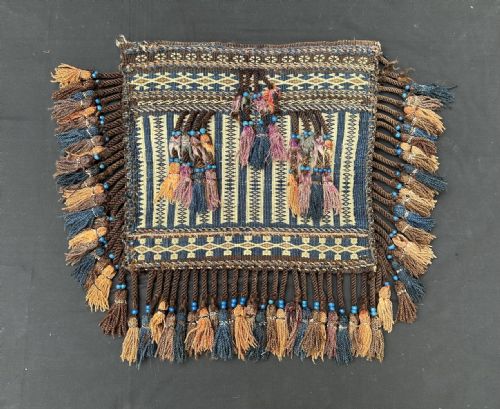
Weavers constructed these textiles predominantly from wool, occasionally employing cotton foundations and goat hair for structural durability. Natural dyes provide the characteristic colour palette, with indigo plants yielding the deep blue fields that define the group. Supplementary materials such as glass beads appear on specific utility bags and smaller nomadic items.
Techniques vary from pile weaving on vertical and horizontal looms to flat-weave methods like Soumak work and kilim construction. The wool is hand-spun and dyed in small batches, producing subtle tonal variations within the blue fields known as abrash. Structural integrity relies on tight knotting and sturdy wool warps and wefts.
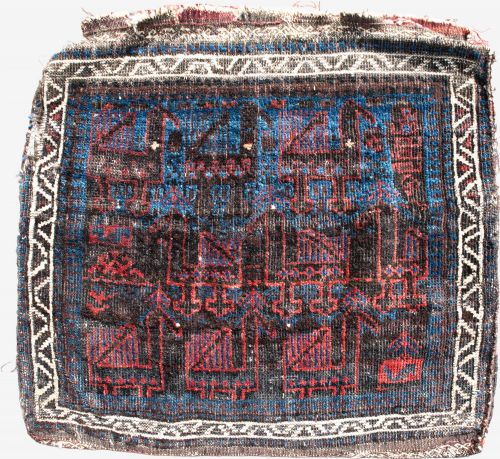
Several antique Baluch bags retain original glass beads sewn directly into the wool, designed to ward off the evil eye.
What varies in quality
Quality rests in the depth and saturation of the natural indigo dye and the clarity of the drawing. Superior examples display complex geometry, balanced proportions, and a rich secondary palette that contrasts sharply against the dark blue ground. Handling reveals the suppleness of the wool and the tightness of the knotting.
The integrity of the original borders and the precision of the tribal motifs distinguish the finest nomadic pieces from standard village production. Age brings patination to the wool, where uneven wear reveals the character of the hand-spun yarn beneath.
The Indigo Blue Tribal Rug Glossary
- Abrash
- Natural tonal variation in the colour of hand-spun wool caused by successive dye baths or different batches of yarn. This subtle striping adds visual depth to the indigo field.
- Soumak
- A flat-weave technique where coloured weft threads wrap over and under the warp threads in a herringbone pattern. It creates a sturdy textile without a raised pile.
- Sofrah
- A woven cloth utilised for food preparation, serving meals, or gathering dough within nomadic households. These functional textiles frequently feature striking geometric field designs.
- Kelleh
- A large rectangular format rug, longer than it is wide, traditionally used as a room-size floor covering in Persian and Caucasian interiors.
- Khen
- The plain-weave end finish at the top and bottom of a rug that protects the knotted pile from unravelling.
Indigo Blue Tribal Rug: Frequently Asked Questions
How do I clean an antique tribal rug?
Maintenance requires gentle vacuuming without rotating brush heads to protect the fragile wool pile and historic foundations. Professional specialist cleaning remains essential for addressing deep soil or spills.
Harsh chemical detergents and excessive moisture damage natural indigo dyes and delicate wool fibres. Regular shaking outdoors removes surface dust safely.
Where were these tribal rugs woven?
Weavers produced these textiles across village and nomadic settlements in the Caucasus, Persia, and Central Asia. Specific groups include the Afshar, Qashqai, Khamseh, and Baluch.
Each region developed distinct geometric vocabularies, colour combinations, and weaving techniques that identify their origin.
What causes the blue colour variation?
The variation in the blue field stems from the traditional use of plant-derived indigo dye baths. Small batches of hand-spun wool absorbed the dye differently during each immersion.
This phenomenon, known as abrash, creates organic shifts in tone across the surface of the textile over time.
Can I use a tribal bag face as a rug?
Tribal bag faces and salt bags function well as small decorative wall hangings or table mats rather than floor coverings. Their original construction as storage containers means the backing and structure suit display.
Placing them in low-traffic areas preserves the delicate flat-weave or pile details.