
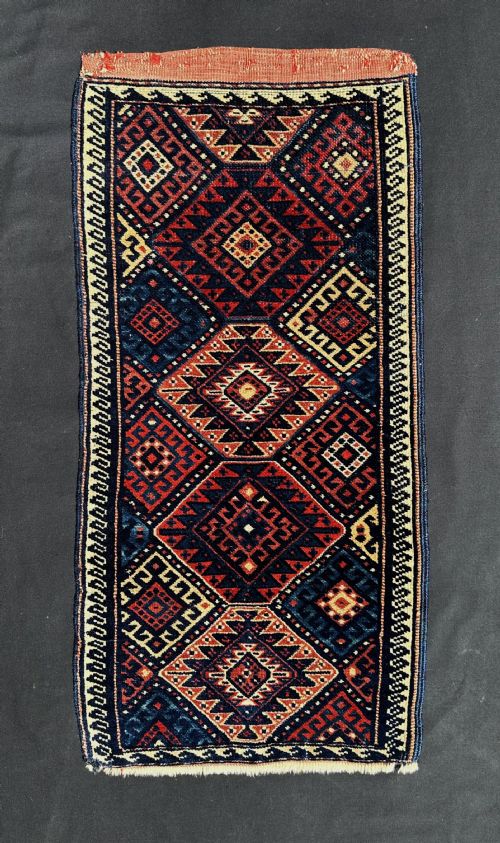


Hand Knotted Wool Cushion
These hand knotted wool cushion pieces transform nomadic textile fragments into resilient home furnishings.
Hand Knotted Wool Cushion
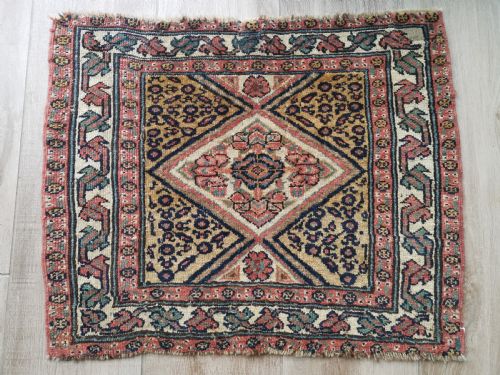
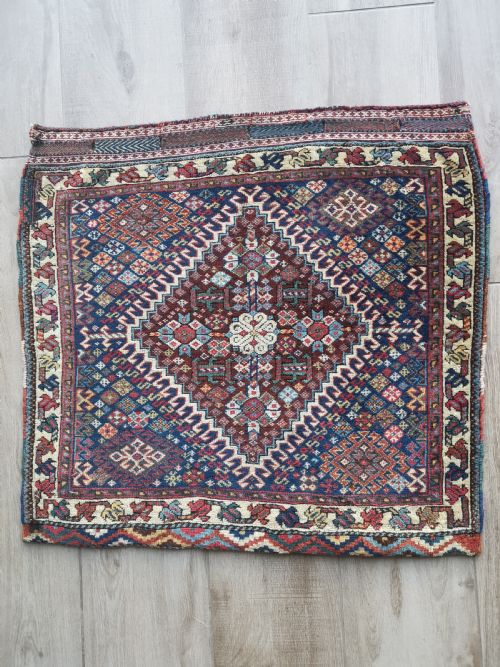
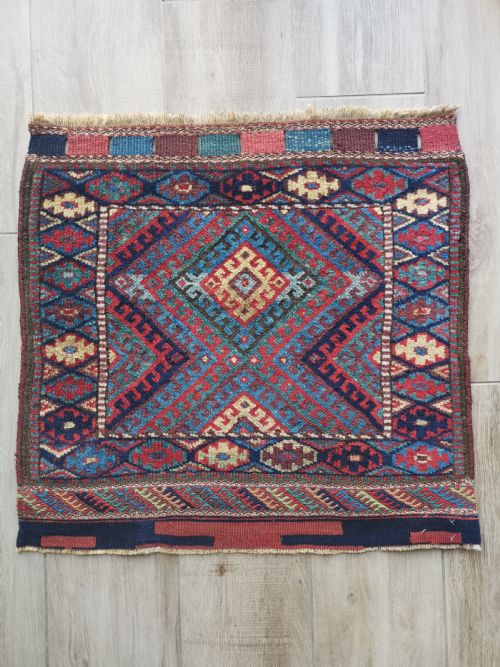
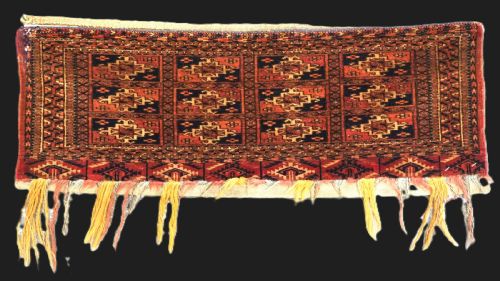
A hand knotted wool cushion repurposes antique tribal bagfaces, torbas, and saddlebags originating from Persian, Turkmen, and Central Asian nomadic groups. You encounter sturdy fragments converted into cushions, retaining their original pile structures from periods spanning the late nineteenth century to the early twentieth century.
The objects stem from utilitarian nomadic weaving traditions where bagfaces and storage sacks served daily pastoral functions. Artisans constructed these textiles using dense wool pile tied by hand, producing durable surfaces now adapted into decorative cushions.
Most examples on this page derive from tribal groups including the Tekke Turkmen, Qashqai, Afshar, and Kurdish weavers. These pieces present geometric motifs, guls, and tribal field patterns originally executed on vertical or horizontal ground looms.
How they were made
Weavers relied on hand-spun wool combined with cotton foundations to construct the original storage bags and rugs. Natural dyes provided the deep chromatic range observed in the pile, interacting with the fleece to yield variegated surface tones.
The knotting technique secured dense wool yarns onto warp and weft threads, creating a firm textile suited for daily pastoral utility. Subsequent conversion into cushions involved mounting these antique textile fragments onto supportive backing materials while preserving the face.
The listings span from 1880 to 1920, incorporating wool, cotton, and natural dyes across various tribal forms.
What varies in quality
The calibre of a hand knotted wool cushion depends upon the integrity of the original pile and the precision of the tribal knotting. Tighter knots and heavier wool density produce a more tactile surface that resists wear.
Quality also rests in the depth and clarity of the natural dyes used within the design motifs. Vibrant, saturated colour distribution across the field elevates the visual impact of the historical textile face.
The Hand Knotted Wool Cushion Glossary
- Bagface
- The decorative front panel of a nomadic storage sack or saddlebag. These panels feature the primary geometric or figurative designs.
- Torba
- A wide Turkmen storage bag traditionally used inside a tent for bedding or household goods. Surviving faces are frequently repurposed into cushions.
- Gul
- A medallion or repeating octagonal motif characteristic of Turkmen and Central Asian carpet design. Each tribal group utilised distinct gul variants.
- Natural Dyes
- Colourants derived from plant, insect, or mineral sources prior to the widespread adoption of synthetic aniline dyes. They yield subtle tonal variations.
- Warp
- The vertical threads stretched on a loom that form the structural foundation of the textile. Weft threads are inserted across them.
Hand Knotted Wool Cushion: Frequently Asked Questions
Are these cushions made from old rugs?
These cushions utilise authentic antique tribal fragments, specifically bagfaces and storage sacks originating from nomadic weaving traditions.
Craftsmen adapt these historical textiles into cushions while retaining the original hand-knotted wool pile and tribal designs.
How do I care for a wool cushion?
Maintain the wool pile through gentle vacuuming without the rotary brush engaged to protect the historic knots.
Professional specialist cleaning is recommended for antique textiles to preserve the natural dyes and structural integrity.
What regions do these pieces come from?
The pieces originate primarily from Persian tribal confederations, Kurdish groups, and Turkmen nomadic communities.
Specific provenances include Khorassan, Fars, Kerman, and Central Asian regions active in the nineteenth and early twentieth centuries.
How can I tell different tribal designs apart?
Tribal attribution relies on specific structural characteristics, palette choices, and repeat motifs such as Turkmen guls or Afshar geometric fields.
Weavers from distinct regions utilised signature colour combinations and border arrangements rooted in their specific heritage.