

Indian Rosewood Furniture
Indian rosewood furniture brings dense tropical timbers and intricate carving into British interiors, offering enduring utility alongside distinct colonial craftsmanship.
Indian Rosewood Furniture
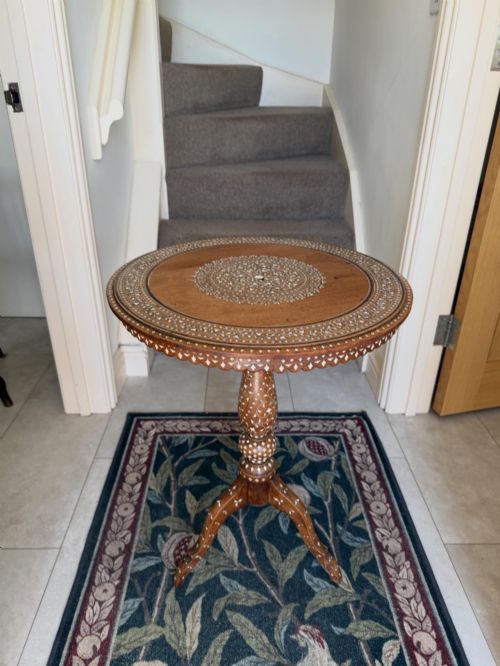
Indian rosewood furniture comprises tables, chairs, cabinets, and mirrors made during the nineteenth and early twentieth centuries under British colonial influence. Buyers searching for indian rosewood furniture commonly encounter Anglo-Indian forms alongside specialised regional work from centres such as Bombay and Hoshiarpur.
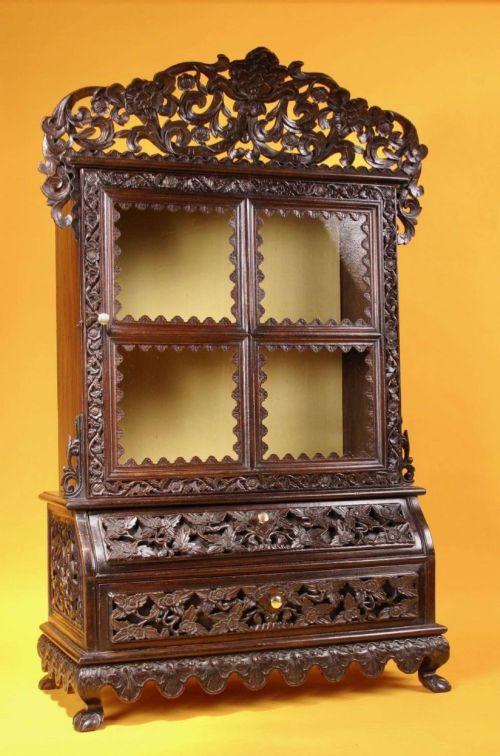
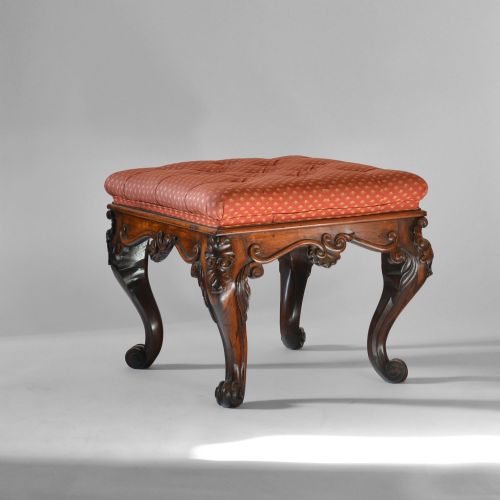
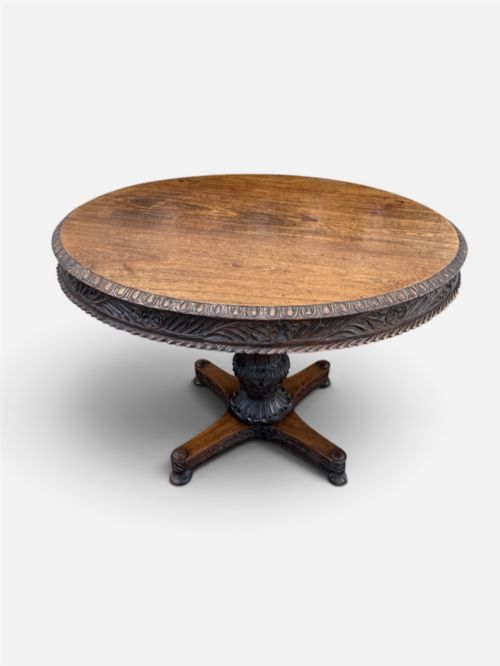
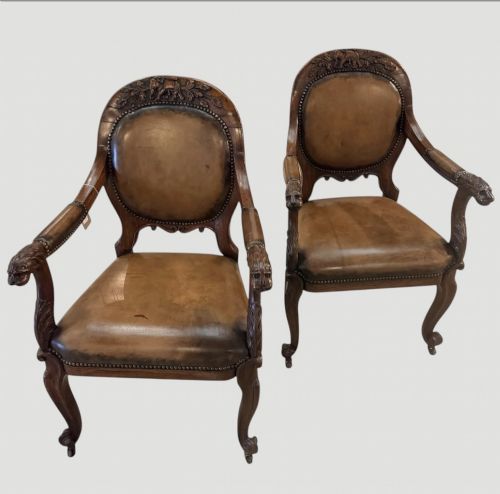
The selection ranges from heavy occasional tables and chess tops to expansive cabinets, sideboards, and seating suites. Many pieces merge traditional Indian joinery and carving motifs with European furniture forms demanded by British residents in the subcontinent.
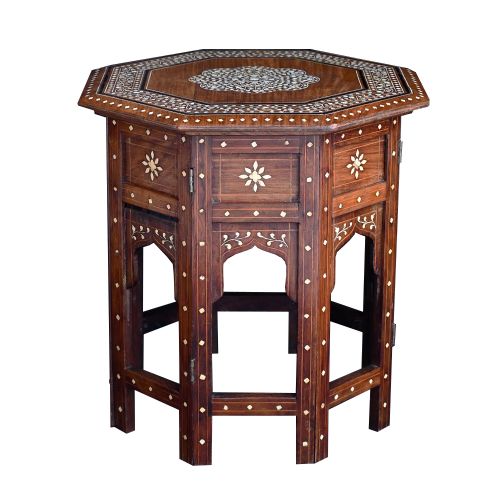
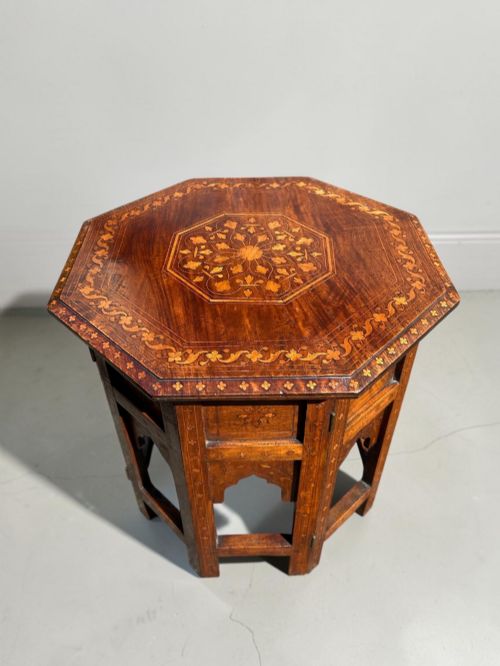
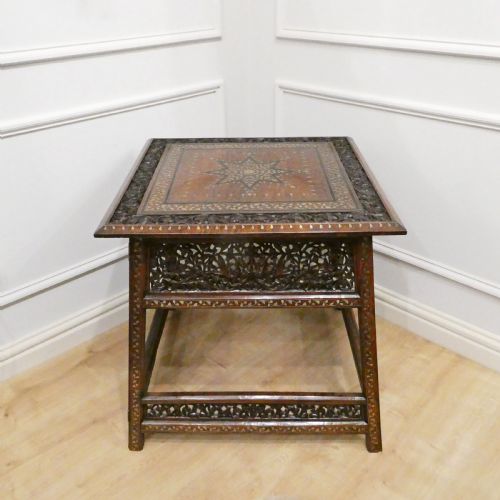
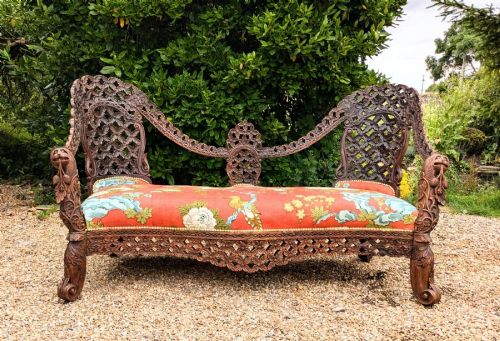
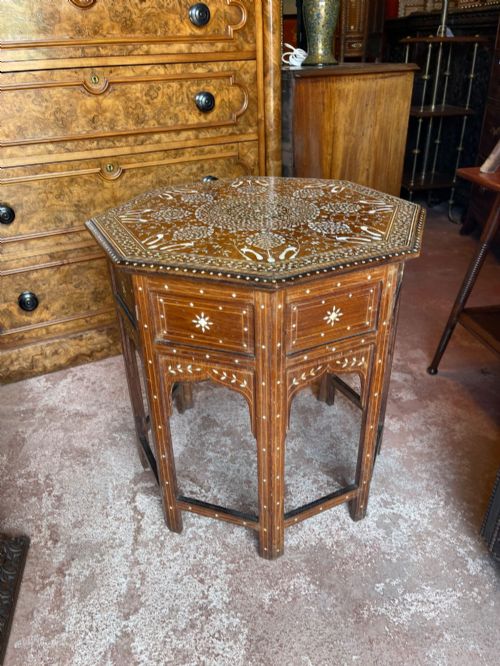
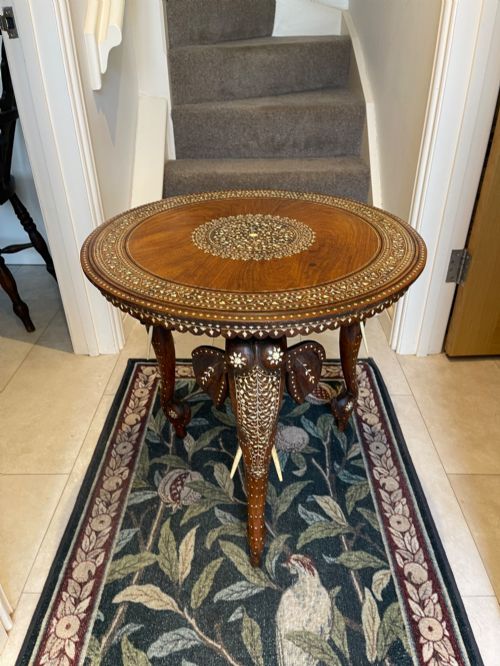
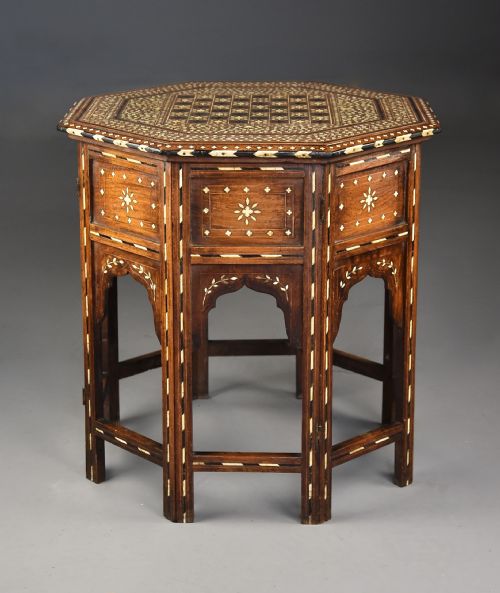
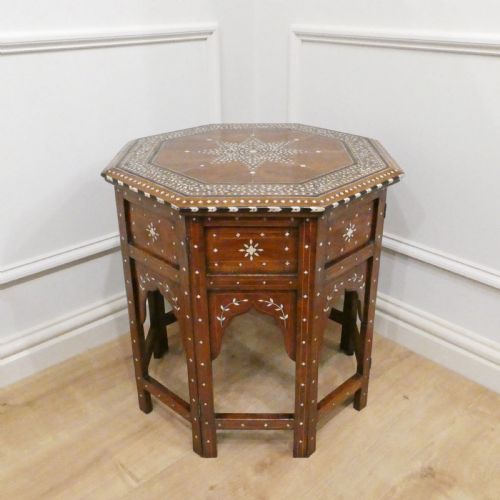
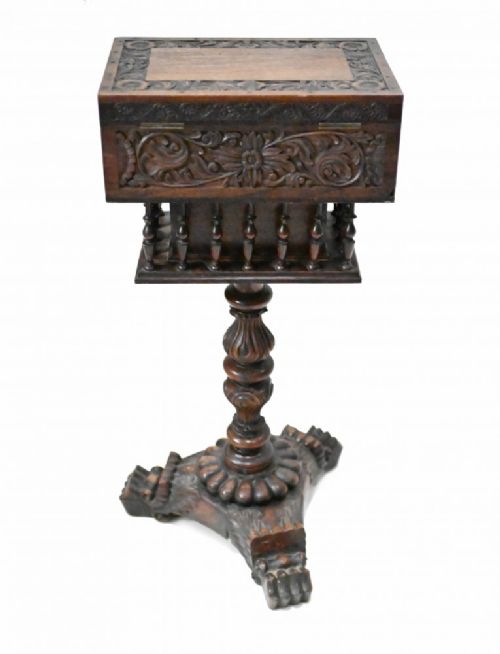
Octagonal occasional tables and intricately carved side tables appear frequently among the listings, often displaying complex geometric or floral compositions. Larger items such as sofas, planters chairs, and secretaire campaign chests also surface, representing the broader scope of colonial domestic life.
Standards of craftsmanship
The depth and clarity of the hand carving separate simpler production items from exceptional workshop examples. Superior pieces display crisp undercutting in foliage and figures, whereas lesser items rely on shallow surface scoring.
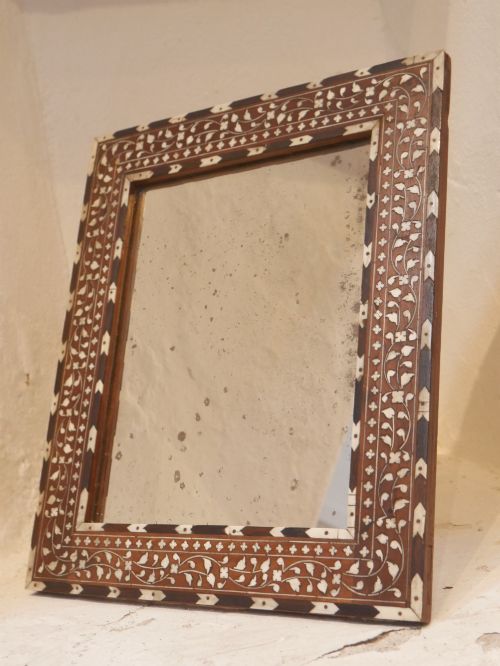
The precision of inlaid elements such as bone or brass wire determines the finish of decorative tables and mirrors. Tighter joints in complex multi-sided forms indicate higher competency among the original makers.
Listings span the nineteenth and early twentieth centuries, featuring brass, bone inlay, and ebony across Anglo-Indian and Art Deco styles.
The Indian Rosewood Furniture Glossary
- Anglo-Indian
- Furniture made in India during the British colonial period for European residents or export. These designs combine local craft traditions with Western forms.
- Hoshiarpur
- A town in Punjab renowned for intricate inlaid woodwork. Pieces from this region typically feature dense geometric patterns executed in brass, bone, or contrasting wood.
- Teapoy
- A small occasional table designed for holding tea equipment or serving beverages. Originating in India, the form was adopted widely within colonial households.
- Planters chair
- An armchair featuring elongated, adjustable arms designed for resting the legs. This seating form developed to provide comfort in hot colonial climates.
- Tilt top table
- A table with a mechanism allowing the surface to fold vertical when not in use. This construction saved space in domestic interiors.
Indian Rosewood Furniture: Frequently Asked Questions
What is Anglo-Indian furniture?
Anglo-Indian furniture refers to pieces produced in India under British rule, combining indigenous carving skills with European functional forms like sideboards and library chairs.
These items reflect an exchange of design ideas, resulting in distinct regional styles that served colonial households and export markets.
How do I identify Hoshiarpur pieces?
Hoshiarpur pieces are identified by dense surface inlay work using materials like brass wire, bone, or contrasting woods set into dark rosewood or teak.
They frequently take octagonal or square forms, completely covered in geometric or floral patterns.
Where were these pieces used?
These items furnished British colonial bungalows, administrative offices, and residences across the Indian subcontinent during the nineteenth and early twentieth centuries.
Upon return to Britain, owners integrated the tables, cabinets, and chairs into domestic drawing rooms and studies.
How do I care for rosewood furniture?
Rosewood furniture requires stable indoor humidity and protection from direct sunlight to prevent timber movement and fading.
Regular dusting with a soft cloth preserves the polished surface and intricate inlay work without heavy chemical intervention.