


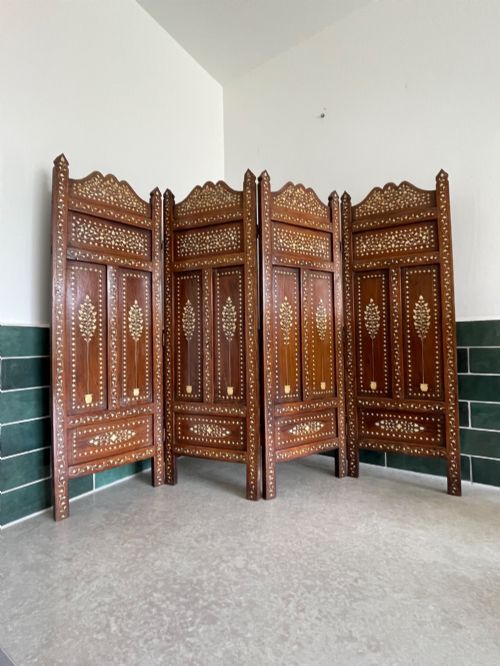

Indian Folding Table
An indian folding table brings intricate carving and portable design together, offering versatile surfaces suited to modern living.
Indian Folding Table
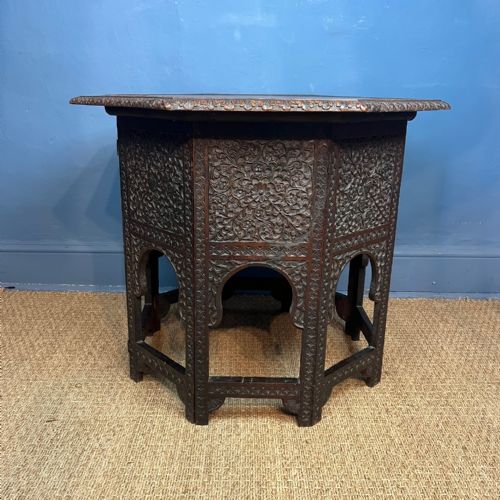
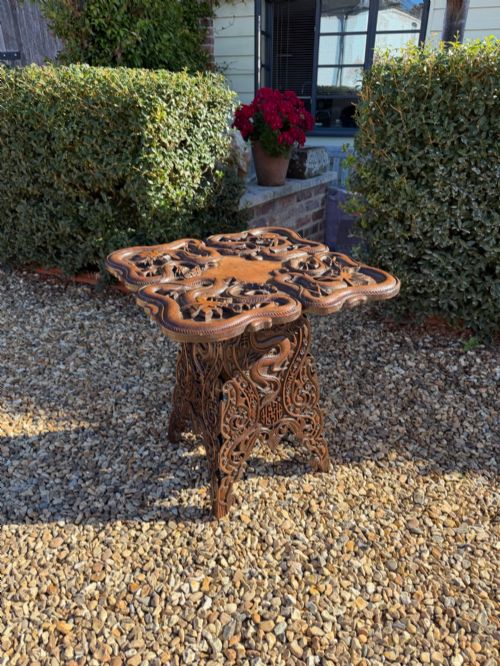
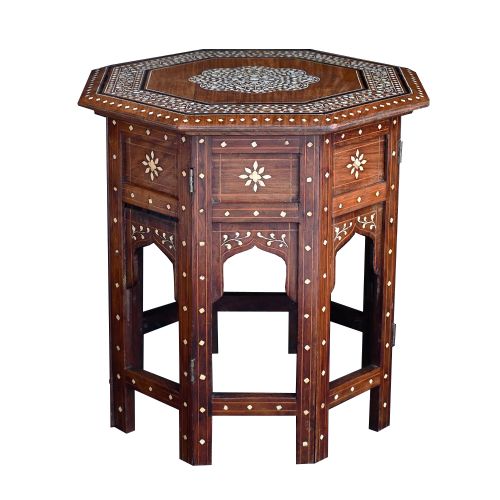
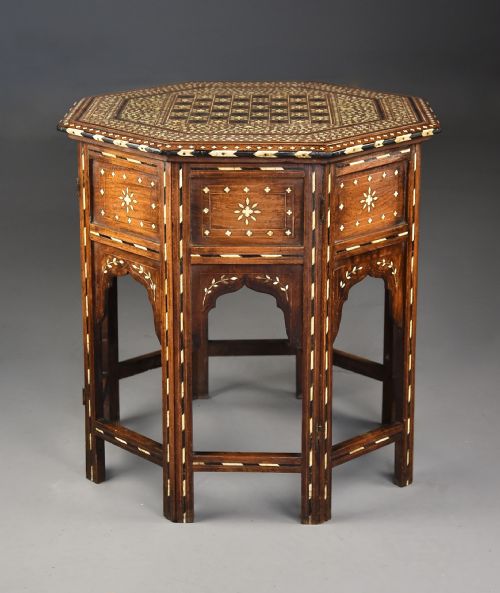
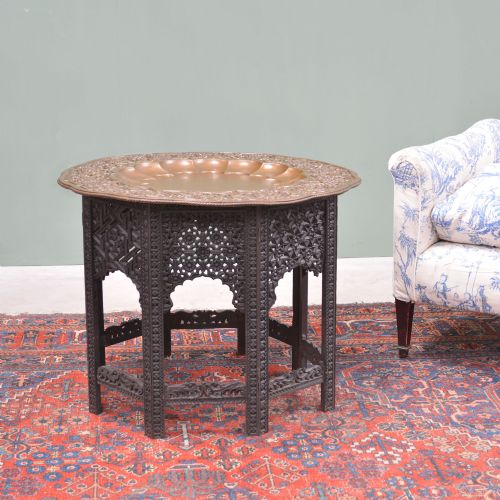
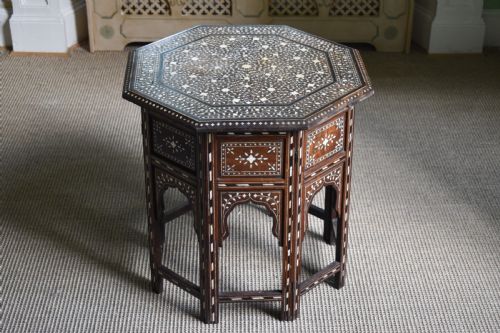
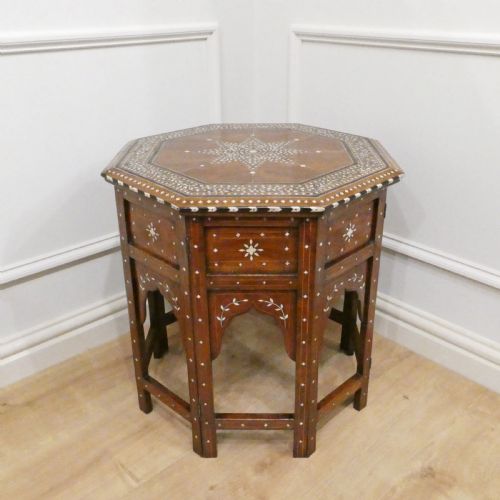
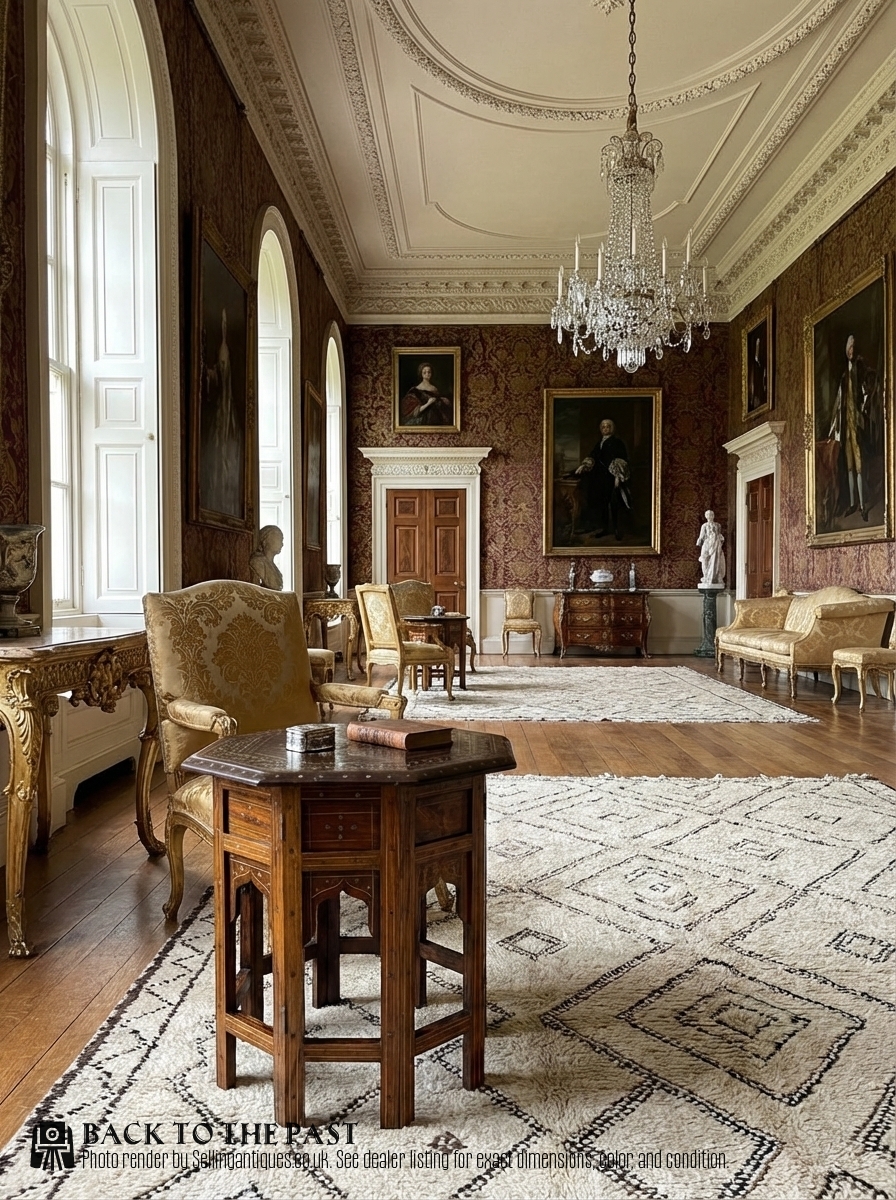
Many of these items originate from Hoshiarpur, known for detailed inlay work, alongside other regional workshops producing Anglo-Indian, Burmese, and Moorish revival designs. The forms serve both practical and decorative functions, functioning easily as coffee tables or lamp stands within a room.
Materials and construction
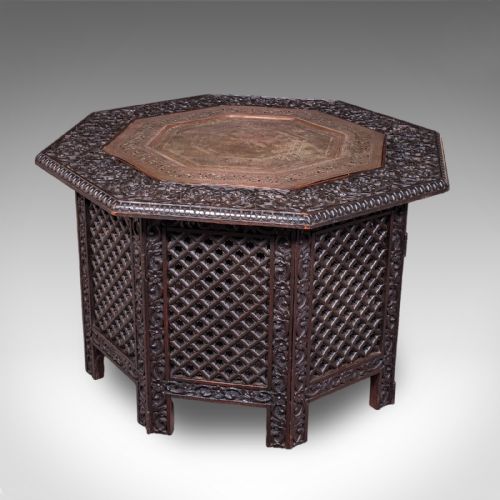
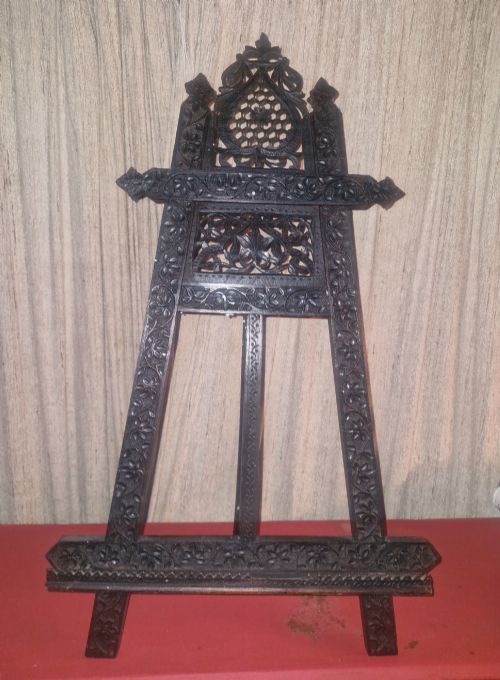
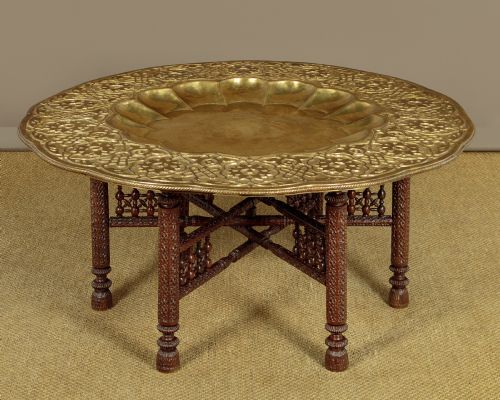
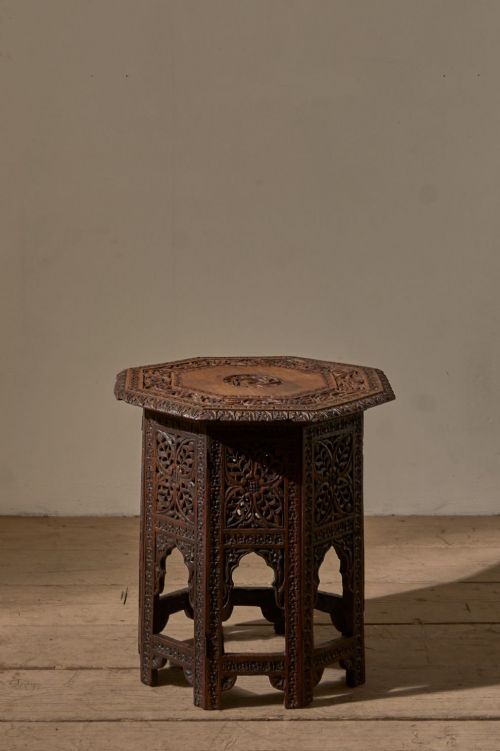
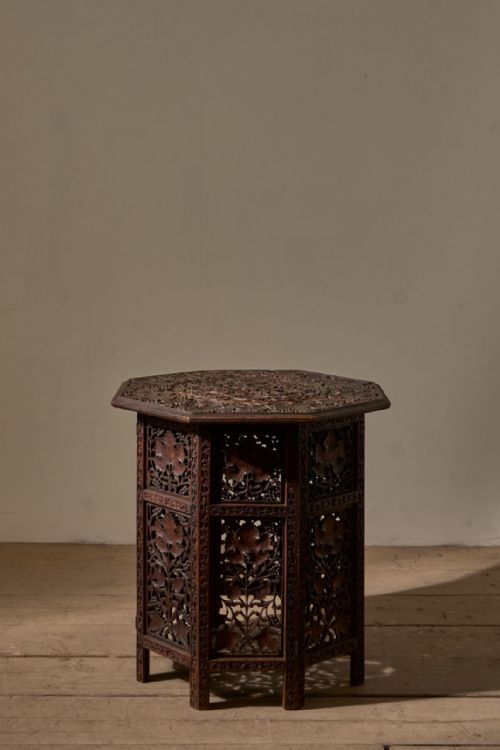
Timbers such as teak, padauk, shisham, and rosewood form the structural foundation of these pieces, providing a sturdy base for elaborate surface decoration. Artisans shaped these dense hardwoods using hand-carved relief work, pierced fretwork, and collapsible hinges designed for transport.
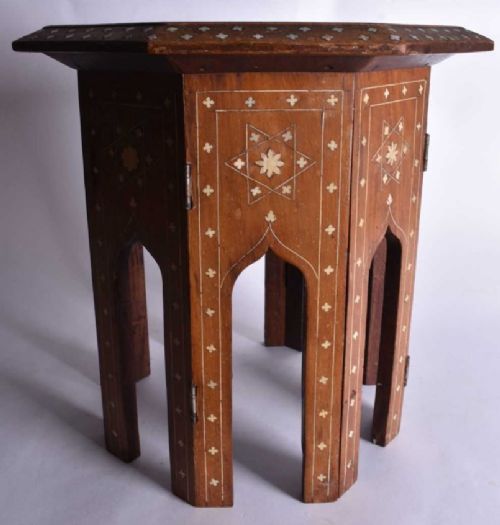
Surface enrichment relies on intricate inlay work utilising brass wire, copper, bone, and mother-of-pearl, creating geometric patterns and floral motifs across the wood. Lacquered finishes and painted details occasionally appear, particularly on Kashmiri and Burmese pieces.
Indian Folding Table Retail Price Guide 2026
Typical asking prices for indian folding table among the pieces listed under this phrase on Sellingantiques today, from the lower quarter to the upper quarter. They describe what is for sale here now, not the wider market.
Several folding tables hide chess boards within their inlaid tops, ready for an impromptu match after tea.
Assessing craftsmanship and condition
The density and precision of the hand-carving separate standard utility pieces from exceptional examples, with superior items displaying deep, crisp relief and flawless pierced work. The intricacy of the Hoshiarpur inlay, particularly where bone or brass meets dense hardwood without gaps, signals higher workshop standards.
The structural integrity of the folding mechanism and the matching of the top to its specific base determine the overall cohesion of the piece. Preservation of delicate inlay elements and original patination on the timber further distinguish finer surviving examples.
The Indian Folding Table Glossary
- Hoshiarpur
- A region in Punjab renowned for intricate wood-carving and inlay work. Pieces from this centre often incorporate dense geometric patterns using bone, brass, or wire.
- Anglo-Indian
- A stylistic classification describing furniture made in the Indian subcontinent during the British colonial period, combining traditional local craftsmanship with European forms.
- Octagonal
- Having eight sides. This geometric tabletop shape frequently pairs with folding pierced bases across many regional Indian table designs.
- Padauk
- A heavy, durable tropical hardwood with a reddish hue. It appears frequently in colonial side and campaign tables due to its resilience.
Indian Folding Table: Frequently Asked Questions
How do I care for an inlaid wooden table?
Maintain the wood by applying a neutral furniture wax sparingly, avoiding excessive moisture that might loosen delicate bone or brass inlays.
Keep the table away from direct heat sources and strong sunlight to prevent the timber from drying out or warping over time.
Were these tables meant for travel?
Many examples developed during the colonial era served as campaign or occasional furniture intended for easy transport and storage.
The hinged bases fold flat while the tops detach, reflecting a portable design tradition utilised by administrators and travellers.
How do I distinguish regional styles?
Hoshiarpur pieces are identifiable by dense all-over inlay and geometric wood carving, whereas Burmese items often showcase deep figurative carving without metal wire.
Anglo-Indian hybrid forms blend local materials with European table heights and structural requirements popular during the Victorian period.
What woods were commonly used?
Artisans selected dense hardwoods such as teak, shisham, and padauk because they supported intricate hand-carving without splintering.
Rosewood and sandalwood also appear in select regional workshops, offering darker tones and aromatic qualities.