
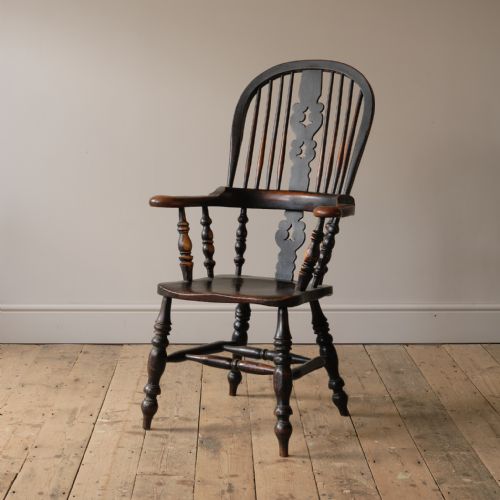
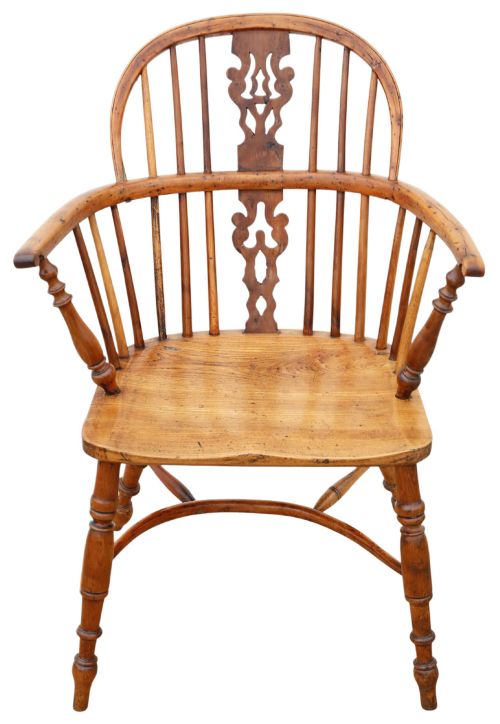
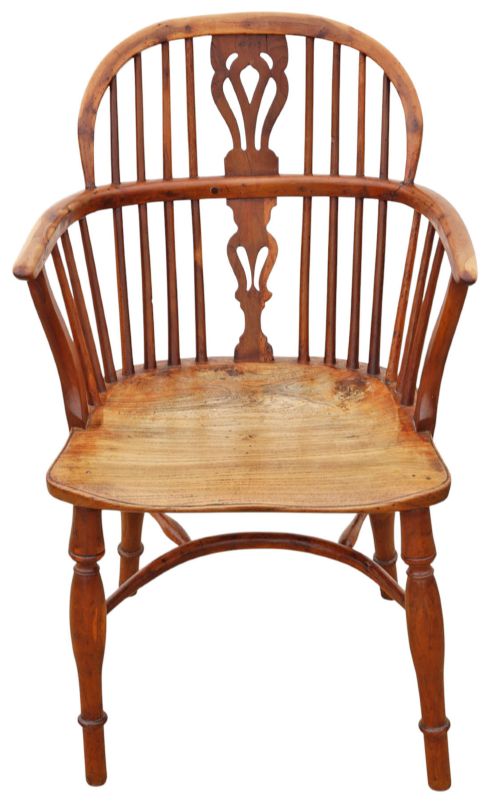
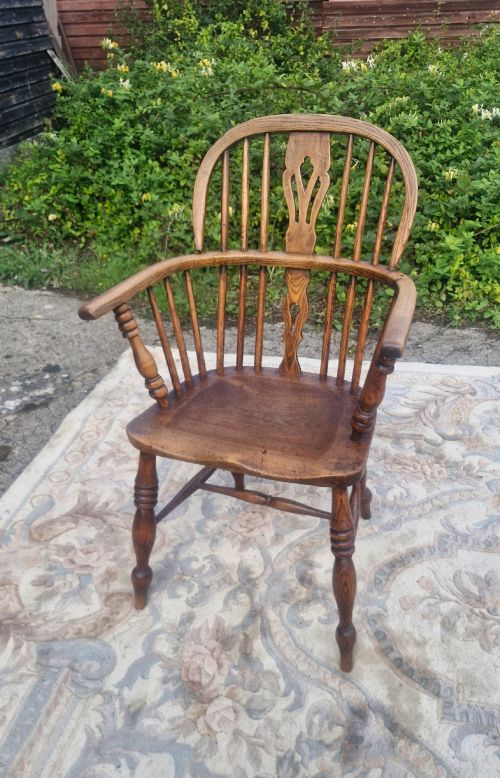


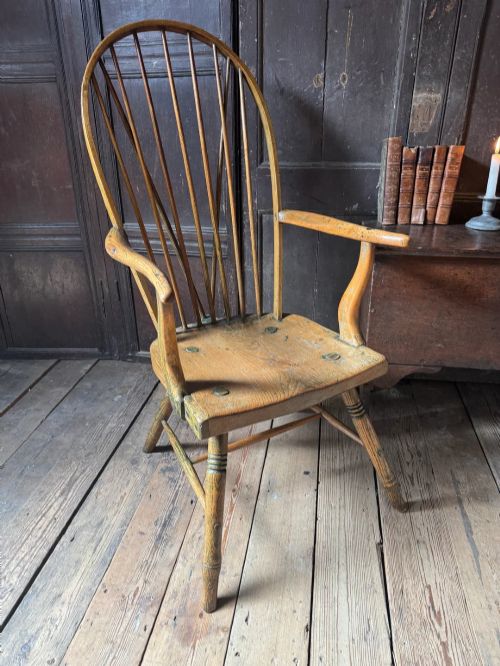
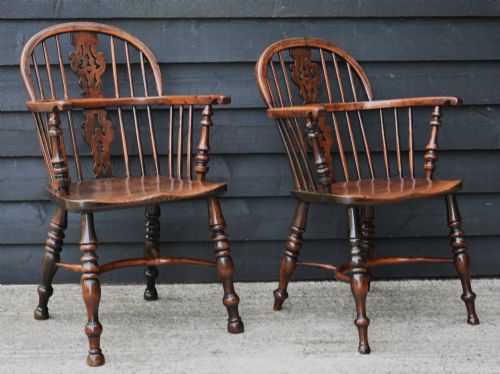
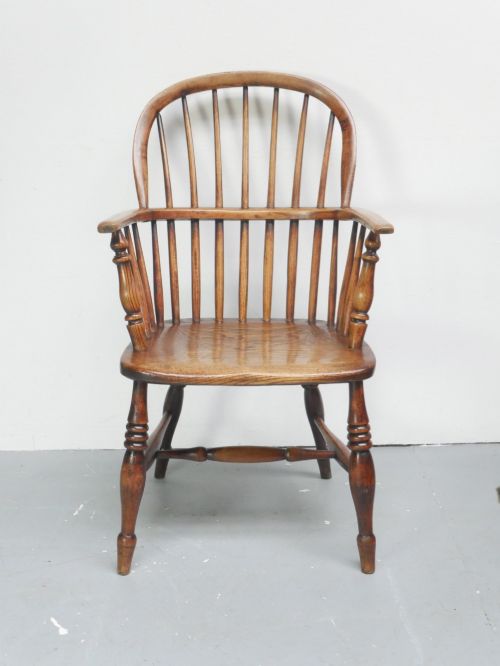
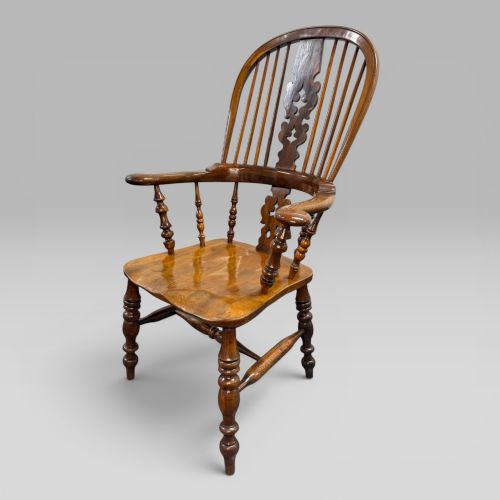
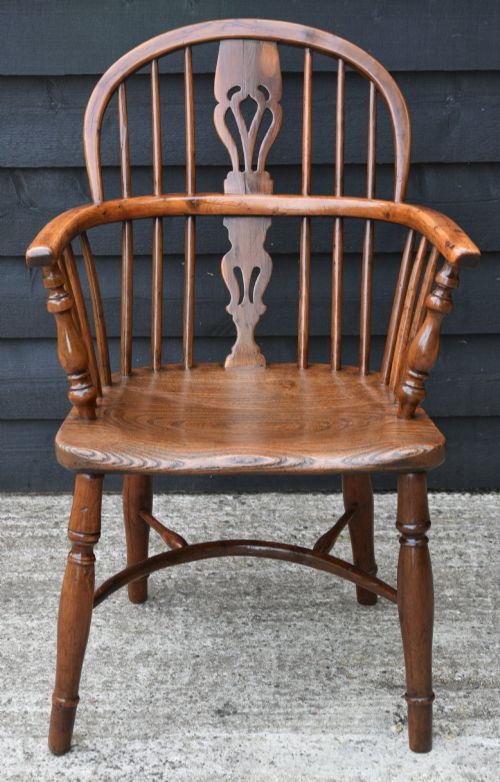
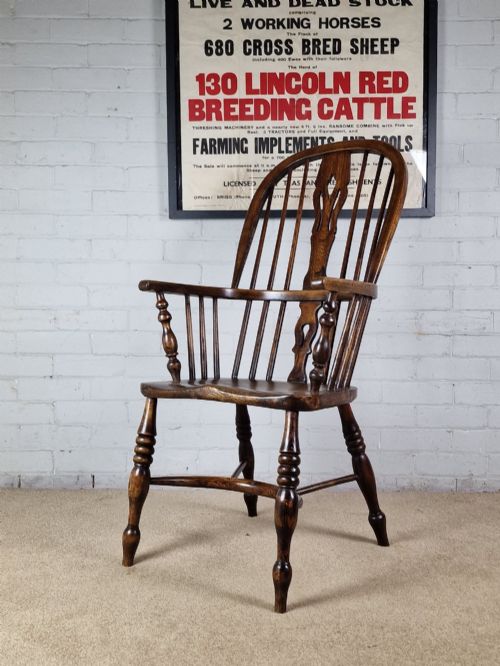
Hoop Back Windsor Armchair
A hoop back windsor armchair brings tactile warmth and vernacular character to a room through its steam-bent bow and shaped seat.
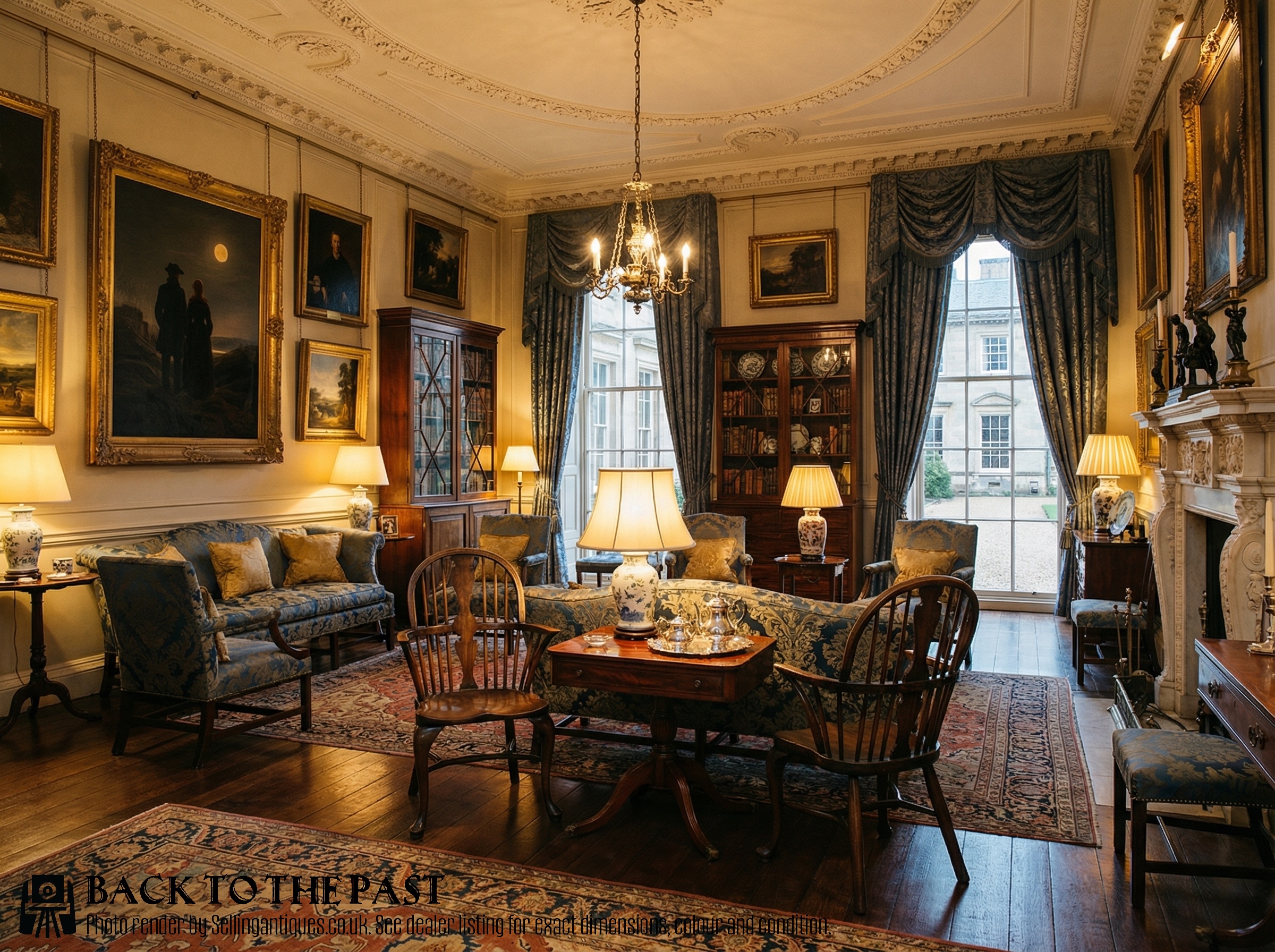
Hoop Back Windsor Armchair
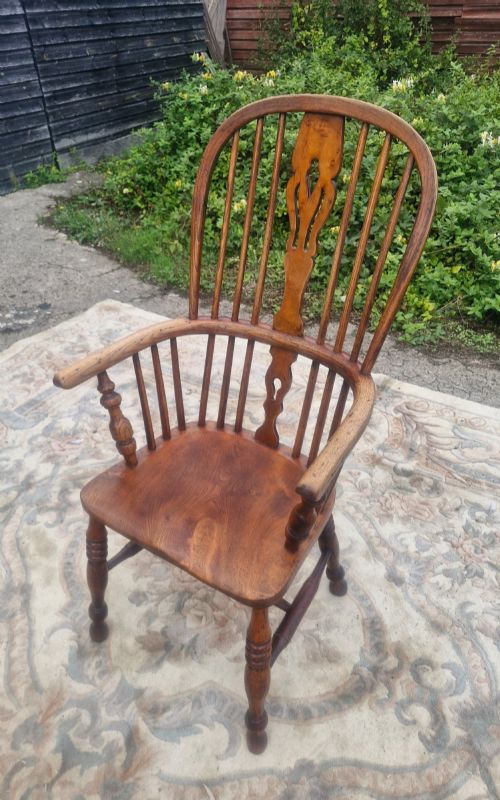
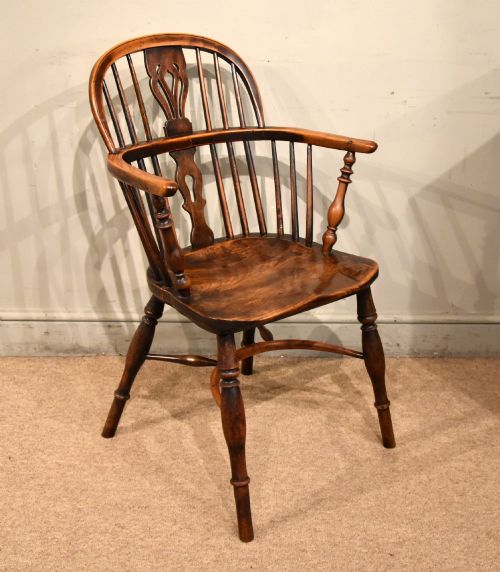
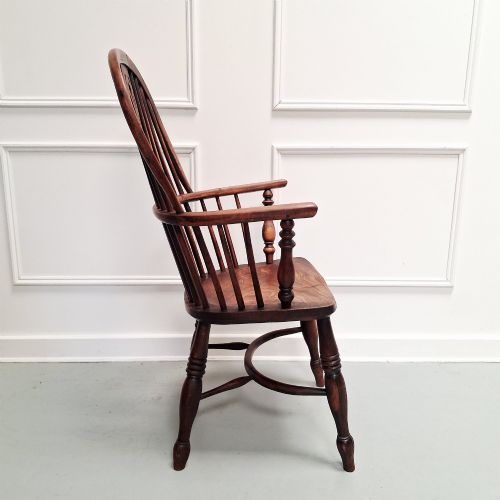
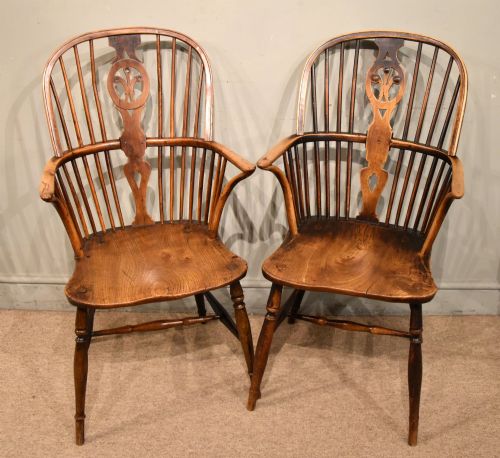
A hoop back windsor armchair is a distinct form of vernacular seating defined by a continuous steam-bent bow that forms the back and arm supports. These chairs appear primarily across the 18th century, Georgian period, 19th century, and Victorian eras.
The versions most commonly found here are country-made regional pieces featuring shaped wooden seats combined with spindle or stick backs. They range from low-back formats to tall, arched hoops originating from workshops in centres such as the West Country, Buckinghamshire, and Scotland.
Makers utilised native timbers to construct these armchairs, creating utilitarian seating that evolved into prized examples of English country furniture. Their enduring appeal lies in the combination of sculptural joinery and comfortable, ergonomic saddle seats.
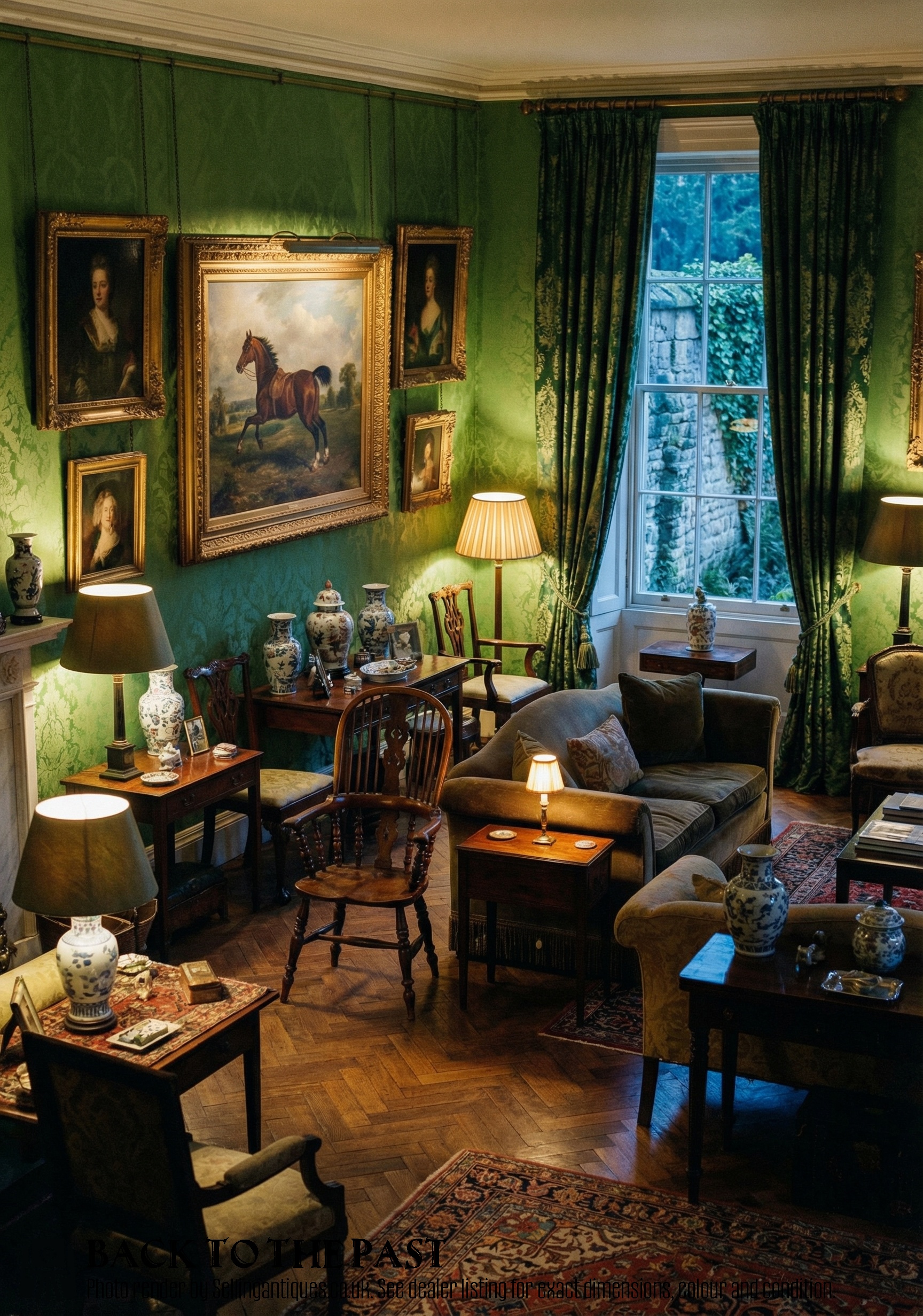
How they were made
Makers constructed these chairs using a combination of green and seasoned woods, typically pairing a solid elm seat with ash spindles and steam-bent yew or ash bows. The saddle seat was deeply sculpted using an adze and scorp to provide comfort before the underframe legs were wedged into bored socket holes.
The characteristic hoop back relies on timber steamed until pliable, then bent around a wooden form to dry into a rigid, curved arch. Joinery techniques bypassed metal nails in favour of wedged tenons and through-spindles, ensuring the frame flexed safely under use.
Hoop Back Windsor Armchair Retail Price Guide 2026
Typical asking prices for hoop back windsor armchair among the pieces listed under this phrase on Sellingantiques today, from the lower quarter to the upper quarter. They describe what is for sale here now, not the wider market.
Listings span the Georgian, Regency, and Victorian periods, with elm and yew remaining the predominant material choice across regional English workshops.
What varies in quality
Quality in these armchairs rests upon the selection of timber and the depth of the sculpted seat. Yew wood examples with rich figuring and high-contrast grain sit at the upper end of the range, alongside those retaining early or original brown painted surfaces.
Proportion and the grace of the steam-bent bow also dictate distinction. A well-balanced hoop with slender, evenly spaced spindles and a retention of original underframes demonstrates superior vernacular craftsmanship compared to later, heavier replacements.
J SPENCER
The Hoop Back Windsor Armchair Glossary
- Hoop back
- A continuous piece of steam-bent timber forming the upper back and arm supports of the chair. This curved member gives the form its defining arched silhouette.
- Crinoline stretcher
- An arched underframe brace connecting the legs of the chair to provide lateral stability. It takes its name from the shape of 19th-century hooped petticoats.
- Saddle seat
- A thick wooden seat base scooped out by hand to mirror the contours of the body. Elm was frequently chosen for this component due to its interlocking grain resisting splits.
- Spindle
- A slender, turned wooden rod connecting the seat to the back bow or armrail. Spindles distribute weight and provide flexible support across the upper frame.
Hoop Back Windsor Armchair: Frequently Asked Questions
What woods were used for these chairs?
Makers relied on native British hardwoods that offered specific structural properties. Elm provided a split-resistant base for the carved seat, while ash and yew supplied strength for the bent bows and slender spindles.
Additional timbers like beech, oak, and fruitwood also appear depending on the regional traditions of the workshop. Each wood weathered differently, contributing to the varied patination seen on older examples.
How do I care for a yew and elm chair?
Protect the timber by keeping the chair away from direct heat sources and sudden temperature shifts. Natural beeswax applied sparingly helps maintain the lustre of the wood without sealing the surface.
Avoid using modern silicone-based polishes that can degrade historical finishes. Gentle dusting with a dry, soft cloth preserves the accumulated patina of the surface.
Were these chairs used at dining tables?
These armchairs primarily served as fireside or writing seats in country houses and vernacular dwellings. Their generous proportions meant they functioned as carvers rather than standard dining chairs.
Lower back variants allowed occupants to sit close to hearth warmth. Over time, regional makers adapted the heights and arm clearances for various domestic tasks.
How can I tell a regional style?
Regional attribution relies on timber combinations and turning details on the legs and spindles. Buckinghamshire chairs often incorporated yew wood, whereas West Country or Scottish examples displayed local variations in hoop height and arm termination.
Local timber availability heavily dictated the construction methods used by rural joiners. Examining the underframe and seat shaping reveals the distinct signature of a particular crafting area.