


English Vernacular Armchair
An english vernacular armchair brings honest rural craftsmanship and historic domestic utility straight into a modern interior.
English Vernacular Armchair
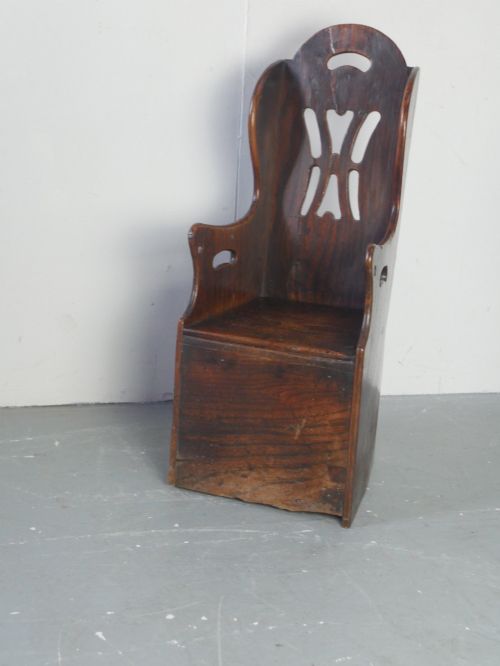
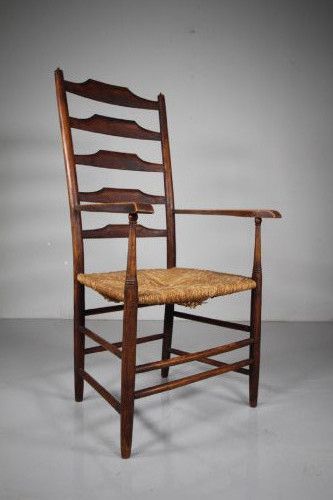
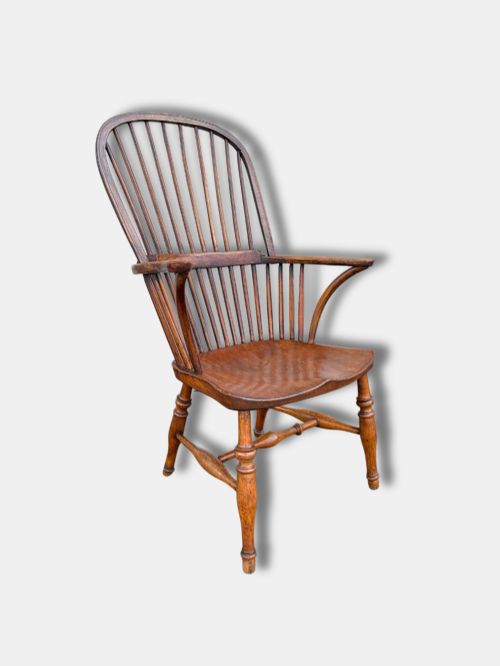
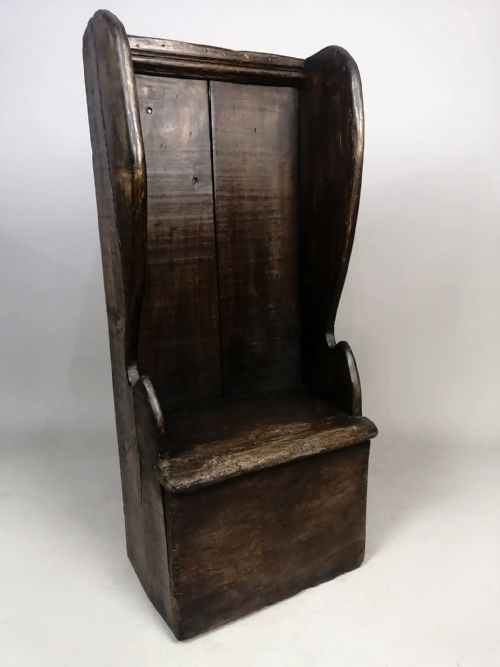
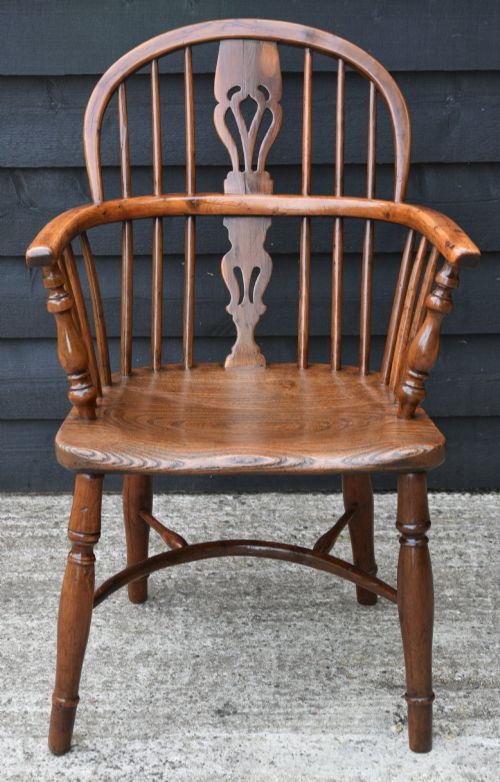
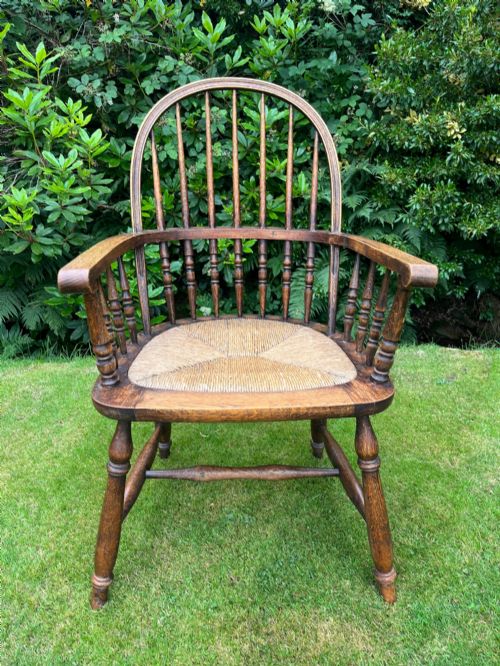
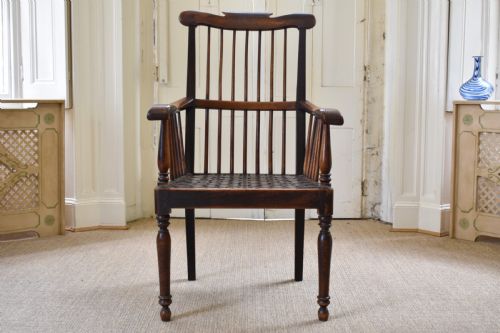
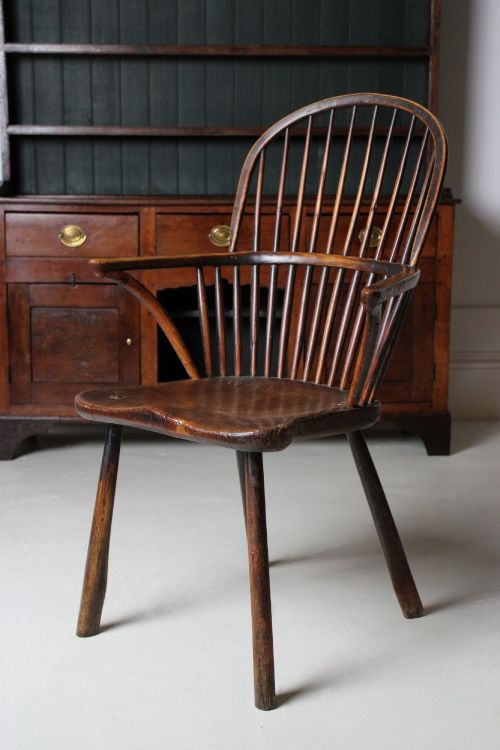
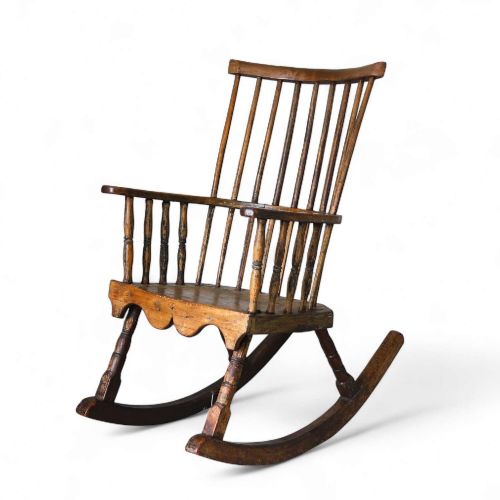
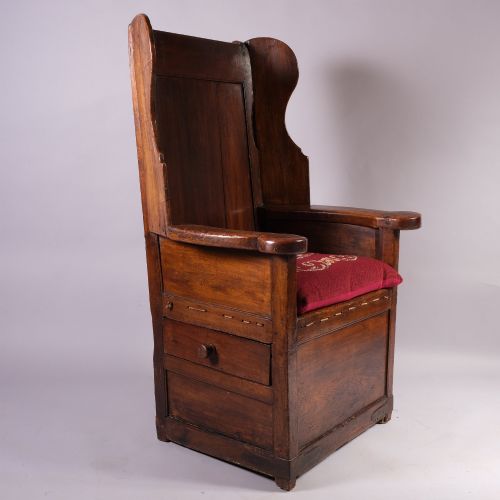
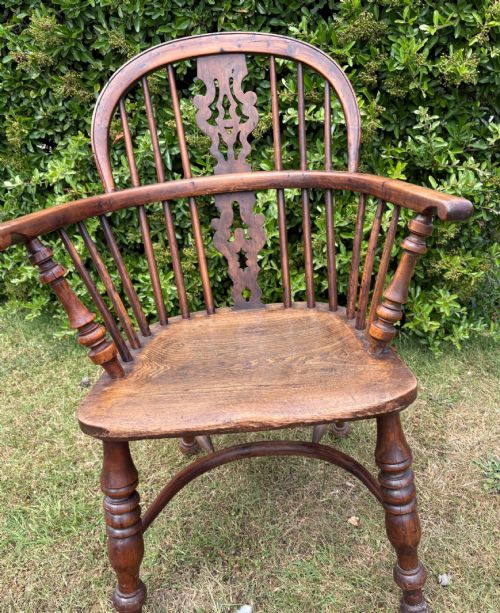
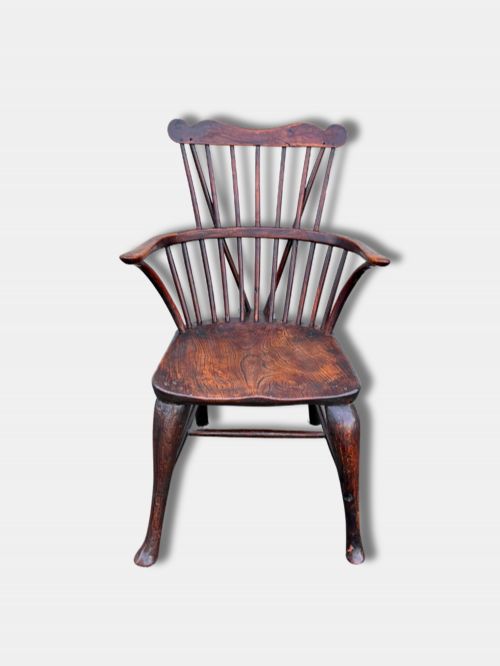
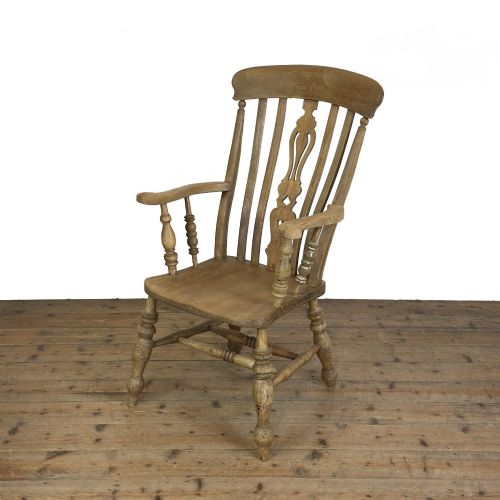
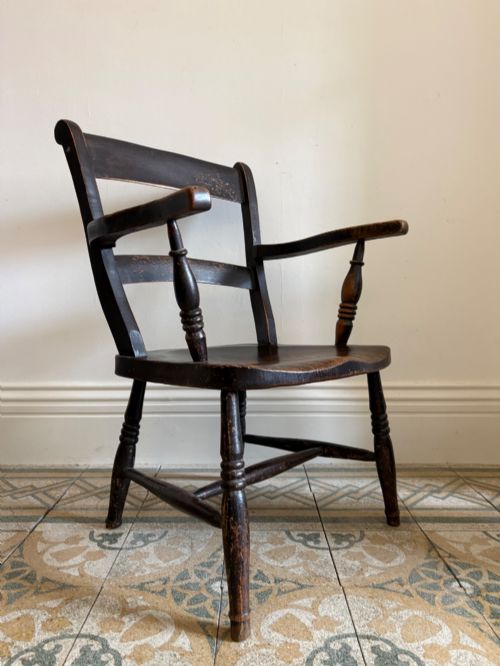
An english vernacular armchair embodies the regional traditions of British country furniture makers, constructed without formal academic design constraints. You encounter examples primarily from the eighteenth and nineteenth centuries, alongside regional variations such as Windsor chairs, lambing chairs, and stickback forms.
Makers utilised native hardwoods that grew locally, giving each regional chair its distinct character. Surviving examples show the heavy wear of daily domestic life, often retaining old surface patination and traces of historic finishes.
How they were made
Traditional construction relies on a combination of turned underframes, steam-bent elements, and solid saddle seats carved from a single slab of timber. Artisans bored holes directly into the thick seat plank to receive tapered legs and back spindles, creating a rigid structure without metal fixings.
Makers combined contrasting native timbers within a single piece, pairing tough woods like ash or beech for the framework with beautifully grained elm, yew, or fruitwood for the seats and armbows. This selection matched the material properties to the specific stresses placed upon legs, spindles, and seats.
Listings feature traditional English vernacular armchairs spanning the eighteenth and nineteenth centuries, constructed predominantly from native ash, elm, and yew wood.
What varies in quality
Quality rests in the balance of proportions, the comfort of the saddle-shaped seat, and the elegance of the steam-bent arm bow or comb back. Superior examples display confident turning on the legs and stretchers, with well-balanced splats and balanced spindle spacing.
The integrity of the original timber and the retention of old surface patination determine the standing of a piece. Chairs that retain their original physical structure without extensive timber replacement or unsympathetic modern repairs command greater appreciation among collectors.
Philip Clissett·Gabbitass Worksop·Fred Walker Rockley
The English Vernacular Armchair Glossary
- Windsor chair
- A chair built with a heavy solid wooden seat into which the legs and back spindles are wedged directly. This form developed distinct regional variations across the Thames Valley, West Country, and northern counties.
- Lambing chair
- A high-backed enclosed wooden armchair designed with solid sides to block draughts near hearths. Early variants often incorporate storage spaces beneath the seat.
- Stickback
- A chair back constructed from plain turned or cleft vertical spindles rather than a solid central splat. This simpler method of construction typifies many country workshop pieces.
- Comb-back
- A Windsor chair design where the central vertical spindles extend upward to support a horizontal top rail resembling a traditional hair comb. These often feature distinctive shaped headrests.
- Elm
- A tough, interlocking native hardwood heavily utilised for chair seats because it resists splitting under the stress of wedged legs. Its distinctive grain pattern contributes much of the visual appeal in country seating.
English Vernacular Armchair: Frequently Asked Questions
What is a vernacular armchair?
A vernacular armchair is a piece of regional seating furniture made by local country craftsmen rather than urban cabinetmakers. These chairs prioritised utilitarian function, comfort, and local timber availability over fashionable academic styles.
Makers built them using native woods like ash, elm, and yew, resulting in robust seating tailored to everyday domestic life in cottages and farmhouses.
How do I identify a Windsor chair?
A Windsor chair is defined by its thick solid wooden seat slab that acts as the central anchor for all other components. The legs, back posts, and spindles fit directly into bored holes in this seat.
Traditional examples feature steam-bent wooden hoops or comb backs supported by turned spindles, differing fundamentally from framed upholstery chairs.
Where were these chairs made?
These chairs were produced in rural workshops, wheelwrights' yards, and chair-making centres across the British countryside. Distinct regional styles emerged in locations such as the Thames Valley, the West Country, and northern counties.
Local makers relied on the specific timber species growing abundantly in their immediate geographic area, creating recognizable local traditions.
How do I care for an antique wooden chair?
Care for an antique wooden chair by keeping it away from direct heat sources, strong sunlight, and rapid humidity fluctuations. These environmental hazards cause native timbers to dry out, shrink, and split.
Apply traditional beeswax occasionally to nourish the historic surface finish and maintain the natural lustre of the aged wood without sealing it with modern synthetic varnishes.