




Historical Portrait Miniature
A historical portrait miniature is a small, intimate painting capturing a notable face, prized for its delicate brushwork and personal scale.
Historical Portrait Miniature
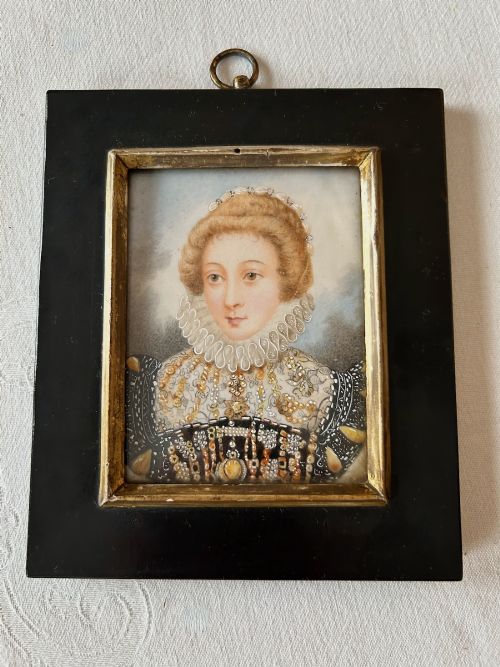
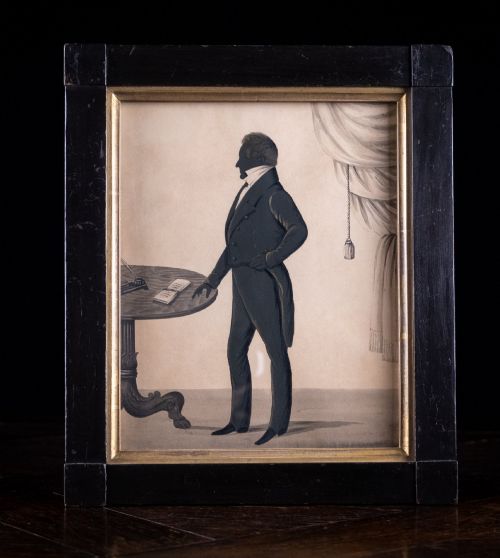
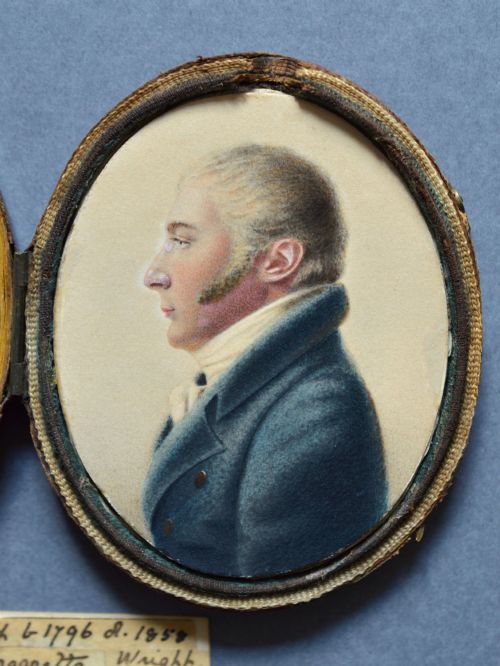
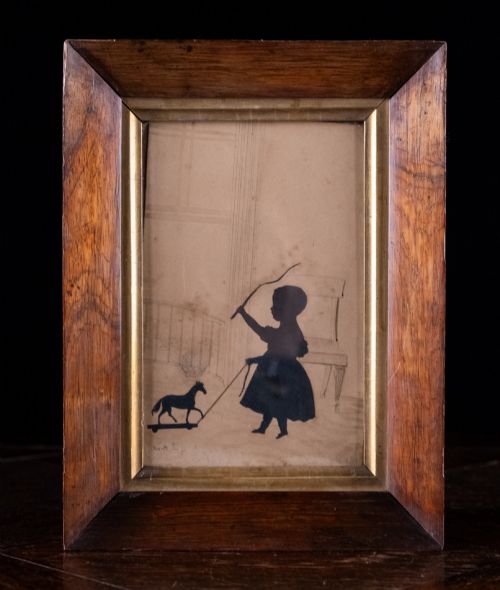
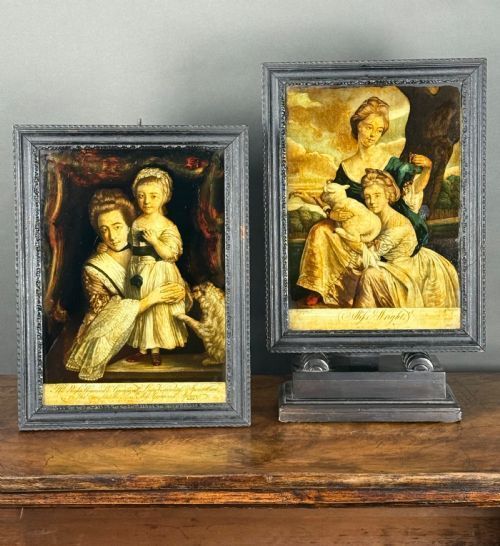
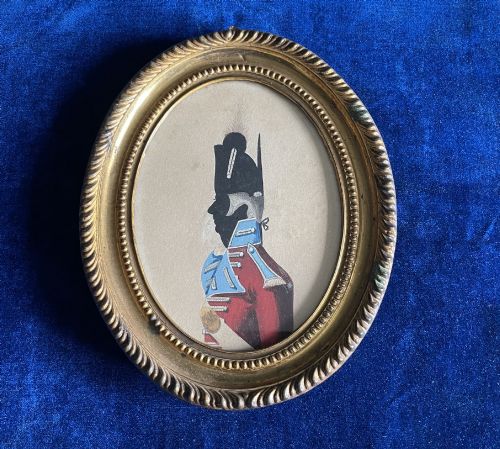
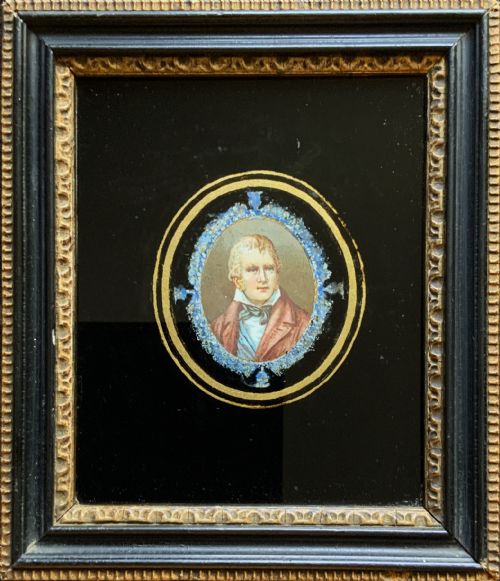
When you search for a historical portrait miniature, you encounter portable painted likenesses spanning the seventeenth, eighteenth, and nineteenth centuries. These small works served as personal tokens, keepsakes, and memorials for nobility and military figures alike.
The versions most commonly met on this page range from Georgian watercolours to nineteenth-century romantic revivals and baroque examples. Subjects include monarchs, earls, captains, and historical figures depicted with striking detail.
Forms vary from framed cabinet pieces to those presented on gilt metal stands. Materials encompass paper, ivory, and copper, reflecting the diverse techniques employed across different centuries.
How They Were Made
These works rely on delicate media such as watercolour and oil applied to rigid supports including ivory, paper, and copper. Artists achieved remarkable precision on a tiny scale through meticulous brushwork.
Protective elements involve glass glazing alongside structural mounts of ebonised wood, gilt metal, and brass. Frames and stands often incorporate hanging loops or easel backs designed for display on desks or walls.
Historical Portrait Miniature Retail Price Guide 2026
Typical asking prices for historical portrait miniature among the pieces listed under this phrase on Sellingantiques today, from the lower quarter to the upper quarter. They describe what is for sale here now, not the wider market.
Some sit ready on tiny gilt metal stands, as if perpetually waiting for a visitor to admire their miniature majesty.
What Varies in Quality
Distinctions in quality rest upon the fidelity of the facial likeness and the nuance of expression captured by the artist. Masterful handling of light and shadow elevates a piece far above a stiff or mechanical rendering.
The refinement of the surrounding materials also dictates standing, where fine hand-chased gilt metal or substantial ebonised wood frames complement the artistry within. Attribution to a recorded hand elevates the historical importance of the object.
Henri Fradelle·John Scougall·Sir William John Newton
The Historical Portrait Miniature Glossary
- Miniature portrait
- A small-scale painting of a human face, traditionally executed on ivory, vellum, or copper. These portable artworks gained popularity during the sixteenth century and remained tokens of affection for generations.
- Watercolour
- A pigment suspended in a water-based solution, frequently utilised on paper or ivory for portrait miniatures. It demands precise application due to its translucent qualities.
- Ebonised wood
- Timber treated to imitate ebony, commonly utilised for dark, polished picture frames. This finish provides a stark, contrasting border that accentuates the delicate colours of the painting.
- Gilt metal
- Base metal treated with a thin layer of gold or gold-coloured wash. It offers the luxurious appearance of solid gold while providing sturdy protection for miniature frames and stands.
- Oil on copper
- A technique involving oil paint applied directly to a thin sheet of copper. This smooth surface allows for minute detail and longevity, seen in earlier seventeenth-century examples.
Historical Portrait Miniature: Frequently Asked Questions
What is a historical portrait miniature?
A historical portrait miniature is a small, highly detailed painting depicting a specific person from past centuries. These portable artworks were often worn, carried, or displayed in private chambers.
They serve as visual records of nobility, military officers, and historical figures, executed in media such as watercolour and oil.
How were portrait miniatures displayed?
Historical miniatures were housed in protective cases, framed for wall hanging, or mounted on stands made of gilt metal and ebonised wood. Some featured hinged covers to keep the painted likeness private.
Portable examples allowed owners to keep images of loved ones close during travel or service abroad.
What materials are used in these miniatures?
Artists painted on supports such as ivory, paper, and copper using watercolour or oil paint. These materials were chosen for their smooth textures which allowed for extreme precision.
Protective enclosures typically incorporate glass, brass, gilt metal, and wood to shield the delicate pigments from damage.
How can I date a portrait miniature?
Dating relies on costume, hair styling, framing style, and the recorded materials or techniques of the period. Seventeenth-century examples often utilise oil on copper, while Georgian and nineteenth-century pieces frequently feature watercolour on ivory or paper.
Inscriptions on the reverse or accompanying documentation also provide reliable chronological anchors.
Who are the subjects of these portraits?
Subjects include monarchs, military captains, earls, and notable historical personages such as Mary, Queen of Scots or Martin Luther. These individuals were recorded for their status, achievements, or religious significance.
Commissioned portraits commemorated family members, while historical depictions honoured figures from earlier eras.