


Historical Military Portrait Art
Historical military portrait art captures officers, commanders and soldiers in oil, canvas and print from the seventeenth century onwards.
Historical Military Portrait Art
Historical military portrait art centres on depictions of soldiers, officers, generals and naval commanders across centuries of conflict and peace. Buyers seek these pieces to study uniform details, commission historic visual records or display significant figures from past regiments.
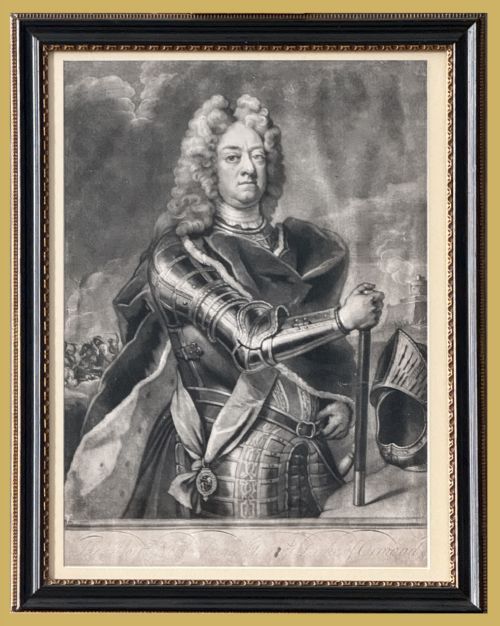
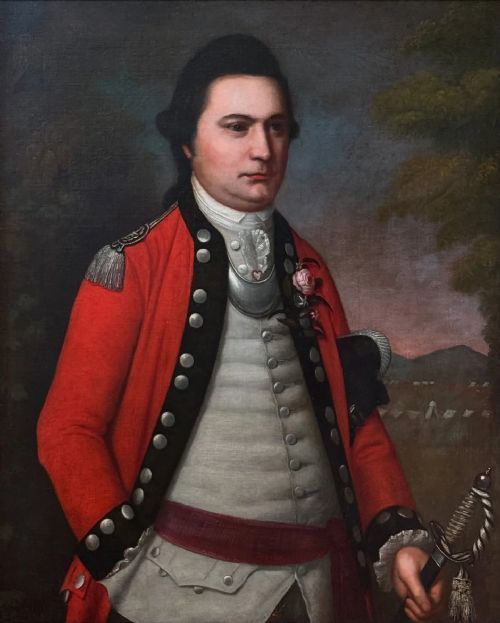
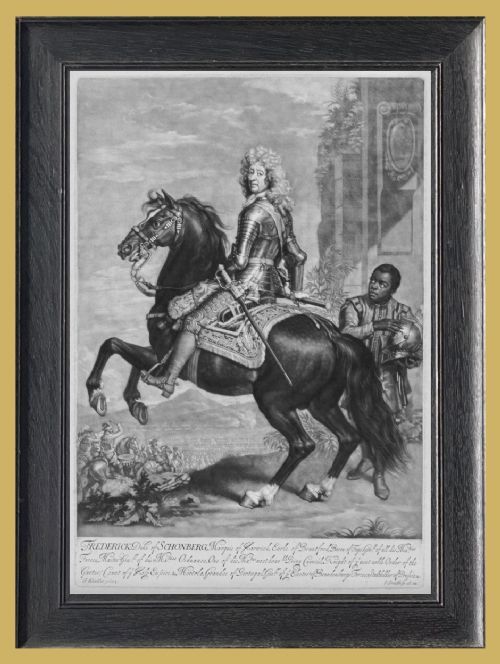
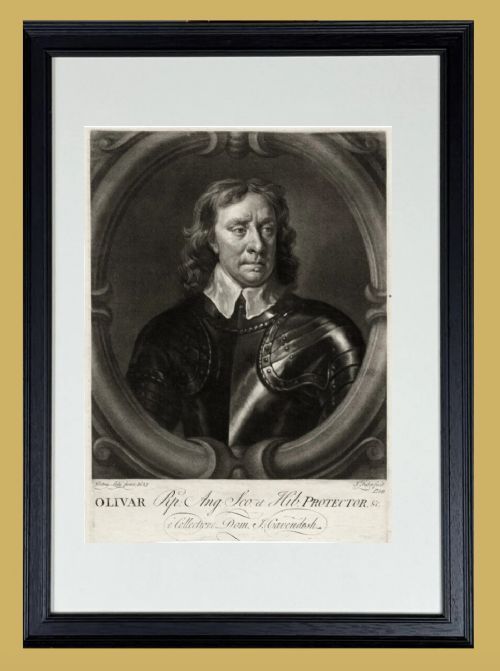
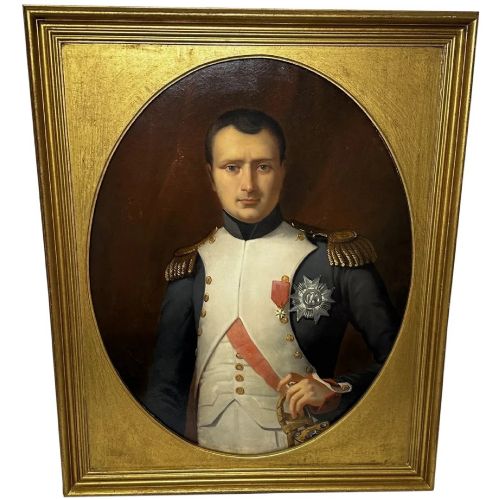
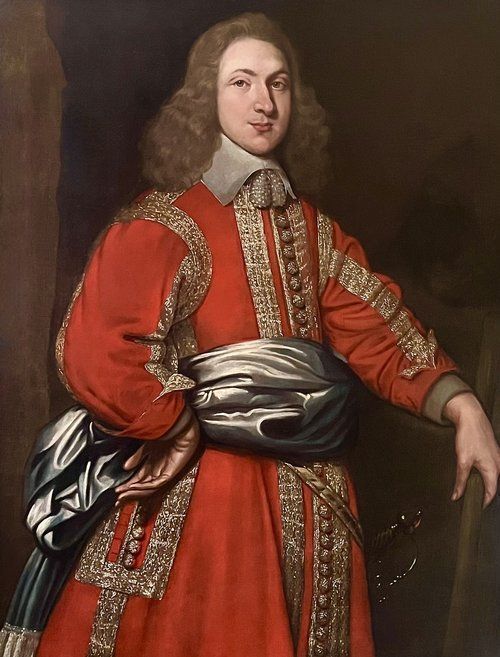
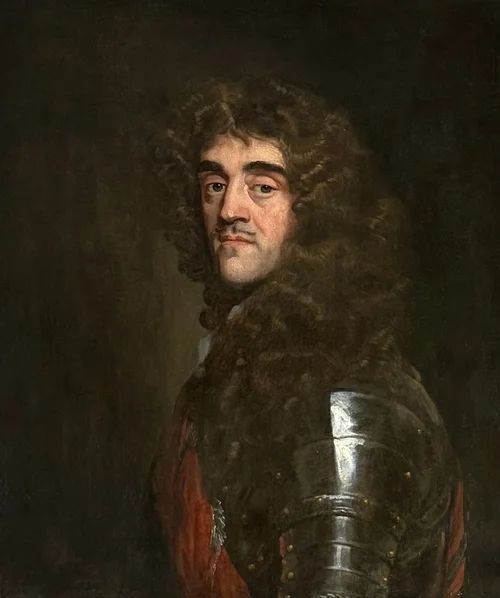
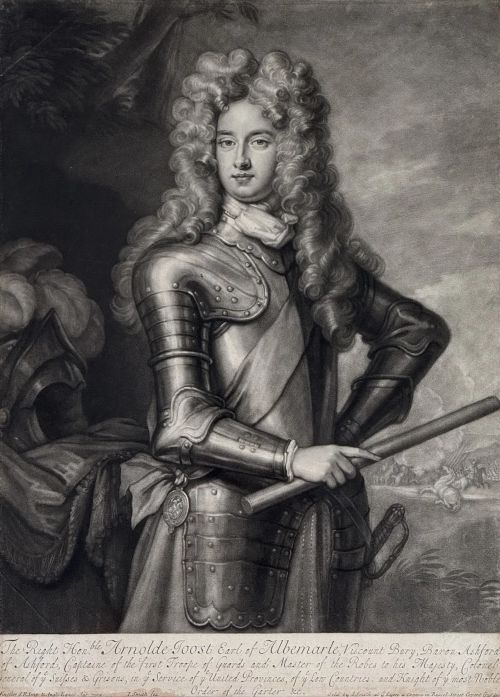
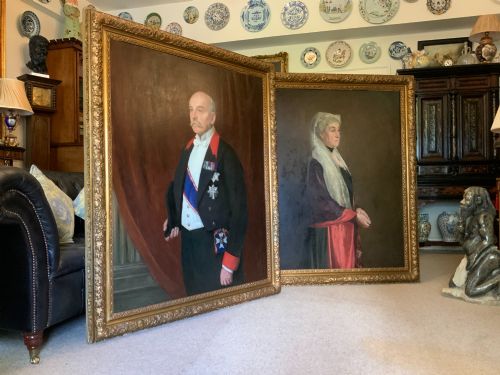
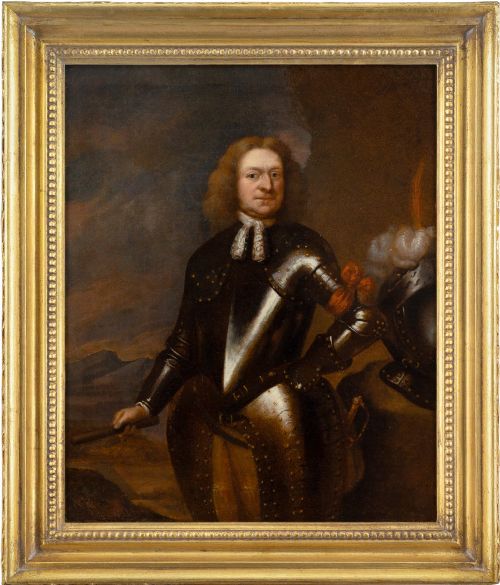
The works take several distinct forms, ranging from large oil paintings on canvas in giltwood frames to smaller portrait miniatures and printed mezzotints. Seventeenth and eighteenth-century examples frequently show subjects in full suits of armour or red coats, while nineteenth-century works record specific campaigns and leaders.
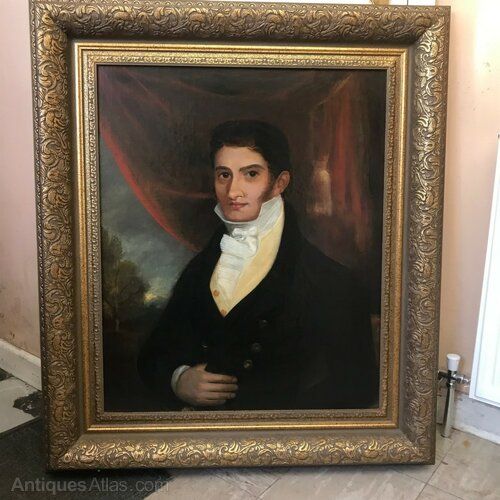
Oil paintings on canvas dominate the selection, accompanied by works on paper, watercolour, wash and engraved prints. Subjects include named figures such as military commanders and royalty, alongside anonymous officers from British, French, Dutch and German schools.
Materials and methods
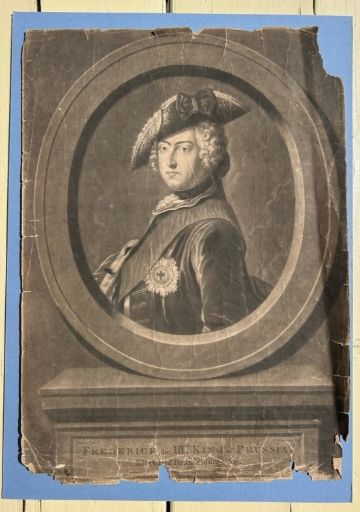
Artists painted primarily with oil on canvas or wood panels, building rich tones for uniforms, sashes and armour. Mezzotint engravings and paper prints offered a secondary method for reproducing likenesses using copper plates and ink.
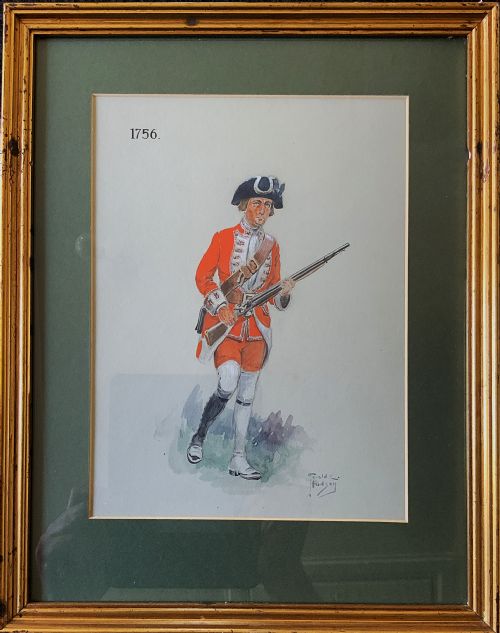
Frames often utilised giltwood or gilt wood, providing decorative borders that matched the status of the sitter. Watercolours and wash techniques appeared on paper for detailed field or studio sketches.
Listings span periods from the seventeenth century to the 1950s, utilising oil on canvas, paper, wood, glass and giltwood.
Judging the works
Quality rests upon the skill of the brushwork in rendering facial likeness, fabric texture and the glint of steel armour. Works by recorded artists or established studios demonstrate superior proportion and depth compared to simpler provincial or later student copies.
The condition of the canvas, the clarity of the print impression and the integrity of the original framing elements influence the overall standard of the piece.
John Simon·Michael Dahl·Stickland Lowry·John Smith·Sir Godfrey Kneller·Sir Peter Lely·Antoine Pesne·Ernest Crofts·Sir Thomas Lawrence·Francis Russell Flint
The Historical Military Portrait Art Glossary
- Mezzotint
- A printmaking process of the intaglio family where the artist works from dark to light by roughening the copper plate. This technique allows for rich tonal variations well suited to dramatic portraiture.
- Cavalier
- A term for a supporter of King Charles I during the English Civil War, frequently depicted in art with long hair, lace collars and armour. The style persists in seventeenth-century military painting.
- Giltwood
- Wood that has been coated with thin gold leaf or powder, commonly used for decorative antique picture frames. It adds warmth and reflection to the perimeter of oil paintings.
- Portrait miniature
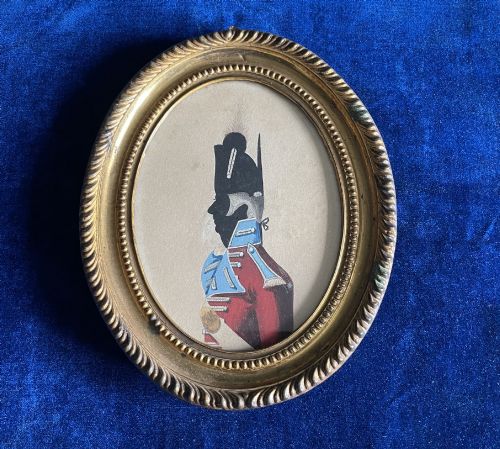
- A small, highly detailed painting on vellum, paper or card, popular before the widespread use of photography. Military examples recorded officers for family members during campaigns.
Historical Military Portrait Art: Frequently Asked Questions
What periods do these portraits cover?
The works span from the seventeenth century through the Victorian era and into the mid-twentieth century.
Earliest examples feature seventeenth-century officers in armour, while later pieces record nineteenth-century generals and twentieth-century commanders.
How were these military portraits displayed originally?
Officers and nobility hung large oil paintings in country houses, regimental messes and administrative headquarters.
Smaller prints and miniatures remained in private studies or travelled with families during military postings.
How can I tell an original painting from a later copy?
Examination of the canvas weave, pigment composition and stretcher bars helps determine the age of an oil painting.
Signature styles and the handling of uniform details by specific schools or artists also guide dating.
What subjects appear besides British soldiers?
Listings include French, Dutch, German and Italian commanders, alongside figures from specific conflicts like the Civil War and the Napoleonic Wars.
Subjects range from royalty and generals to naval officers and militia members.