



Black Wood Portrait Miniature
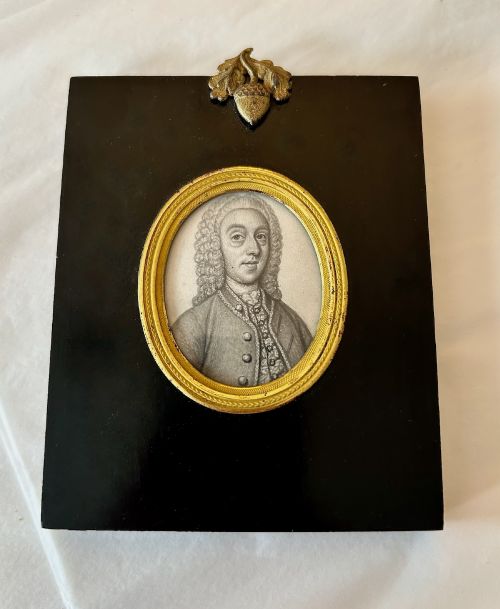
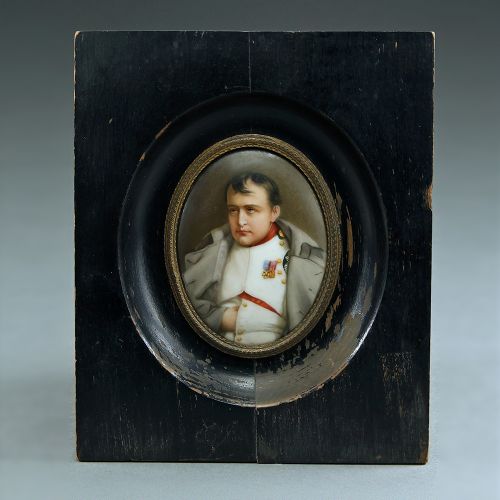
These black wood portrait miniature pieces capture intimate likenesses in miniature, offering a glimpse into past centuries through delicate silhouettes and paintings.
Black Wood Portrait Miniature
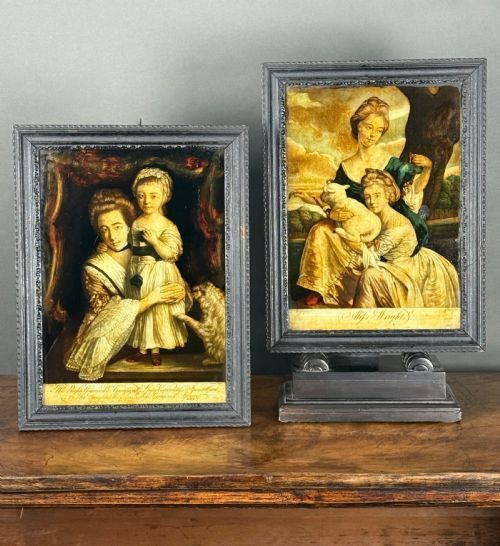
When you search for black wood portrait miniature pieces, you encounter framed artwork and wall art produced across the 18th century, Regency, Georgian, and Victorian periods. These works capture historical subjects through painting, silhouette, and reverse glass mezzotint techniques.
The most common examples on this page comprise framed silhouettes and painted miniatures enclosed within dark timber frames. They span British, French Empire, and American folk art origins, reflecting diverse regional aesthetics of the period.
Makers and artists represented in this tradition include named practitioners such as John Taylor, Augustin Edouart, and Bateman. Their works demonstrate the varied portrait formats available to collectors of antique miniatures.
Materials and construction methods
Artisans constructed these works using wood, ebonised wood, paper, glass, and brass components. Paint, ink, and gold leaf frequently appear as primary mediums for the miniature portraits and silhouettes.
Frames utilise dark woods or ebonising techniques to contrast with the delicate interior imagery. Protective glass fronts and brass hangers or bezels complete the structural assembly of these miniature artworks.
Black Wood Portrait Miniature Retail Price Guide 2026
Typical asking prices for black wood portrait miniature among the pieces listed under this phrase on Sellingantiques today, from the lower quarter to the upper quarter. They describe what is for sale here now, not the wider market.
Augustin Edouart was so prolific he amassed thousands of cut silhouettes, presumably carrying his scissors everywhere he walked.
Markers of distinction and craftsmanship
The integrity of the ebonised wood frame and original brass fittings contributes significantly to the overall merit of the piece. Untouched backs and legible signatures or attributions elevate the historical weight of the artwork.
John Taylor·Augustin Edouart·Bateman
The Black Wood Portrait Miniature Glossary
- Silhouette
- A portrait profile cut from dark paper or painted in solid black against a lighter background. This method gained immense popularity during the Georgian and Regency eras.
- Plumbago
- A delicate drawing executed in graphite, taking its name from the Latin word for lead ore. John Taylor utilised this refined technique for detailed portraiture.
- Ebonised wood
- Timber treated with a dark stain or finish to imitate expensive ebony. This material provided the traditional dark border for portrait miniatures.
- Reverse glass mezzotint
- An intricate printmaking method applied directly to the underside of a glass plate. The resulting image offers a distinct glossy finish protected from atmospheric damage.
Black Wood Portrait Miniature: Frequently Asked Questions
What periods do these miniatures come from?
The pieces span the 18th century, Georgian, Regency, and Victorian eras. Each period brings distinct framing choices and portrait styles.
Collectors find that earlier examples often feature plumbago or reverse glass work, while later Victorian pieces lean towards detailed silhouettes and painted miniatures.
How were these portrait miniatures displayed?
These artworks were designed specifically for wall display in domestic interiors. They frequently hung in intimate spaces like boudoirs or study rooms.
Many retain their original brass loops or hanging rings, allowing them to be grouped together in traditional gallery arrangements.
Are the silhouettes painted or cut paper?
Silhouettes in this category utilise both cut paper applied to a backing and direct ink painting on paper or card. Some incorporate delicate highlights in gold leaf.
Artists utilised these varied methods to render the specific details of hair, lace, and gentlemanly attire.
How do I care for antique wood frames?
Antique ebonised wood frames require stable indoor humidity and protection from direct sunlight. Dust them gently with a dry, soft cloth without applying modern liquid polishes.
The historical glass and paper components inside benefit from remaining sealed within their original housings.