
Historical Lady Portrait
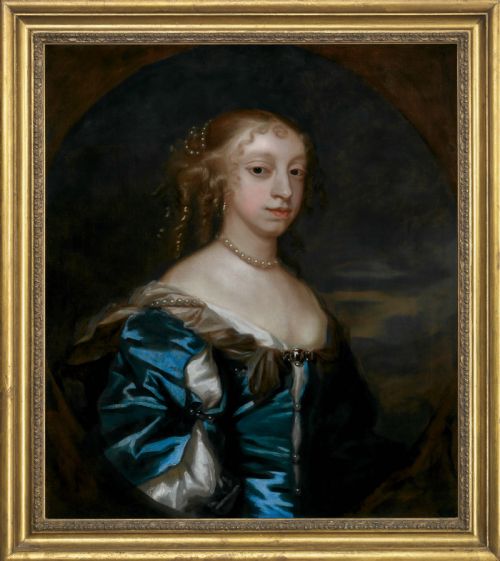
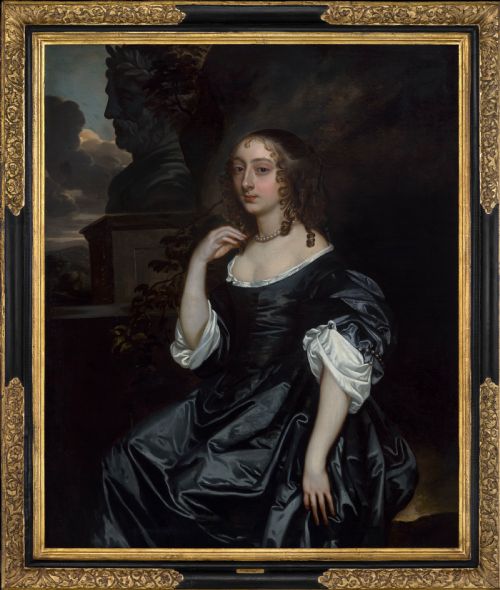
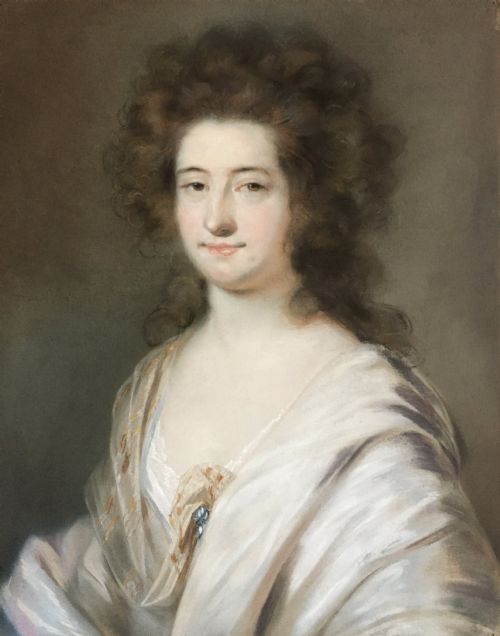
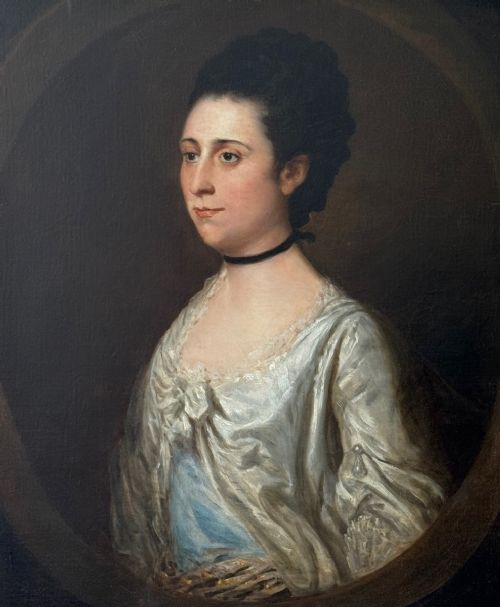
A historical lady portrait captures the likeness and status of women from centuries past, offering a direct visual connection to earlier eras.
Historical Lady Portrait
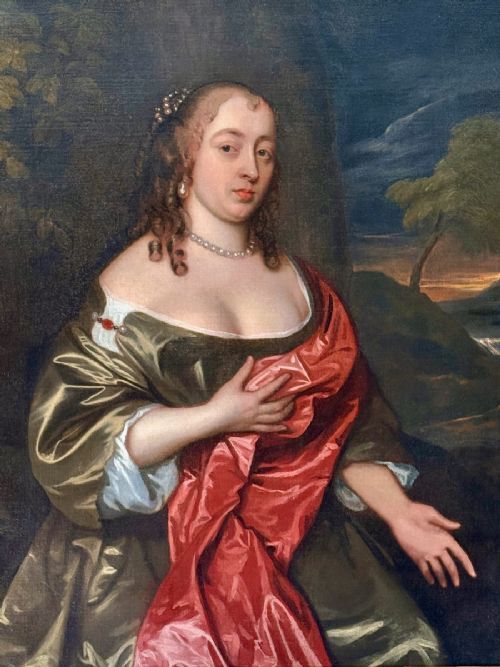
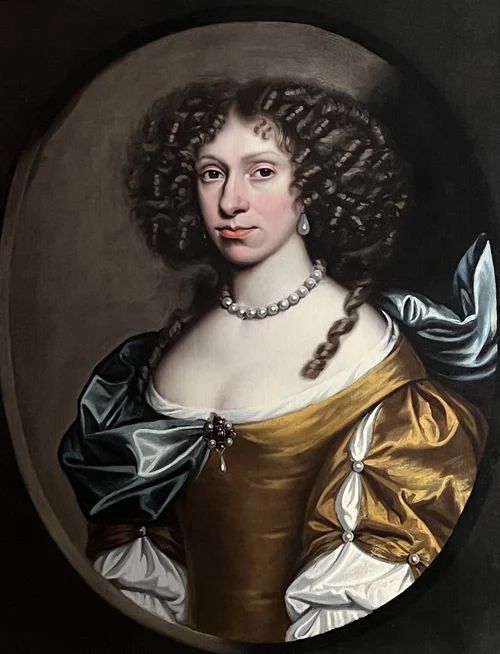
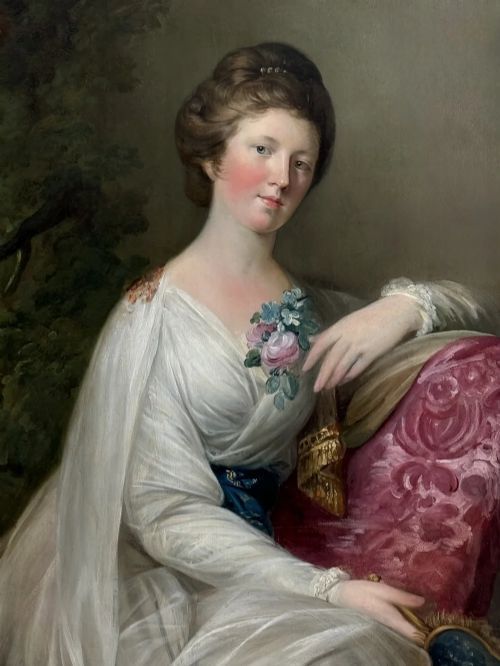
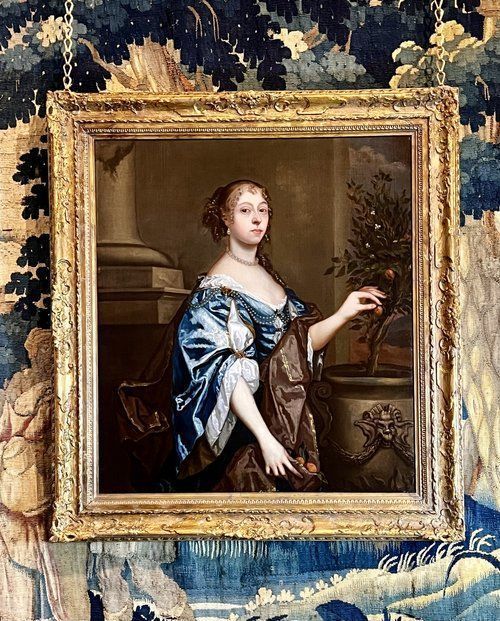
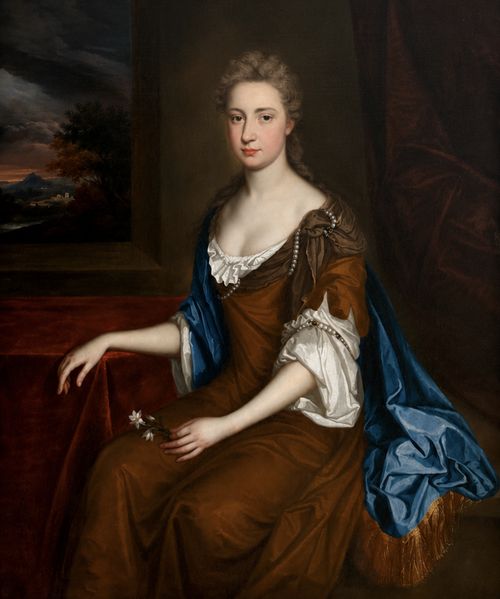
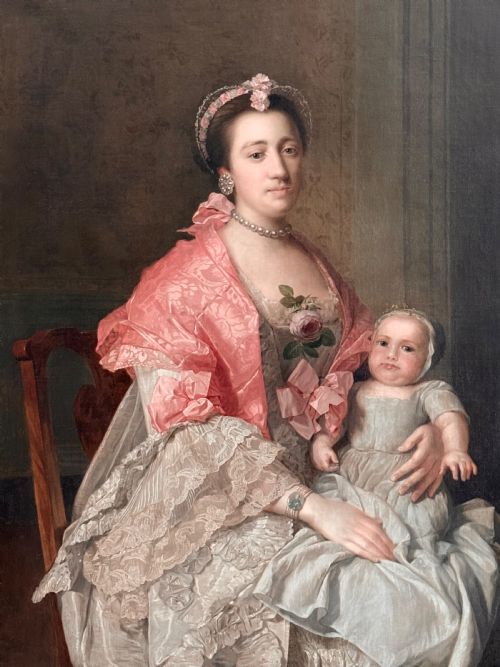
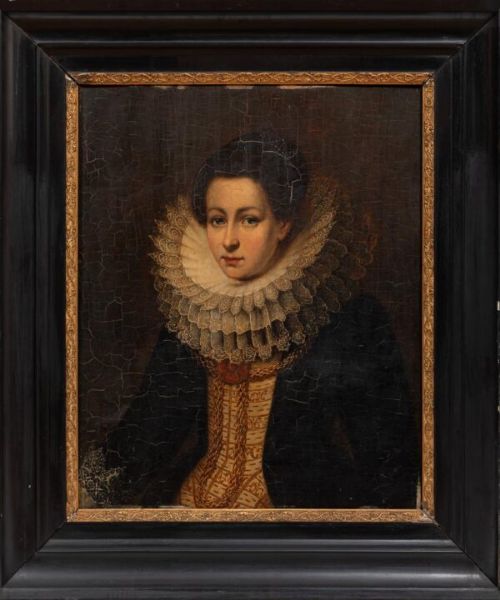
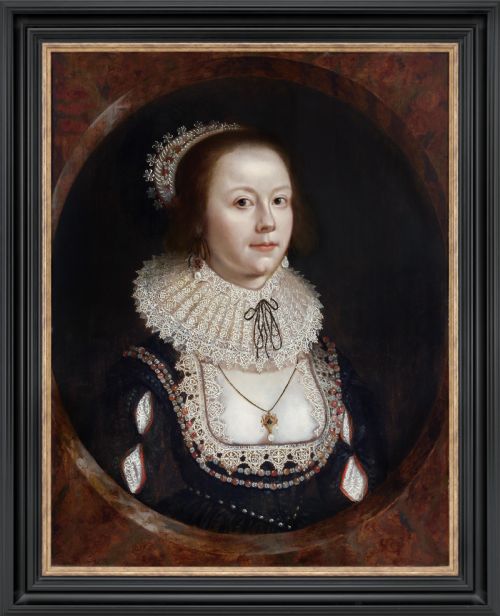
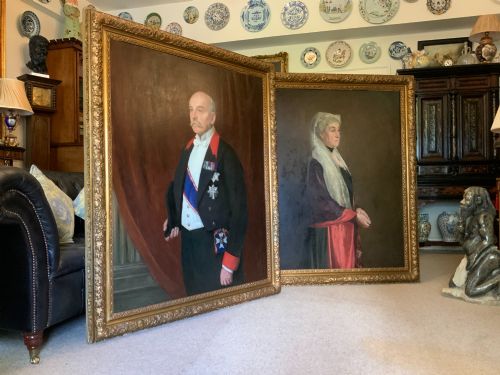
A historical lady portrait on this page spans from the seventeenth century through the early twentieth century, encompassing oil paintings, watercolours, pastels, and pencil drawings. Buyers will find works originating from British, Dutch, and Italian schools, rendered on canvas, panel, paper, or glass.
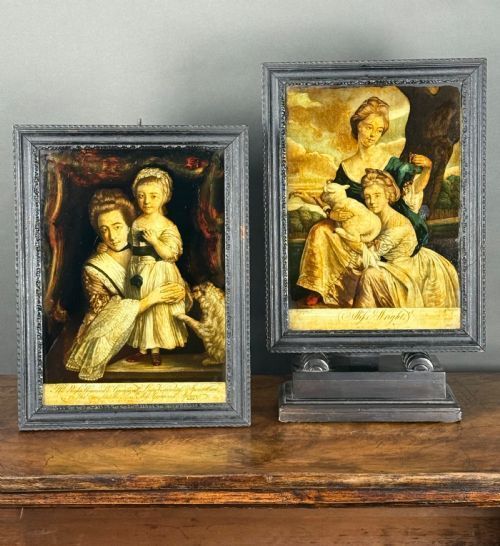
The most common subjects encountered here are aristocratic women, noblewomen, and female family members depicted in formal attire, sometimes styled as mythological figures or set within landscapes. These pieces range from full-scale oil on canvas works to intimate portrait miniatures and reverse glass mezzotints.
Materials and Techniques
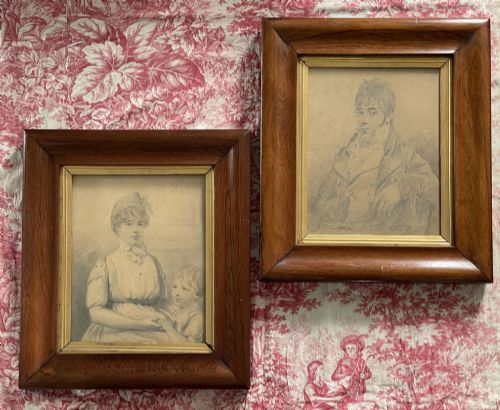
Artists typically applied oil paint to stretched canvas or wooden panels, building up rich layers for garments, lace, and skin tones. Works on paper utilise watercolour, pastel, gouache, or graphite, often protected behind glass within period frames.
Support materials like canvas and panel required careful preparation with gesso or priming layers before the artist sketched and painted the sitter. Engraving and mezzotint techniques allowed printmakers to reproduce painted compositions onto paper or glass surfaces.
Historical Lady Portrait Retail Price Guide 2026
Typical asking prices for historical lady portrait among the pieces listed under this phrase on Sellingantiques today, from the lower quarter to the upper quarter. They describe what is for sale here now, not the wider market.
Listings feature oil on canvas, paper, canvas, giltwood, watercolour, oil paint, gilt wood, and glass across multiple centuries.
Defining Quality
Quality in these works rests upon the skill of the hand in rendering facial expression, bone structure, and the tactile textures of textiles such as silk, velvet, and lace. Studio pieces and followers demonstrate competent execution, whereas primary works by named artists display superior draughtsmanship and psychological depth.
The integrity of the original surface, the subtlety of the colour palette, and the compatibility of the surrounding frame contribute significantly to the standing of a piece. Finer examples retain their original pigments without heavy overpainting, allowing the intended character of the sitter to emerge clearly.
JOHN HAYLS·DAVID SCOUGALL·GEORGE WILLISON·PIETER BORSSELER·SIR PETER LELY·JOHN RUSSELL·THOMAS BEACH·SIR ALLAN RAMSAY·VALENTINE GREEN·SIR JOSHUA REYNOLDS·CORNELIUS JOHNSON·NICOLAS FOUCHE·SUSIE LASSAM·THOMAS GAINSBOROUGH·GEORGE HARGREAVES·THOMAS WOOLNOTH·CHARLES JERVAS·ARTHUR POND·SIR GODFREY KNELLER
The Historical Lady Portrait Glossary
- Mezzotint
- A printmaking process where the copper plate is roughened to produce dark tones, allowing for smooth gradations of light and shade. This technique was frequently utilised in the eighteenth century to reproduce famous oil paintings.
- Portrait miniature
- A small, highly detailed painting executed on vellum, ivory, card, or copper, often commissioned to commemorate family members or intimate relationships. These pieces were frequently housed in protective lockets or folding cases.
- Giltwood
- Wood that has been coated with a thin layer of gold leaf or gold powder, commonly used for ornate picture frames during the baroque and georgian periods.
- Ruff collar
- A prominent, pleated starched linen collar worn around the neck during the late sixteenth and seventeenth centuries, indicating high social status and wealth through its elaborate construction.
- Gouache
- An opaque water-based paint that includes a binding agent, producing a denser and flatter finish than traditional watercolour.
Historical Lady Portrait: Frequently Asked Questions
What is a portrait miniature?
A portrait miniature is a small-scale painting, often created on card, vellum, or ivory, designed to be held in the hand or worn upon the person.
These portable artworks were popular tokens of affection and remembrance among families before the widespread use of photography.
How do I identify the period of a painting?
Period identification relies primarily on the style of the sitter's clothing, hair styling, and framing materials, alongside any recorded artist signatures.
Changes in portrait conventions across centuries, from stiff seventeenth-century ruffs to flowing georgian silks and victorian modesty, provide clear chronological markers.
What is a reverse glass mezzotint?
A reverse glass mezzotint is an image transferred and applied directly to the underside of a glass sheet, then hand-coloured from behind.
This specialist technique protects the delicate print surface beneath the glass and imparts a distinct luminous quality to the finished piece.
How should I care for an antique oil painting?
Antique oil paintings require stable indoor humidity and protection from direct sunlight to prevent the canvas from sagging and the pigments from fading.
Dusting should be performed gently with a soft, dry brush, avoiding any moisture or commercial cleaning agents on the painted surface.