


Framed Period Portrait
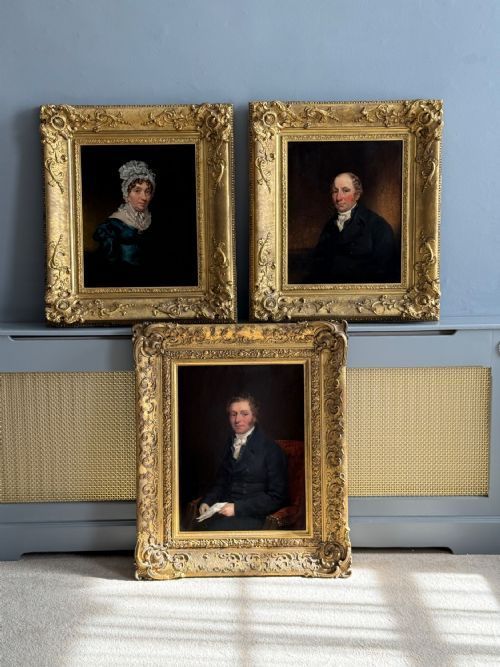
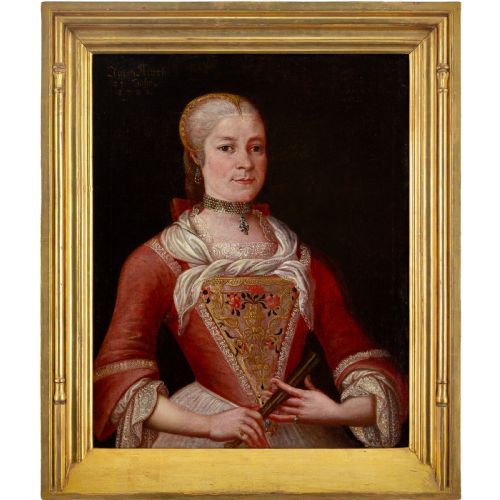
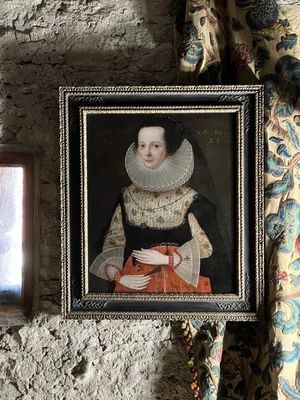
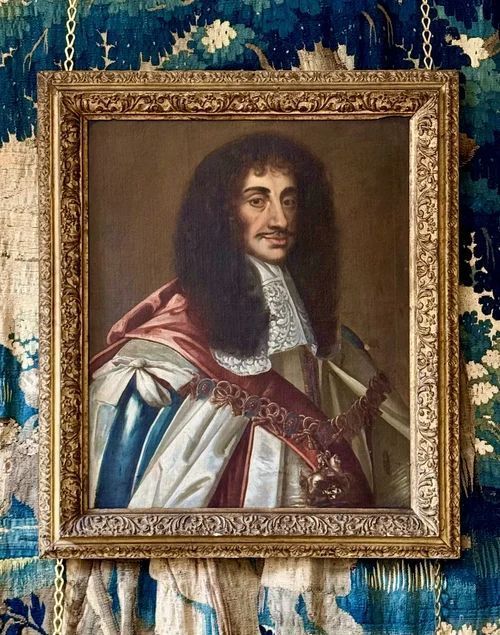
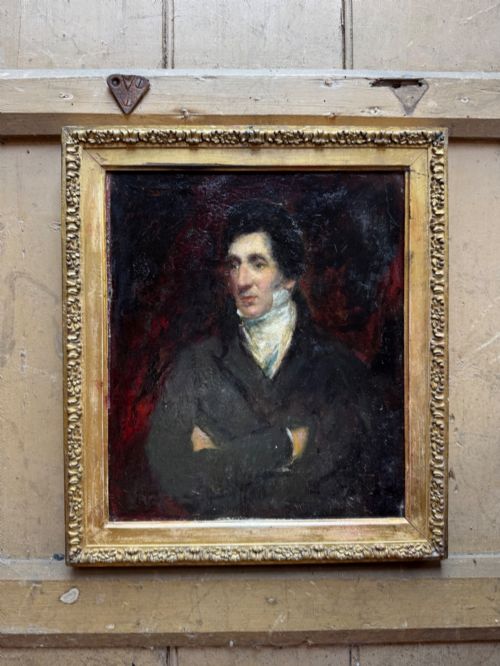
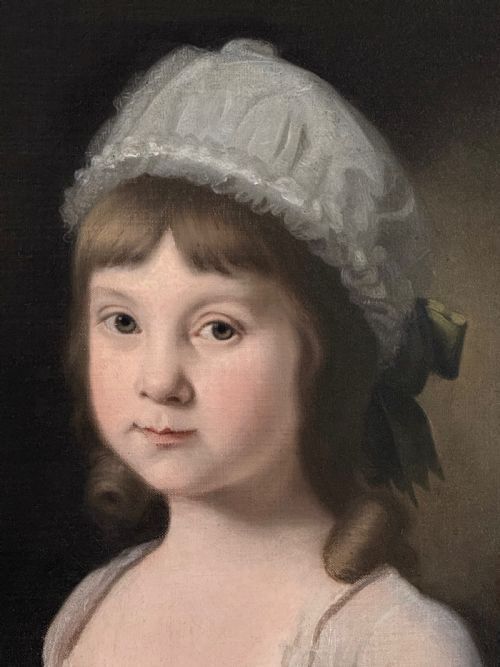
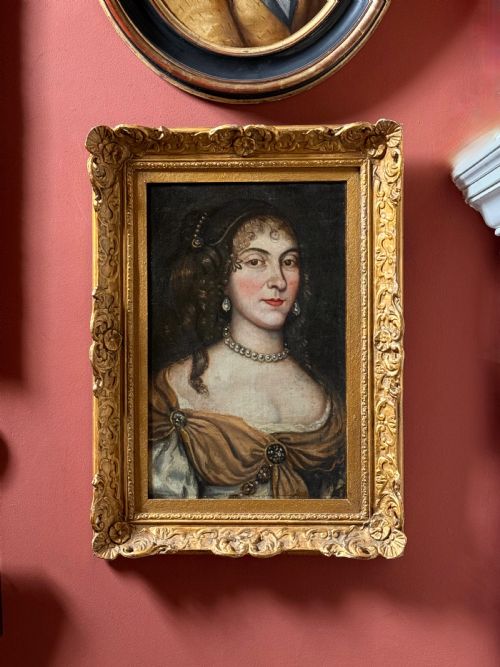
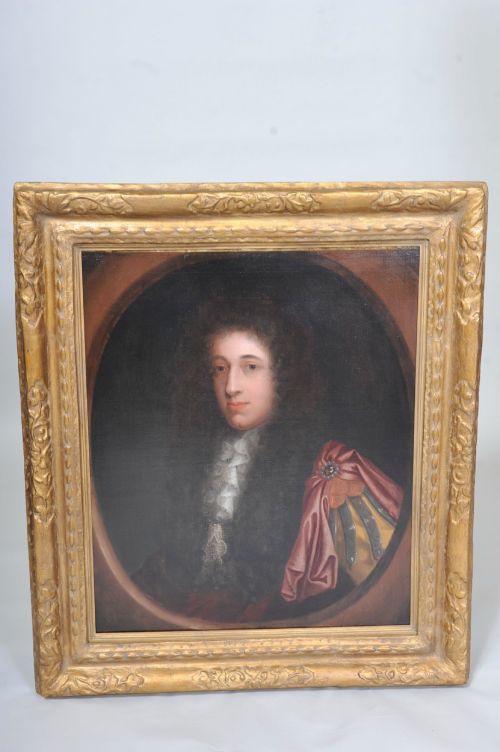
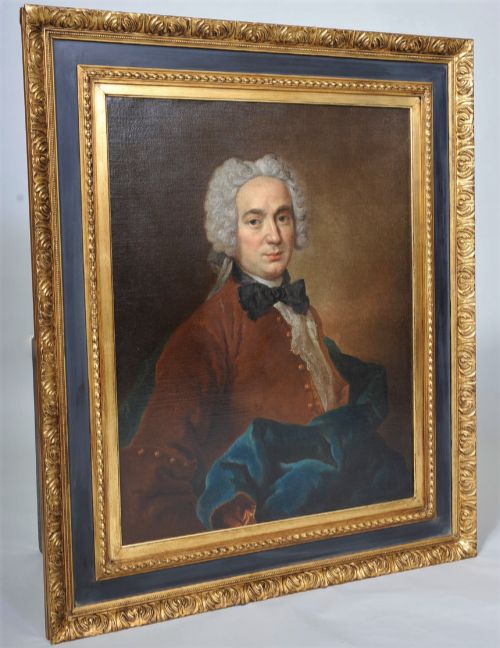
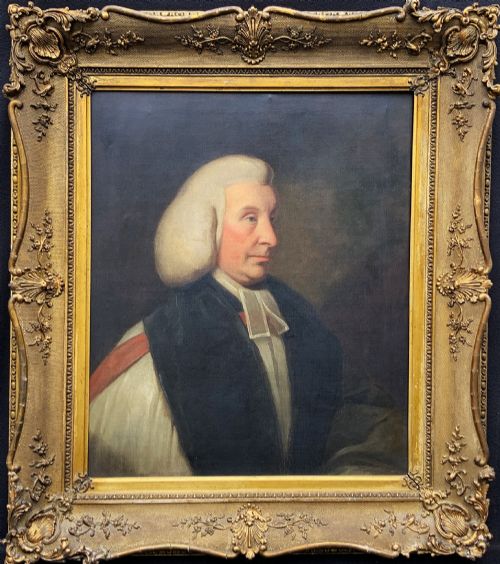
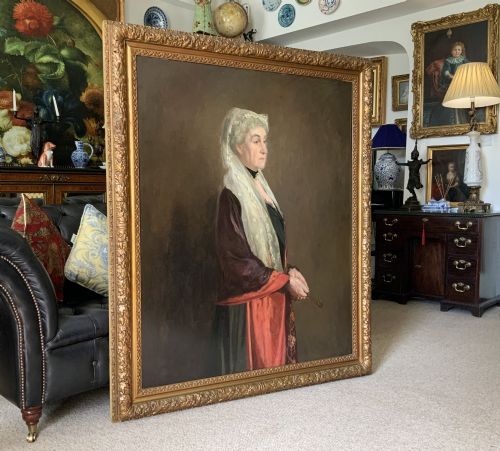
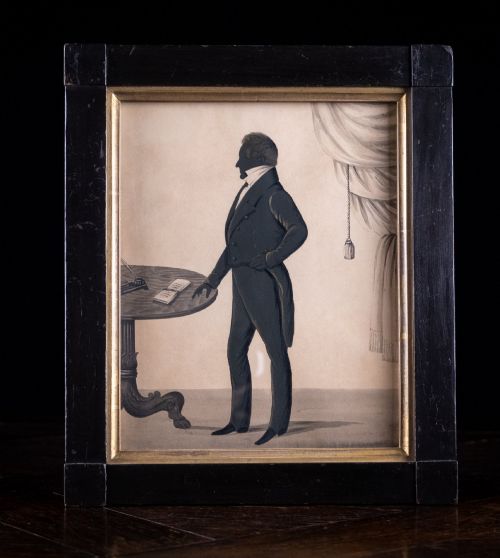
A framed period portrait captures an individual likeness in oil, pastel or engraving, preserving historical character within its original boundary.
Framed Period Portrait
A framed period portrait offers a direct encounter with past figures, spanning the seventeenth, eighteenth and nineteenth centuries.
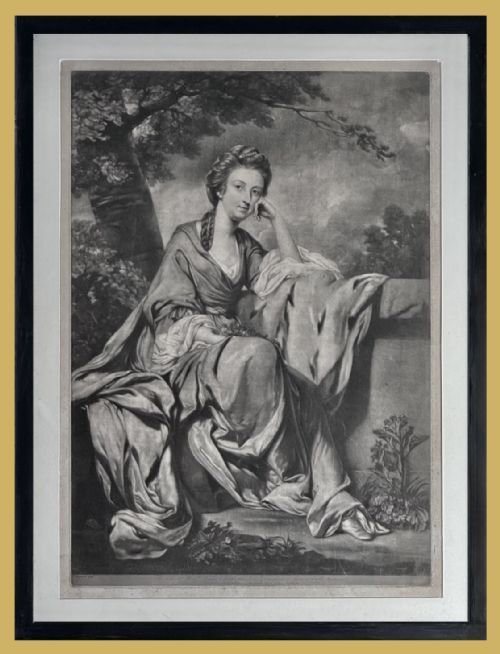
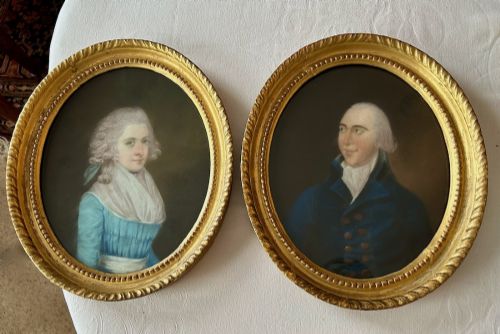
The selections available range from large oil paintings on canvas and panel to delicate pastel portraits and printed mezzotints.
Buyers frequently encounter works attributed to specific schools, circles of known artists, or formal portrait miniatures housed in period frames.
Materials and Construction
Makers applied oil paint to stretched canvas or wooden panels, utilising pigments that settled into rich surface textures over centuries.
Pastel works on paper captured softer facial tones, while mezzotint engravings transferred inked metal plates onto paper sheets.
Surrounding these artworks are wooden frames finished in giltwood or gold leaf, providing structural support and period enclosure.
Materials recorded across the inventory include canvas, wood, giltwood, paper, glass, and gold leaf.
Distinctions in Execution
Quality rests in the anatomical precision of the hands and face, alongside the depth achieved in the subject's drapery and costume.
Original frames matching the exact age of the artwork elevate the integrity of the piece compared to later replacements.
The hand of a documented master or a closely linked studio circle distinguishes standard regional records from superior artistic achievements.
Edward Fisher·Sir Joshua Reynolds·Joseph Clover·John Smith·Thomas Murray·John Hayls·Sir Peter Lely·Sir Godfrey Kneller·John Russell·James McArdell·Jeremiah Meyer·Van Dyck·Robert Williams·John Michael Wright·Francis Hayman·Trajan Hughes·Jeremiah Davison·Moses Vanderbank
The Framed Period Portrait Glossary
- Mezzotint
- A printmaking process where the copper plate is roughened to achieve rich tonal gradations and dark backgrounds. This technique became popular for reproducing famous oil paintings.
- Panel
- A solid piece of wood, often oak or mahogany, utilised as a rigid painting surface before canvas dominated. Many early works were executed directly on these prepared boards.
- Giltwood
- Wood carved and coated with a thin layer of gold leaf or metallic powder. It provides the decorative border seen on traditional picture frames.
- Pastel
- A dry medium composed of powdered pigment and a binder, pressed into stick form. Artists applied it to paper to achieve velvety textures and lifelike skin tones.
- Circle of
- A designation indicating the artwork was produced by an unidentified hand working closely alongside a master. It reflects the distinct style of a known workshop.
Framed Period Portrait: Frequently Asked Questions
How do I date a portrait?
Dating relies on stylistic clues found within the clothing, hairstyles and ruffs worn by the sitter. Clothing changes rapidly across decades, offering a reliable anchor for the year of creation.
Secondary evidence includes the construction methods of the canvas stretcher, the wood grain of the panel, and the joinery of the matching frame.
What is a mezzotint portrait?
A mezzotint is an early printmaking technique that allows for subtle graduations of light and shadow rather than simple lines. Artists worked from dark to light on a roughened copper plate.
These prints frequently reproduced famous painted portraits, allowing wider audiences to own likenesses of nobility and notable public figures.
Are these portraits original?
The listings comprise historic works created during the specific periods stated, rather than modern reproductions. Many retain their original or contemporary period frames.
Attributions often point to specific schools, followers, or circles of known artists active during the seventeenth, eighteenth, and nineteenth centuries.
How should I hang my portrait?
Select an interior wall away from direct sunlight and sources of excessive heat to protect the delicate pigments and wooden panels. Secure hardware rated to support the combined weight of the artwork and its heavy frame.
Ensure the centre of the canvas aligns with eye level for optimal viewing comfort in a domestic setting.