

Pastel Portrait Drawing
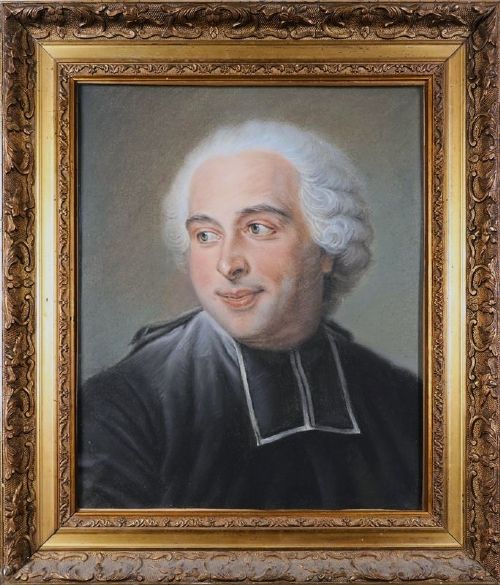
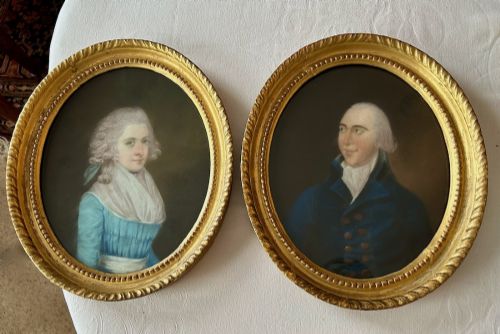
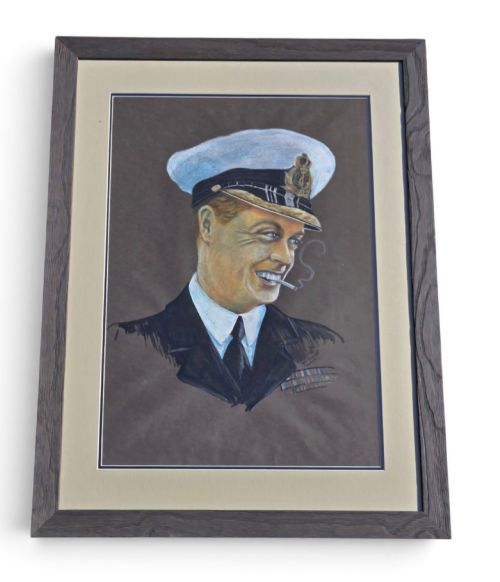
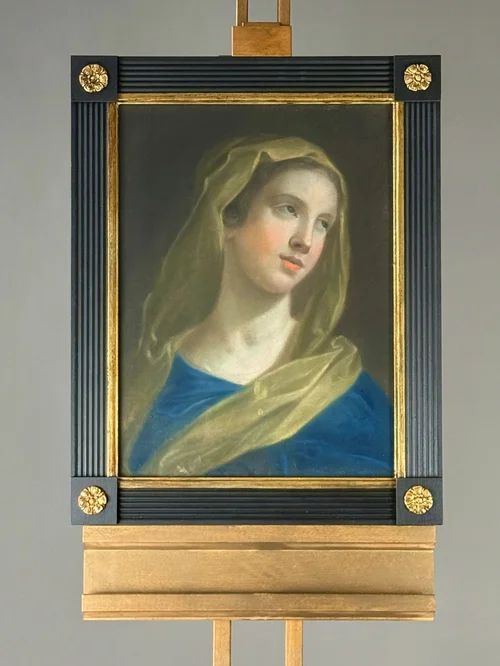
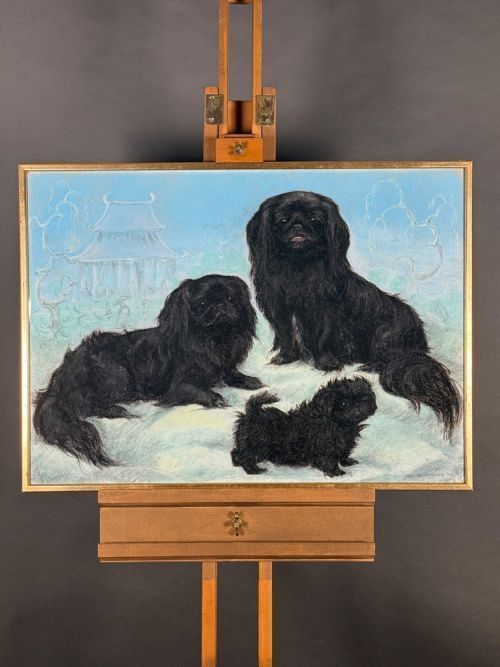
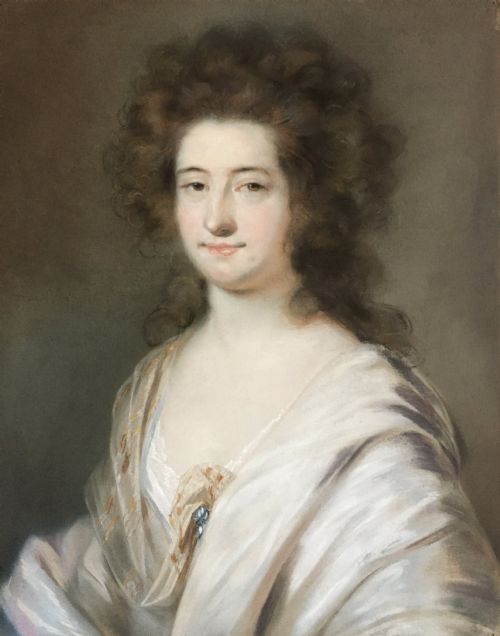
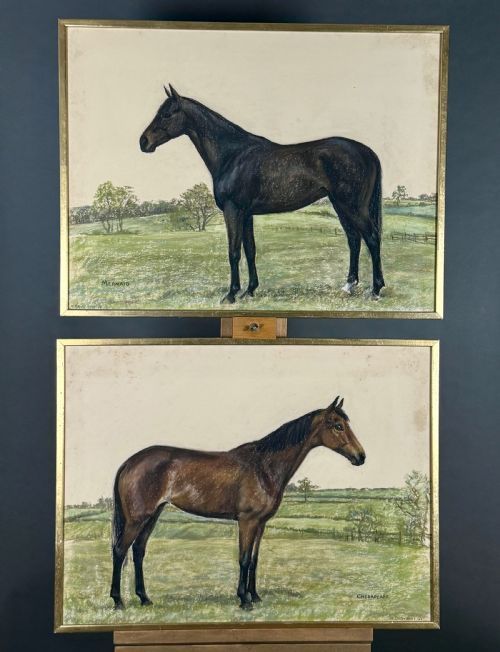
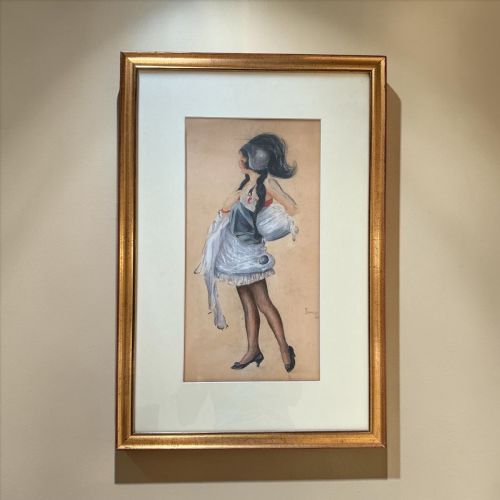
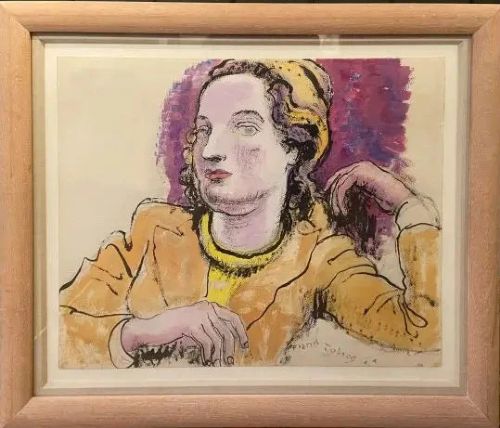
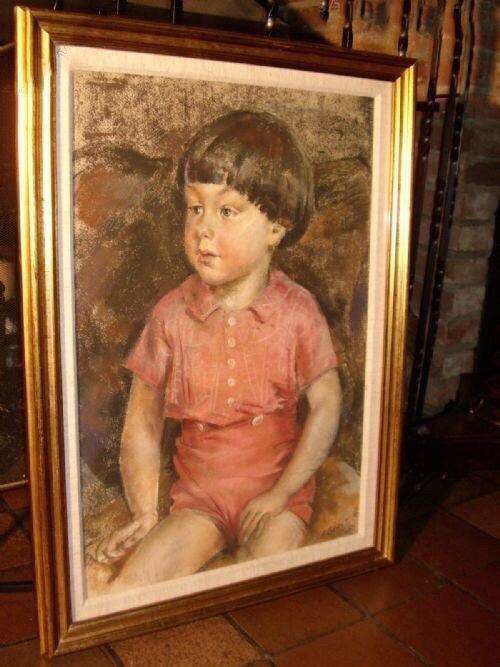
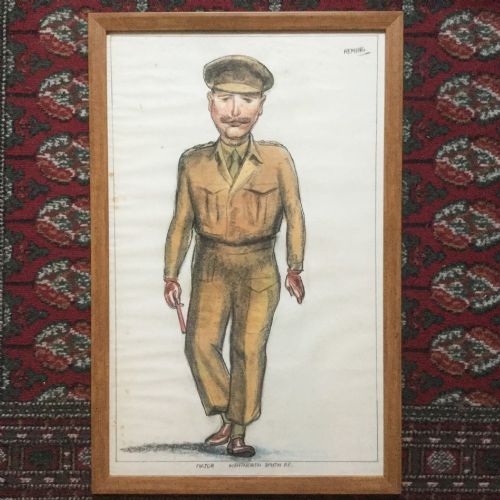
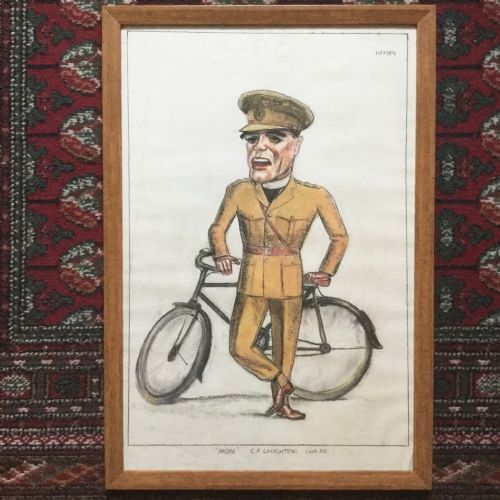
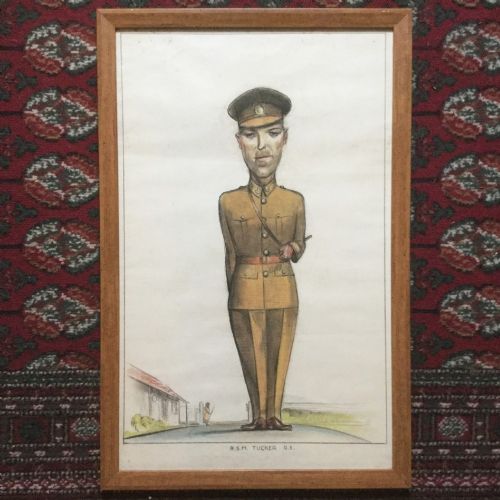
When you search for a pastel portrait drawing, you uncover works spanning the eighteenth century to the mid-twentieth century that capture sitters, animals, and military figures with remarkable immediacy.
Pastel Portrait Drawing
A pastel portrait drawing brings together delicate chalk mediums and paper supports to render likenesses ranging from Georgian aristocrats to mid-century modern studies.
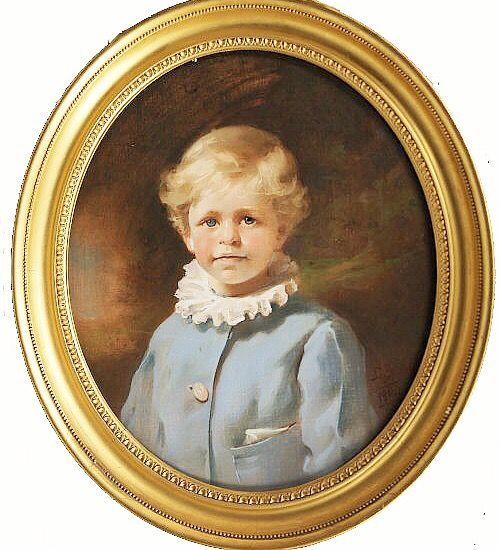
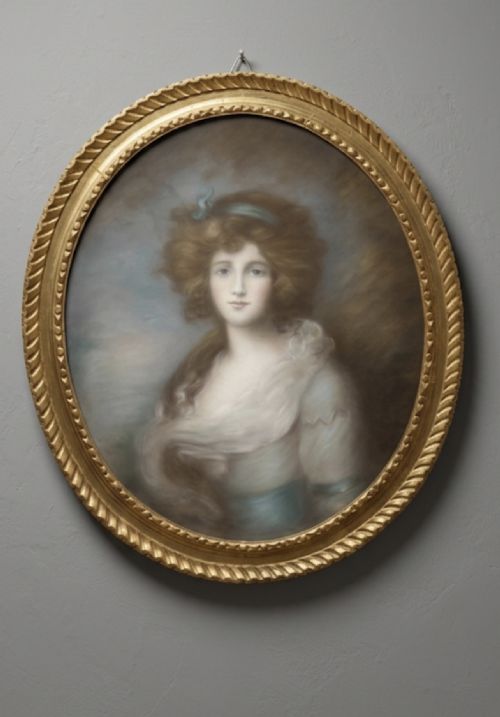
The selections on this page encompass framed fine art, oval wall drawings, and detailed portrait paintings created across the nineteenth and twentieth centuries.
Buyers will encounter depictions of notable individuals, soldiers, children, and animal studies executed by both named artists and the broader English and French schools.
How they were made
Artists utilised dry pastel pigments, often combined with gouache, watercolour, or charcoal on paper or canvas supports to build up tone and texture.
Finished works required protection behind glass within wooden or giltwood frames to safeguard the friable pigment surface from disruption.
Listings span from the 18th century through the 1960s, featuring paper, pastel, gouache, and giltwood materials.
What varies in quality
The degree of anatomical precision and the finesse in capturing the sitter's expression distinguish accomplished works from standard decorative sketches.
The preservation of the original pastel surface without excessive smudging or pigment loss determines the enduring integrity of the drawing.
Emily Eyres·Frank Dobson·Arthur Todd·John Raphael Smith·Aubrey Sykes·Jacob Kramer
The Pastel Portrait Drawing Glossary
- Pastel
- A dry medium composed of powdered pigment and a binder, shaped into sticks for direct drawing on paper. It offers luminous colour and velvety texture.
- Gouache
- An opaque water-based paint often used alongside pastels to add highlights and solid areas of tone. It provides a dense, matte finish.
- Giltwood
- Wood carved and coated with gold leaf or gold paint, commonly utilised for antique framing. It adds reflective warmth to the presentation.
- Sanguine
- A reddish-brown chalk used historically for figure drawing and portrait sketches. It yields warm, earthy flesh tones.
- French School
- A designation for artists trained or working within the stylistic traditions of France. Their output often emphasises elegance and finesse.
Pastel Portrait Drawing: Frequently Asked Questions
How should I hang a pastel portrait drawing?
These works require placement away from direct sunlight to prevent the delicate pigments from fading over time.
Ensure the room humidity remains stable to protect both the paper support and the historical wooden frame.
Are these drawings fixed behind glass?
Most antique pastel works remain protected beneath glass to prevent the loose pigment from dusting off the paper.
This barrier is essential for preserving the untouched condition of the original marks.
How do I identify the period of a portrait?
Clothing styles, hairstyles, and framing techniques offer primary clues for dating historical artwork.
Signatures, inscriptions, and artist records further help anchor the piece to a specific decade.
What is the difference between pastel and oil pastel?
Traditional pastels utilise a dry binder that yields a powdery, matte finish requiring glass protection.
Oil pastels incorporate wax or oil, resulting in a heavier texture that stays softer and does not require glazing.