


British School Portraiture
British school portraiture captures historical figures and family members through oil on canvas across centuries of domestic artistry.
British School Portraiture
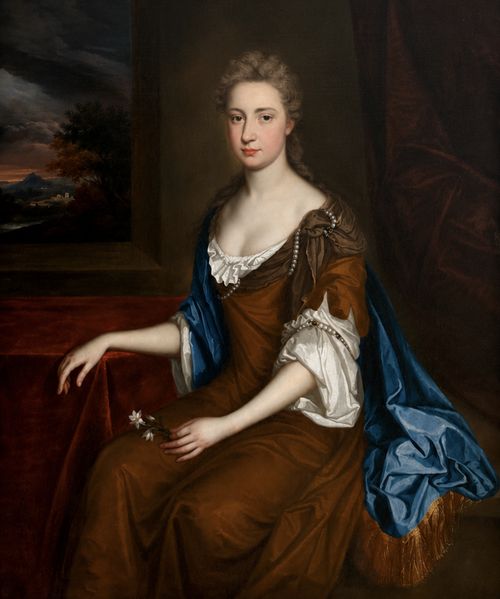
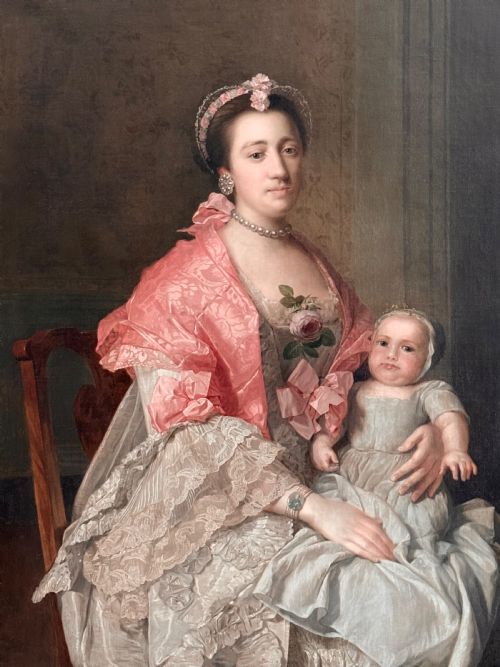
British school portraiture encompasses paintings executed by artists working within British artistic traditions from the seventeenth century through to the twentieth century. These works depict named individuals, family groups, and anonymous sitters rendered in oil paint on canvas or board.
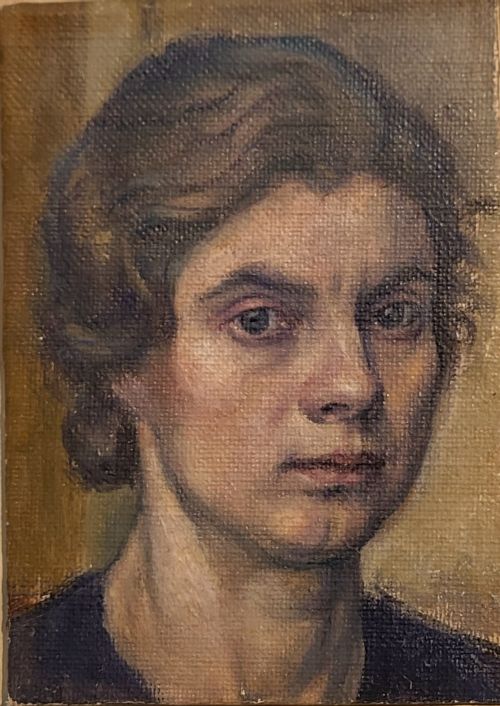
The pieces on this page span the seventeenth, eighteenth, and nineteenth centuries, alongside early twentieth-century examples. Buyers will encounter seventeenth-century depictions of nobility, eighteenth-century Georgian and Regency canvases, and Victorian works portraying political figures and children.
Formats vary from single portraits of gentlemen and ladies to double portraits and self-portraits. Many pieces connect to specific sitters, such as political economists or military commanders, while others record anonymous members of landed families.
Materials and methods
The primary medium across these listings is oil paint applied to canvas or board. Artists built up compositions using layered pigments to achieve depth in drapery, flesh tones, and background details.
Many works retain their period framing, frequently constructed from giltwood or gilded wood. These frames complement the oil paintings through moulded ornamentation characteristic of the seventeenth, eighteenth, and nineteenth centuries.
British School Portraiture Retail Price Guide 2026
Typical asking prices for british school portraiture among the pieces listed under this phrase on Sellingantiques today, from the lower quarter to the upper quarter. They describe what is for sale here now, not the wider market.
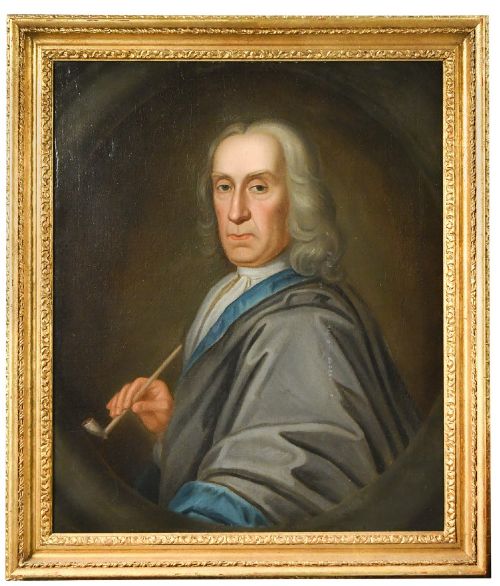
Several gentlemen in these seventeenth and eighteenth-century portraits are immortalised while holding their favourite smoking pipes.
Distinctions in execution
The provenance and attribution also influence the standing of a piece, distinguishing works by named studio circles or documented artists from unsigned school paintings. The integrity of the original canvas and the preservation of the oil paint layers further define the standard of survival.
Sir Allan Ramsay·Thomas Gainsborough·Enoch Seeman·Thomas Robson·George Romney·Thomas Jones Barker·Henry Wyatt·Francis Alleyne·George Richmond·Francis Hayman·John Ward Dunsmore
The British School Portraiture Glossary
- Circle of
- A term indicating that a painting is executed by an unidentified artist working closely within the style and period of a known master, sharing similar techniques.
- Attributed to
- A designation used when experts consider a work to be by a specific artist based on stylistic evidence, though absolute proof is absent.
- Giltwood
- Timber that has been coated with a thin layer of gold leaf or gilt preparation, commonly used for historical picture frames.
- Oil on canvas
- A painting technique utilising pigments suspended in a drying oil medium applied to a stretched fabric support, prevalent from the Renaissance onward.
- Georgian
- A stylistic period spanning the reigns of the Hanoverian monarchs, characterised in portraiture by refined elegance and developing naturalism.
British School Portraiture: Frequently Asked Questions
What is British school portraiture?
British school portraiture refers to paintings produced by artists trained or working within Britain, depicting sitters from various social strata from the seventeenth century onward.
These works reflect the shifting aesthetic conventions of Georgian, Regency, and Victorian society through oil on canvas.
How do I identify the period of a portrait?
Period identification relies on the sitter's costume, hairstyle, and framing style, combined with the technical execution of the oil paint on canvas.
Changes in portrait conventions from seventeenth-century formality to eighteenth-century naturalism provide clear chronological markers.
Who are the typical subjects of these paintings?
Subjects range from aristocracy and military officers to political economists, children, and anonymous members of landed families.
Many portraits record specific historical individuals, while others preserve the likenesses of forgotten gentlefolk.
How should I care for an oil on canvas portrait?
Oil paintings require stable indoor humidity and temperature away from direct sunlight to prevent the canvas from sagging and the paint from cracking.
Dusting should be performed gently with a soft, dry brush without applying moisture or cleaning agents to the pigment surface.