


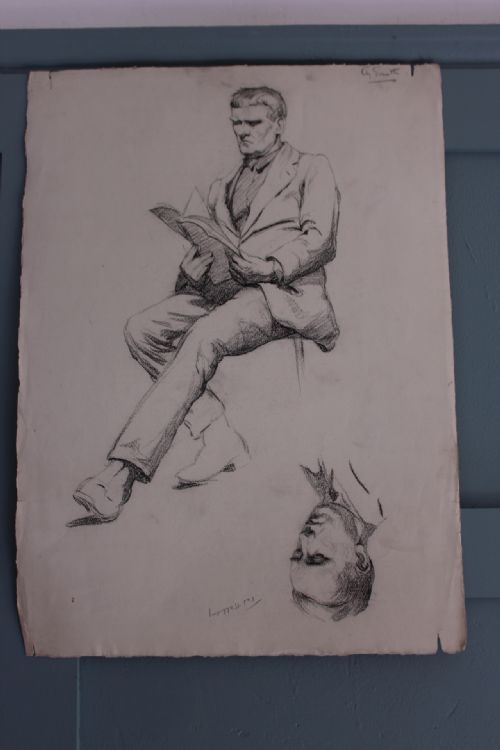


Male Portrait Drawing
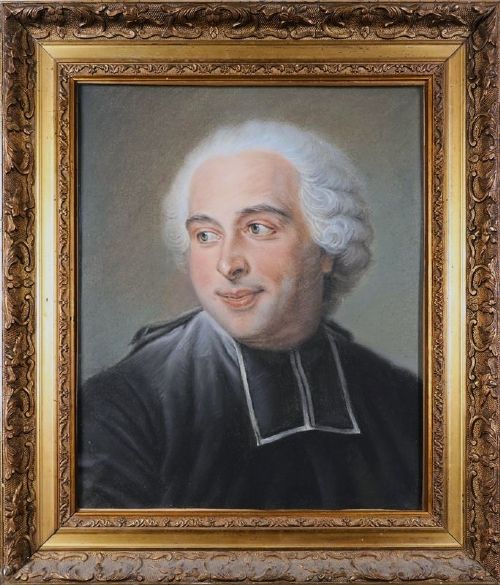
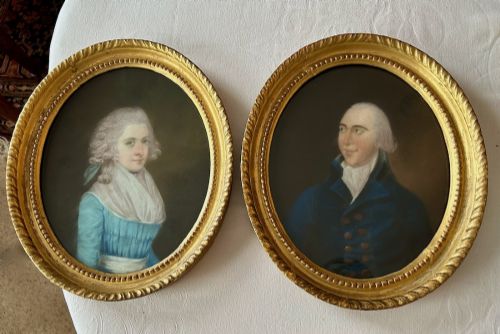
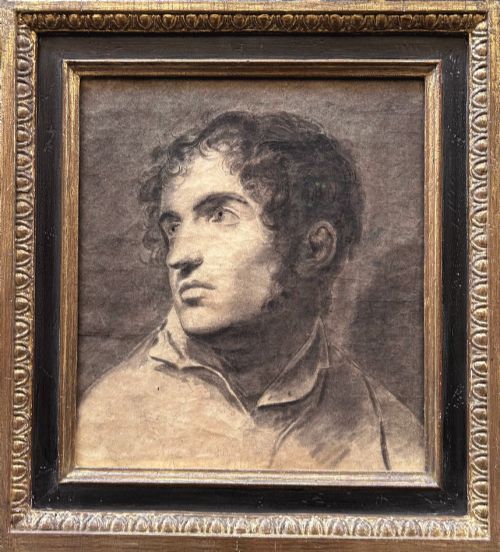
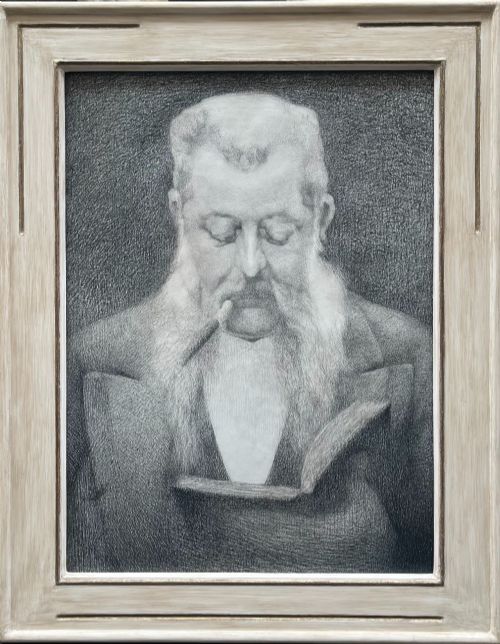
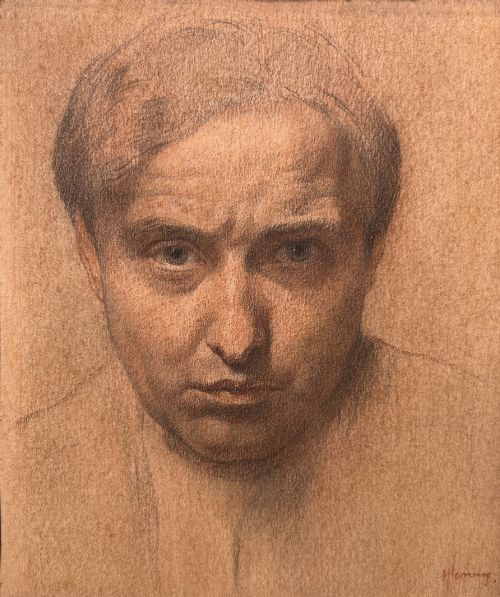
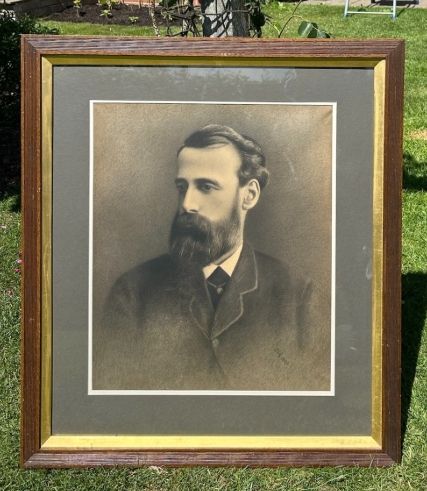
These male portrait drawing works capture sitters in charcoal, graphite, pastel and chalk across the eighteenth, nineteenth and twentieth centuries.
Male Portrait Drawing
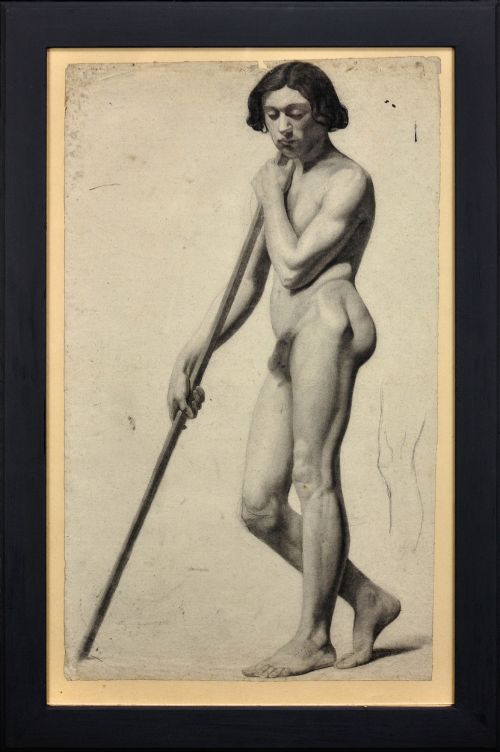
A male portrait drawing on this page is typically a framed work on paper utilising mediums such as charcoal, graphite, pastel or chalk. These pieces range from academic life studies of male nudes to specific portraits of gentlemen, explorers and historical figures.
The selections span distinct periods including the eighteenth century, the Victorian era, the Edwardian period and the early twentieth century. French school, Symbolist and 20th Century Irish School influences appear alongside traditional English school works.
How They Were Made
Artists utilised dry mediums including charcoal, graphite, chalk and pastel applied directly onto paper supports. These materials allowed for expressive shading, fine line work and layered tones to build the likeness of the sitter.
Many of these works are housed in period frames constructed from wood and glass, frequently incorporating giltwood or gilt gesso finishes to protect and display the delicate paper drawings.
Periods represented in the archive and current listings span from the 18th century to the 1960s.
What Varies in Quality
Quality rests on the precision of the draughtsmanship and the ability of the artist to capture the personality and form of the sitter. Academic life studies demonstrate anatomical accuracy, whilst portrait sketches rely on expressive line work and tonal depth.
The condition of the paper and the preservation of the delicate pastel, charcoal or chalk mediums distinguish finer examples. Original framing, such as antique gilt gesso, adds to the integrity of the piece.
Herbert Johnson Harvey·Henry Arthur Roberts·Josiah Gilbert·John Seymour Lucas·Ernest Borough Johnson·Francis O. A. Haviland·Francis Dodd·George Richmond·Harry Epworth Allen·Curt Rüger·Edward Sharpe·Jean Betourne·Dame Ethel Walker
The Male Portrait Drawing Glossary
- Charcoal
- A dry drawing material made from burnt organic matter that produces rich, dark black lines and soft smudged tones. Artists utilised it for rapid sketching as well as finished atmospheric portraits.
- Academic Realism
- A style of painting and drawing produced under the influence of European academies of art. It emphasises precise anatomical accuracy, careful proportion and classical training.
- Pastel
- A medium consisting of powdered pigment and a binder rolled into sticks. It offers vibrant colour application and soft blending capabilities on paper surfaces.
- Giltwood
- Wood carved and coated with gold leaf or a gold-coloured metallic finish. It is commonly found on antique frames surrounding fine art drawings.
Male Portrait Drawing: Frequently Asked Questions
What periods do these drawings come from?
The pieces span from the eighteenth century through the Victorian and Edwardian eras into the mid-twentieth century. Styles reflect shifting artistic movements including academic realism and the French school.
Dates and attributions are drawn from signatures, inscriptions and documented stylistic characteristics recorded in the listings.
How should I display a paper portrait?
These works require framing behind glass to protect the delicate charcoal, pastel, graphite or chalk surfaces from airborne dust and moisture. Hang them away from direct sunlight to prevent fading of the paper and dry mediums.
Original frames, such as gilt gesso surrounds, should be handled with care to preserve their historical finish.
What mediums were used in these portraits?
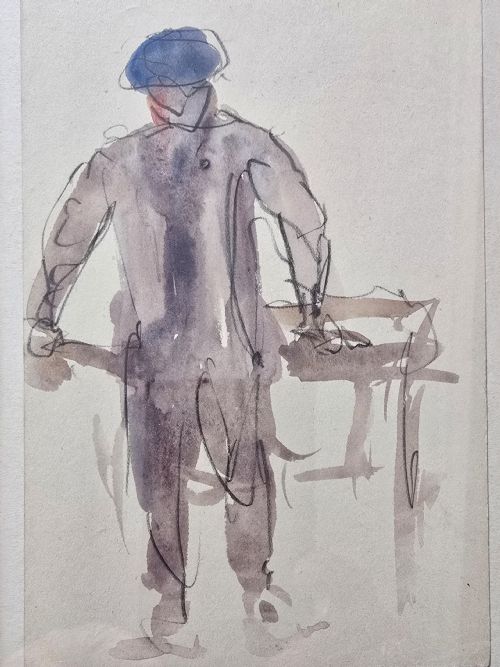
Artists utilised dry drawing materials including charcoal, graphite, chalk and pastel on paper supports. Watercolour occasionally appears alongside pastel in mixed media portrait studies.
These materials allowed creators to achieve both sharp linear detail and soft atmospheric shading.
Are these works signed by the artists?
Many listings feature original signed works by named artists, academic painters and school practitioners. Signatures, monograms or contemporary inscriptions often appear directly on the paper surface.
Unsigned drawings are attributed to specific periods or regional schools based on technique, paper type and stylistic evidence.