


Historical Female Portrait Painting
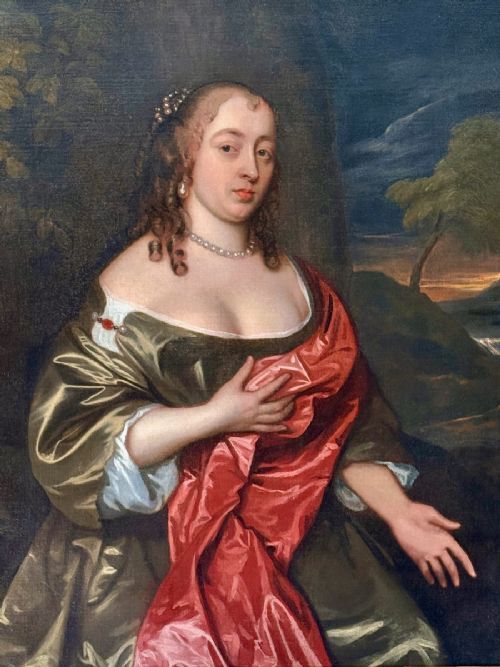
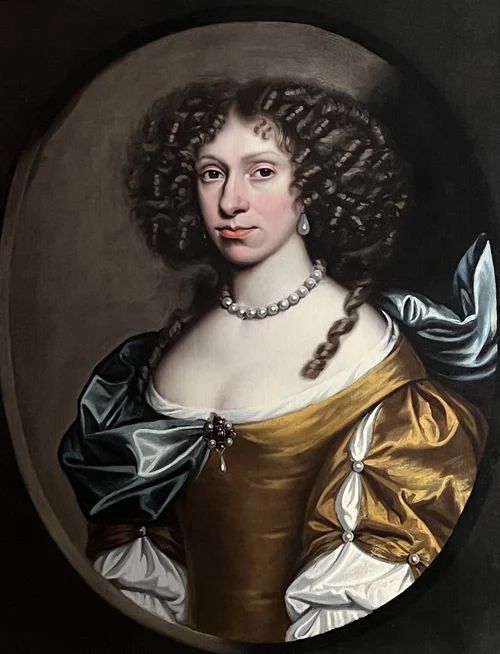
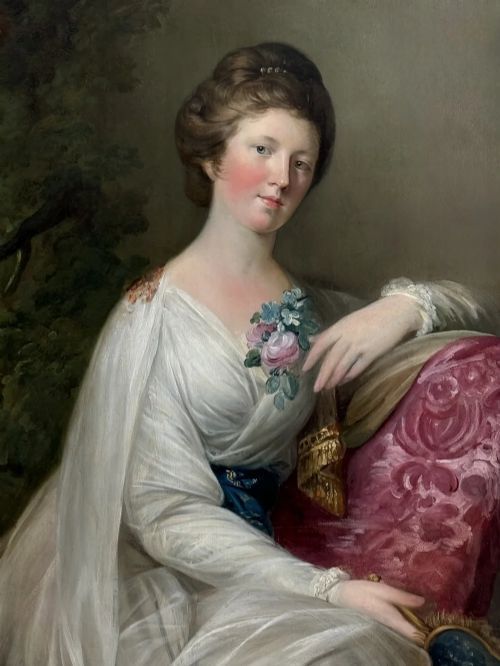
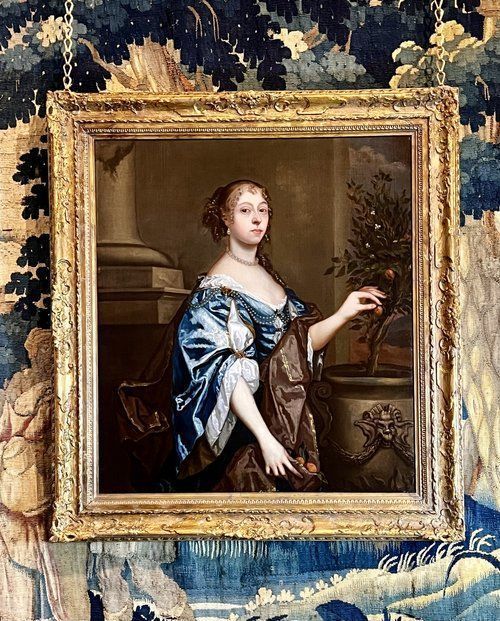
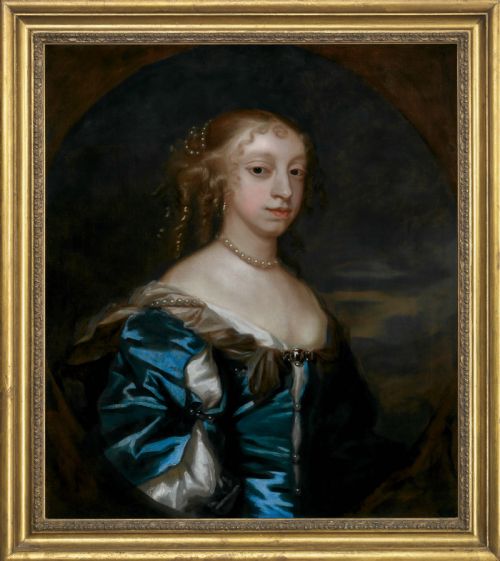
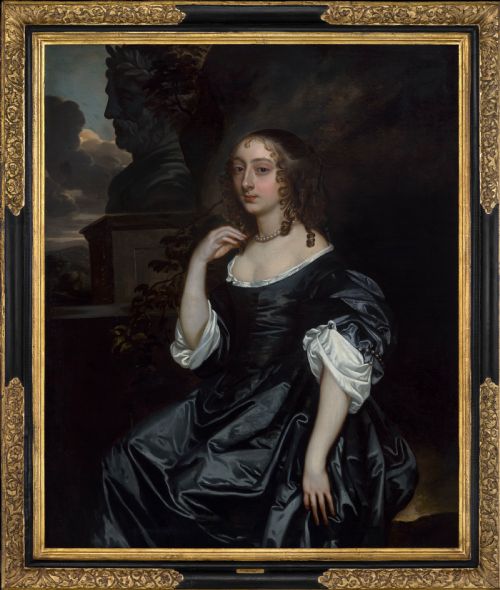
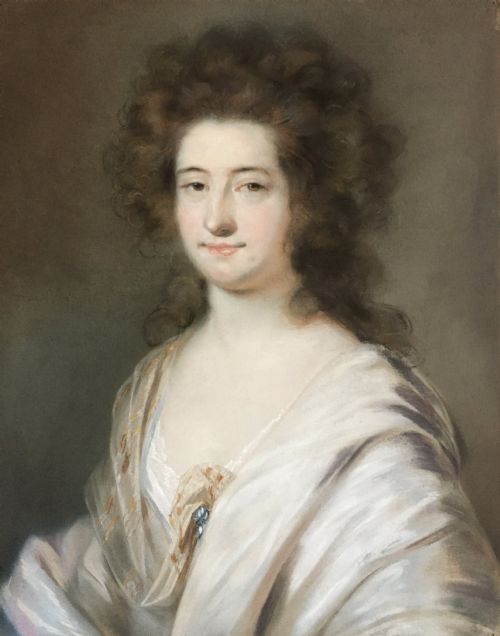
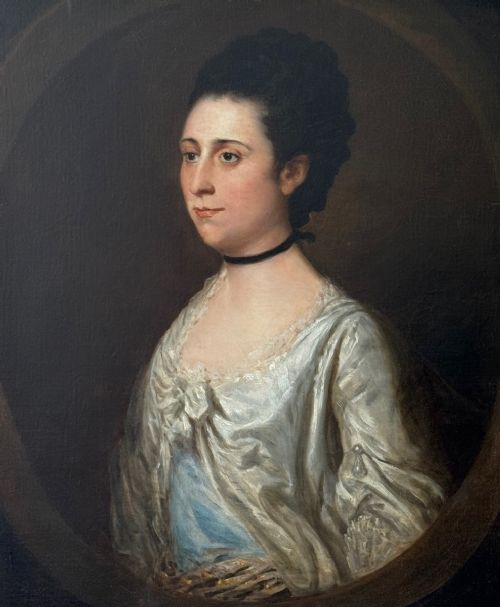
A historical female portrait painting captures the likenesses of women from past centuries through the enduring mediums of oil, pastel, and watercolour.
Historical Female Portrait Painting
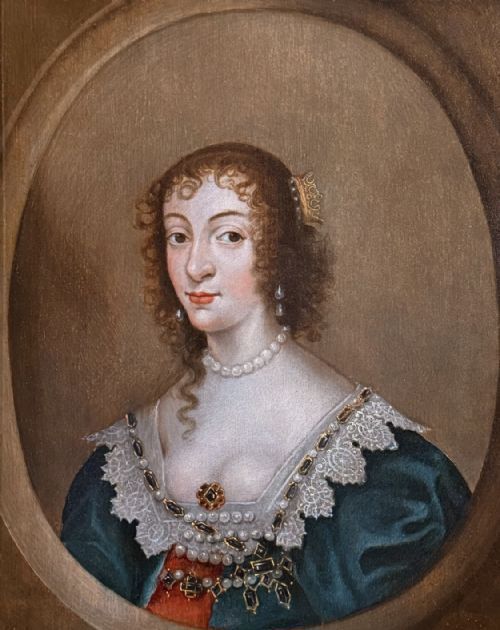
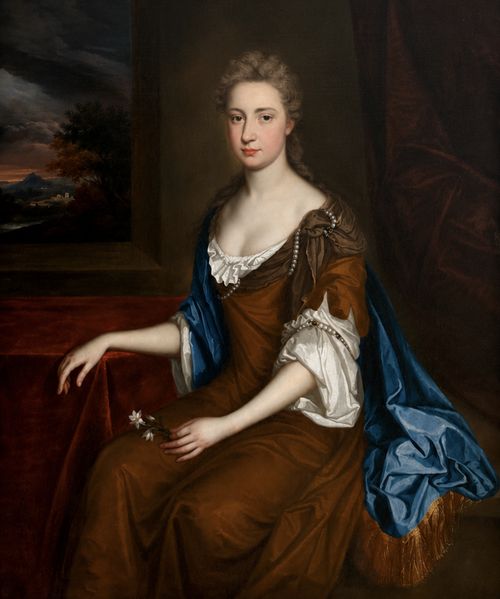
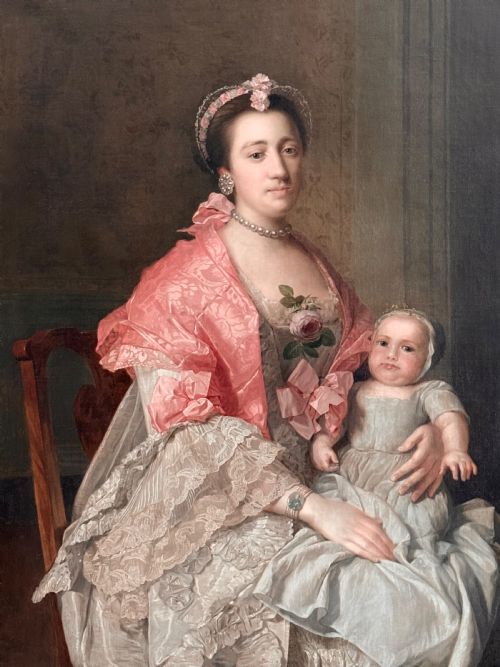
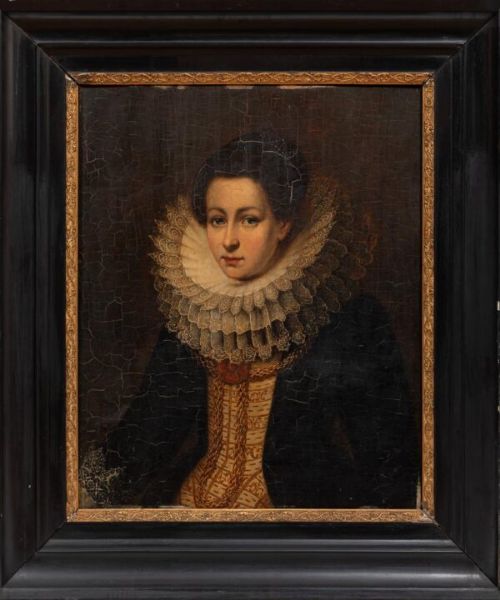
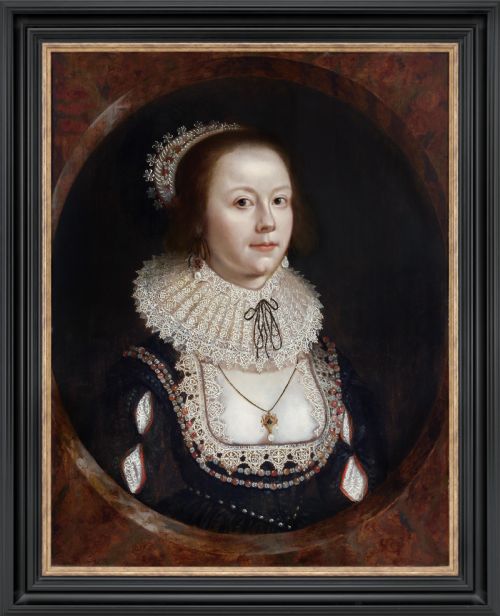
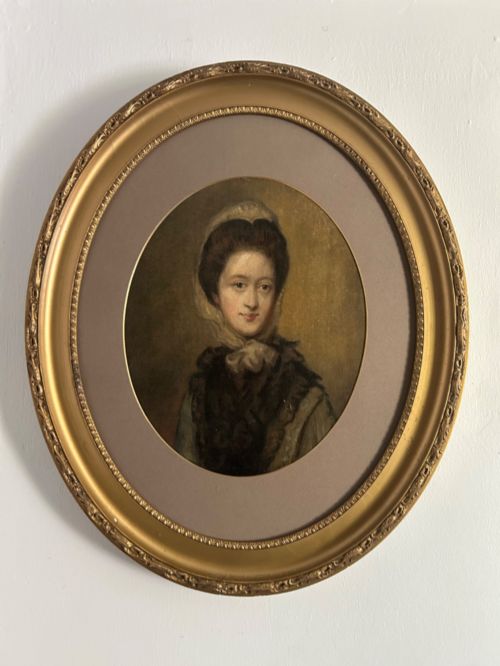
When searching for a historical female portrait painting, collectors encounter works spanning the seventeenth through to the early twentieth centuries. These artworks depict named sitters, noblewomen, and anonymous models rendered by regional schools, studio circles, and named portraitists.
The most common examples on this page are seventeenth and eighteenth-century oil paintings on canvas or panel, alongside Georgian and Victorian works in pastel, watercolour, and miniature formats. Many pieces preserve specific historical dress, lace collars, and symbolic accessories that denote the status and identity of the female subject.
Materials and Techniques
Artists built historical female portrait paintings using oil paint applied to stretched canvas or wooden panels, often employing priming layers to receive delicate glazes of pigment. Ground mineral colours and binder oils created rich tones for fabrics, skin, and hair.
Works on paper utilised pastel, gouache, and watercolour techniques, capturing finer linear details in miniature scales. Completed artworks were frequently housed within heavy timber surrounds, including gilt wood and gilded frames that complemented the period aesthetic.
Listings feature works from the seventeenth, eighteenth, and nineteenth centuries, executed in oil, watercolour, and pastel.
Quality and Execution
Condition and originality heavily influence the standing of a piece, particularly the preservation of the original paint surface beneath historic varnishes. Unrestouched canvases with legible provenance or documented attributions to recognised schools command greater appreciation among collectors.
John Hayls·David Scougall·George Willison·Pieter Borsseler·Thomas Beach·Robert Byng·Cornelius Johnson·John Robert Dicksee·Susie Lassam·Paul Schier·Edward Smyth·Charles Jervas·Balthasar Denner·Arthur Pond·Sir Godfrey Kneller·Hans Hysing·George Perfect Harding
The Historical Female Portrait Painting Glossary
- Oil on canvas
- Pigments suspended in a drying oil, applied to a woven fabric support. This medium allowed artists to blend tones seamlessly and achieve deep, luminous colour.
- Portrait miniature
- A small-scale painting executed on ivory, vellum, or paper. These intimate items were often worn as personal tokens or kept in protective cases.
- Panel painting
- An artwork created on a prepared wooden board rather than fabric. Oak and other stable timbers were common supports for early works.
- Pastel portrait
- A picture drawn using coloured chalk sticks composed of powdered pigment and a binder. The resulting matte surface required glazing for protection.
- Giltwood
- Timber carved and coated with a thin layer of gold leaf or metallic powder. Frames finished in this manner enhanced the visual weight of formal artworks.
Historical Female Portrait Painting: Frequently Asked Questions
What periods do these portraits cover?
The inventory spans from the seventeenth century through the Georgian, Regency, and Victorian eras up to the early twentieth century. Each period reflects changing artistic conventions in portraiture and distinct styles of female fashion.
Earlier pieces often showcase elaborate lace ruffs and allegorical themes, while later nineteenth-century works display softer romantic or domestic settings.
What is the difference between oil and pastel portraits?
Oil portraits utilise pigment bound in oil on canvas or wood, offering rich textures, deep glazes, and robust longevity. Pastel portraits rely on dry chalk sticks applied to paper, producing a soft, matte finish.
Pastel works require protective glass covering to prevent the loose pigment from disturbing over time.
How do I identify the sitter in a painting?
Sitters are sometimes identified by inscriptions on the reverse of the canvas, period labels on the frame, or accompanying family provenance records. Heraldic crests and specific costume details also provide clues.
Many historical portraits remain anonymous, depicting idealised figures, studio models, or unlabelled family members from past centuries.