




Historic Textile Wall Art
Historic textile wall art brings centuries of woven wool, silk and thread work into domestic spaces as framed panels, tapestries and samplers.
Historic Textile Wall Art
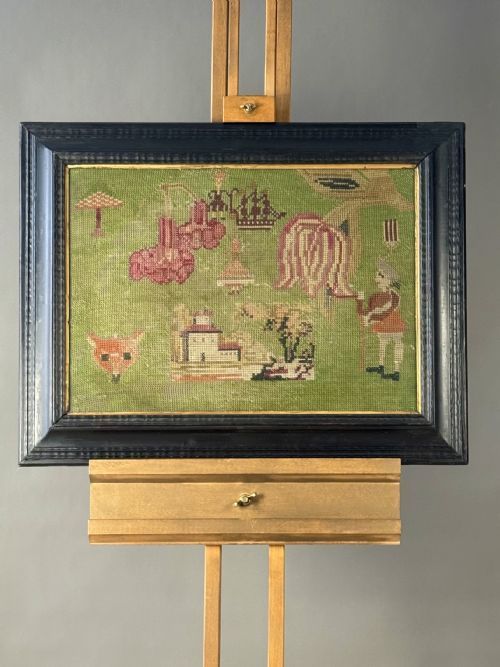
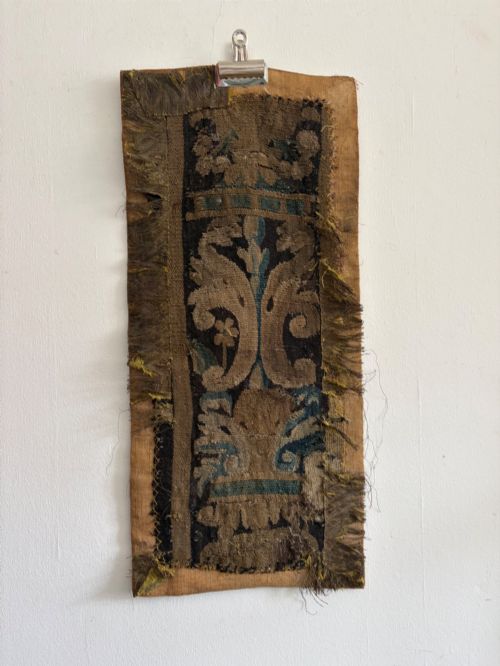
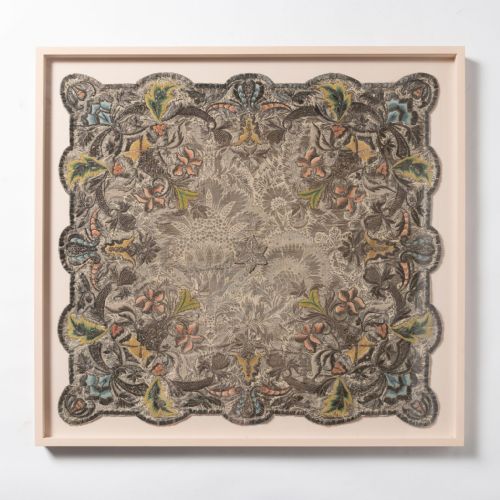
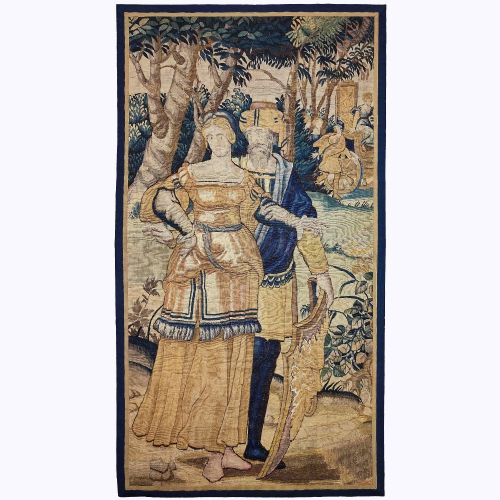
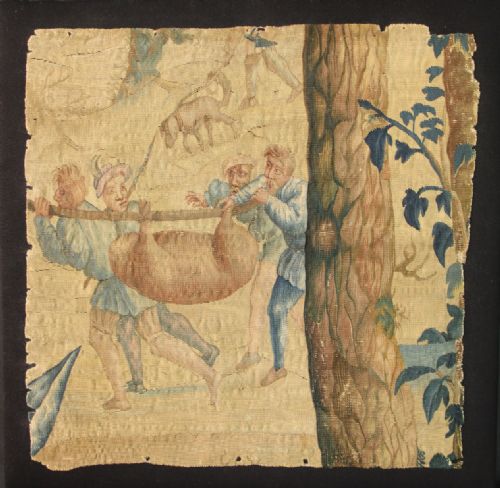
Historic textile wall art spans large tapestries, verdure fragments, framed needlepoint panels and detailed stitchwork samplers. Buyers exploring historic textile wall art encounter pieces originating from Flemish, English, French, Italian and German workshops across the sixteenth to nineteenth centuries.
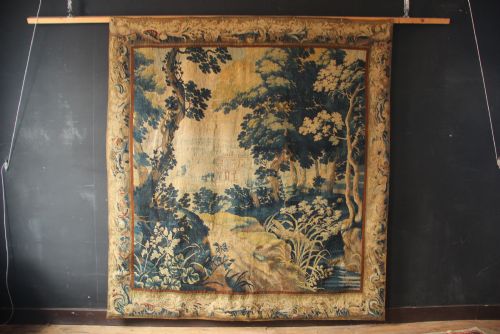
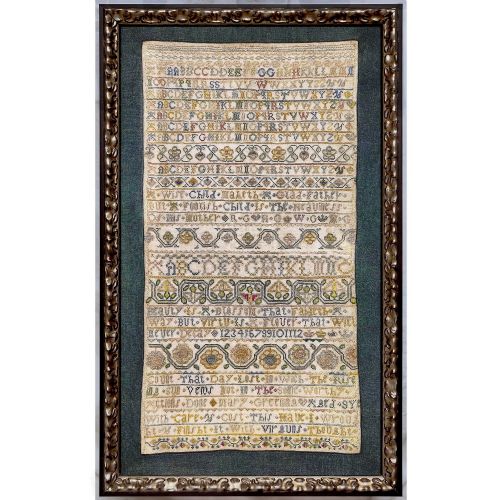
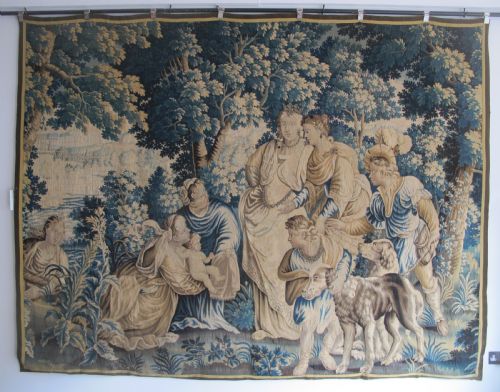
Tapestry panels often depict verdure landscapes or courtly scenes woven in wool and silk. Samplers display meticulous needlework executed by makers such as Mary Greening, Ann Hodson and Margaret Ann Blackow, frequently mounted for interior display.
Materials and construction
These works rely on wool, silk, linen and metal threads worked into dense fabrics or mounted on supportive backing. Many fragments utilise specialised frames in giltwood or oak to protect fragile borders.
Needlework samplers employ fine thread on linen grounds, while larger tapestries involve complex loom weaving with wool and silk warps and wefts.
Young stitchers recorded their exact ages alongside intricate alphabets, ensuring their needlework outlived their childhood classrooms.
Distinctions in quality
Quality rests in the fineness of the stitchwork, the complexity of the design and the preservation of the original materials. Tapestries with intricate verdure details and distinct coloration command attention.
Samplers demonstrate superiority through legible lettering, varied stitch techniques and complete documentation including maker names and dates. Frame execution, such as carved giltwood, also influences the character of the piece.
The Historic Textile Wall Art Glossary
- Verdure tapestry
- A woven wall hanging featuring plant and foliage motifs as the primary subject. These landscapes often include stylized trees, leaves and occasionally small animals.
- Sampler
- A piece of needlework produced to demonstrate skill in various stitches. Historic examples frequently record the maker name, age and date of completion.
- Needlepoint
- Embroidery stitched onto an open-weave canvas ground that covers the base fabric entirely. This technique creates a durable, dense surface suitable for wall panels and cushions.
- Giltwood
- Wood coated with a thin layer of gold leaf. This finish appears on frames housing antique tapestries and embroidered panels.
Historic Textile Wall Art: Frequently Asked Questions
How are tapestries mounted for walls?
Large tapestries and fragments are often secured to linen backings or fitted into wooden frames for safe hanging. This support distributes the weight evenly across the textile.
Smaller panels frequently utilise traditional glazing and framing methods to protect delicate threads from atmospheric dust and handling.
What subjects appear on samplers?
Samplers commonly feature alphabets, numerical sequences, floral motifs and religious verses stitched by young makers. Map samplers also occur, depicting geographical regions like England and Wales.
Many examples record specific dates and the age of the maker, providing clear historical context for the needlework.
How do you date a tapestry fragment?
Dating relies on stylistic analysis of the woven motifs, the types of wool and silk dyes used, and comparison with documented workshop production. Flemish and French examples from the seventeenth and eighteenth centuries show distinct border designs.
Physical examination of the weave structure and any remaining selvedge edges offers further confirmation of the period.
Where were verdure tapestries made?
Verdure tapestries were produced across European weaving centres, with notable output from Flemish workshops in regions like Brussels and Aubusson in France. These workshops specialised in forest and garden landscapes.
German and English weavers also produced domestic tapestry panels and cushions during the seventeenth century.