




Historic Male Portrait
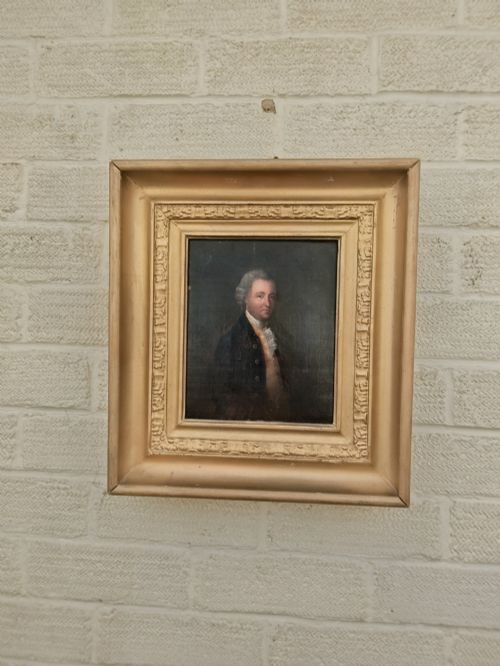
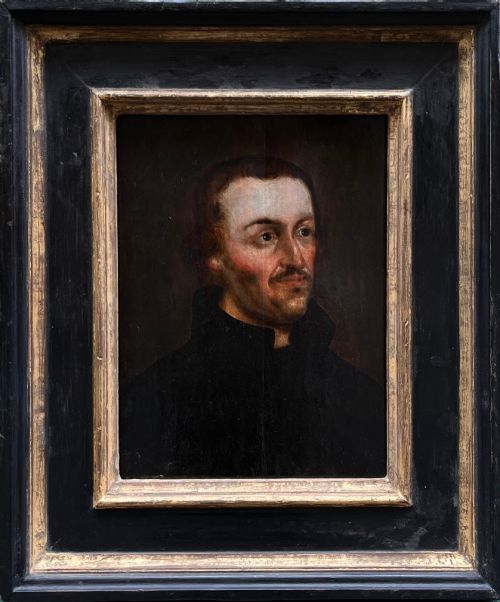
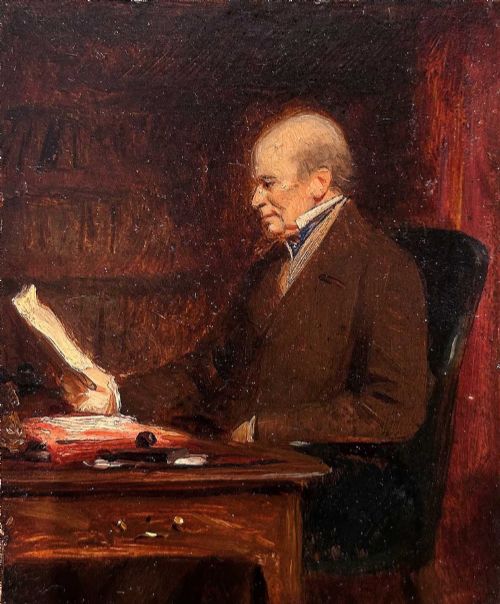
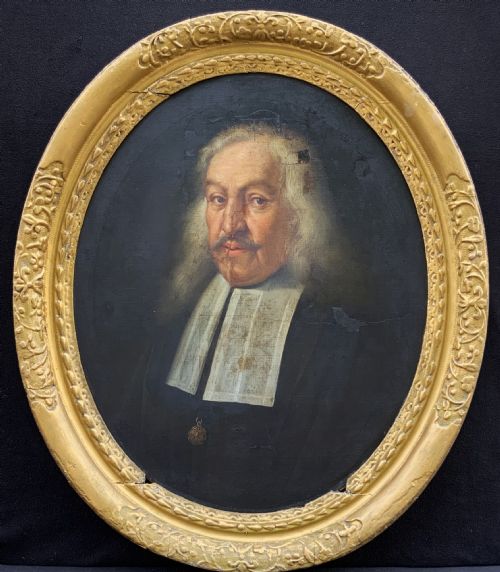
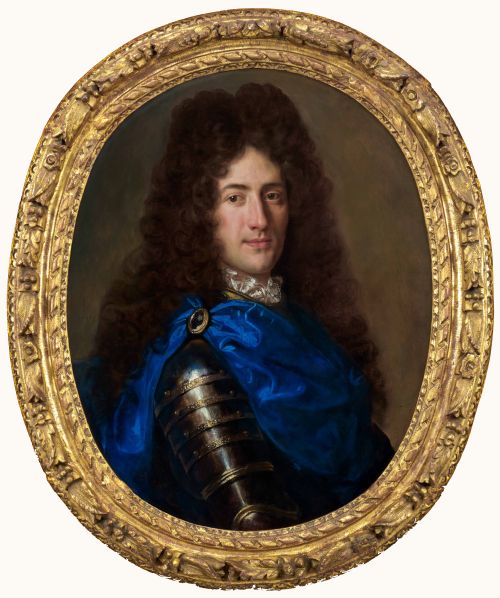
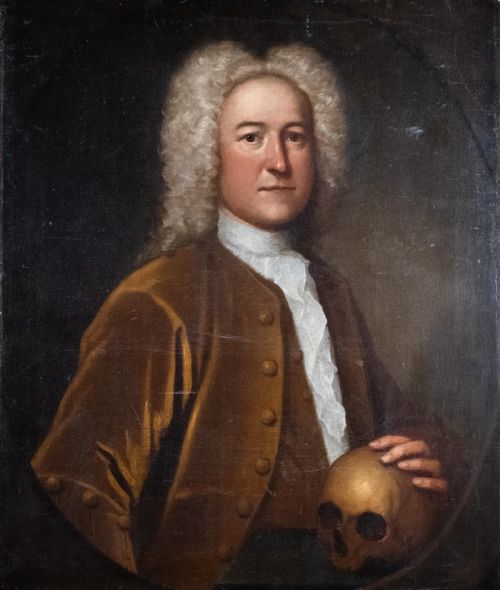
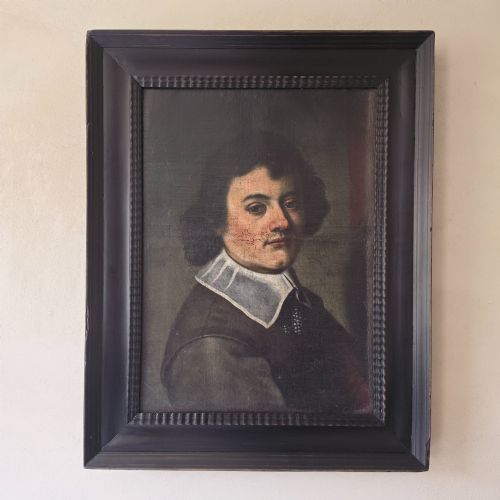
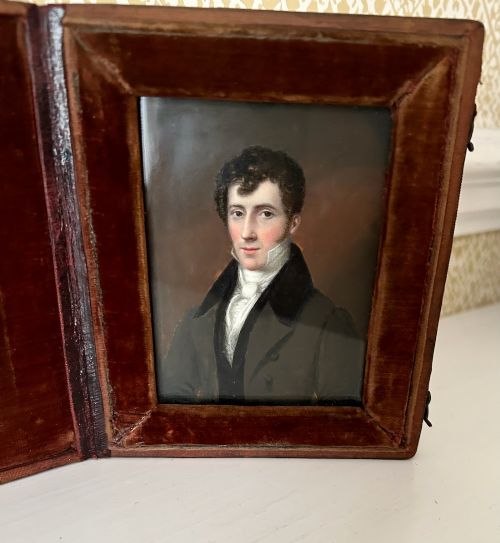
A historic male portrait records the presence of a specific gentleman through centuries of oil painting and portrait miniatures.
Historic Male Portrait
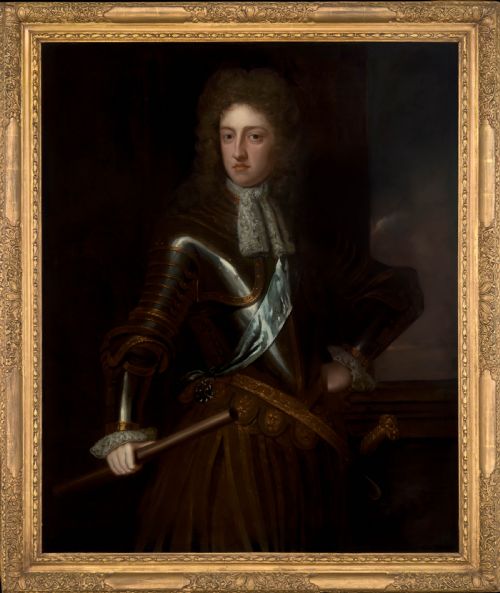
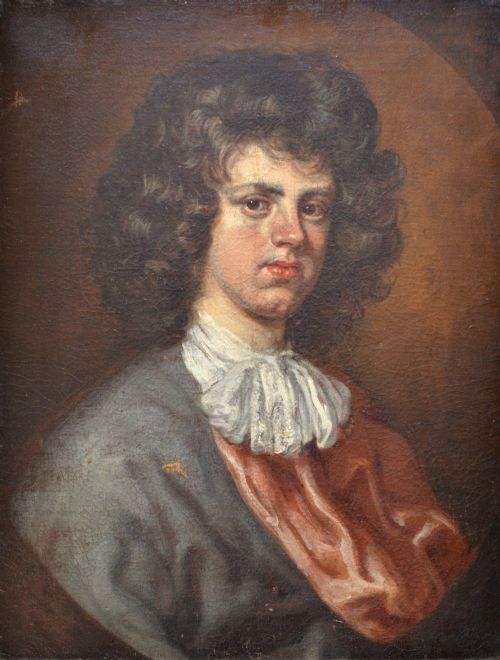
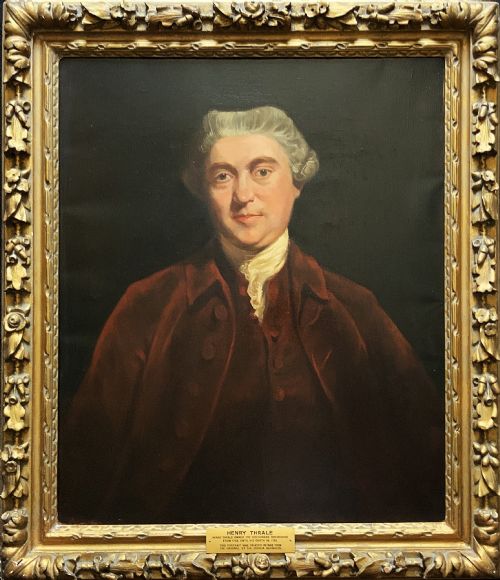
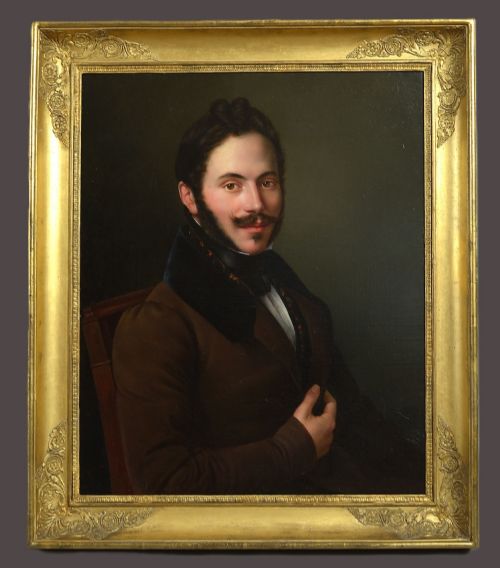
A historic male portrait brings centuries of character into a room, recording figures from dukes and physicians to clergymen and writers. These works capture subjects through the seventeenth, eighteenth, and nineteenth centuries, spanning Georgian, Regency, and Victorian periods.
The pieces on this page appear predominantly as oil paintings on canvas, alongside portrait miniatures and silhouettes. Subjects range from named historical figures like nobles and playwrights to anonymous gentlemen captured in quiet moments.
Materials and Technique
Painters worked primarily with oil paint on stretched canvas, building rich layers of colour to render fabrics, armour, and facial expressions. Giltwood and gilt wood frames frequently house these works, providing structural support and period presentation.
Portrait miniatures and watercolours utilise paper and delicate pigments on smaller scales, while silhouettes capture profiles through ink or cut paper. Canvases often show the natural texture of the weave beneath historic pigments.
Historic Male Portrait Retail Price Guide 2026
Typical asking prices for historic male portrait among the pieces listed under this phrase on Sellingantiques today, from the lower quarter to the upper quarter. They describe what is for sale here now, not the wider market.
Several gentlemen refuse to smile, preferring instead to glare sternly past the viewer while clutching skulls or wearing elaborate lace jabots.
Assessing Quality
The preservation of the original canvas and pigment layer determines the visual impact of the work. Period frames matching the age of the painting add integrity to the piece.
Sir William Beechey·Sir Godfrey Kneller·Mary Beale·Sir Joshua Reynolds·Edouard Pingret·Stephen Pearce·Pieter Borseler·Joseph Vivienne·Joseph Highmore·William Millar·Michael Dahl·George Francis Joseph
The Historic Male Portrait Glossary
- Oil on Canvas
- Pigment mixed with drying oil applied to a woven fabric support. This combination allows for rich blending and enduring colour depth.
- Portrait Miniature
- A small, highly detailed painting executed on vellum, ivory, or card. These intimate works were often kept in protective cases or worn.
- Giltwood
- Wood carved and coated with gold leaf or a gold-coloured metallic finish. Frames of this material define the period aesthetic of many paintings.
- Circle of
- A term used when a work is produced by an unidentified artist working closely with a known master during their period. It reflects the style and technique of the primary workshop.
- Jabot
- A decorative lace or ruffled frill attached to the collar of a shirt. This garment detail helps date eighteenth-century portraits.
Historic Male Portrait: Frequently Asked Questions
How do I date a historic portrait?
Examine the clothing, hairstyles, and collar styles visible on the sitter, as these fashion markers shift noticeably from the seventeenth to the nineteenth century.
Frame construction, stretcher types, and canvas stamps on the reverse often provide additional chronological clues.
What is a portrait miniature?
A portrait miniature is a small-scale painting designed for intimate viewing, often created on vellum or copper during the Georgian and Victorian eras.
These compact works required immense precision using fine brushes and concentrated pigments.
How should I hang an oil painting?
Hang oil paintings away from direct sunlight and fluctuating heat sources to protect the canvas and historic pigments from cracking.
Ensure the wall fixings match the weight of the heavy wooden or giltwood frames.
What does 'circle of' mean?
The term 'circle of' indicates that an anonymous artist produced the painting while working in the direct orbit of a named master. The technique reflects the workshop practices of that specific period.
These pieces share stylistic traits with the master without being signed by them.