

Highland Landscape Painting
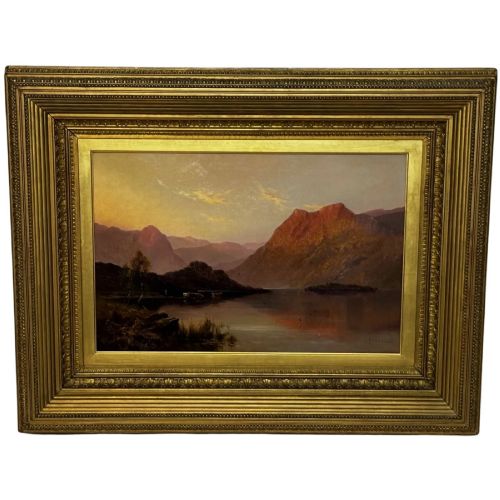
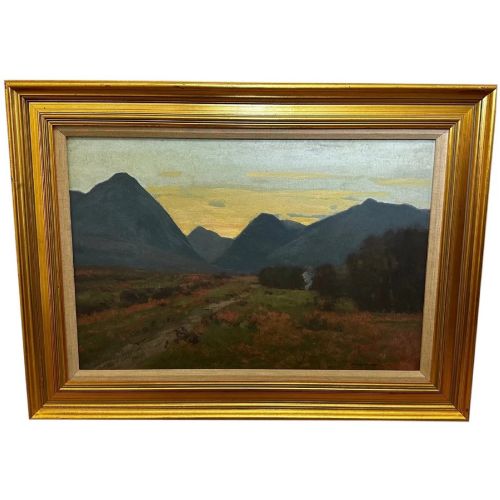
These highland landscape painting examples capture rugged Scottish terrains and misty lochs from the nineteenth and early twentieth centuries.
Highland Landscape Painting
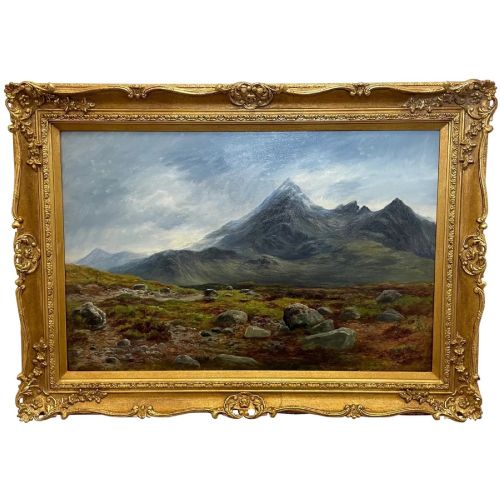
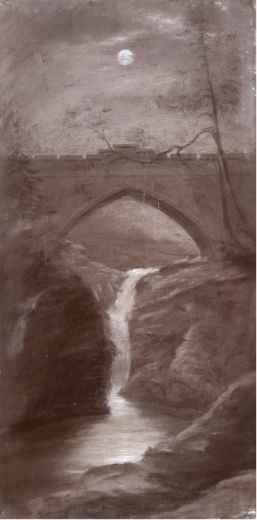
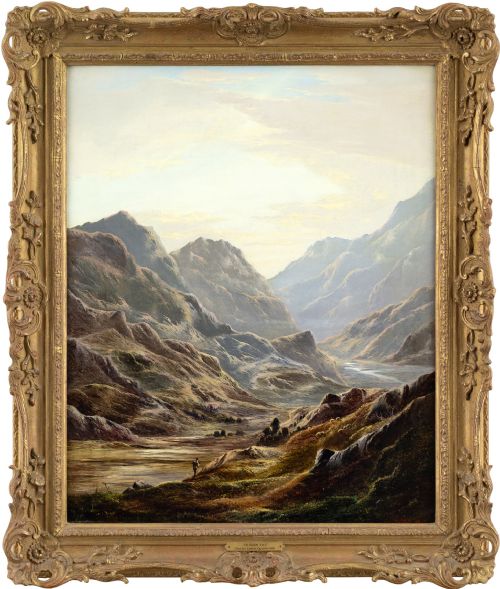
A highland landscape painting typically portrays the sweeping vistas, tranquil lochs, and mountainous terrain of Scotland during the Victorian and Edwardian periods.
Buyers browsing this selection frequently encounter framed oil paintings on canvas or wood panels, alongside occasional watercolours and gouache works.
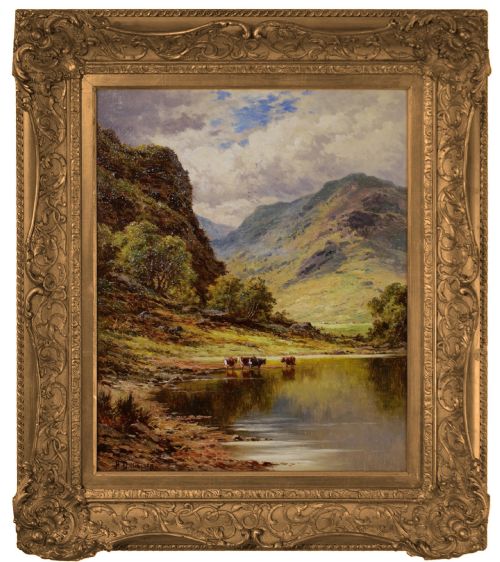
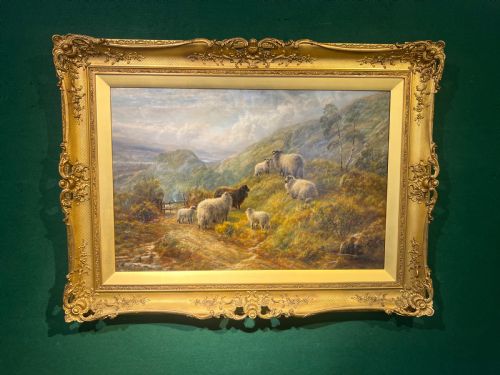
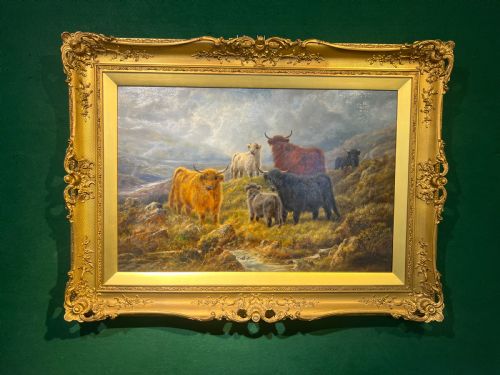
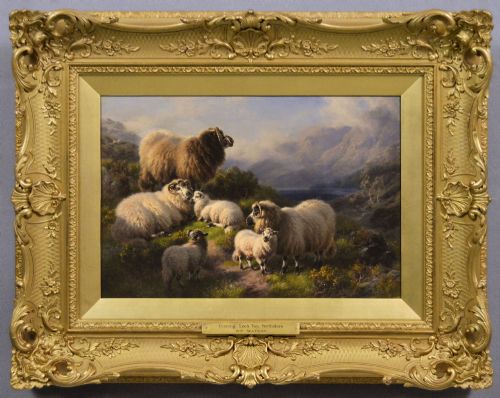
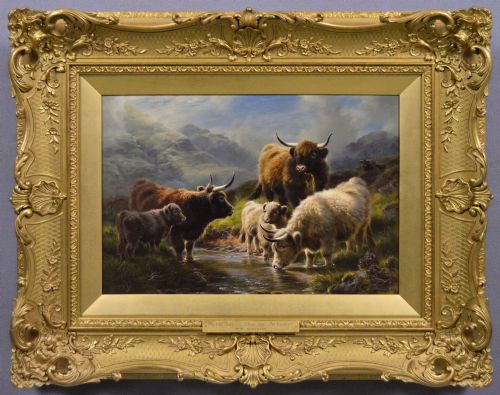
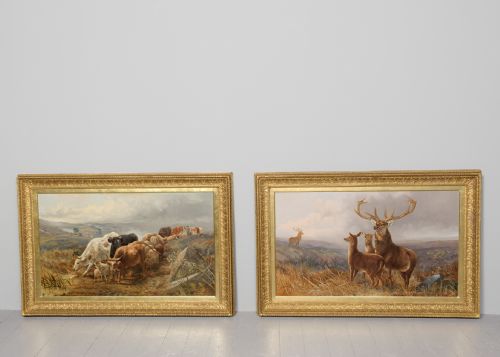
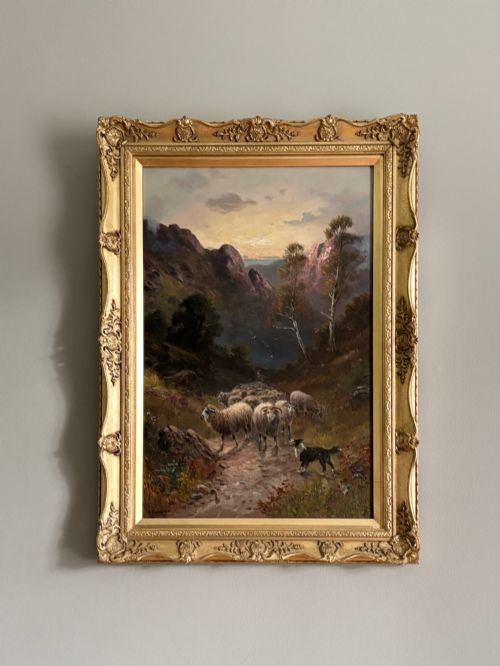
The compositions often feature grazing Highland cattle, sheep, or solitary figures navigating misty glens and remote highland cottages.
How They Were Made
Artists primarily applied oil paint to stretched canvas or prepared wood panels, building rich textures for heather moors and mountain crags.
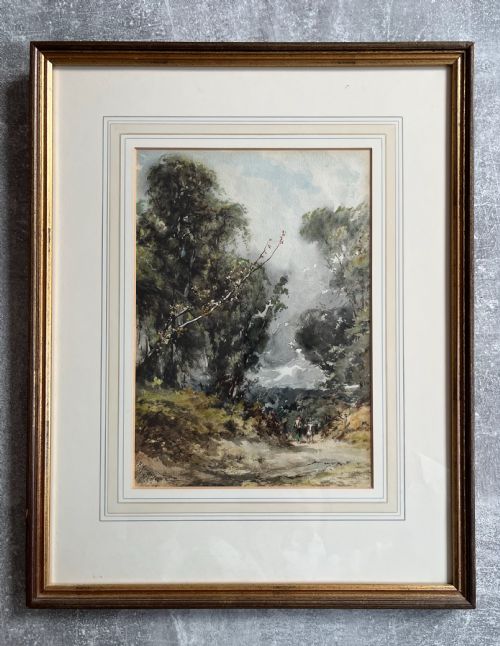
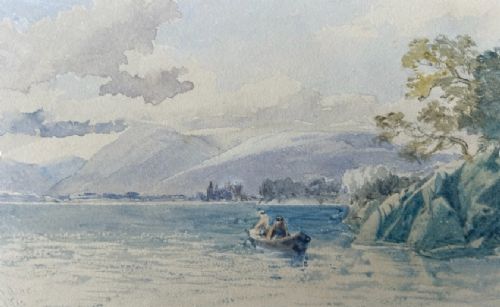
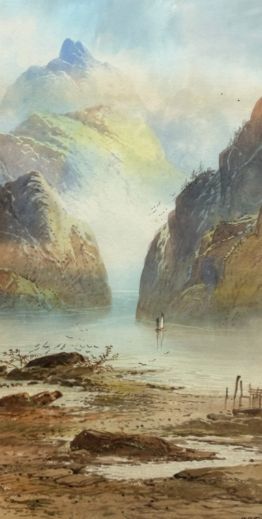
Many works incorporate layered pigments on canvas laid onto board, while watercolours utilise delicate washes on paper to capture atmospheric light and weather.
Surviving pieces frequently retain their original giltwood and gesso frames, which complement the traditional palette of the era.
Highland Landscape Painting Retail Price Guide 2026
Typical asking prices for highland landscape painting among the pieces listed under this phrase on Sellingantiques today, from the lower quarter to the upper quarter. They describe what is for sale here now, not the wider market.
Several paintings include stubbornly dry highland sheep that appear entirely unbothered by relentless Scottish downpours.
What Varies in Quality
Quality rests upon the artist's ability to render atmospheric light and convincing depth rather than mere topographical accuracy.
Skilled painters handle cattle and sheep with anatomical precision, integrating livestock naturally into the wider mountain environment.
A successful composition balances the heavy foreground details of rocks or heather against distant, hazy peaks without losing structural clarity.
William Beattie Brown·George Fotherly Hargitt·Thomas Miles Richardson Jnr·William Henry Earp·Tom Campbell·Alfred Fontville de Breanski·George Houston·Henry H Parker·Robert Watson·William Watson Jnr·Robert Cleminson·Douglas Cameron·Charles Leslie·Vernon DeBeauvoir Ward·Alexander Wellwood Rattray·Everett Watson Mellor·Joseph Knight·William George Tennick·Archibald Kay·Henry Robinson Hall·William Henry Mander·Henry Hillier Parker·William Grant Murray·Stephen Enoch Hogley·William Langley
The Highland Landscape Painting Glossary
- Gesso
- A plaster-like mixture applied to wooden frames or panels before gilding or painting. It provides a smooth surface for gold leaf and decorative moulding.
- Giltwood
- Timber carved and coated with gold leaf or metallic paint. It frames many traditional Victorian oils to enhance the warmth of the canvas.
- Oil on Canvas
- Pigment mixed with drying oils applied to woven fabric stretched across a wooden frame. This method allows for subtle blending and rich impasto.
- Wood Panel
- A rigid wooden support used by artists instead of canvas. It offers a firm base that withstands heavy brushwork.
- Watercolour
- Pigments suspended in a water-based, translucent solution applied to paper. It creates luminous washes suited to Highland skies.
Highland Landscape Painting: Frequently Asked Questions
What subjects appear in these paintings?
These works focus on remote Scottish scenery, featuring lonely glens, rocky lochsides, and rolling moorlands. Painters frequently added herds of Highland cattle, sheep, or stags to establish a sense of scale.
Human elements are usually modest, appearing as distant shepherds, figures collecting water, or isolated stone bothies and cottages beneath vast, cloud-filled skies.
How do I care for an antique oil painting?
Keep the artwork away from direct sunlight and steady humidity fluctuations to protect both the canvas and the original wooden frame. Gentle dusting with a soft, dry brush keeps the surface clear without harming the pigment.
Avoid using water or chemical cleaners on the paint or giltwood. Professional conservators should handle any deeper cleaning or structural repairs.
How do I date a Victorian landscape?
Examine the materials and framing style, as nineteenth-century works often utilise heavy giltwood frames with moulded gesso ornamentation. Signatures, exhibition labels on the reverse, and artist biographical dates offer precise chronological anchors.
Subject matter and clothing styles of any human figures also point toward specific decades like the late Victorian or Edwardian eras.
Where should I hang a large Highland landscape?
These substantial canvases command attention and suit principal reception rooms or hallways with high walls and steady ambient light. Pair them with traditional interiors where dark wood furniture complements the earthy palette.
Ensure the hanging wall avoids excessive heat sources such as active fireplaces, which can dry out canvas and wood over time.