


High Wooden Seat
A high wooden seat brings solid architectural presence to an interior, offering functional seating derived from centuries of practical vernacular design.
High Wooden Seat
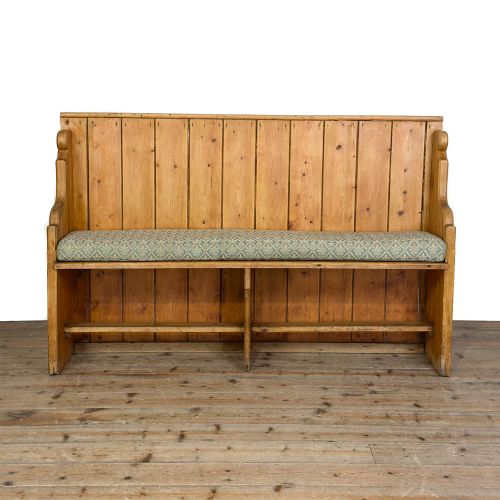
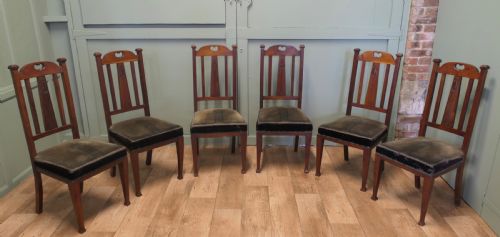
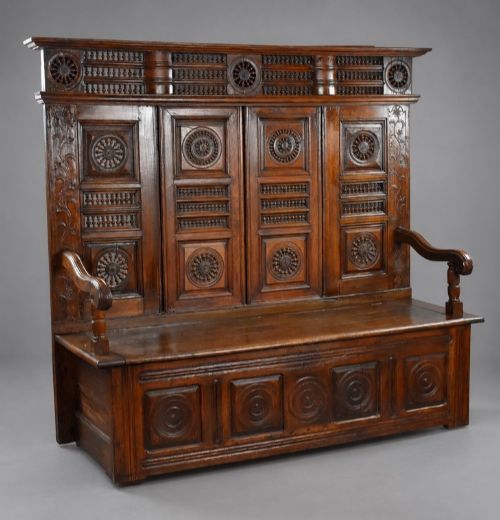
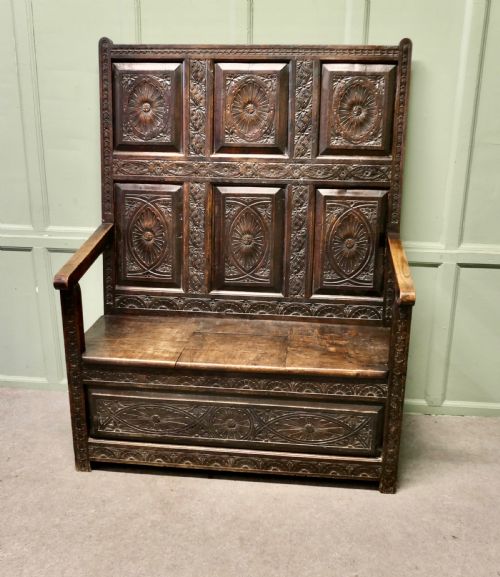
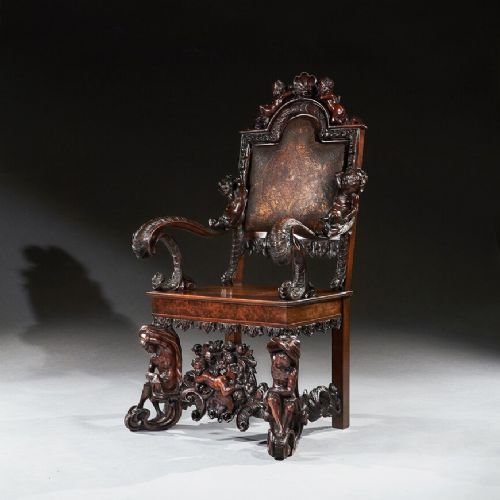
A high wooden seat encompasses sturdy architectural forms including tall settles, high-backed Windsor armchairs, clerk stools, and church pews designed for utility and shelter from drafts. These pieces originate primarily from domestic, ecclesiastical, and commercial settings across the eighteenth and nineteenth centuries.
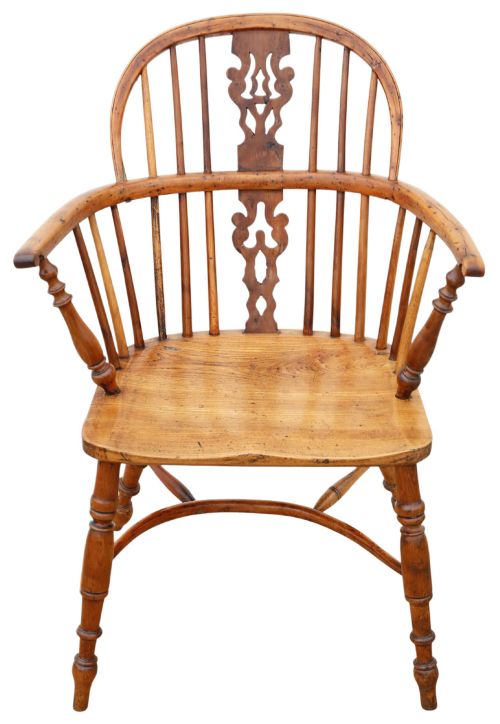
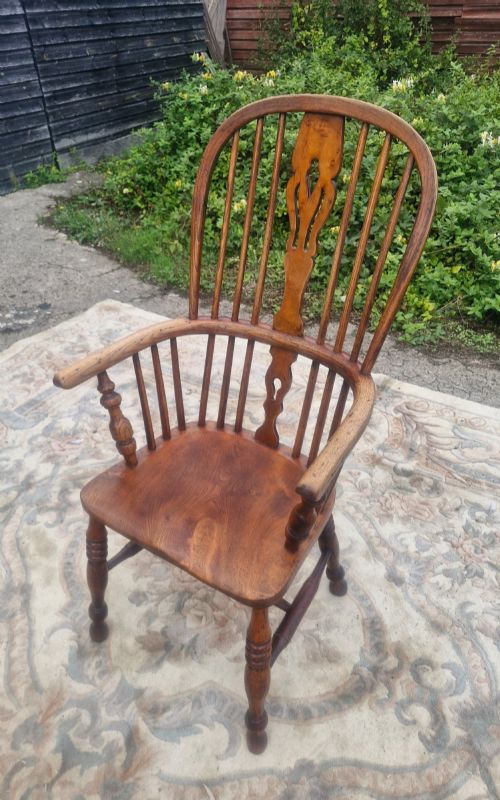
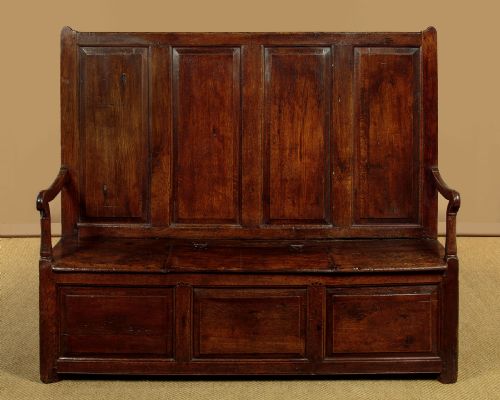
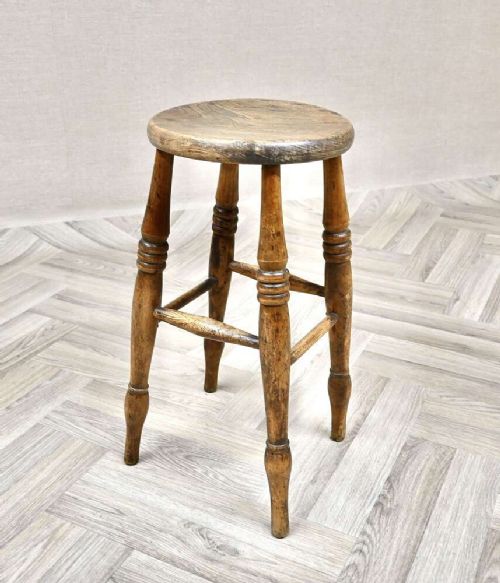
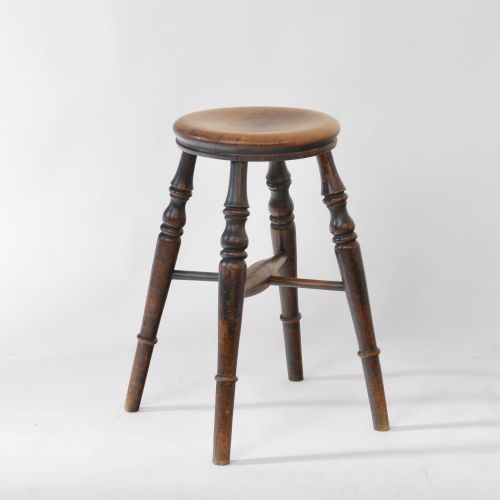
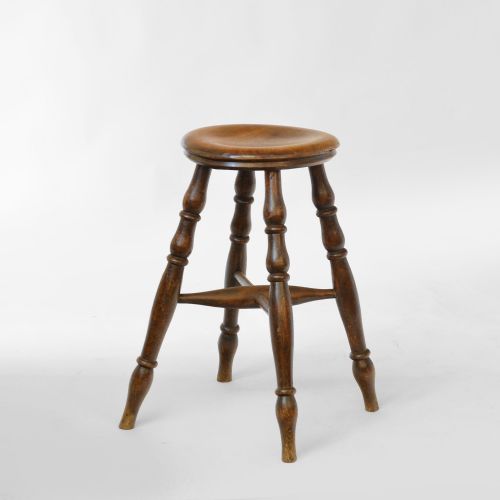
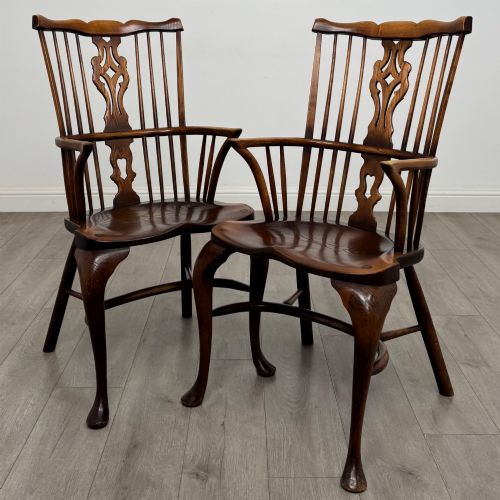
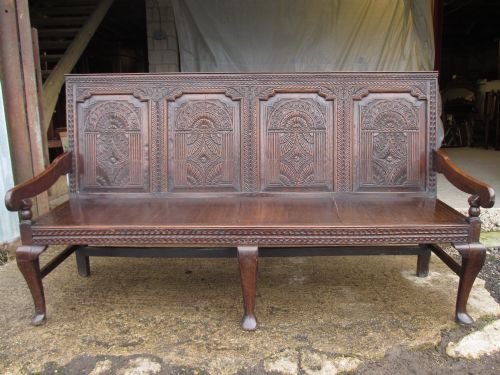
The most common examples on this page are oak box settles with high panelled backs, alongside elm and yew Windsor armchairs and utilitarian ash, beech, or sycamore bar and clerk stools. Their forms reflect regional English country traditions as well as later Arts and Crafts revivals.
Makers utilised resilient native hardwoods to build seating intended to withstand generations of heavy daily use in farmhouses, taverns, and halls. These durable constructions range from simple rustic benches to elaborate carved canopy settles.
Materials and construction
Makers constructed high wooden seats predominantly from native timbers such as oak, elm, pine, ash, beech, and yew, often combining multiple woods within a single piece for structural integrity. Seat boards commonly consist of solid elm or pine, while frames and spindles utilise ash, beech, or oak.
Joinery methods relied heavily on traditional pegged mortise and tenon joints for settles and benches, alongside steam-bent spindles and wedged legs for Windsor chairs. Surfaces were frequently left untreated or finished with simple natural waxes that developed deep patinas over decades.
Several tavern stools show distinct circular wear patterns on their seats from decades of restless patrons waiting for ale.
Assessing quality and proportion
Quality in a high wooden seat rests on the integrity of its timber selection, the tightness of its joints, and the retention of original surfaces rather than restored elements. Heavy elm seat boards and well-turned spindles indicate superior regional craftsmanship.
Proportion and comfort dictate desirability, particularly in high-backed settles and Windsor armchairs where rake and back height affect both posture and visual balance. Pieces retaining honest wear and unstripped historic patinas command greater appreciation among collectors.
Liberty Morris & Co·James Shoolbred & Co·Andrea Brustolon
The High Wooden Seat Glossary
- Settle
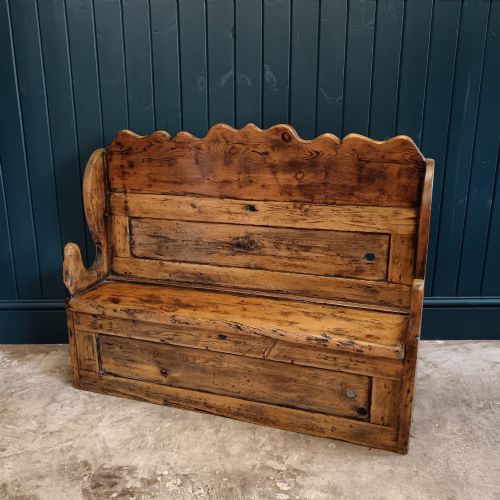
- A high-backed wooden bench with solid arms and a closed base, often incorporating a box seat for storage. This form sheltered occupants from cold drafts in unheated rooms.
- Windsor chair
- A chair built with a solid wooden seat into which the legs and back spindles are directly bored and wedged. Regional variations include comb-backs and high-backed elbow chairs.
- Box settle
- A heavy oak or pine bench featuring an enclosed compartment beneath the seat lid. These provided secure storage for household goods in early domestic interiors.
- Comb-back
- A Windsor chair variation where the top rail resembles a small comb, extending above the main spindle arrangement. This style appeared frequently during the eighteenth century.
- Rush seat
- A seating platform woven from dried marsh rushes around a wooden frame. This technique appears on vernacular chairs and low armchairs.
High Wooden Seat: Frequently Asked Questions
What is a high wooden seat used for today?
These pieces function effectively as hallway benches, dining seating, or focal points in living spaces, providing both utility and strong visual anchor points.
Their robust construction ensures they handle daily domestic demands while adding historic character to contemporary interiors.
How do I date an antique wooden settle?
Dating relies on examining construction techniques, tool marks, timber shrinkage, and joinery methods such as hand-cut pegs and panel assembly. Eighteenth-century examples often display simpler, heavier framing compared to later revival pieces.
Secondary woods and hardware further clarify the manufacturing period, distinguishing Georgian originals from Victorian or Edwardian interpretations.
Are tall stools and bar stools period pieces?
Many tall stools date from the nineteenth century, created for specific commercial environments like taverns, banks, and merchant offices.
Their sturdy beech or sycamore frames were built strictly for utilitarian function, resulting in honest, unpretentious designs.
How should I care for a historic wooden seat?
Maintain the wood by applying occasional natural beeswax and keeping the piece away from direct heat sources and dramatic humidity fluctuations.
Avoid harsh modern cleaners that strip the historic patina accumulated over centuries of use.