
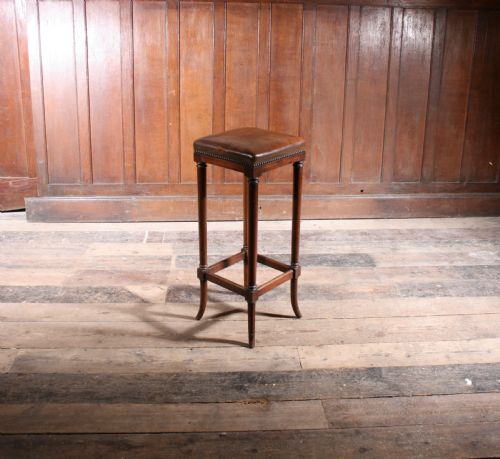


Tall Wooden Counter Seat
Tall wooden counter seat examples combine utilitarian purpose with period character, offering height and solid timber construction for workspace or kitchen.
Tall Wooden Counter Seat
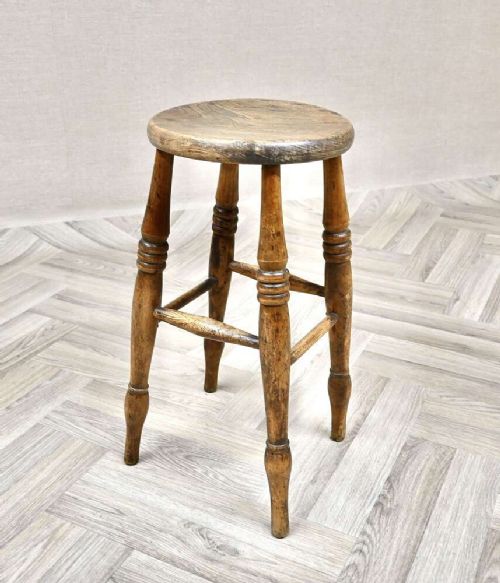
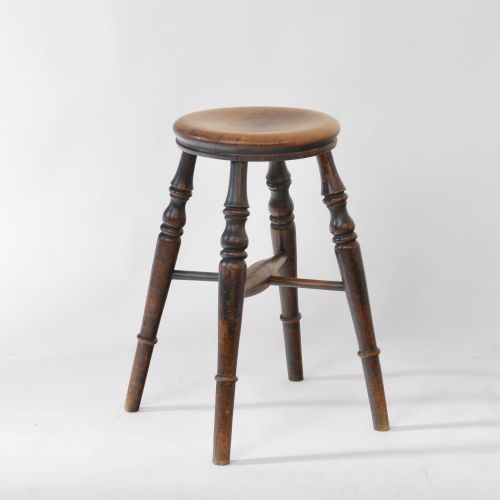
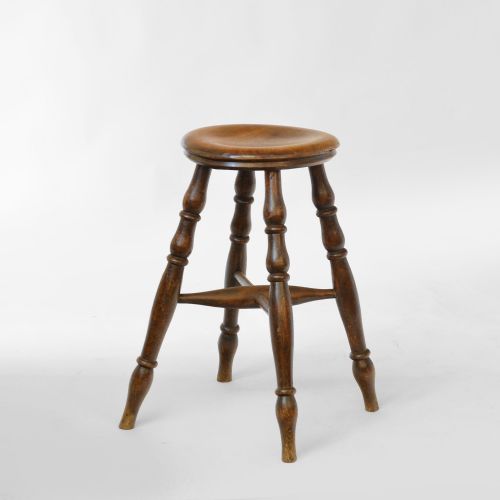
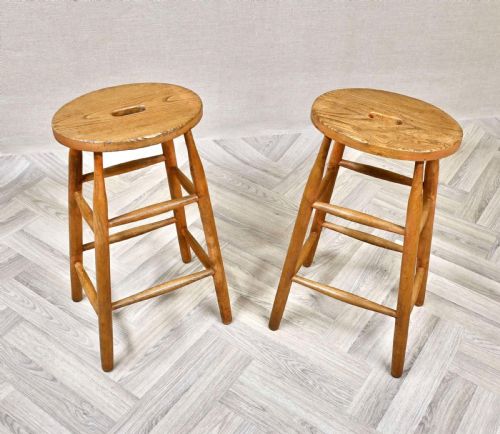
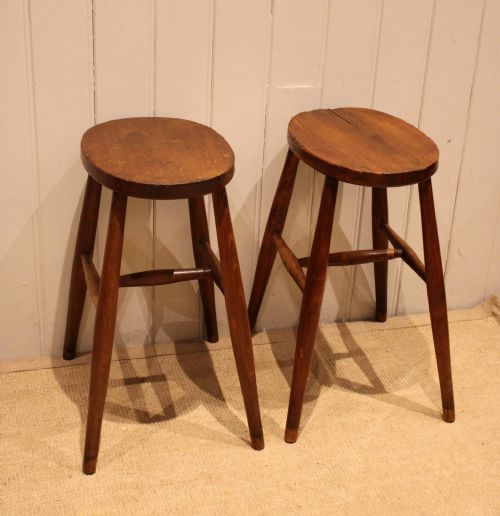
A tall wooden counter seat provides elevated perching for traditional workspaces, pubs, and kitchens. These pieces span the nineteenth century through the early twentieth century, taking forms such as clerk's stools, bar stools, and kitchen stools.
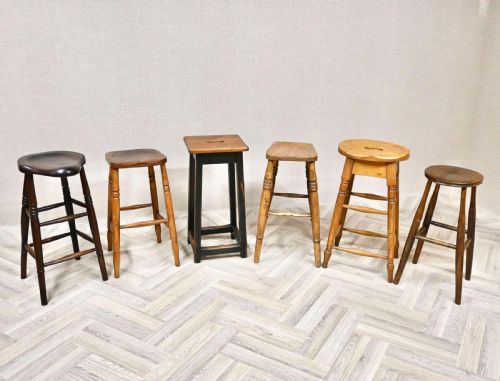
Most examples originate from practical commercial or domestic settings, reflecting a functional design history. Buyers encounter styles ranging from Victorian vernacular and rustic farmhouse to mid-century industrial.
The selection includes single seating pieces, matched pairs, and larger sets. Common historical designations on this page include pub or tavern stools and general purpose high stools.
Materials and construction methods
Construction relies upon traditional solid timbers including beech, elm, pine, oak, birchwood, and sycamore. Joinery techniques connect turned or straight wooden legs to sturdy seats, frequently incorporating footrests for stability at height.
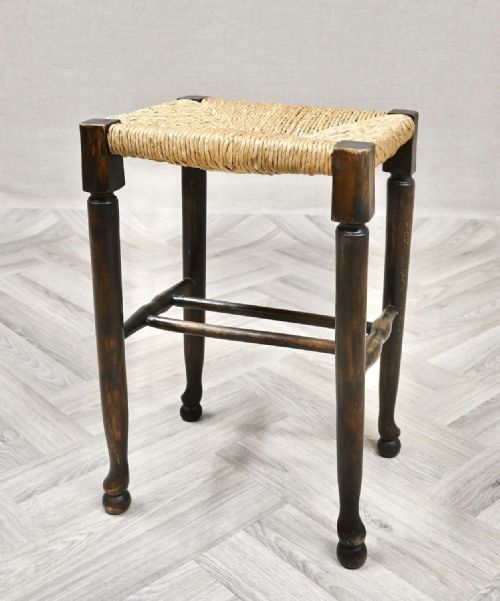
Certain examples integrate materials like rush or leather into the seating surface. Surface finishes range from natural wood grains to stained beech and aged patinas accumulated through decades of commercial use.
Listings feature solid timbers including beech, elm, pine, oak, birchwood, and sycamore across nineteenth- and early twentieth-century periods.
Evaluating construction and timber quality
Quality rests upon the selection of timber and the integrity of the original joints. Dense hardwoods like elm and sycamore provide superior durability compared to softer woods.
The sophistication of the turning work on legs and stretchers distinguishes standard utility items from finer examples. Uniformity across matched sets and pairs also influences the overall character.
The Tall Wooden Counter Seat Glossary
- Clerk's stool
- A tall seating piece historically used by a writer or accountant at a high desk. These often feature simple turned legs and a round wooden top.
- Pub or tavern stool
- A robust high seat designed for commercial hospitality environments. They utilise hard-wearing timbers to withstand heavy daily use.
- Bentwood
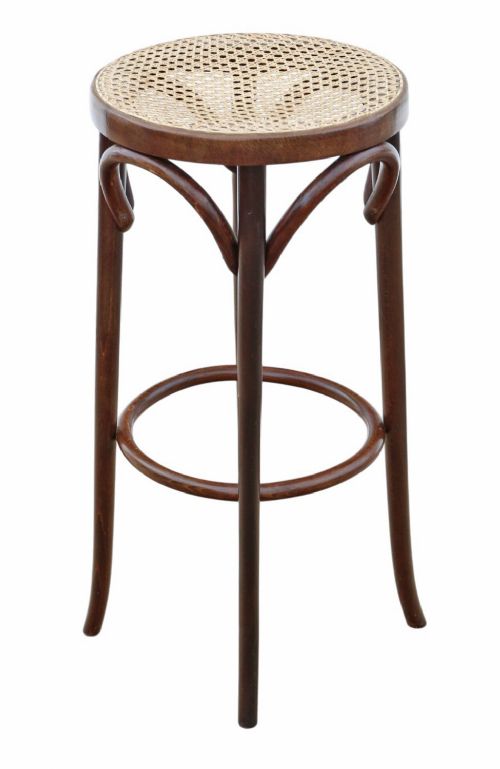
- Wood softened by steam and bent into curved shapes. This technique creates lightweight yet strong framing components.
- Rush seat
- A seating surface woven from dried marsh plants. It provides a textured and flexible top over a wooden frame.
- Vernacular
- Everyday objects made by local tradespeople for practical utility rather than high stylistic adherence. These pieces prioritise function over ornament.
Tall Wooden Counter Seat: Frequently Asked Questions
How do I use a tall wooden counter seat at home?
These pieces suit kitchen islands, breakfast bars, and raised work surfaces.
Their elevated stature and compact footprints allow them to tuck neatly beneath counters when not in use.
Are nineteenth-century stools sturdy enough for daily use?
Most surviving examples retain robust timber frames built for commercial or institutional service.
Checking the tightness of the leg joints and stretchers ensures stability for modern seating.
What is the difference between a bar stool and a clerk's stool?
Clerk's stools typically originate from office or workspace environments with simpler turned profiles.
Bar and tavern variants often feature heavier timber construction designed for public house seating.
How do I identify elm versus beech on these seats?
Elm exhibits a distinctive interlocking grain pattern and heavy weight, often showing rich figuring on the seat.
Beech presents a finer, more uniform grain structure and takes turnings with sharp precision.
Can I find matching sets of antique high stools?
Sets of four or six occasionally appear, though single pieces and pairs form the majority.
Matching sets usually originate from institutional or commercial clearances where uniformity was required.