

High Back Accent Chair
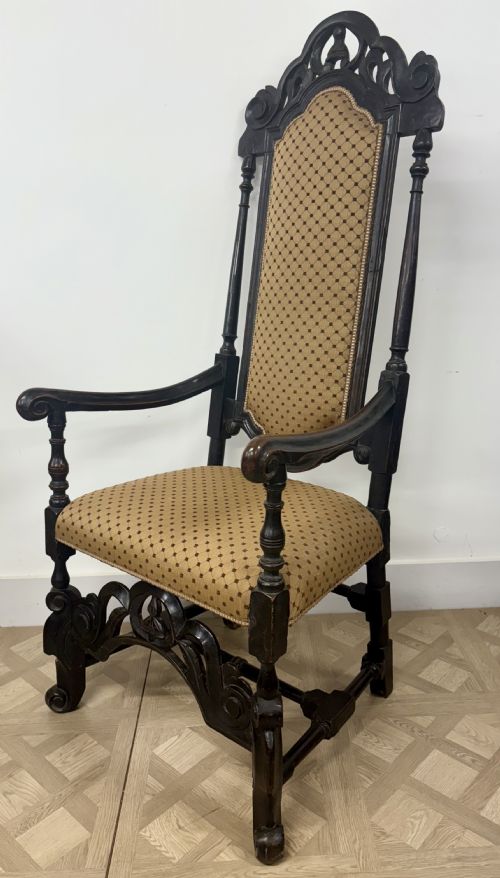
A high back accent chair brings centuries of seating history into a room, offering striking proportions and tactile materials.
High Back Accent Chair
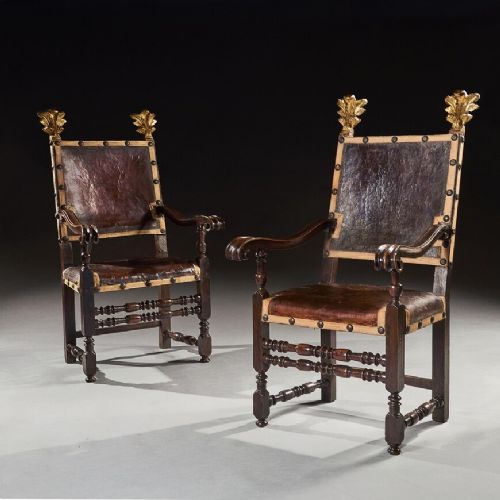
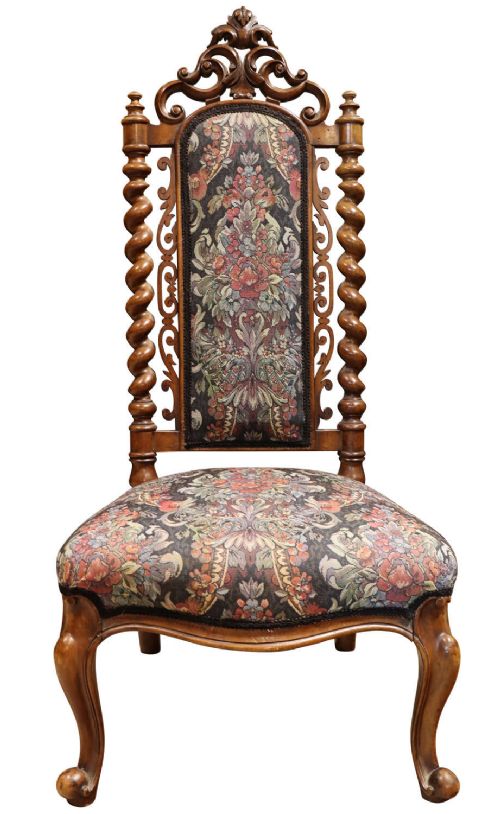
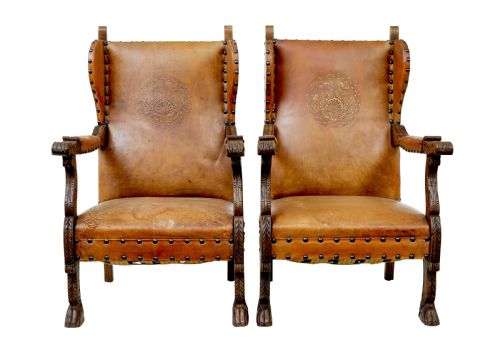
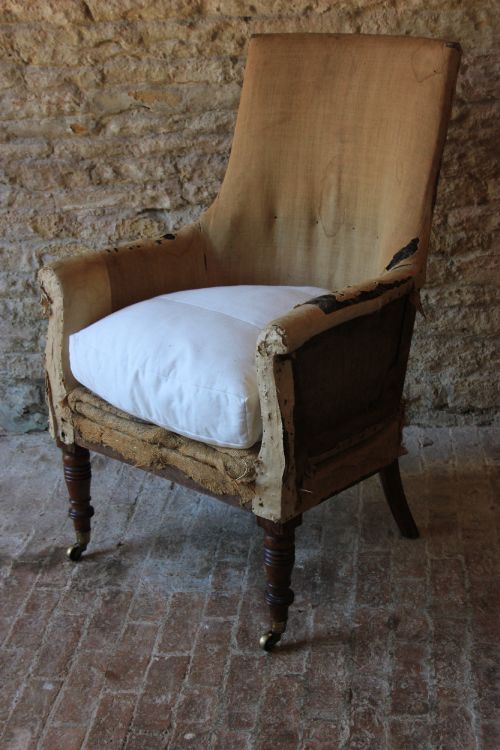
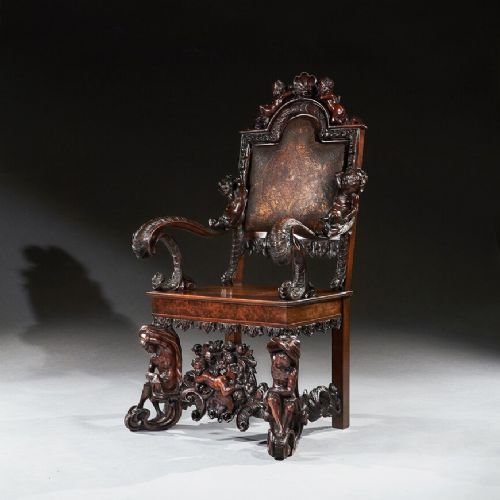
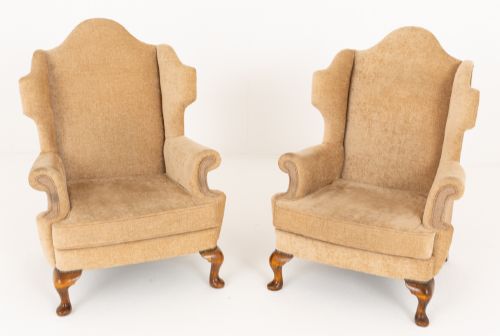
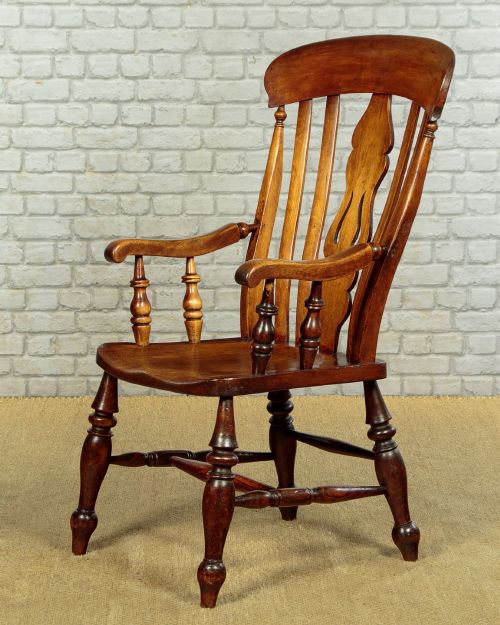
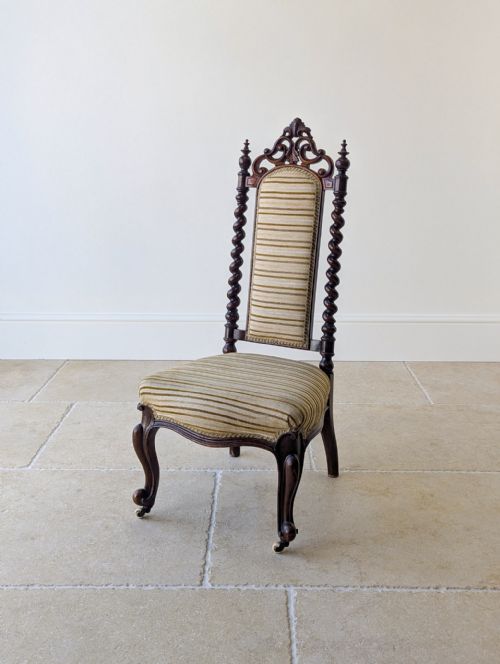
When you search for a high back accent chair, you encounter a diverse array of seating ranging from seventeenth-century Italian Baroque armchairs to nineteenth-century Victorian parlour chairs and twentieth-century wingback designs.
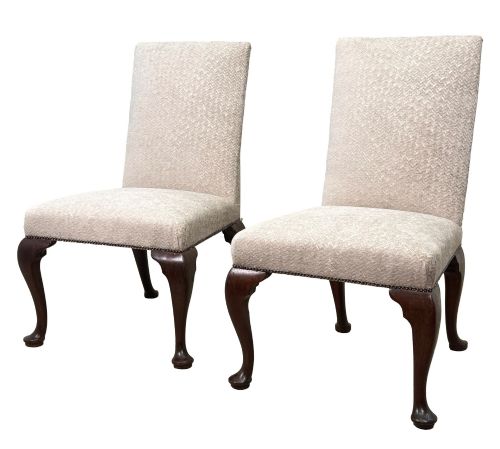
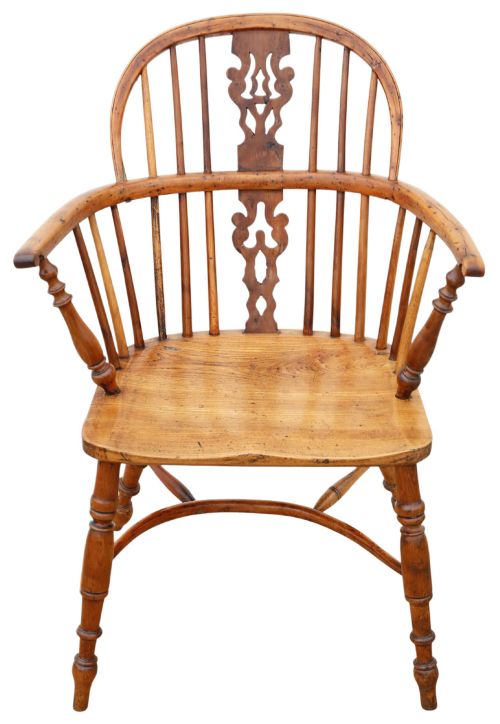
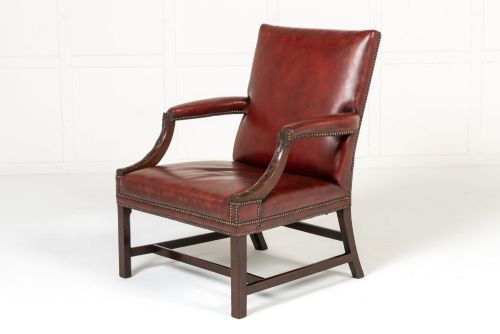
The selections span numerous forms, including Windsor chairs in yew and elm, mahogany Gainsborough chairs, oak library chairs, and walnut side chairs.
Originating from English, French, Italian, and Indian workshops, these pieces encompass armchairs, side chairs, and occasional chairs designed to anchor a room with height and presence.
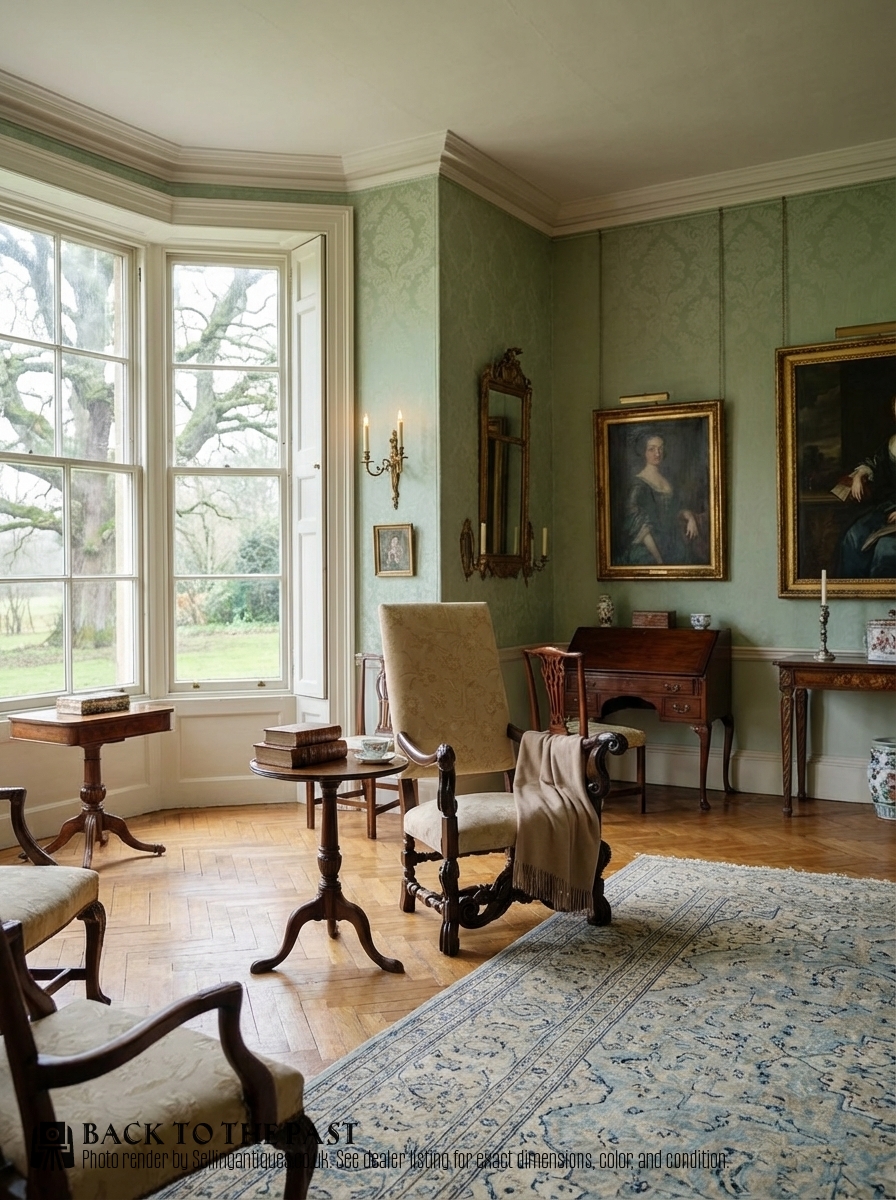
How they were made
Cabinet makers utilised dense hardwoods such as walnut, mahogany, oak, fruitwood, and elm to construct sturdy frames with carved details, barley twists, and parcel-gilt or gilt finishes.
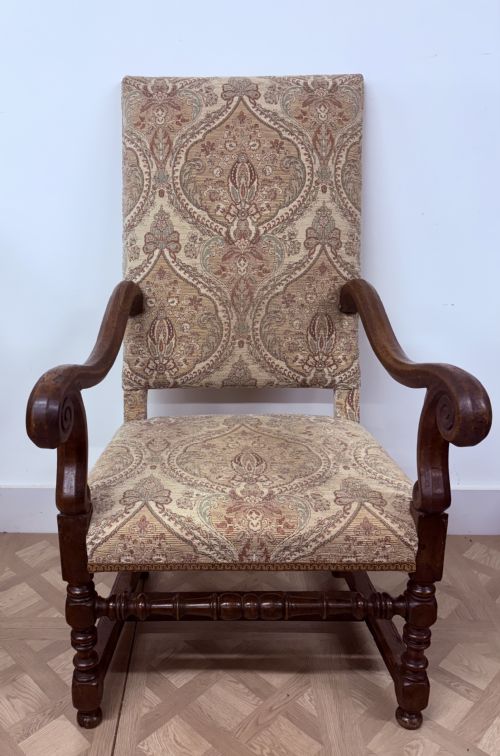
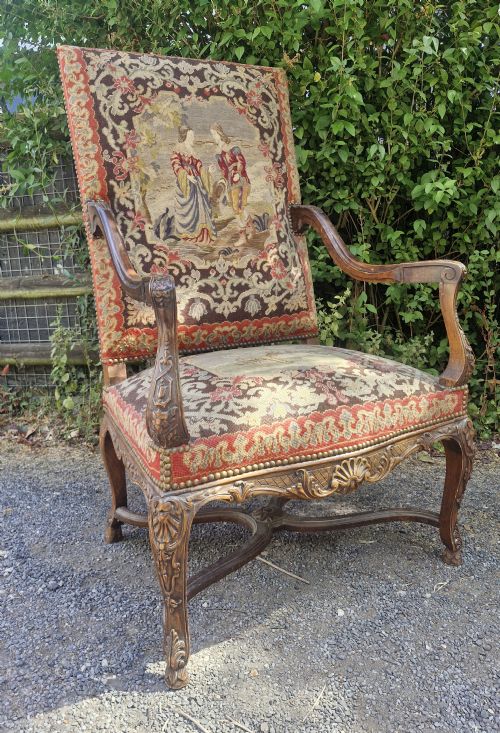
Upholstery techniques relied on textiles including velvet, leather, tapestry, needlework, rush, cane, and printed plaid fabrics fastened to frames with careful stitching and embossing.
High Back Accent Chair Retail Price Guide 2026
Typical asking prices for high back accent chair among the pieces listed under this phrase on Sellingantiques today, from the lower quarter to the upper quarter. They describe what is for sale here now, not the wider market.
Periods represented span from the seventeenth century through the Georgian and Victorian eras into the twentieth century.
What varies in quality
The standard of a high back accent chair depends on the depth and crispness of the wood carving, the integrity of the timber joints, and the authenticity of period upholstery materials.
Exhibition quality pieces display superior hand-carved detailing and well-balanced proportions, whereas simpler country variations rely on honest joinery and regional timber selection.
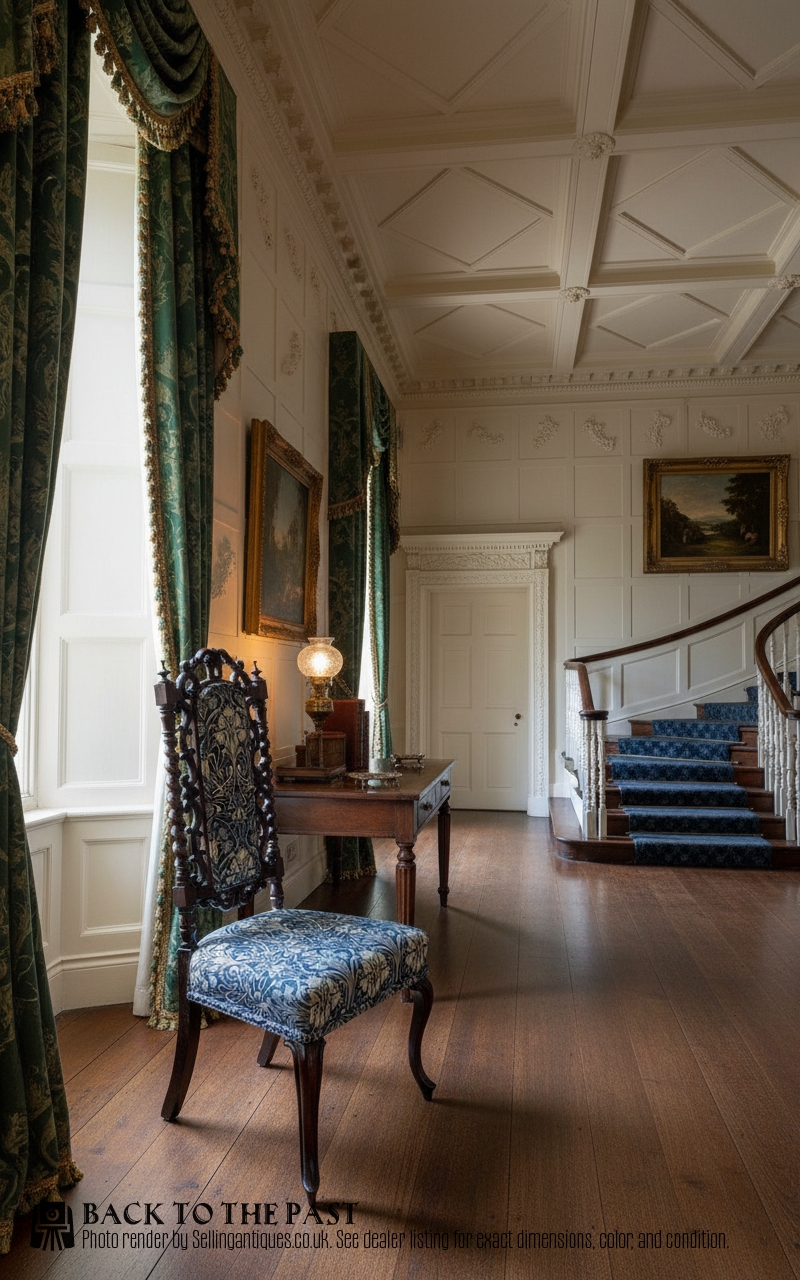
Liberty Morris And Co·Andrea Brustolon·Dryad of Leicester
The High Back Accent Chair Glossary
- Gainsborough chair
- A type of upholstered armchair with a high back and open padded arms, popular in the eighteenth century. These chairs typically feature mahogany frames and generous proportions.
- Windsor chair
- A wooden chair constructed with a solid saddle-shaped seat into which the back and legs are dowelled. Regional variants often combine elm seats with yew or ash framework.
- Barley twist
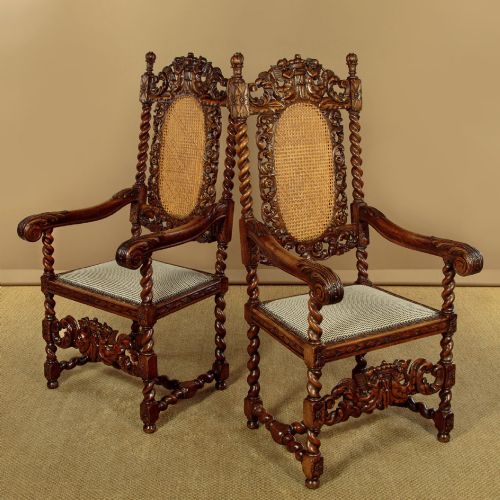
- A decorative turning technique resembling a twisted rope, common on seventeenth and nineteenth-century furniture legs and stretchers. This detail adds vertical rhythm to the frame.
- Fauteuil
- An open-framed upholstered armchair originating in France, characterised by exposed wooden arms and carved rails. The style evolved through various royal periods including the Regence and Louis XIV eras.
- Carolean style
- A revival or period style associated with the reign of Charles II, featuring rich carving, cane panels, and high scrolled backs. These chairs project a distinct seventeenth-century aesthetic.
High Back Accent Chair: Frequently Asked Questions
How do I identify a high back accent chair?
Look for an elevated backrest combined with period construction methods, timber choices such as walnut or oak, and traditional upholstery.
Examine the frame for hand-carved details or turned woodwork that align with eras like the Georgian or Victorian periods.
Where should I place a high back accent chair?
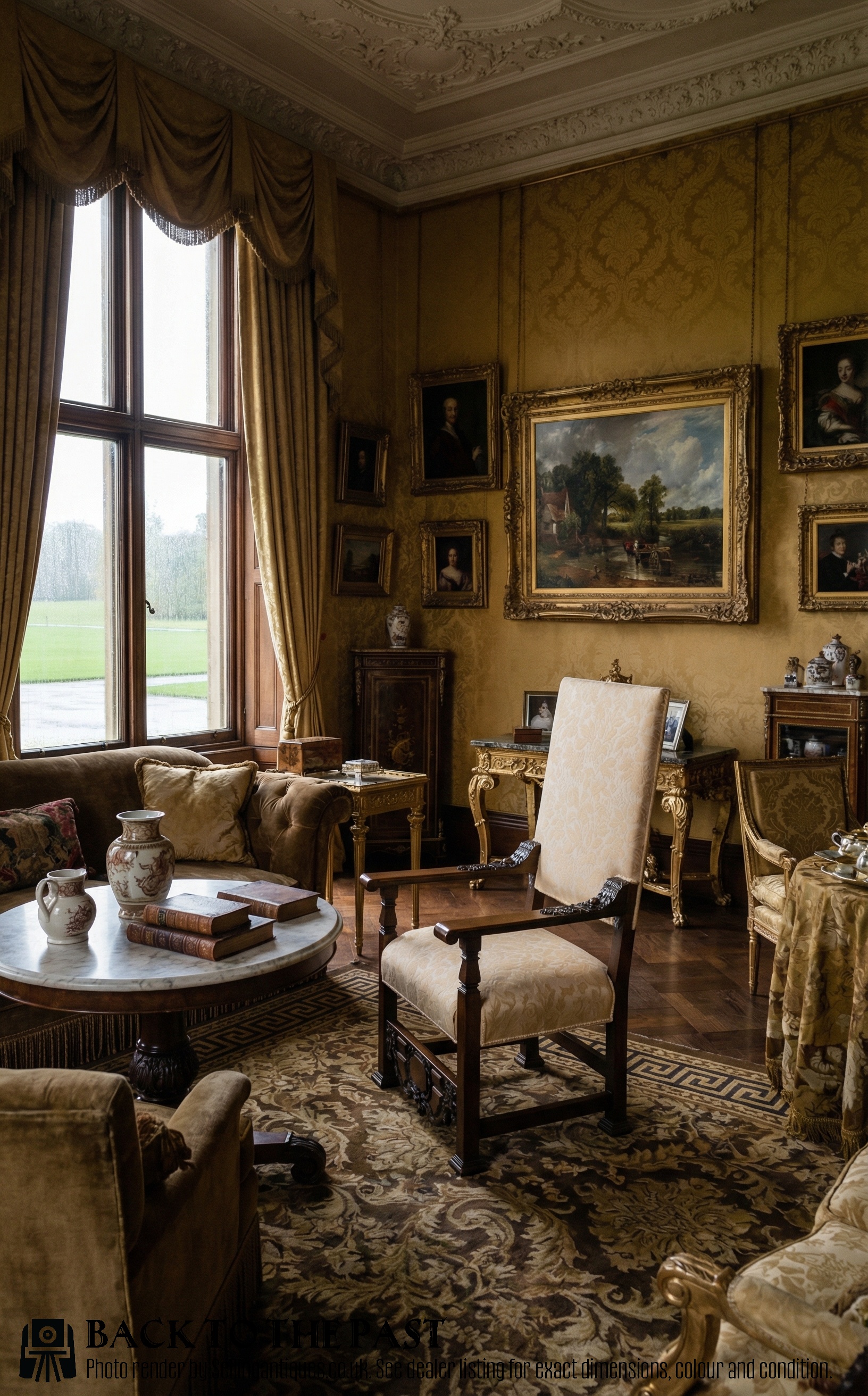
These chairs work well in corners, studies, or living rooms where their height can balance open wall space or anchor a seating group.
Pair them with a reading lamp or side table to let the timber frame and upholstery stand out.
Are these chairs comfortable for daily use?
Many designs feature generous proportions, supportive upholstered backs, and padded arms intended for relaxation in libraries and parlours.
Modern comfort depends on the internal padding and springing condition within the historical frame.
What woods were commonly used?
Cabinet makers utilised domestic and imported timbers including walnut, mahogany, oak, elm, fruitwood, and yew depending on the workshop origin.
Hardwoods provided the structural strength required for slender legs and tall carved backrests.