


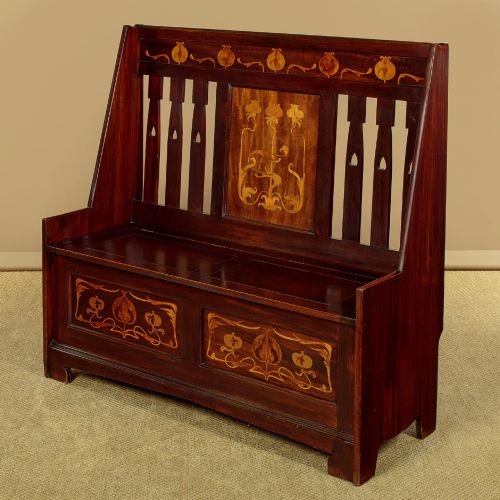
Edwardian High Back Chair
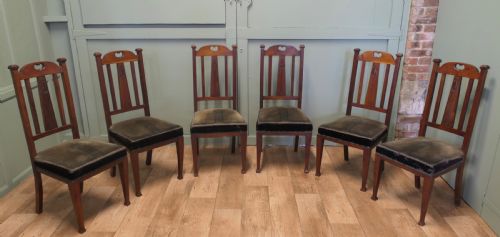
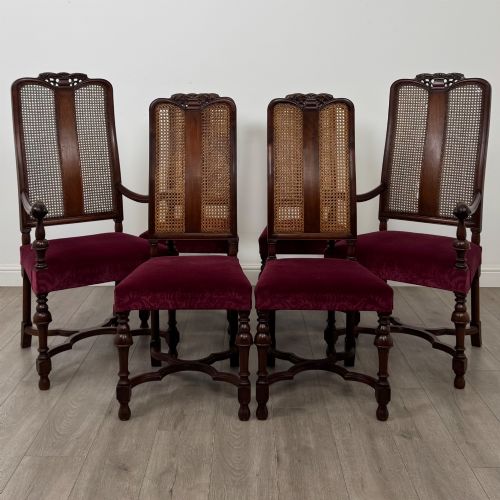
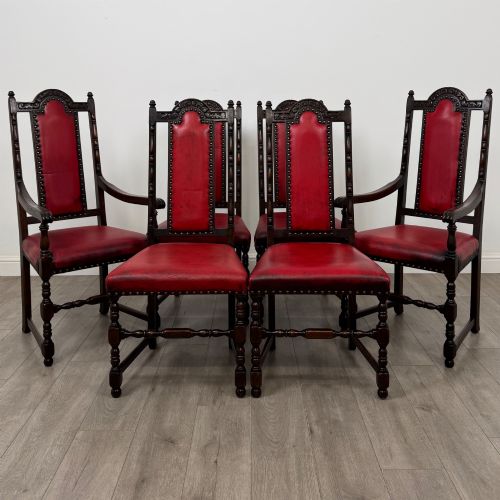
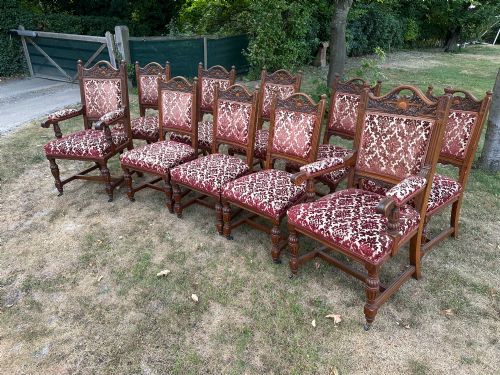
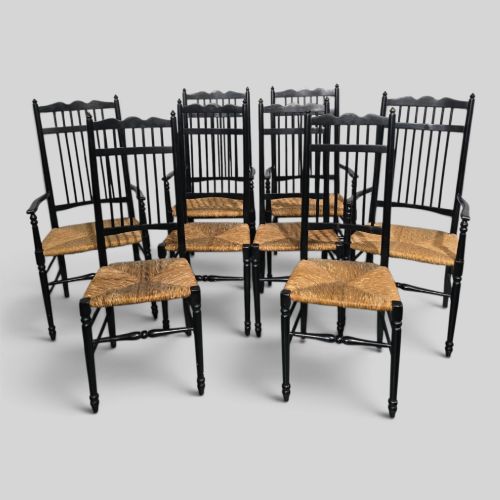
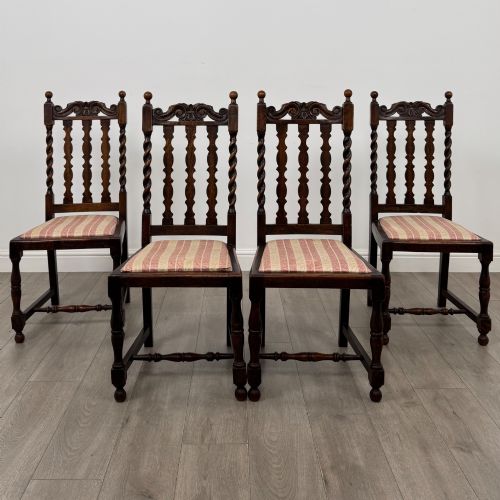
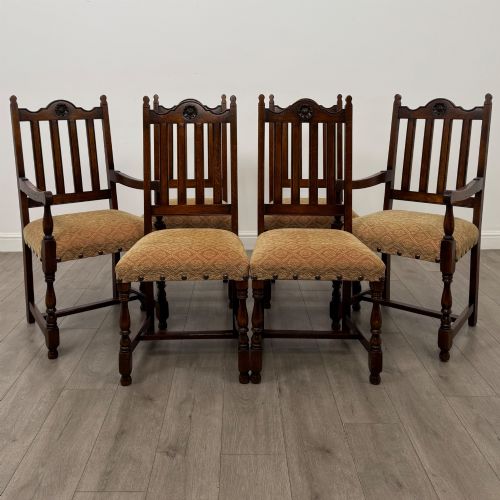
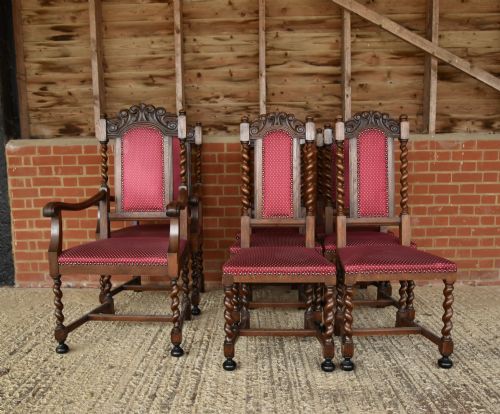
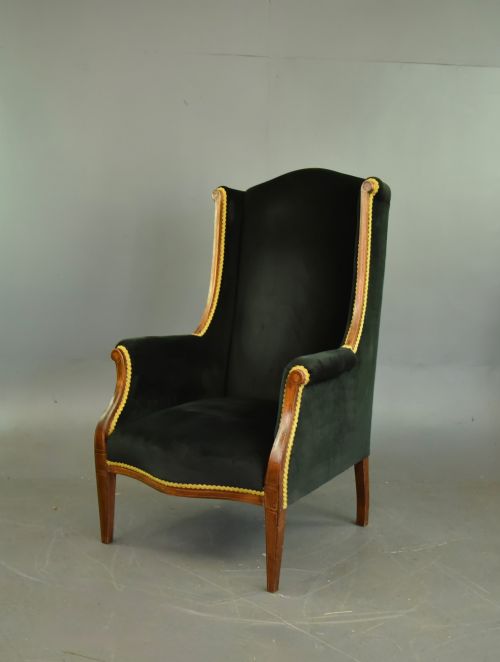
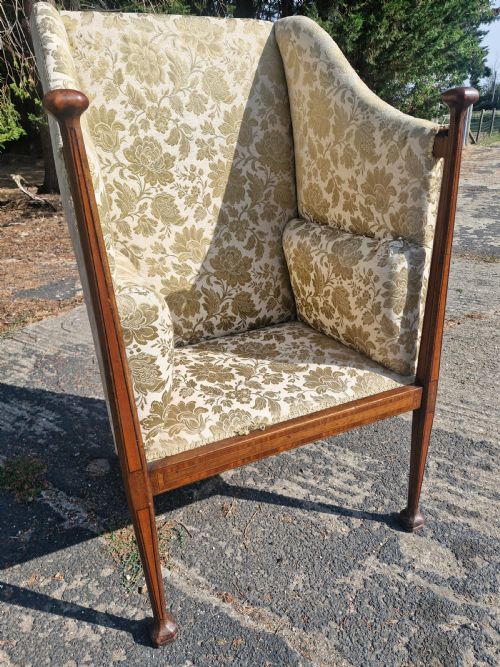
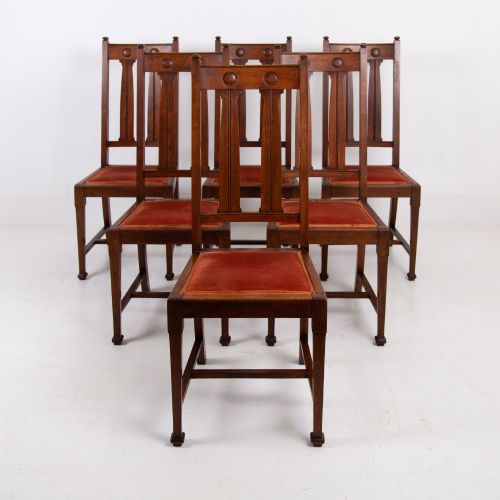
These edwardian high back chair pieces combine architectural verticality with domestic comfort, spanning oak, mahogany, and walnut frames.
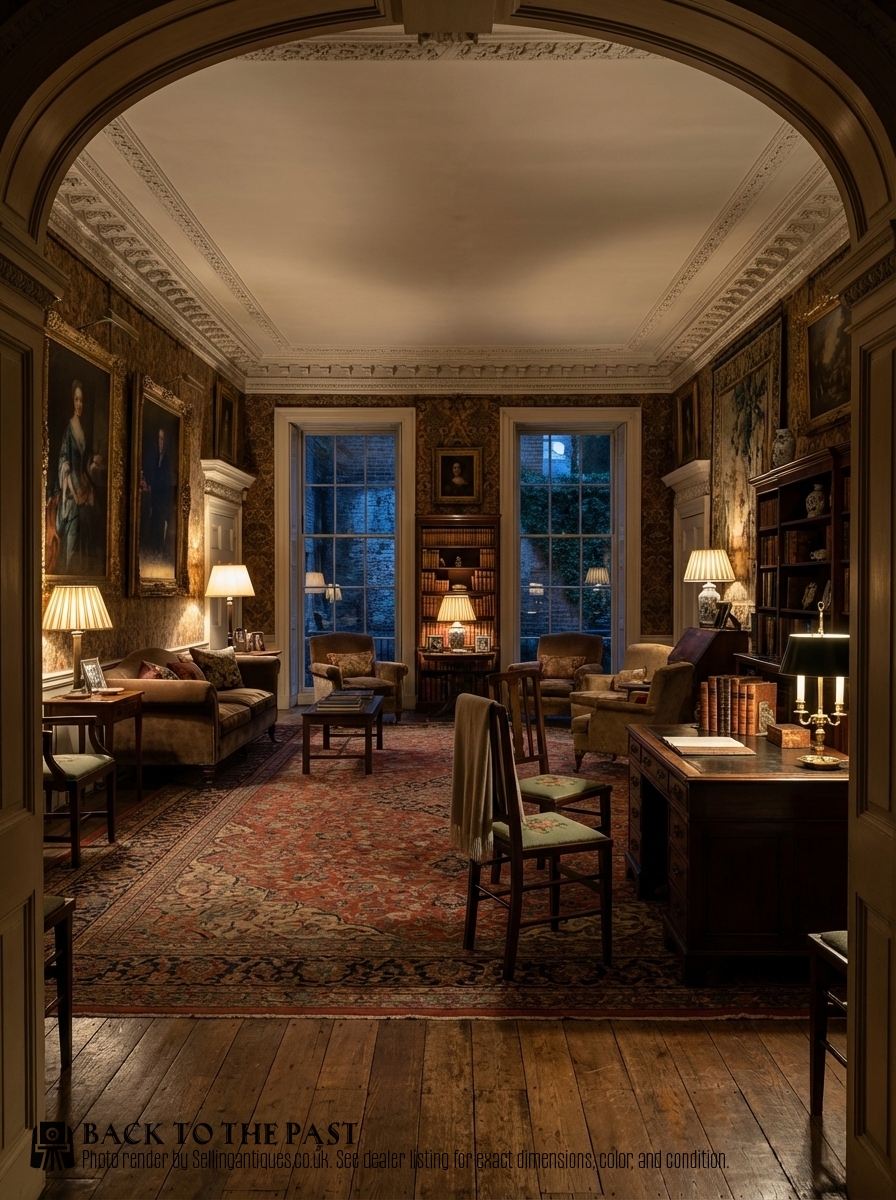
Edwardian High Back Chair
An edwardian high back chair brings vertical presence to a room, drawing the eye upward through extended timber frames. The pieces on this page span the Edwardian era alongside surrounding periods from the late nineteenth century into the nineteen-twenties.
Most examples appear in forms designed for dining, resting by the fireside, or sitting at a desk. Dining sets, salon armchairs, and revolving office variants make up the bulk of what is available.
The aesthetic vocabulary stretches from simple oak dining chairs to elaborate upholstered library seating and inlaid mahogany salon pieces. Craftsmen of the period drew upon Arts and Crafts principles, alongside Jacobean and Queen Anne revivals.
Distinctions in quality
The distinction between standard utility seating and exceptional work rests on the handling of timber and the ambition of the design. Superior examples feature well-figured walnut or rich mahogany, executed with crisp carving and balanced proportions.
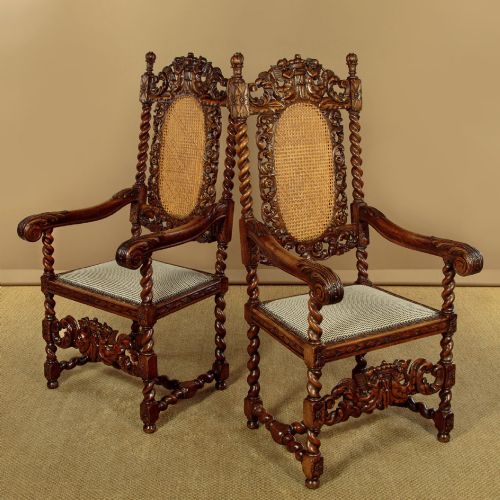
Execution of decorative details, from hand-woven cane panels to precise wood inlay and specialised joinery, separates mass-produced workshop output from bespoke commissions by notable makers.
Listings feature oak, mahogany, walnut, and beech timbers alongside cane, leather, and velvet upholstery.
Liberty Morris And Co·James Shoolbred And Co·Dryad Of Leicester·Whytock And Reid·Howard And Sons
The Edwardian High Back Chair Glossary
- Barley twist
- A carved wooden furniture leg or stretcher shaped to resemble a spiral rope. This decorative turning technique appears frequently on oak and walnut chair frames.
- Bergère
- An enclosed upholstered armchair with wooden framing exposed around the sides and back. The panels are often filled with woven cane.
- Inlay
- A technique where contrasting woods or other materials are inserted into recessed portions of a base timber to form decorative patterns. Mahogany salon pieces frequently utilise this method.
- Settle
- A wooden bench with a high back and solid arms, designed to block draughts in hallways or firesides. These items often incorporate box storage beneath the seat.
- Wingback
- An armchair featuring side panels attached to the arms and stretching up to the headrest. These projections originally protected sitters from draughts in large rooms.
Edwardian High Back Chair: Frequently Asked Questions
Where were high back chairs used?
These tall seating forms served various domestic functions depending on their structural build. Dining variants surrounded heavy oak and mahogany tables, while salon and bedroom versions furnished formal reception spaces.
Heavier upholstered examples found homes beside library fireplaces or behind office desks. Their elevated backs provided practical shelter from household draughts before central heating became standard.
How do I care for leather and wood?
Solid timber frames require regular dusting and occasional treatment with appropriate beeswax to maintain the finish. Avoid placing antique wood furniture in direct sunlight or near sudden heat sources.
Leather upholstery benefits from gentle cleaning and specialised balms to prevent drying out and cracking. Preserving the original surface condition maintains the character of the piece.
Can I use these chairs daily?
Sturdy construction in oak and mahogany makes these vintage seats fully suitable for everyday domestic service. Traditional joinery techniques provide the resilience needed for regular dining or fireside use.
Checking frame stability and joint tightness ensures safe operation over time. Periodic inspection of upholstery webbing and cane work prevents sudden strain during sitting.