

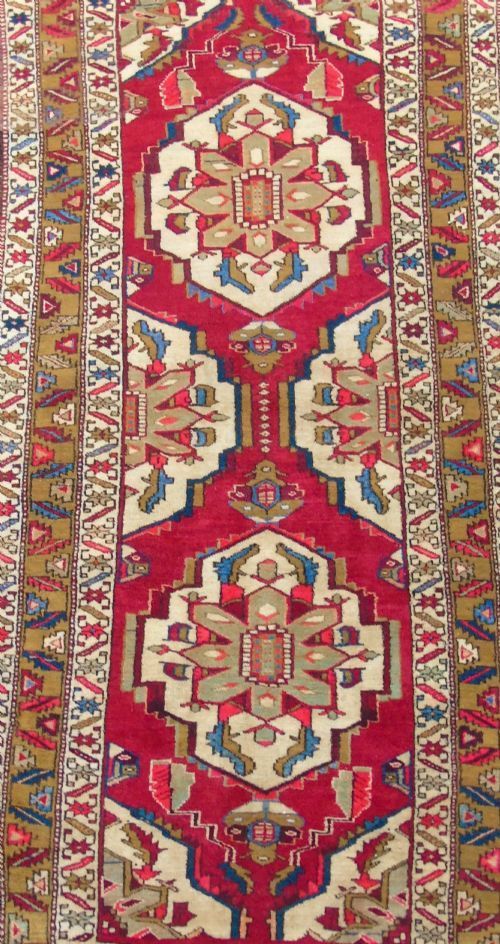
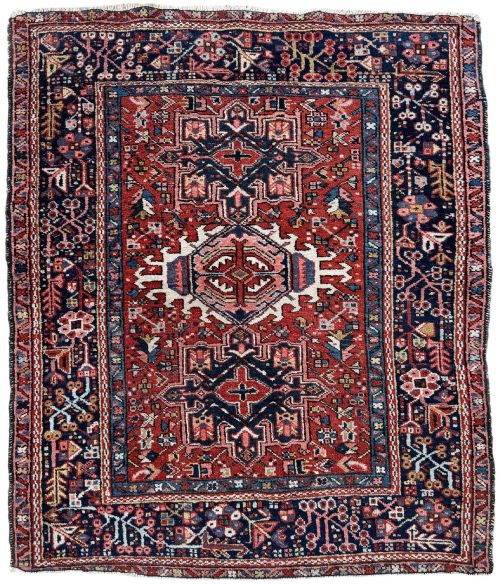
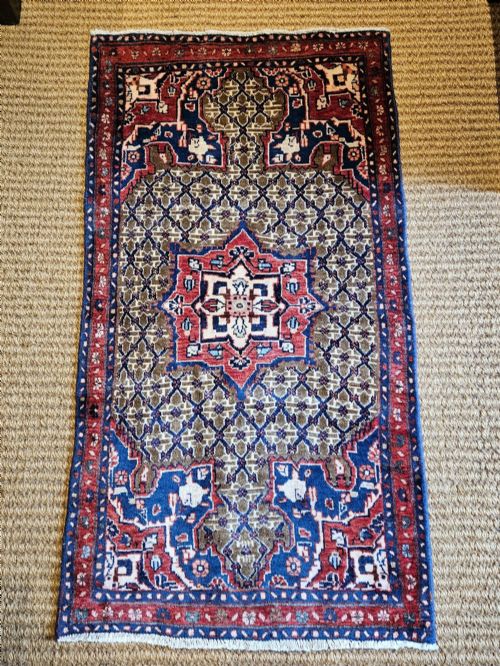
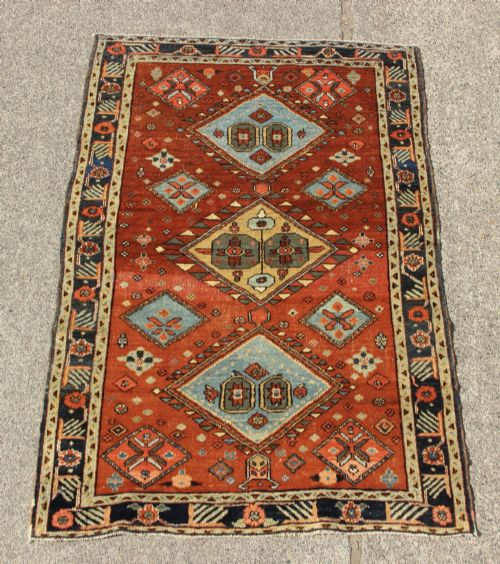

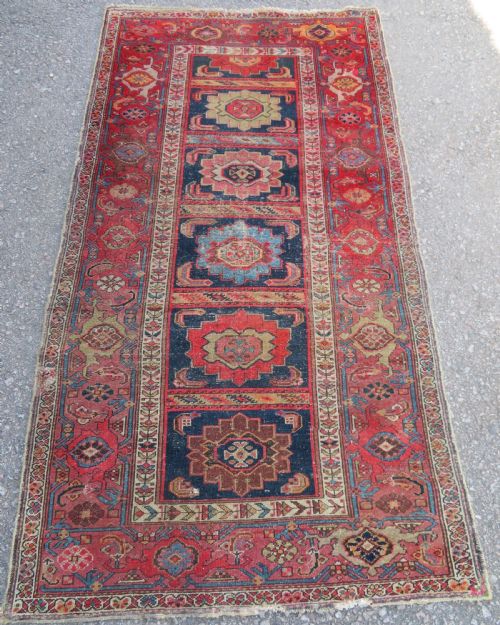


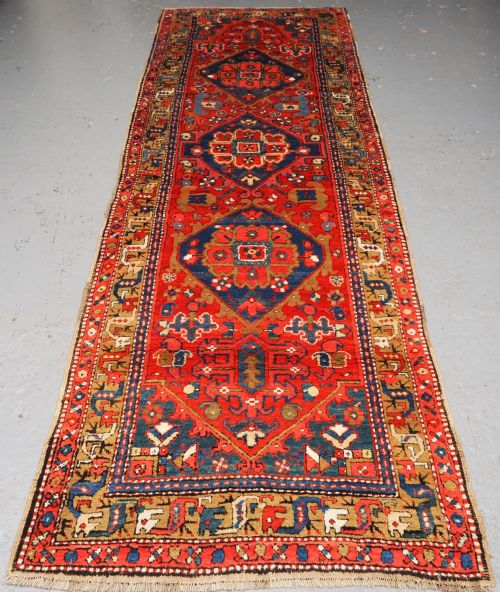


Heriz Medallion Runner Rug
These heriz medallion runner rug examples bring geometric Persian artistry into hallways, utilising durable wool and cotton structures.
Heriz Medallion Runner Rug
A heriz medallion runner rug displays strong geometric motifs originating from North West Persia, often taking the form of elongated hallway runners or smaller hearth rugs. These traditional pieces span dates from the late nineteenth century into the early decades of the twentieth century.
Buyers will frequently encounter formats associated with Heriz, Karaja, and Bakshiash production, categorised under styles like Persian tribal and traditional Persian. The selection encompasses narrow room runners alongside compact area rugs and small carpets.
Makers in this tradition created floor coverings designed for heavy domestic use, employing robust formats that suit long corridors and reception spaces. The distinct regional weaving traditions emerge through characteristic central medallions and angular botanical patterns.
How they were made
Traditional weavers constructed these floor coverings utilising durable wool pile knotted firmly onto sturdy cotton foundations. This pairing provided the structural strength necessary for long runners positioned in high-traffic hallways.
Natural dyeing methods yielded the distinct colour palettes seen across Heriz and Karaja weaving traditions. Artisans utilised local materials to dye the wool yarns before hand-knotting each geometric design into place.
Heriz Medallion Runner Rug Retail Price Guide 2026
Typical asking prices for heriz medallion runner rug among the pieces listed under this phrase on Sellingantiques today, from the lower quarter to the upper quarter. They describe what is for sale here now, not the wider market.
Listings span production dates from the 1870s through the 1920s, constructed entirely from wool and cotton.
What varies in quality
The sophistication of the central medallion design and the crispness of the angular geometric detailing distinguish exceptional examples from standard production. Superior execution reveals a precise balance of traditional Persian motifs across the field.
Pile preservation and structural integrity significantly influence the character of each piece, whether encountered in distended room runners or compact hearth rugs. Tighter knot density and even wear across the wool surface indicate careful historical maintenance.
The Heriz Medallion Runner Rug Glossary
- Heriz
- A region in North West Persia renowned for producing durable carpets and runners featuring bold geometric medallions. These pieces typically display robust construction utilising wool on cotton foundations.
- Medallion
- A prominent central ornamental design motif placed in the field of a rug. In these Persian pieces, the motif usually takes an angular, geometric form.
- Karaja
- A neighbouring weaving centre producing rugs and runners closely related to the Heriz style. Pieces from this origin often share similar geometric vocabulary and palette.
- Bakshiash
- An older village weaving tradition associated with the broader Heriz district. These examples display characteristic tribal designs with distinctive drawing styles.
- Serapi
- A term applied to older Heriz carpets and runners typically dating from the nineteenth century. These items generally exhibit spacious designs and softer colour schemes.
Heriz Medallion Runner Rug: Frequently Asked Questions
Where should I place a runner rug?
These elongated formats suit narrow corridors, hallways, and entry spaces where geometric Persian design adds distinct character.
The robust wool pile handles regular foot traffic while protecting underlying flooring.
How do I identify a Heriz rug?
Look for bold geometric central medallions set against structured angular borders and field patterns.
North West Persian weaving is distinguished by this specific rectilinear design vocabulary rather than curved floral lines.
What materials make up these rugs?
Traditional construction relies upon hand-knotted wool pile secured to sturdy cotton foundation warps and wefts.
This material combination provides the structural resilience required for functional floor coverings.
How do I care for antique wool rugs?
Regular gentle vacuuming without a beater bar removes surface dust from the wool pile without damaging the antique foundation.
Professional specialist cleaning preserves the natural dyes and structural integrity of older Persian pieces.
What is the difference between Heriz and Karaja?
While both originate from North West Persia, Karaja pieces often feature distinct smaller village medallion formats.
Heriz productions frequently span larger runner and carpet proportions with bolder geometric field arrangements.