
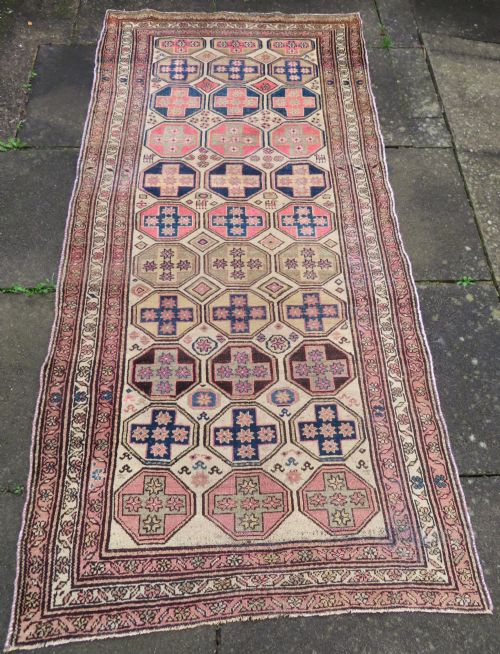
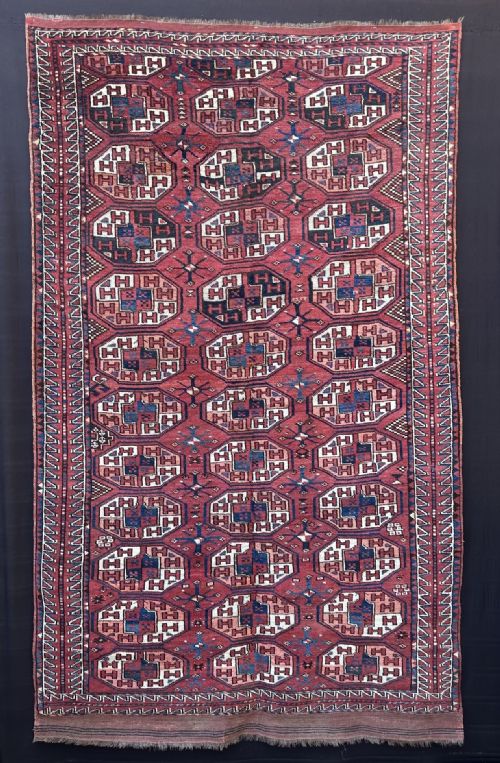
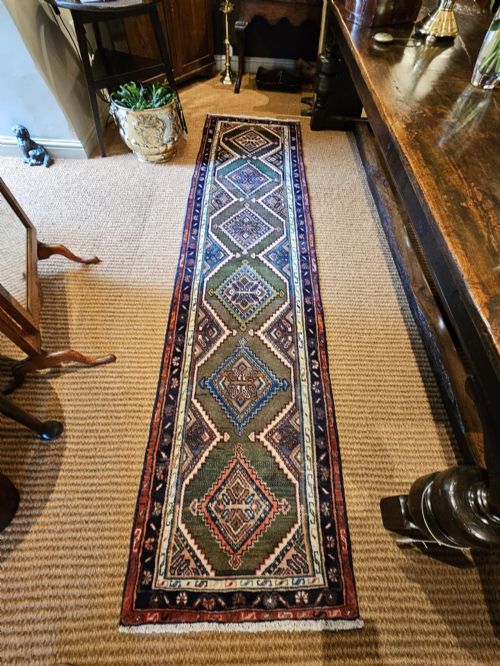


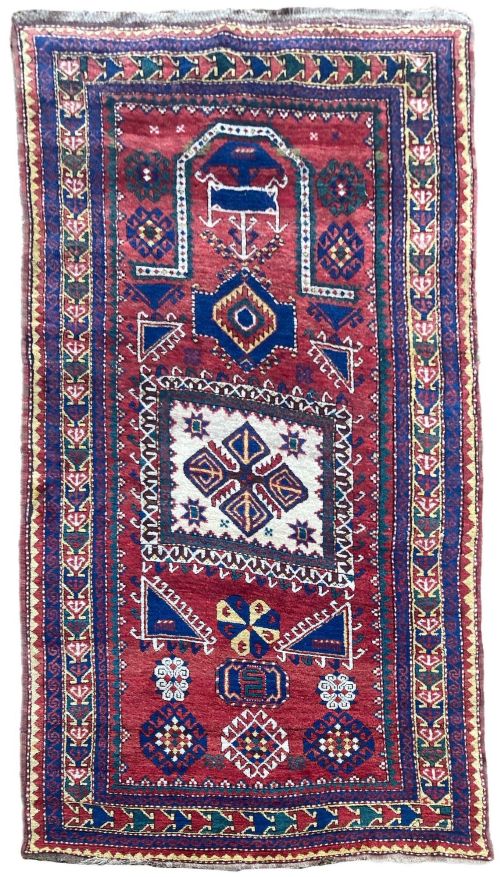
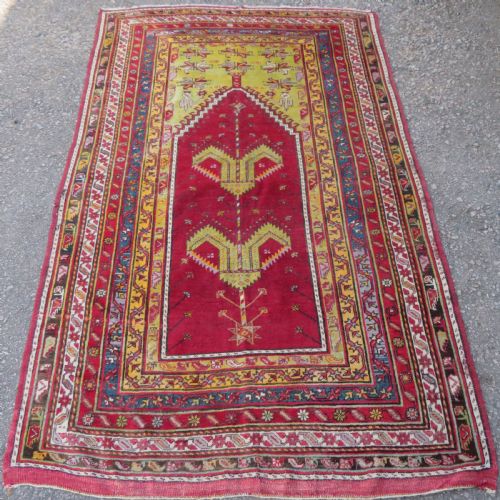
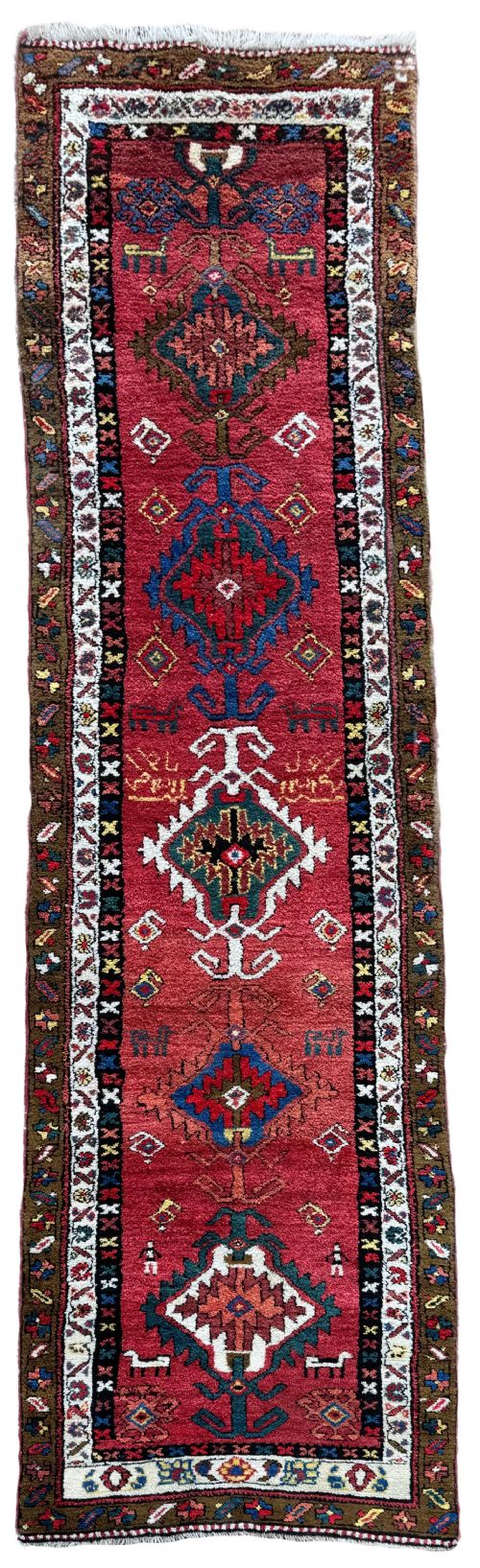
Traditional Geometric Wool Runner
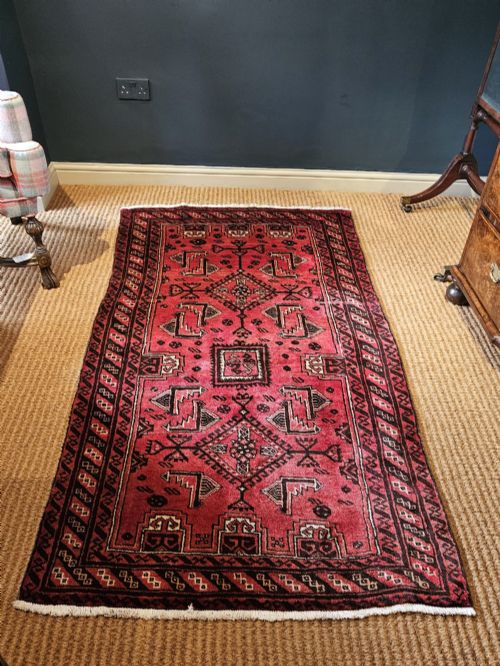
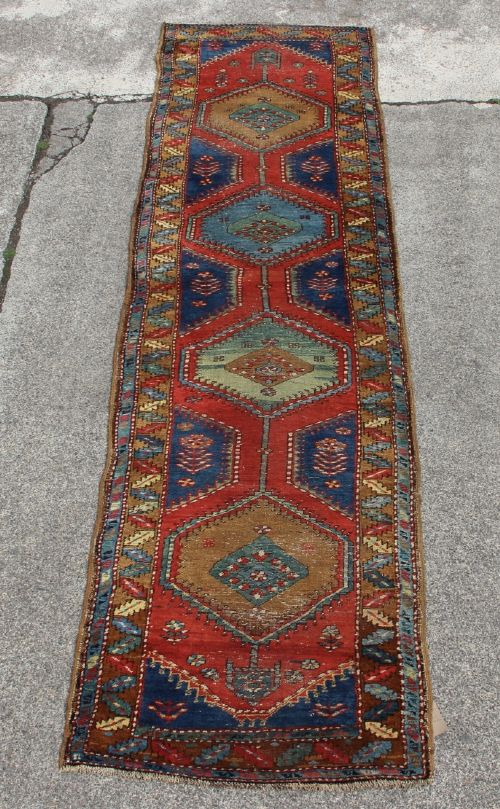
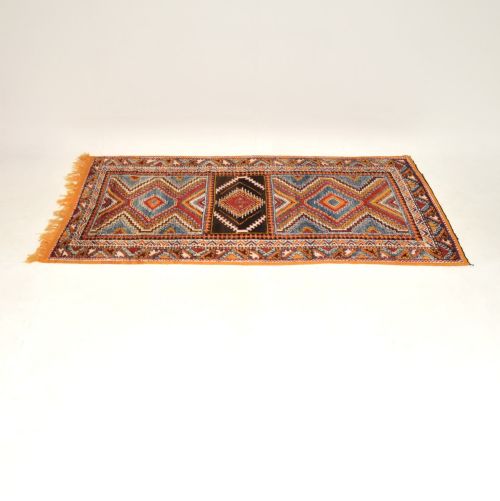
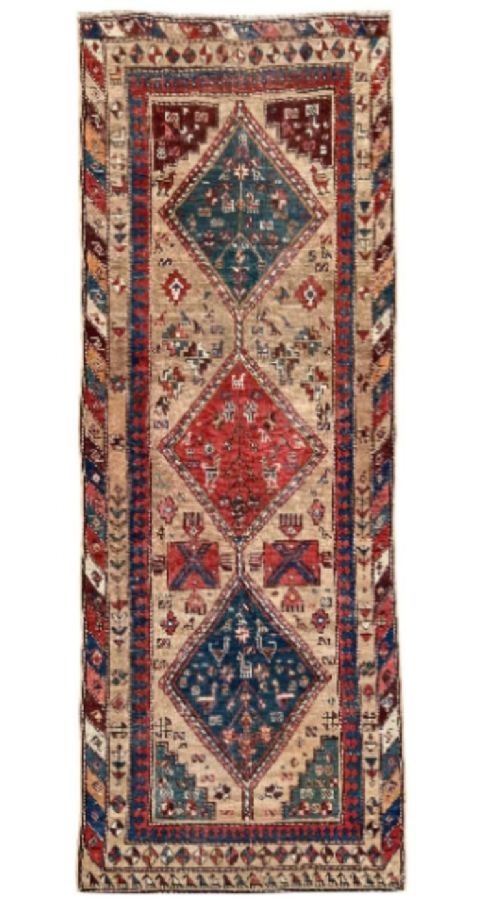
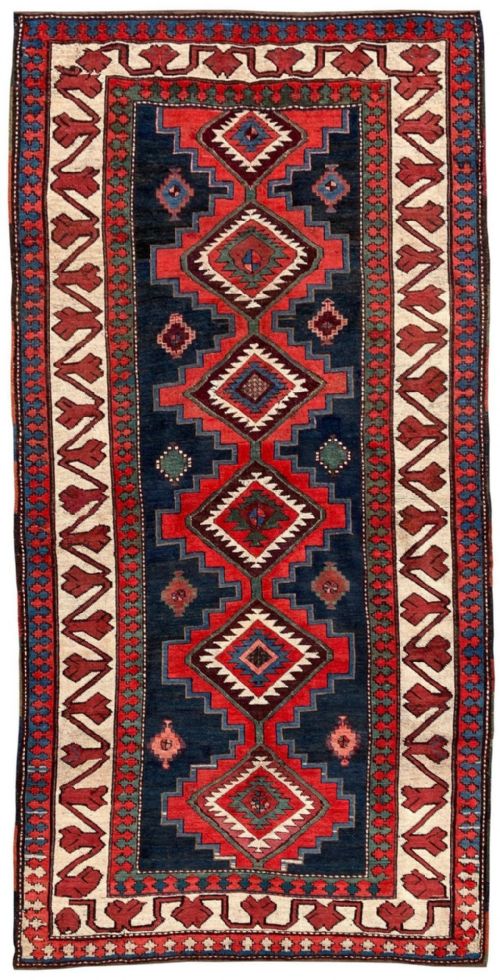
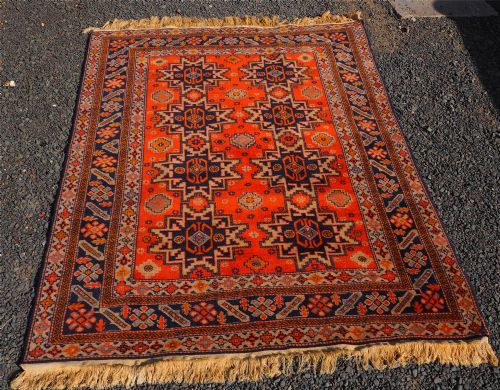
A traditional geometric wool runner brings warmth and structured pattern to a hallway, drawing the eye along long floor spaces with repeating tribal motifs.
Traditional Geometric Wool Runner
When searching for a traditional geometric wool runner, buyers encounter hand-knotted floor coverings hailing from various nineteenth and early twentieth-century traditions. These long, narrow formats serve corridors and hallways, utilising linear spaces to display structured tribal layouts.
The selections span Persian, Caucasian, and Anatolian origins, featuring regional motifs passed down through generations of weavers. Examples range from Kurdish and Hamadan runners to pieces originating from the Caucasus and Turkey.
Dating primarily from the late nineteenth century through to the 1930s, these pieces reflect traditional village and tribal weaving practices rather than urban workshop production. Their designs rely on repeating medallions, lattices, and angular borders.
How they were made
Construction relies heavily on wool, with many examples utilising hand-spun wool foundations and pile yarns that give the textiles a resilient texture. Natural dyes provide the underlying palette, yielding rich tones that age with considerable character.
Weavers frequently incorporated cotton for structural warps and wefts in specific regional types, while other pieces employ camel hair alongside standard wool. The knotting technique secures the pile firmly to the foundation, creating durable floor coverings designed for heavy domestic use.
Listings span production dates from the nineteenth century through the 1930s, incorporating wool, cotton, and camel hair materials.
What varies in quality
Quality in these runners rests on the density of the knotting and the precision of the geometric layout. Tighter knots allow intricate tribal patterns and lattice designs to maintain crisp definition along the narrow format.
The choice of materials also dictates standard, with hand-spun wool and stable natural dyes offering superior depth of colour compared to later synthetic alternatives. The integrity of the foundational weave and the preservation of the original side cords determine the structural longevity of each piece.
Shahsavan·Baharlu Tribal
The Traditional Geometric Wool Runner Glossary
- Runner
- A long, narrow carpet format designed specifically for hallways, corridors, and narrow passageways. These pieces balance floor proportions in elongated spaces.
- Medillion
- A central decorative motif placed symmetrically within the field of the rug. In geometric pieces, these take angular, multi-sided forms.
- Natural Dyes
- Colourants derived from plant, insect, and mineral sources rather than synthetic chemical processes. They produce harmonious, complex tones that weather gracefully over decades.
- Warp
- The vertical threads stretched tightly on the loom before weaving begins. The pile knots are tied around these stationary foundation threads.
- Mihrab
- A arched design feature derived from Islamic architecture, frequently seen in prayer rugs and certain runner formats to denote direction.
Traditional Geometric Wool Runner: Frequently Asked Questions
Where should I place a long runner?
These narrow formats suit hallways, corridors, and bedside spaces where linear designs can guide movement along the floor. They protect high-traffic floorboards while adding warmth and structured pattern to plain architectural spaces.
Ensure you measure the corridor width and length carefully, leaving a uniform border of exposed flooring around the perimeter for a balanced visual effect.
How do I clean an old wool runner?
Gentle surface brushing and regular light vacuuming without a rotating power brush help maintain the wool pile safely. Professional antique rug cleaning is recommended for deeper maintenance to protect natural dyes and fragile foundations.
Avoid soaking the piece or applying harsh chemical detergents, as these methods can damage the hand-spun wool and cause colour bleeding.
What makes geometric designs different?
Geometric designs rely on straight lines, repeating polygons, diamonds, and angular lattices rather than curving floral arabesques. These motifs stem from tribal and village weaving traditions where patterns were committed to memory rather than drawn on paper.
Such layouts offer a bold visual contrast to modern interiors, bringing an architectural clarity and grounded rhythm to domestic floors.
How can I tell the age of a runner?
Age is determined by assessing the wool quality, the composition of the natural dyes, and the specific structural characteristics of the weave. Pieces originating from the nineteenth century often display softer palettes and finer hand-spun textures.
Comparing regional motifs, border structures, and fringe wear against documented examples helps narrow down the period of production.