

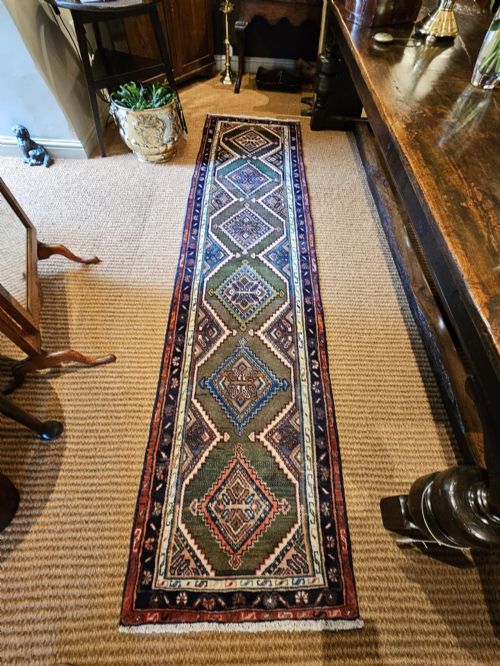
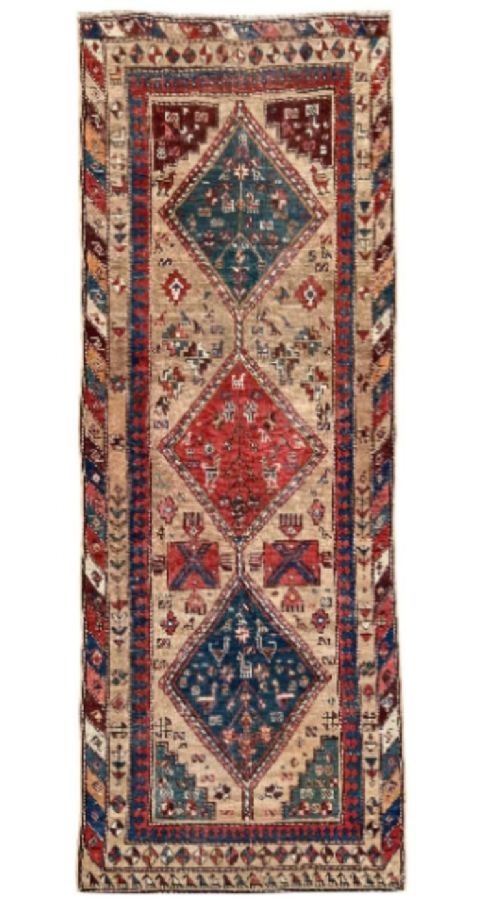
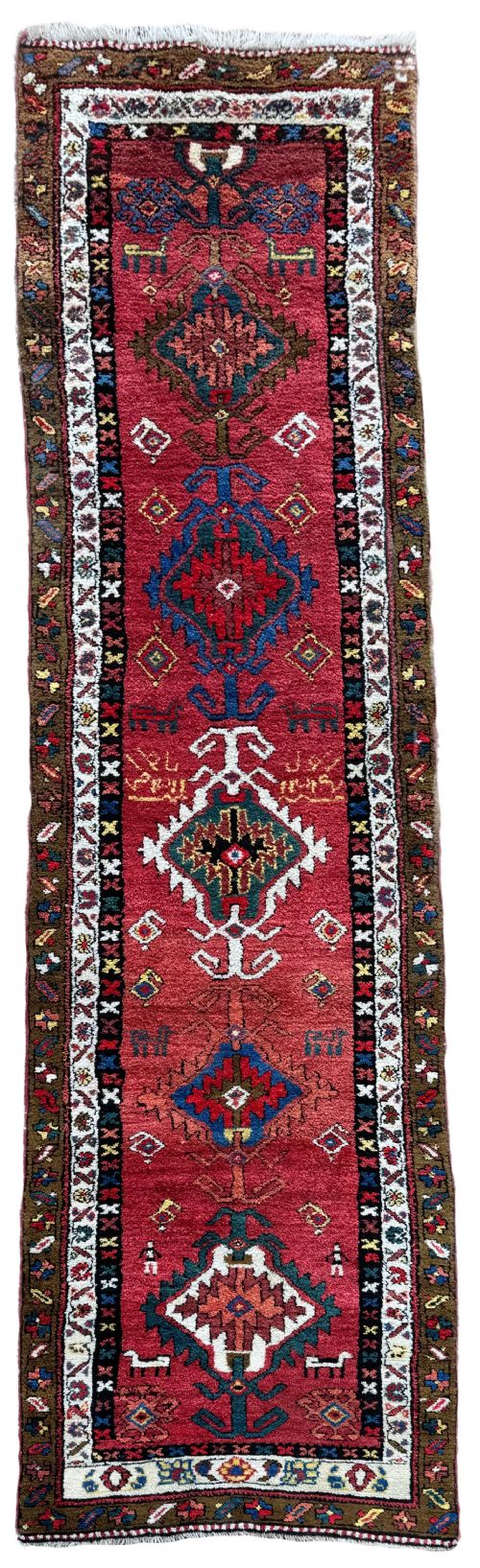
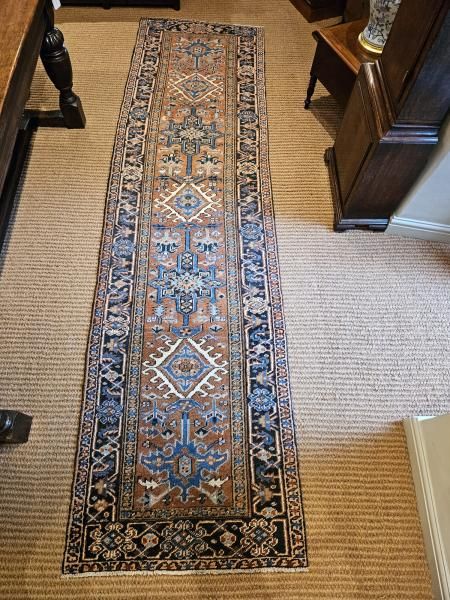

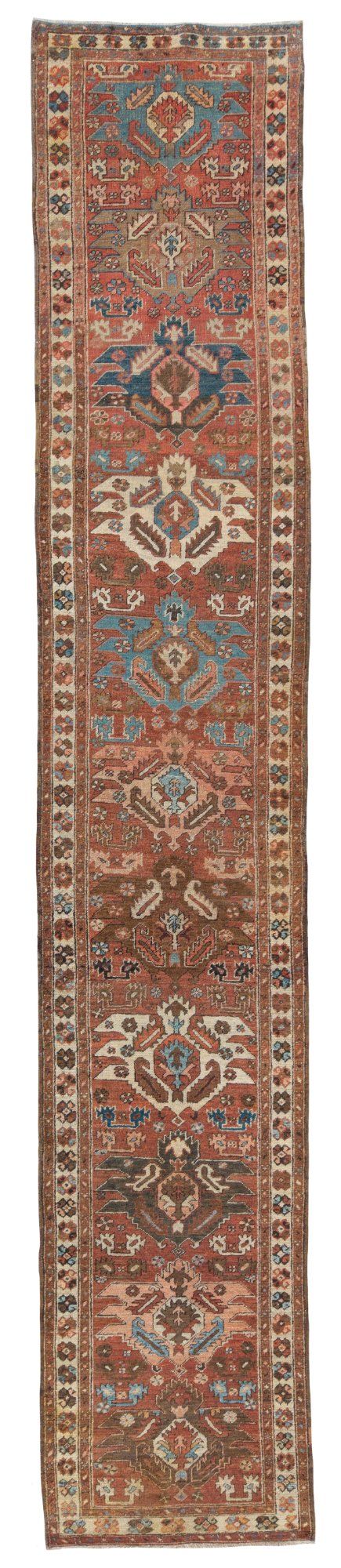
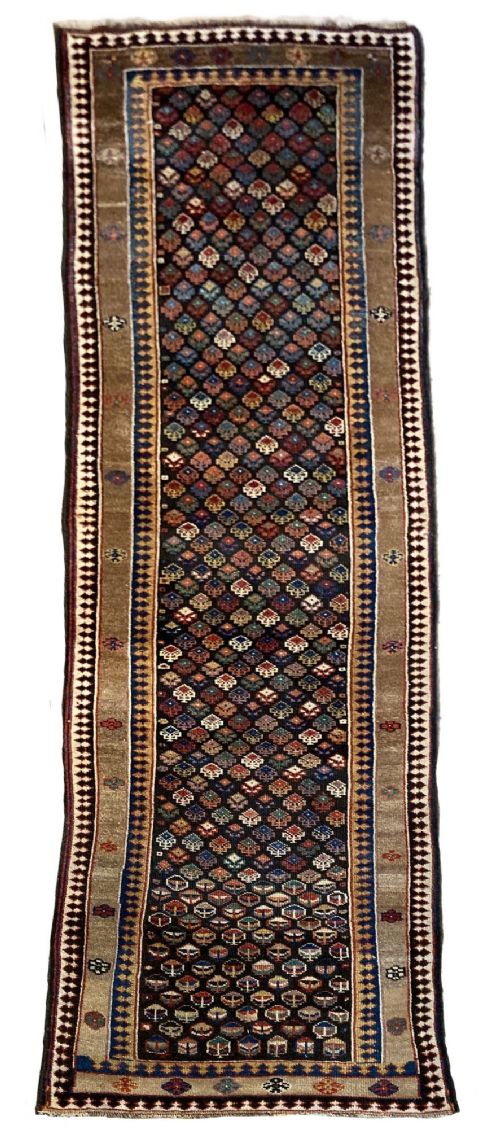
Vintage Persian Corridor Carpet
A vintage persian corridor carpet brings authentic texture and pattern to narrow halls, stairways, and landings.
Vintage Persian Corridor Carpet
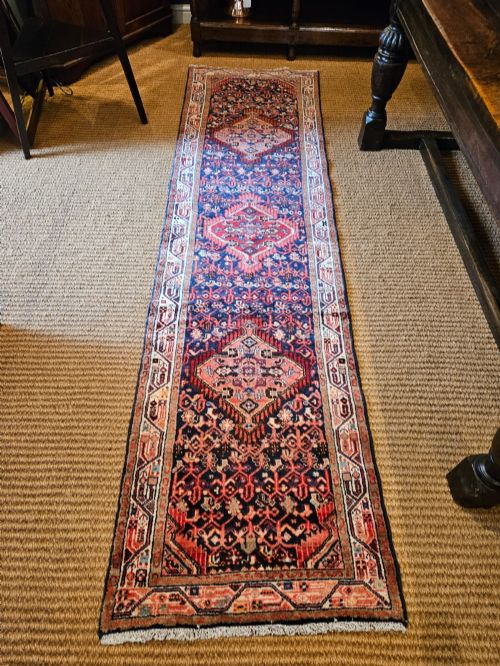
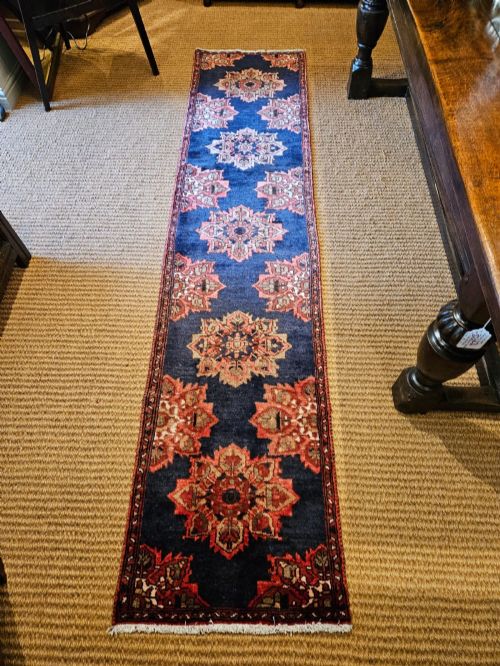
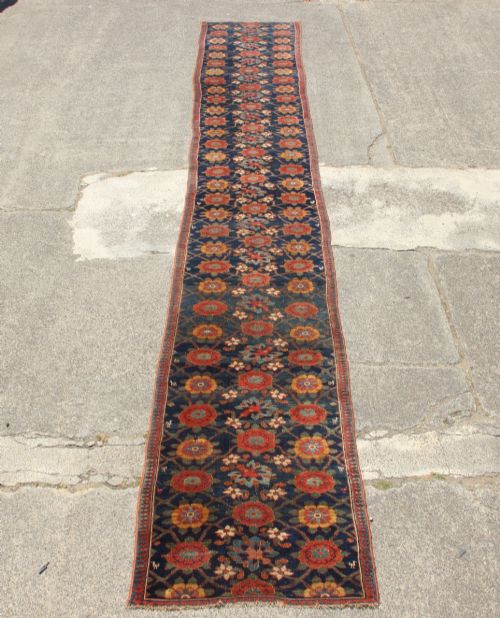
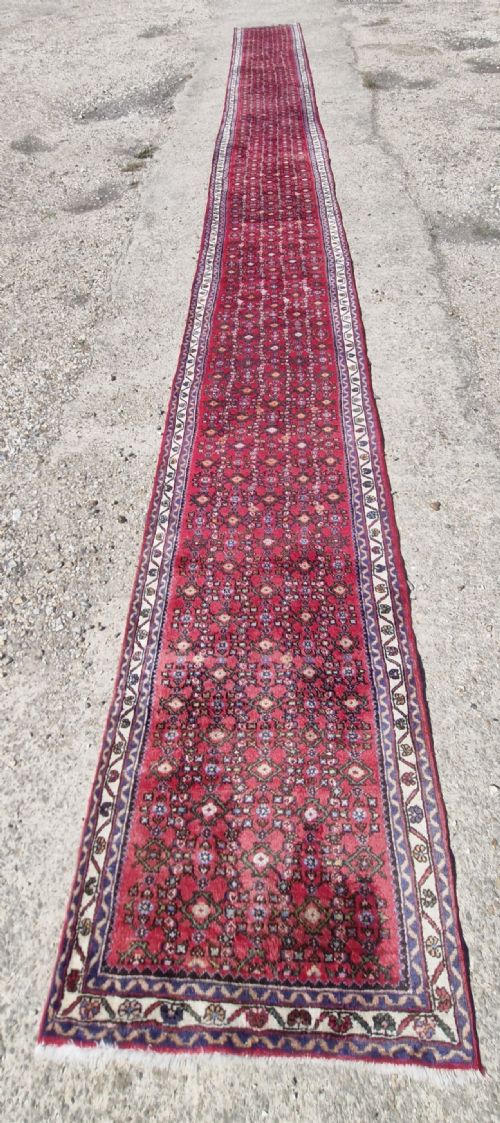
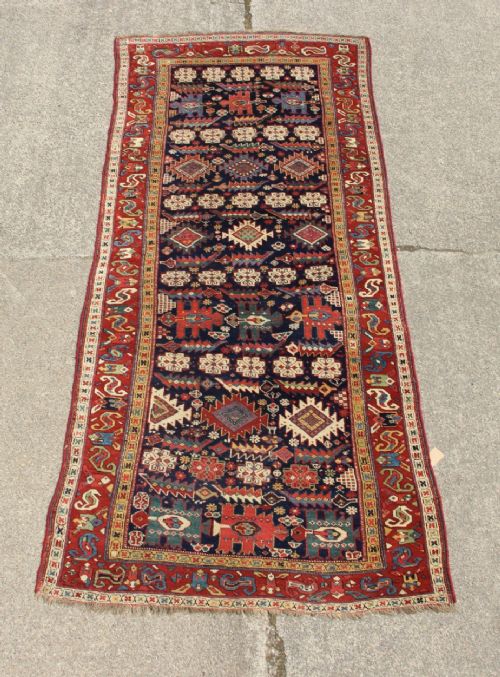
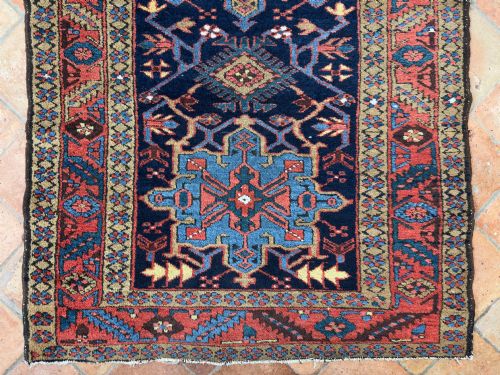
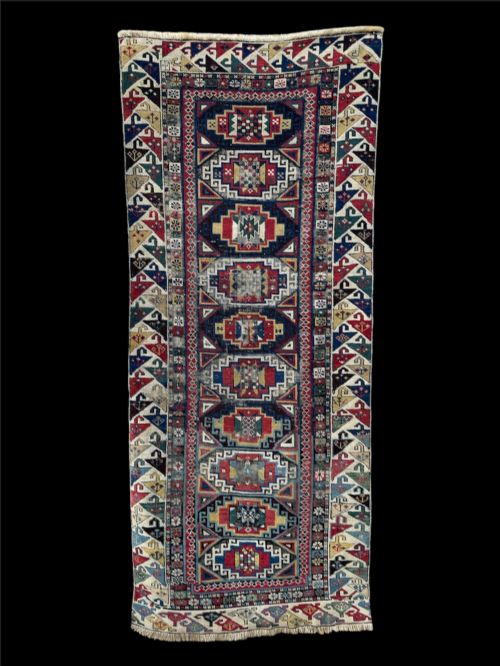
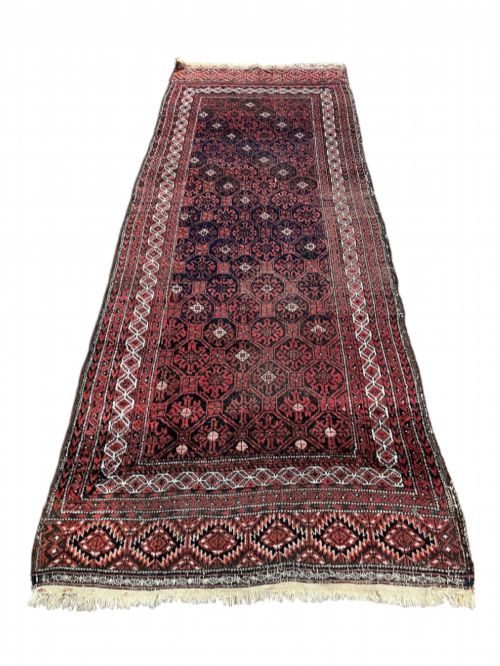
A vintage persian corridor carpet provides durable floor coverage specifically tailored for narrow spaces like hallways and long landings. These elongated textiles come from various regional traditions including Heriz, Kurdish, Hamadan, and Bidjar weaving centres. They bridge functional utility with rich decorative heritage, designed to handle heavy foot traffic while anchoring an interior space.
The selections here span from the late nineteenth century through to the early decades of the twentieth century. Forms range from compact runner rugs to expansive corridor lengths exceeding three or four metres. Buyers meet tribal and village weaves alongside geometric Heriz patterns and finely knotted Kurdish pieces.
Each piece reflects the vernacular style of its specific origin, whether North-West Persian, Anatolian, or Caucasian. The formats are uniformly oblong and narrow, perfectly suited for corridors where standard room-sized carpets fail to fit. They deliver immediate historical character to domestic layouts.
Materials and construction methods
The construction relies fundamentally on wool and cotton foundations, utilising hand-spun wool for the pile. Weavers knotted these natural fibres by hand onto sturdy cotton or wool warps and wefts, ensuring long-term resilience. Natural dye traditions provided rich palettes of navy blue, olive green, and earthy tones that age gracefully.
Listings feature pieces dated from the 1870s up to the 1930s, constructed with hand-spun wool and cotton.
Factors of distinction
Quality in these long carpets rests upon the density of the knotting and the integrity of the wool pile. Tighter knots allow for finer definition in geometric and floral medallions, separating utilitarian tribal pieces from master-woven examples. The handling of the wool itself, whether lustrous hand-spun yarn or simpler fleece, dictates the tactile depth of the surface.
Proportional consistency and the preservation of original borders also mark the higher tier of these corridor carpets. Even wear across the length shows balanced use, while structural crispness indicates superior original tension on the loom. The nuance of natural colour variation provides visual rhythm along the corridor.
The Vintage Persian Corridor Carpet Glossary
- Runner
- A long, narrow carpet format designed specifically for corridors, hallways, and staircases. These pieces measure significantly longer than they are wide.
- Kelleh
- A large rectangular rug format, often intermediate in proportion between a standard rug and a long corridor runner. They frequently appear in Kurdish and Malayer traditions.
- Warps
- The vertical foundation threads stretched lengthwise on the loom before knotting begins. The fringe of the carpet typically consists of these exposed end threads.
- Weft
- The horizontal threads passed alternately over and under the warp threads to secure the rows of knots. They provide structural stability across the width of the weave.
- Pile
- The upright cut or looped surface yarn of the carpet formed by individual knots. This soft upper layer absorbs foot traffic and displays the woven design.
Vintage Persian Corridor Carpet: Frequently Asked Questions
Where should I place a corridor runner?
These narrow formats suit hallways, long entryways, and gallery landings where floor protection and visual warmth are required.
They visually connect adjoining rooms while softening footsteps in high-traffic transitional zones of the home.
How do I care for an old wool runner?
Regular gentle vacuuming without a rotating beater bar prevents dust accumulation in the wool pile. Professional specialist cleaning ensures the natural dyes and hand-spun fibres remain preserved over time.
Are these runners made with natural dyes?
The historical pieces from the nineteenth and early twentieth centuries predominantly utilise natural dye sources derived from plants and minerals. These colourants develop a rich patina and soft tonal depth as they age.
Why do some runners have slight width variations?
Hand-woven village and tribal carpets were produced on simple vertical looms without mechanical tension controls. This artisanal method naturally results in minor, charming irregularities along the outer edges and overall length.