



Hepplewhite Sofa
A hepplewhite sofa brings eighteenth-century elegance into a room with slender mahogany frames and graceful camel or shield-back designs.
Hepplewhite Sofa
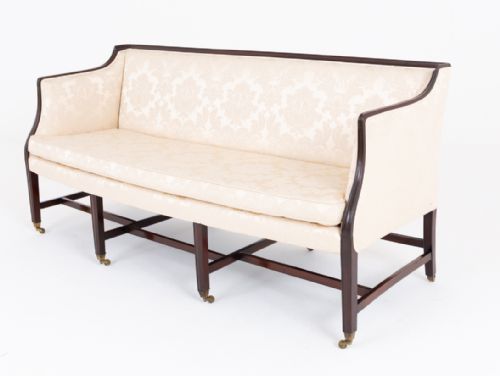
A hepplewhite sofa combines neoclassical restraint with refined woodwork, taking various forms including camel-back, serpentine-front, and multi-chair-back configurations. The selections here range from eighteenth-century George III originals to later revival pieces produced across the nineteenth and twentieth centuries.
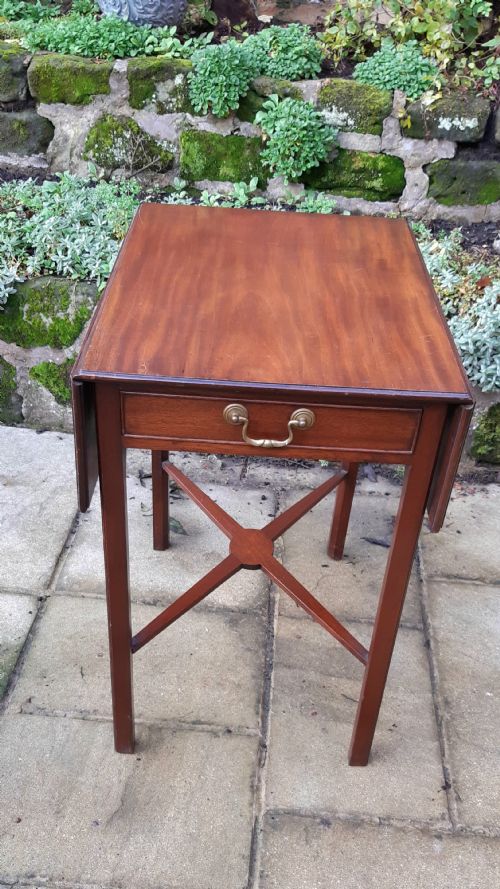
Most examples rely on mahogany frames, sometimes accented with satinwood inlay or brass details, paired with varied upholstery fabrics such as damask. Alongside full-size settees, related items such as pembroke and side tables appear within the broader grouping.
How they were made
Cabinetmakers constructed the structural framework using solid timber, predominantly mahogany alongside occasional beech or satinwood, shaping the backrests into distinctive shield or camel contours. Joinery was painstakingly executed by hand, integrating carved decorative elements directly into the wood.
Upholstery techniques involved layering traditional stuffing materials beneath outer textiles like damask or fabric, secured with careful hand-tacking along the frame margins.
Hepplewhite Sofa Retail Price Guide 2026
Typical asking prices for hepplewhite sofa among the pieces listed under this phrase on Sellingantiques today, from the lower quarter to the upper quarter. They describe what is for sale here now, not the wider market.
Listings feature mahogany, satinwood inlay, brass, and damask upholstery across multiple centuries.
What varies in quality
Quality rests on the crispness of the woodwork carving, the subtlety of the timber grain, and the historical integrity of the frame. Earlier pieces from the eighteenth century generally display finer proportions and more confident hand-tooling than later revival iterations.
The choice of secondary timbers and the precision of any inlay work further distinguish standard workshop output from exceptional bespoke commissions.
The Hepplewhite Sofa Glossary
- Camel-back
- A sofa back featuring a graceful, continuous convex curve resembling a camel's hump. This profile became a defining silhouette of the neoclassical period.
- Shield back
- A chair or settee back carved into the outline of a heraldic shield. It typically incorporates delicate pierced splats.
- Serpentine
- A curved line that undulates outward in the centre and inward at the sides. This shape is frequently found on the front rails of high-status settees.
- Satinwood
- A pale, lustrous hardwood prized for its fine grain. It is often utilised for decorative inlay and banding on eighteenth-century furniture.
Hepplewhite Sofa: Frequently Asked Questions
What is a hepplewhite sofa?
A hepplewhite sofa is a seating piece designed in the neoclassical style associated with eighteenth-century cabinetmaker George Hepplewhite. These pieces are characterised by light proportions, tapered legs, and graceful back shapes.
They span genuine period examples from the Georgian era as well as later revival interpretations made during the nineteenth and twentieth centuries.
How do I identify a period piece?
Distinguishing an eighteenth-century original from a later revival involves examining the construction methods, tool marks, and wood ageing within the frame. Period pieces typically display hand-cut joinery and timber characteristics consistent with the seventeen-hundreds.
Revival pieces from later centuries often employ slightly different manufacturing markers while still following the classic design vocabulary.
Where should I place it?
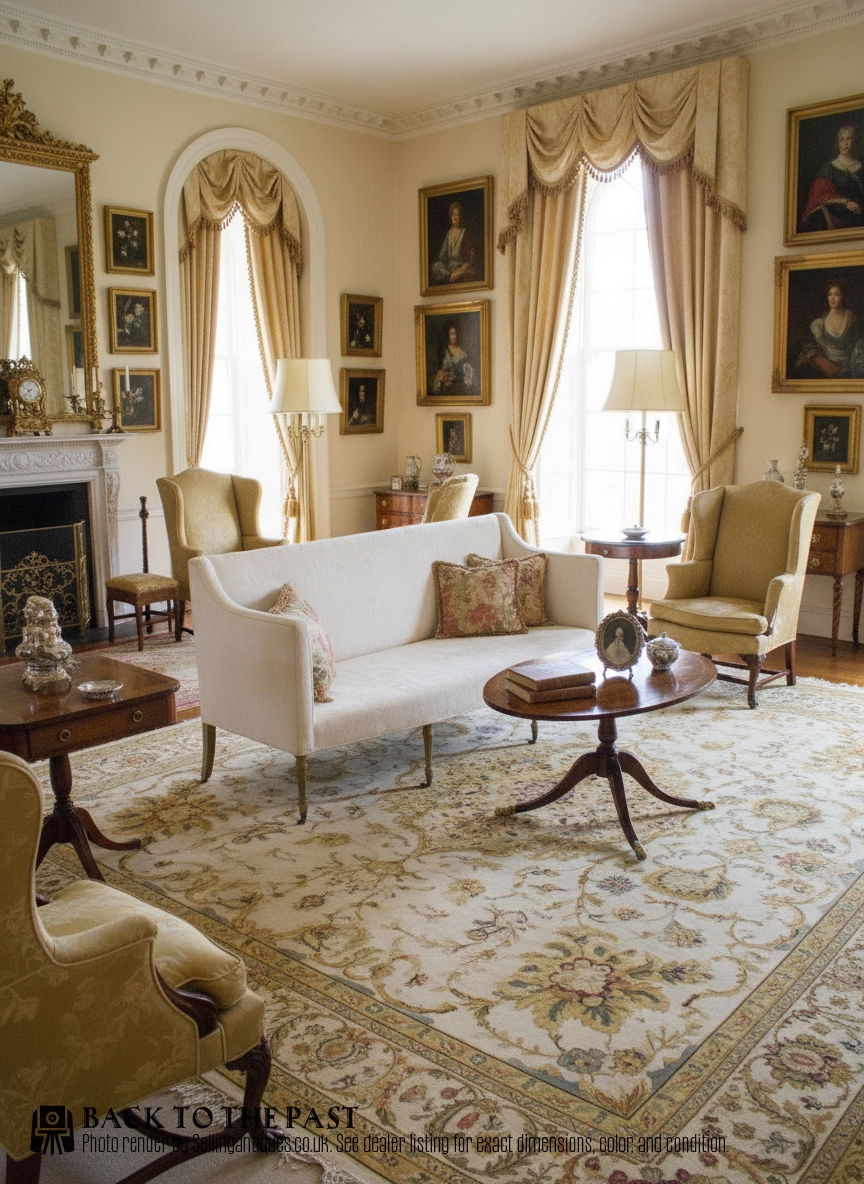
These sofas suit formal drawing rooms, parlours, or spacious living areas where their refined silhouettes can be viewed from multiple angles. Their slender frames ensure they do not visually overwhelm a room.
Pairing them with period side tables or lighting helps anchor the traditional aesthetic within a modern interior.
What upholstery is appropriate?
Traditional upholstery fabrics include damask, silk, and woven textiles that complement the classical lines of the wooden frame. Many surviving examples retain or have been restored with period-appropriate patterns.
Selecting textiles with historical precedent helps maintain the visual harmony of the piece.