


George III Upholstered Sofa
A george iii upholstered sofa brings structural grace and refined seating to a room, offering the classic forms and craftsmanship collectors value.
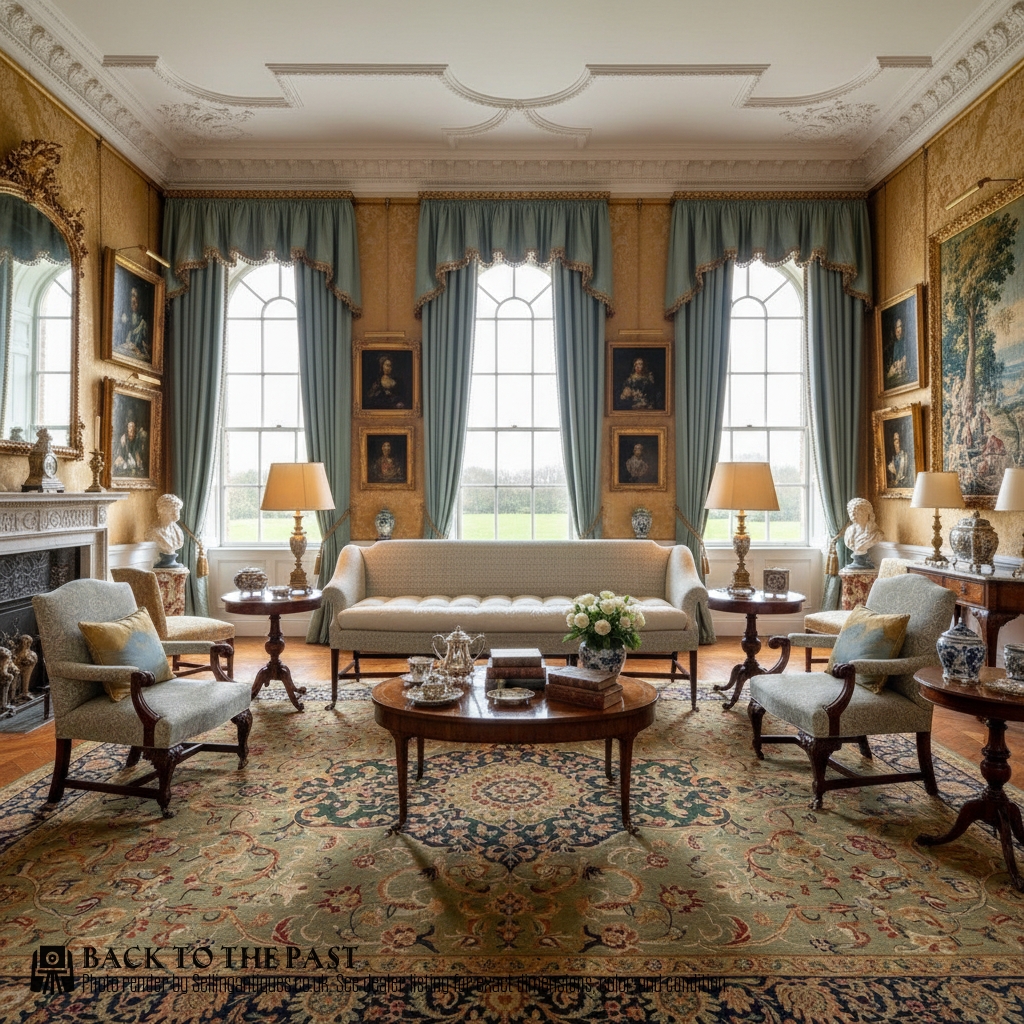
George III Upholstered Sofa
A george iii upholstered sofa combines the elegant proportions of the eighteenth century with generous seating capacity. The search for a george iii upholstered sofa reveals pieces ranging from authentic period examples to later revival interpretations.
Most pieces seen here adhere to the classic aesthetic of the eighteenth century, featuring supportive backs and padded seats. Settees and sofas appear across various forms, including serpentine fronts and camel back designs.
Makers and craftsmen of the period shaped timber frames to support sumptuous fabric coverings. Buyers encounter both original eighteenth-century creations and later Edwardian or twentieth-century revivals that echo these classic outlines.
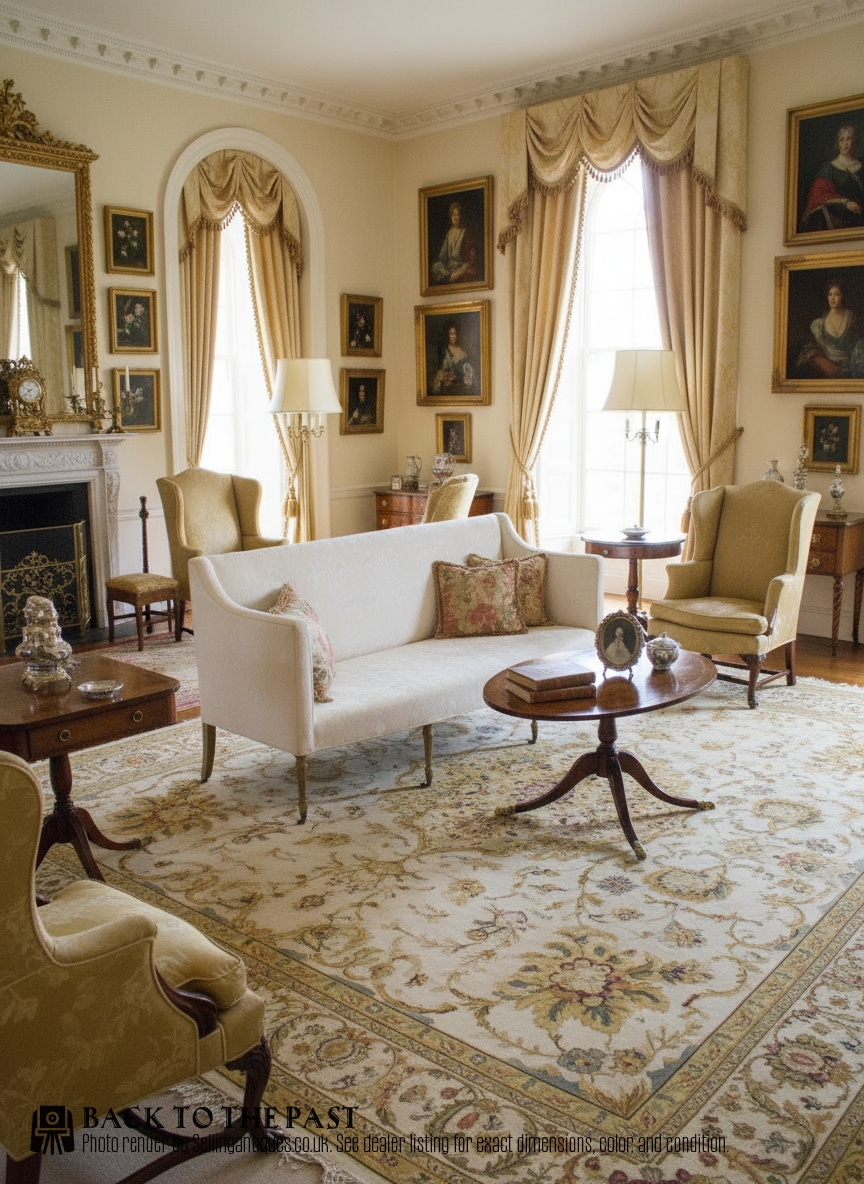
Materials and construction methods
Timbers such as mahogany and satinwood provide the sturdy structural skeleton for these seats. Craftsmen shaped these hard timbers to create resilient frames capable of supporting heavy upholstery.
Textiles like damask and silk provide the tactile surface of the seats, often fastened with brass details. Paint finishes also appear on select wooden frames, adding decorative colour and contrast to the timber.
Listings for this phrase feature mahogany and satinwood frames paired with damask and fabric upholstery across the eighteenth century and later revival periods.
Assessing quality and craftsmanship
The refinement of the wooden frame dictates the distinction between standard and superior pieces. Skilled carving on mahogany or satinwood demonstrates a higher level of workshop competence.
The choice of covering material and the precision of the upholstery work alter the overall character of the seat. Original textiles or high-grade damask elevate the piece, while the fluidity of the camel back or serpentine front profile determines visual balance.
The George III Upholstered Sofa Glossary
- Camel back
- A gently undulating top rail shaped like a camel's hump, characteristic of formal eighteenth-century seating.
- Serpentine front
- A furniture front curving inward centrally and outward at the ends, creating a flowing visual line.
- Satinwood
- A pale, hard timber native to India and Sri Lanka, valued for its lustrous grain in finer decorative furniture.
- Damask
- A reversible figured fabric woven on a jacquard loom, traditionally utilised for upholstery and wall hangings.
- Hepplewhite
- A neoclassical furniture style popular in the late eighteenth century, known for lighter proportions and shield-shaped or camel-backed seating.
George III Upholstered Sofa: Frequently Asked Questions
How do I spot a true period piece?
Examine the timber construction beneath the upholstery and check the joinery for signs of age. Authentic eighteenth-century pieces exhibit hand-carved details and period-appropriate wood species.
Compare the overall proportions and stretcher arrangement with documented examples from the same era to confirm authenticity.
Are Edwardian revivals worth buying?
Edwardian revivals offer solid construction and period style while remaining accessible for daily use. These later interpretations often replicate the graceful lines of the eighteenth century with reliable structural integrity.
Collectors seeking decorative impact often appreciate these revival pieces just as much as earlier examples.
How should I care for antique upholstery?
Protect delicate textiles like silk and damask from direct sunlight to prevent fading and fibre degradation. Professional cleaning preserves the integrity of historic fabrics without damaging the underlying stuffing.
Regular, gentle dusting keeps the wooden frame and fabric free from abrasive particles.