


Eighteenth Century Sofa
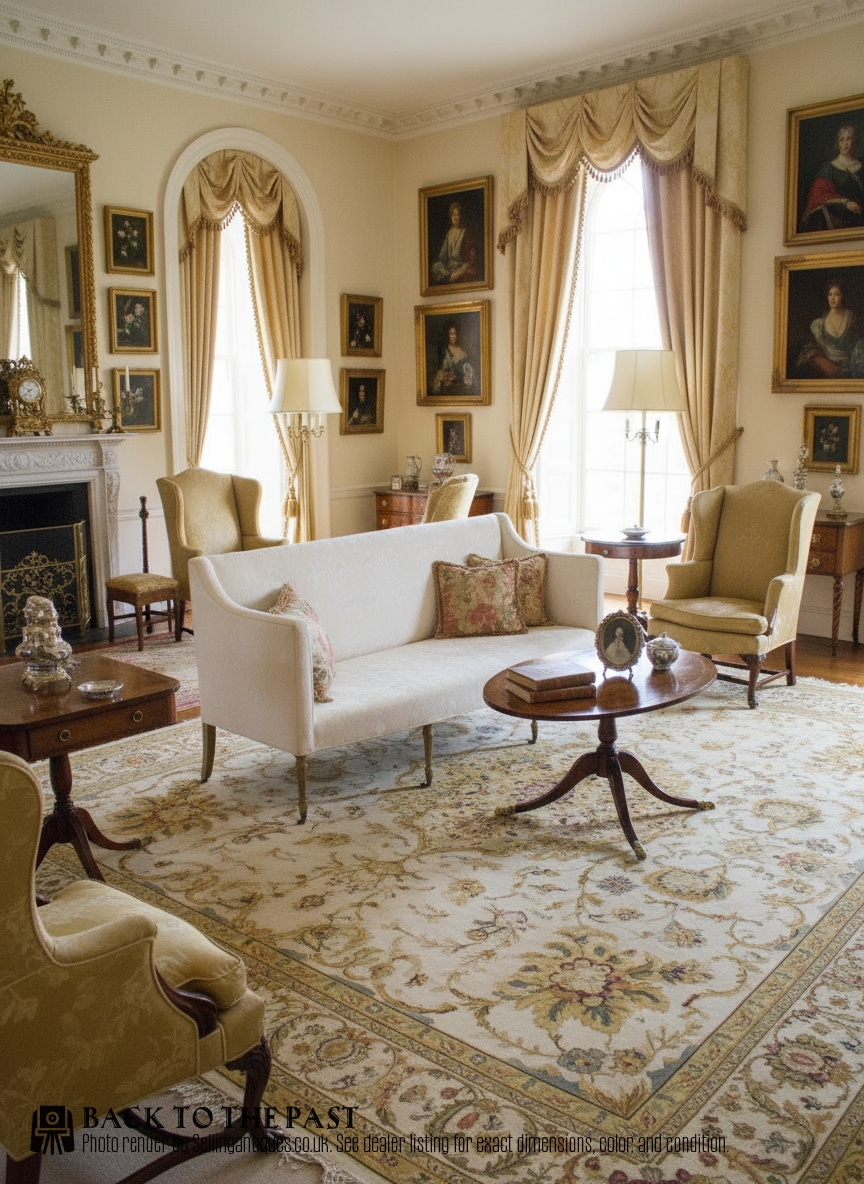
An eighteenth century sofa brings genuine Georgian craftsmanship and classic upholstered elegance into a sitting room.
Eighteenth Century Sofa
When you search for an eighteenth century sofa, you encounter substantial seating pieces that anchor a traditional interior with period presence. The selections span formal camel back silhouettes and upholstered two-seat settees alongside related occasional tables from the same eras. Most examples originate from the eighteenth century, accompanied by nineteenth century interpretations and later Victorian pieces sharing the same aesthetic vocabulary.
The dominant forms include serpentine front camel back sofas and mahogany settees upholstered in various fabrics. Makers of these seating pieces applied classical proportions, often combining exposed timber frames with generous padding. Alongside sofas, the listings occasionally incorporate drop leaf and Pembroke tables, reflecting the broader domestic furnishings of the period.
Originating predominantly within British design traditions, these items reflect the stylistic shifts from Georgian robustness through Sheraton and Hepplewhite refinement. The physical presence of a camel back settee immediately draws the eye, offering both historical depth and functional seating. Buyers encounter variations in frame shape, from sweeping curved crest rails to straight tapered legs.
How they were made
Makers constructed these frames predominantly from solid mahogany, utilising dense timber that provided structural integrity for complex curved outlines. Workshops employed traditional joinery techniques to secure the legs and rails, ensuring the heavy upholstered bodies remained stable over centuries of use. Secondary timbers such as canvas and horsehair formed the internal stuffing foundation.
Surface decoration frequently involved satinwood inlay, adding contrasting geometric or botanical banding to the primary mahogany structure. Some pieces feature painted wood finishes, while others rely on the natural grain of the timber left exposed along the carved seat rails and arm supports. Brass fittings sometimes appeared on associated tables or castors, complementing the dark wood tones.
Current listings demonstrate the prevalence of mahogany frames paired with fabric upholstery across eighteenth and nineteenth century periods.
What varies in quality
The distinction between standard examples and superior pieces rests upon the crispness of the carving and the integrity of the timber framing. High-end workshops invested greater labour into the fluidity of the camel back curve and the precision of any satinwood inlay. Inferior or later provincial pieces often display stiffer proportions and simplified woodwork.
Material selection also dictates overall standing, with dense, well-figured mahogany commanding greater appreciation than plainer secondary woods. The survival of original structural components, such as early canvas webbing foundations and horsehair stuffing layers, preserves the authentic tactile character of the piece. Subtle variations in the sweep of an arm or the taper of a leg reveal the hand of a more accomplished maker.
The Eighteenth Century Sofa Glossary
- Camel back
- A sofa or settee featuring a distinctive undulating top rail that mimics the hump of a camel. This profile developed popularity during the Georgian era.
- Pembroke table
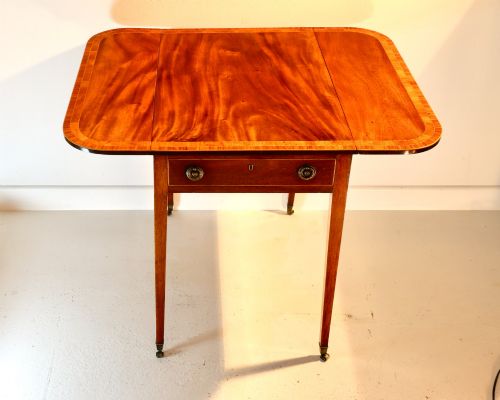
- A small rectangular drop leaf table with hinged flaps on either side. It typically includes one or more drawers and square tapering legs.
- Satinwood
- A lustrous yellowish wood prized for cabinetmaking and decorative inlay. It provides a bright contrast against darker timbers like mahogany.
- Serpentine
- A curved line that bends outward in the centre and inward at the sides. This contour appears frequently along the front rails of finer settees.
- Horsehair
- A traditional upholstery stuffing material woven into a springy fabric. It provides firm, durable support beneath the outer covering.
Eighteenth Century Sofa: Frequently Asked Questions
How do I identify a genuine eighteenth century sofa?
Examine the timber species, joinery methods, and the natural wear patterns accumulated across the frame. Earlier pieces typically display hand-cut joinery and dense mahogany construction beneath the upholstery.
Compare the silhouette against known Georgian design books and look for the subtle irregularities characteristic of handmade cabinetmaking rather than machine production.
What fabrics were used on early settees?
Original coverings often included heavy woven textiles, damasks, and printed cottons such as Chinoiserie designs. Many pieces have undergone re-upholstery to preserve their utility.
Beneath the visible fabric, traditional padding relied on canvas foundations packed with horsehair to maintain the characteristic firm profile.
How should I care for an antique sofa?
Keep wooden components away from direct heat sources and strong sunlight to prevent the timber and inlay from drying out or fading. Dust carved areas regularly with a soft, dry cloth.
Protect upholstered surfaces by vacuuming gently with a low-suction attachment through a mesh guard to safeguard fragile historic textiles.
What is the difference between a sofa and a settee?
In eighteenth century terminology, settees generally denote smaller, upholstered two-seat wooden benches with enclosed backs and arms. Sofas traditionally refer to larger, fully upholstered seating forms designed for reclining.
Both terms occasionally overlap in period descriptions, but size and framing exposure typically distinguish the two categories.