


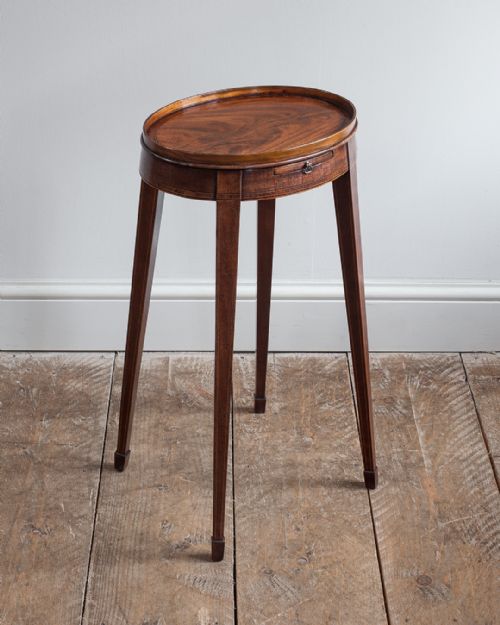
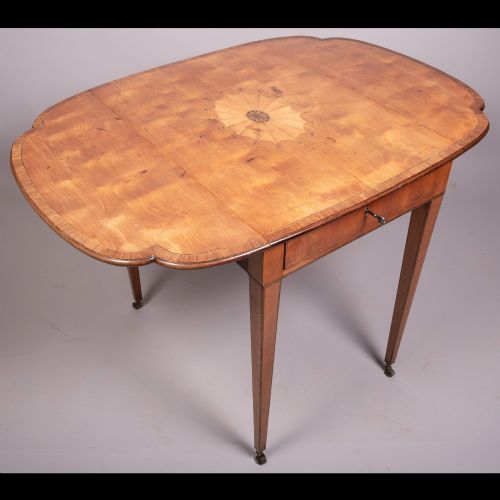


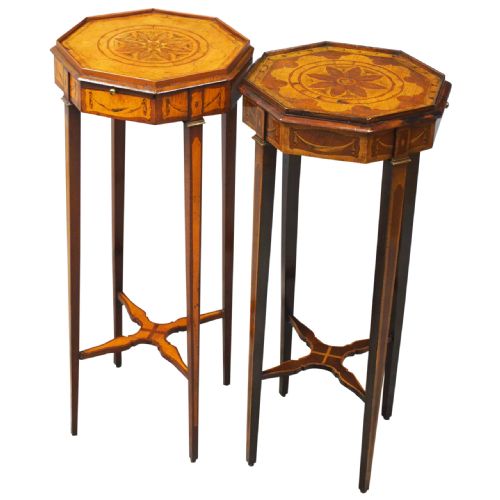

Hepplewhite Occasional Table
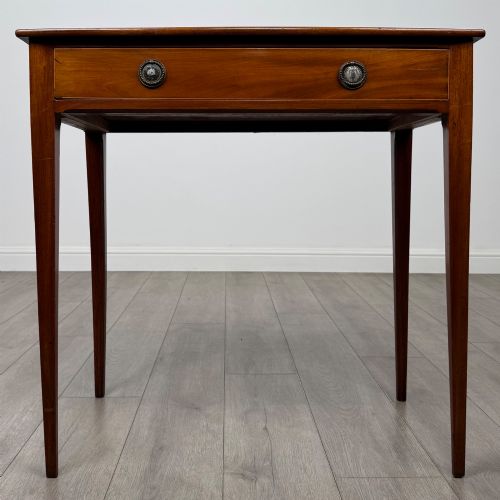
A hepplewhite occasional table brings eighteenth-century neoclassical elegance to a room with slender tapered legs and refined inlaid timber.
Hepplewhite Occasional Table
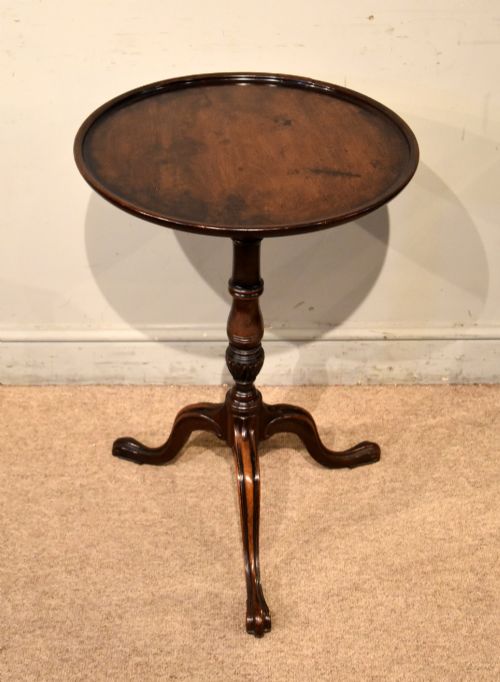
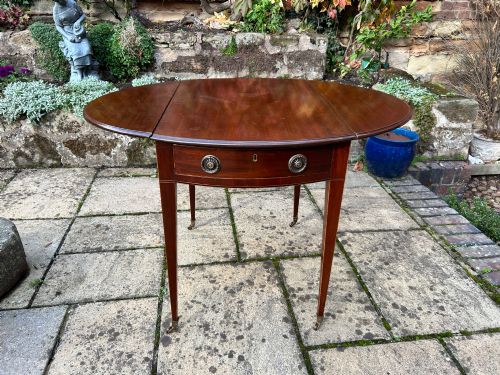
When searching for a hepplewhite occasional table, buyers encounter a variety of graceful forms including pembroke tables, urn stands, and side tables. These pieces date principally from the Georgian and George III periods, alongside later nineteenth and twentieth-century revivals.
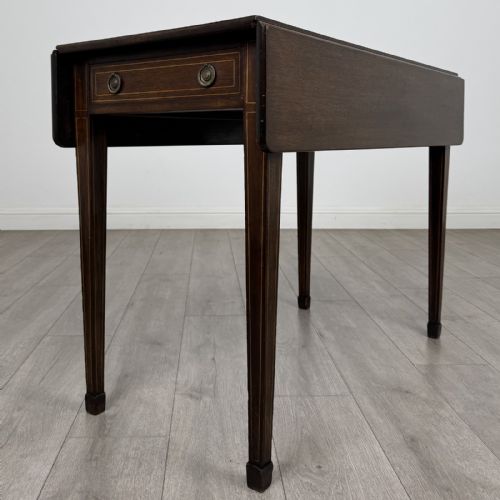
Mahogany and satinwood dominate the selection, frequently enhanced by boxwood and tulipwood inlay. The typical table offers a compact footprint with drop leaves or serpentine fronts suited to domestic use.
How they were made
Cabinetmakers utilised solid timbers and fine veneers, applying satinwood and boxwood inlay to create contrasting borders and central motifs. Frames were constructed with pegged or mortise and tenon joints to support slender legs.
Surfaces received hand-rubbed finishes that brought out the grain of the mahogany and rosewood. Brass hardware, including handles and castors, was integrated into working tables and Pembroke designs.
Hepplewhite Occasional Table Retail Price Guide 2026
Typical asking prices for hepplewhite occasional table among the pieces listed under this phrase on Sellingantiques today, from the lower quarter to the upper quarter. They describe what is for sale here now, not the wider market.
The listings show pieces spanning the Georgian period through the twentieth century, constructed from mahogany, satinwood, and rosewood.
What varies in quality
The distinction between standard examples and superior pieces rests on the crispness of the inlay and the selection of figured timber. Finely grained satinwood and intricate marquetry indicate higher workshop standards.
Proportion and structural harmony also separate the output. Tables with balanced serpentine shapes and cleanly tapered legs demonstrate the maker's skill more clearly than plain, utilitarian versions.
The Hepplewhite Occasional Table Glossary
- Urn stand
- A tall, slender table intended to hold a tea urn during the eighteenth century. These pieces often showcase exceptionally delicate leg construction.
- Serpentine
- A furniture front or edge curving inward at the centre and outward at the ends. This contour requires precise woodworking.
- Marquetry
- Decorative veneer work arranged in pictorial or geometric patterns using various coloured woods. It creates elaborate surface decoration on tabletops.
- Inlay
- The technique of inserting contrasting strips of wood such as boxwood into recesses carved into the primary timber. This defines panels and borders.
Hepplewhite Occasional Table: Frequently Asked Questions
What is a hepplewhite occasional table?
A hepplewhite occasional table is a light, movable piece of furniture inspired by the neoclassical designs associated with the eighteenth-century cabinetmaker George Hepplewhite. These tables include pembroke designs, urn stands, and small side tables featuring tapered legs and delicate inlay.
Buyers select them for their graceful proportions and adaptability in modern interiors. They function effectively as lamp tables or writing surfaces in compact spaces.
How do I identify a Georgian period piece?
Identifying a Georgian piece involves examining the timber species, construction methods, and hardware. Eighteenth-century examples typically utilise dense mahogany or satinwood with hand-cut dovetails in the drawer construction.
Later revivals from the nineteenth and twentieth centuries often display different internal secondary woods and machine-made elements. Comparing the joinery helps clarify the manufacturing era.
Where were these tables used originally?
These tables served multiple functions in wealthy eighteenth-century households, appearing in drawing rooms, boudoirs, and parlours. Pembroke tables provided movable surfaces for writing or needlework.
Urn stands held heavy vessels during tea service, while side tables displayed decorative objects. Their mobility allowed servants to rearrange rooms according to the hour.
How do I care for satinwood and mahogany?
Maintaining antique timber requires stable indoor humidity and protection from direct sunlight to prevent fading. Regular dusting with a soft, dry cloth preserves the polished surface.
Occasional application of appropriate wax nourishes the wood without building up a heavy film. Avoid placing hot or wet items directly on the vintage surface.