


Dark Mahogany Pedestal Stand
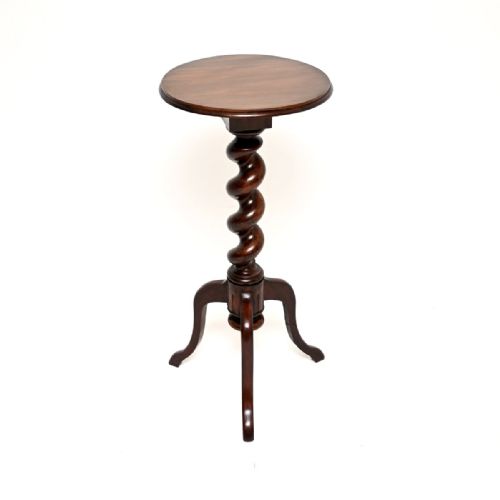
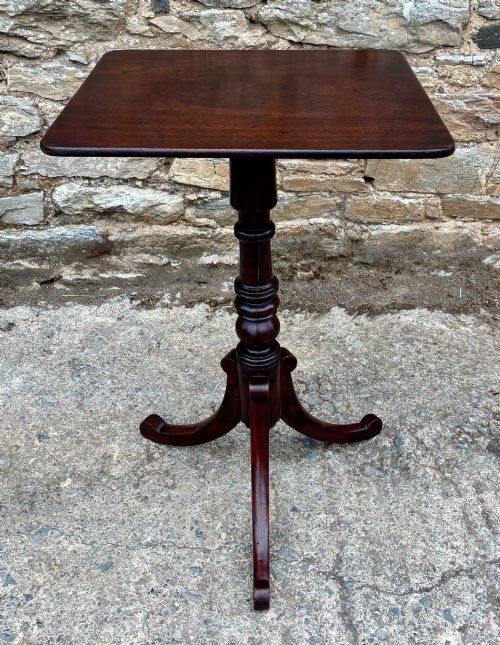
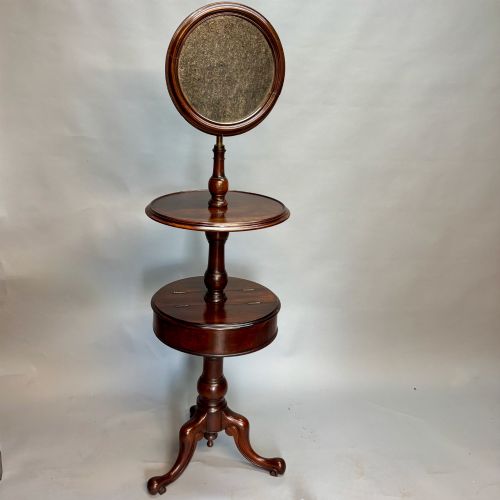
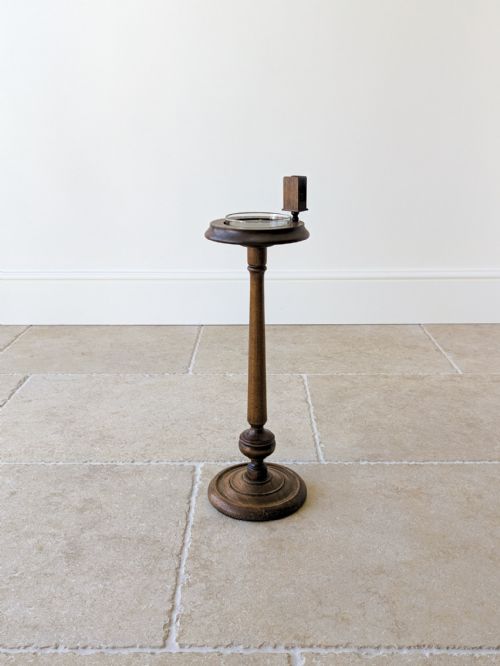
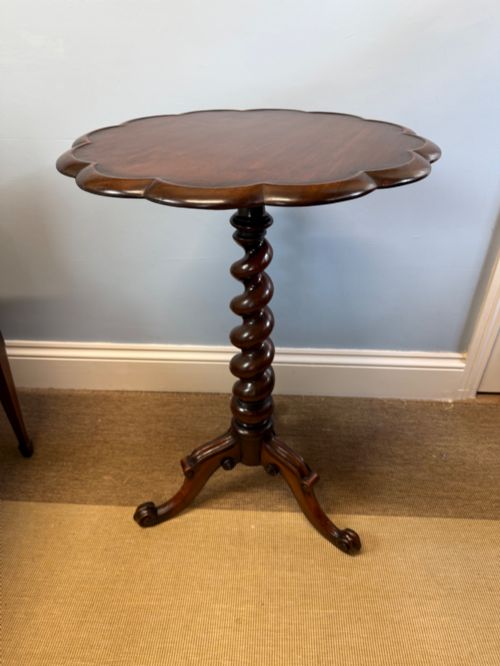
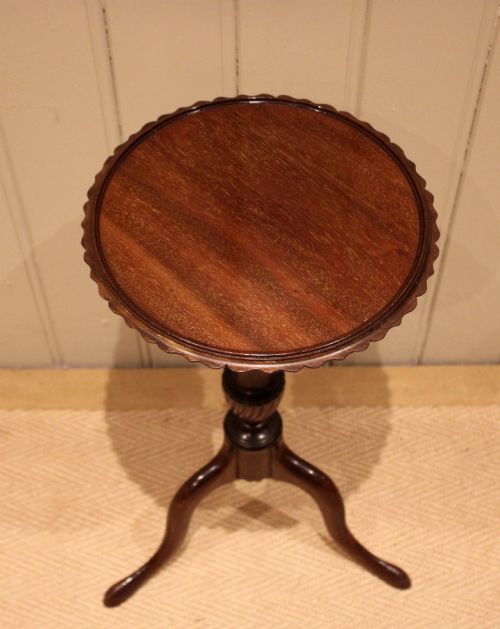
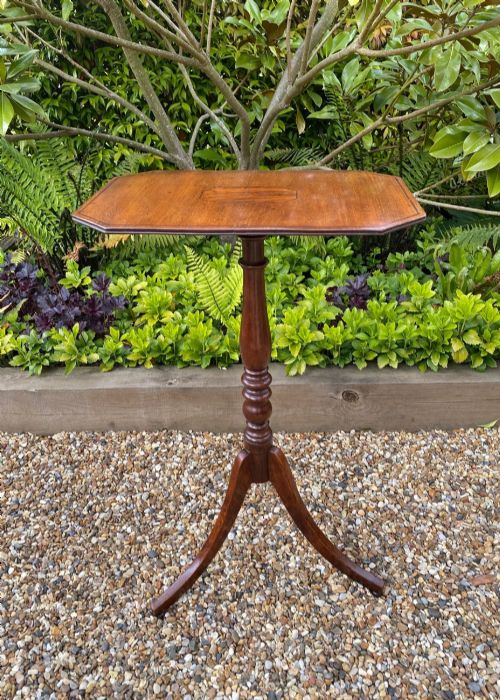
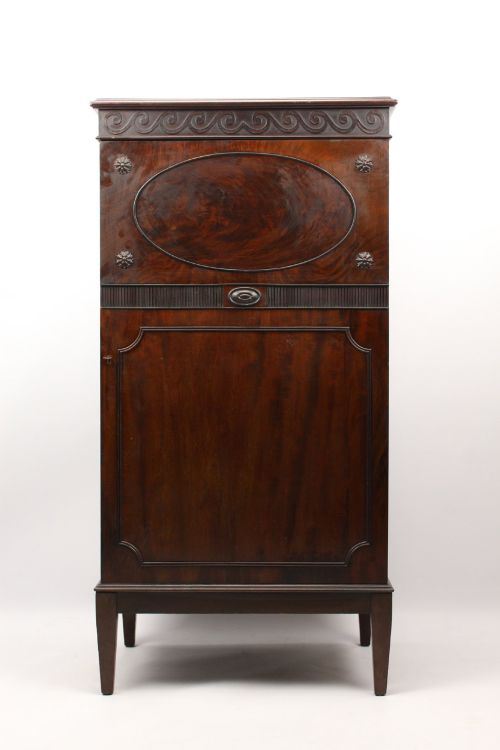
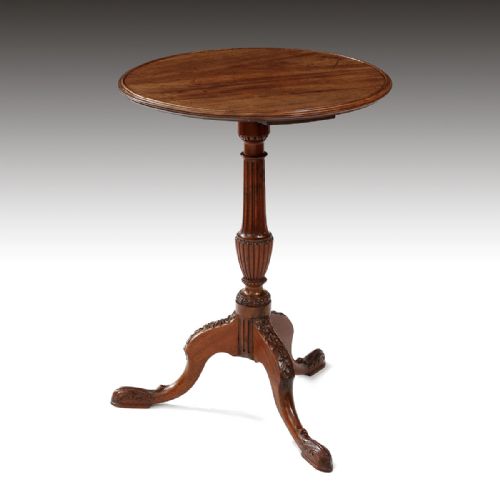
A dark mahogany pedestal stand brings rich timber grain and sculptural elevation to a room, functioning as a practical surface or display point.
Dark Mahogany Pedestal Stand
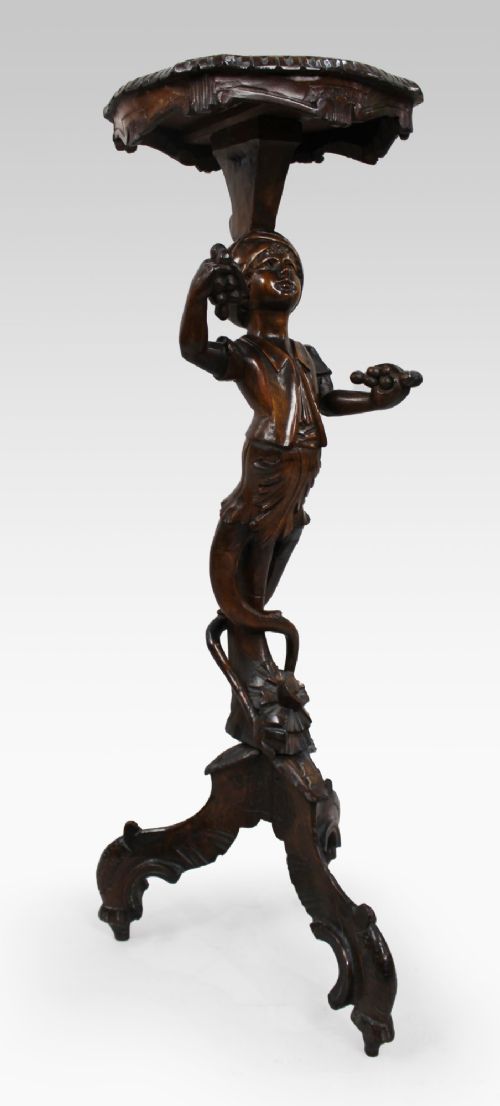
When you search for a dark mahogany pedestal stand, you encounter a variety of elevated furniture forms designed to display objects, hold reading material, or serve drinks. These pieces range from compact wine tables and torchères to plant stands and occasional tables.
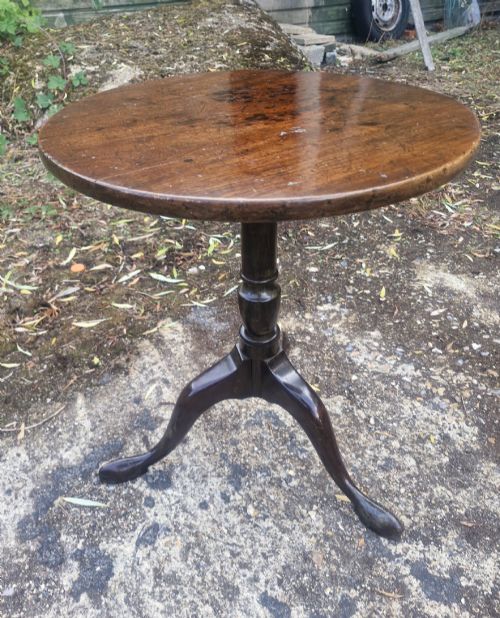
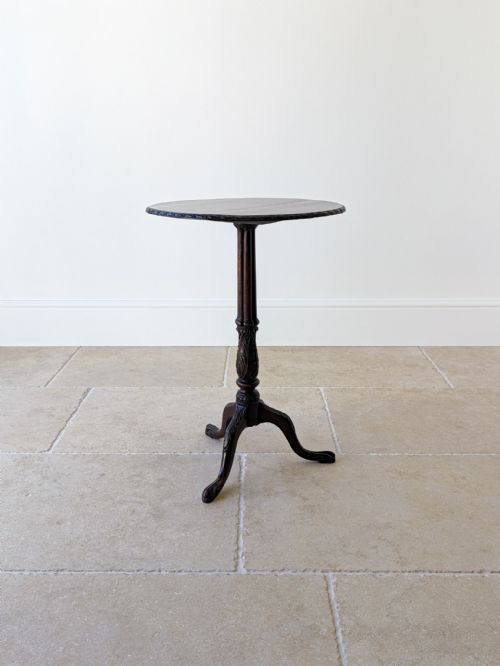
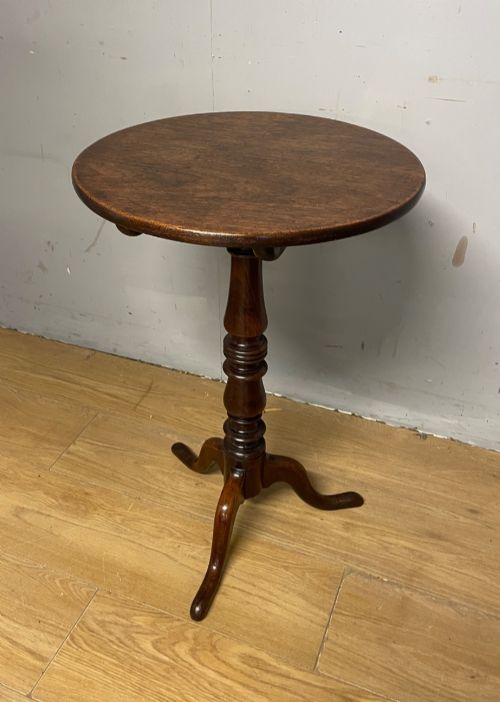
The selections span distinct historical periods including the Georgian, Regency, Victorian, and Edwardian eras. You will frequently find tripod tables with tilt tops, circular lamp tables, and tall plant stands constructed to elevate decorative items.
Makers utilised dense timber to create sturdy central columns supported by tripod legs or weighted bases. Each form reflects the functional domestic needs of its original period, from candle stands to music desks.
Quality factors in dark mahogany stands
The refinement of the carving, the selection of the mahogany grain, and the stability of the central pedestal dictate the standing of a piece. Superior examples exhibit hand-carved tripod legs, precise joinery, and well-balanced proportions.
Attention to detail in turned columns, original brass fittings, and crisp mouldings distinguish workshop output from mass production. The integrity of the timber and the smoothness of any tilt-top or rotating mechanisms further indicate standard of manufacture.
Current listings demonstrate a prevalence of mahogany timber across 19th-century occasional tables, plant stands, and wine tables.
Denby & Spinks·Gillow
The Dark Mahogany Pedestal Stand Glossary
- Torchère
- A tall, slender stand designed specifically to elevate a lamp, candle, or small plant. These pieces usually feature a small top supported by a single central column.
- Tilt-top table
- A table equipped with a mechanism allowing the surface to fold vertically when not in use. This clever design saved floor space in period drawing rooms.
- Tripod base
- A three-legged support structure commonly found on pedestals and wine tables. It ensures stability on uneven floors.
- Veneer
- A thin layer of choice mahogany applied to a secondary wood base. This technique allowed cabinet makers to display figured grain patterns economically.
- Wine table
- A small occasional table designed to hold glasses and bottles during evening gatherings. They frequently feature circular tops and snap mechanisms.
Dark Mahogany Pedestal Stand: Frequently Asked Questions
How were pedestal stands originally used?
These stands served diverse domestic purposes, from holding candlesticks and tea equipment to displaying decorative urns and plants in reception rooms.
Smaller wine tables were moved easily beside seating areas, while taller torchères remained stationary in corners to illuminate dark spaces.
How do I identify a Georgian stand?
Georgian pieces typically display restrained classical proportions, solid mahogany construction, and understated hand-carving on the knees of the tripod legs.
Many feature tilt-top mechanisms with birdcage joints beneath the circular surface, allowing the top to both rotate and fold.
Are these stands stable on modern floors?
Tripod bases provide natural stability on three points, making them steady even on slightly uneven historical floorboards.
Care should be taken with placement in busy walkways, as their slender profiles are vulnerable to accidental knocks.