

Traditional Wooden Lamp Stand
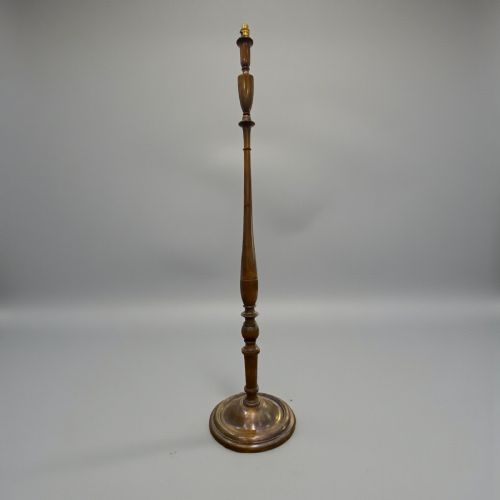
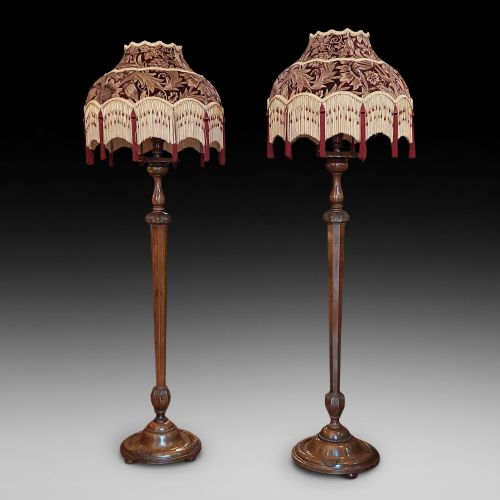
A traditional wooden lamp stand brings warmth to a room, offering both vertical height and solid timber character.
Traditional Wooden Lamp Stand
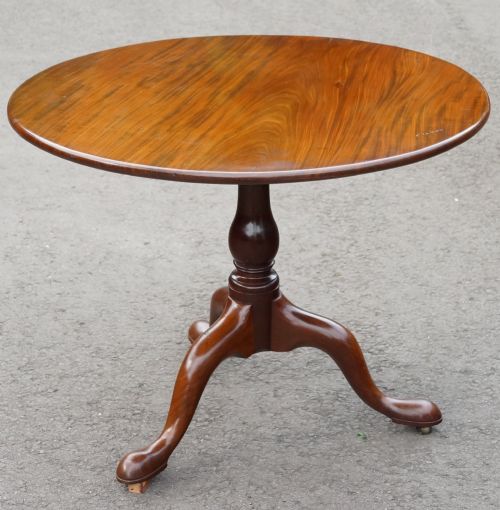
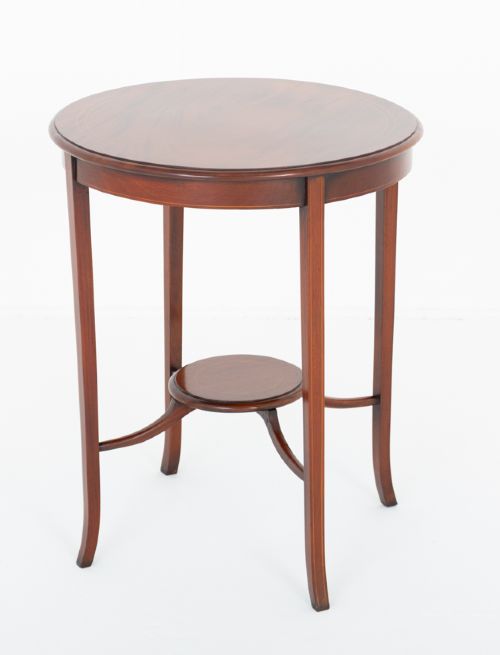
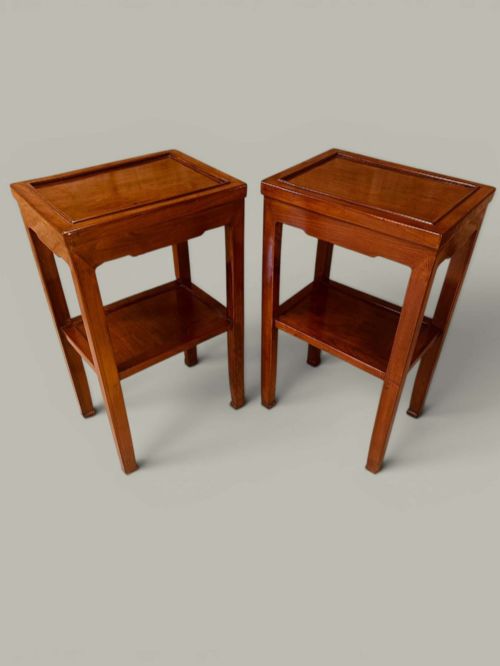
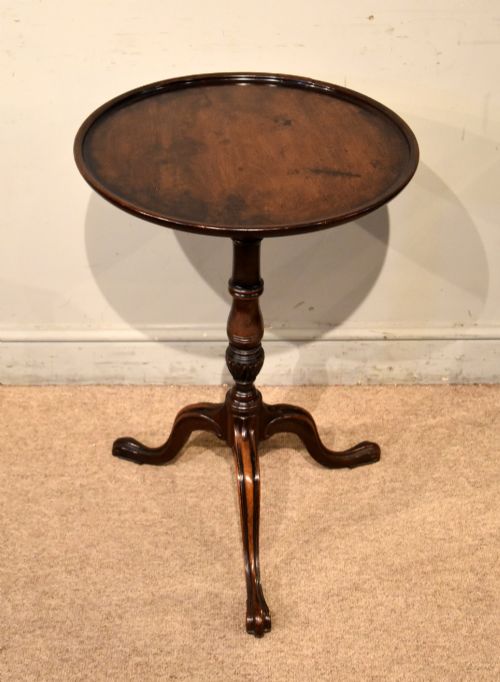
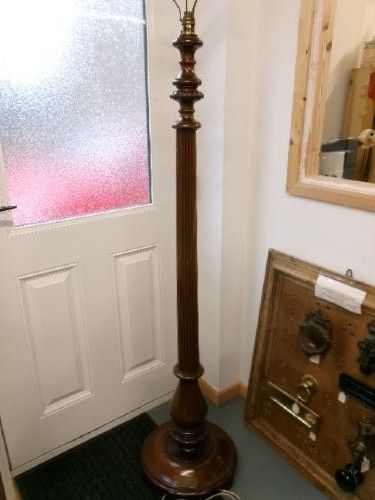
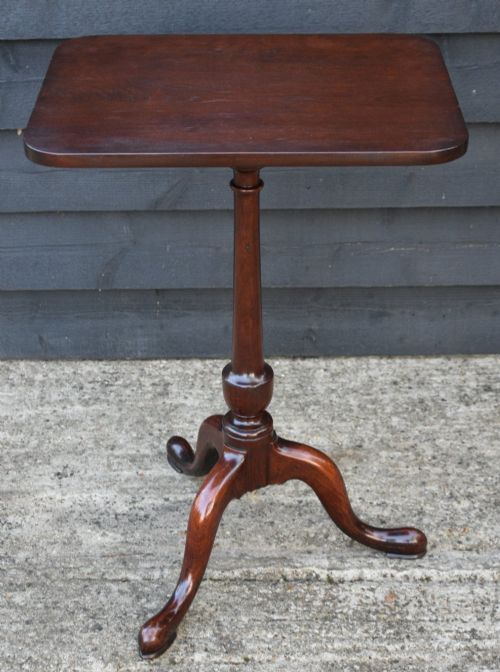
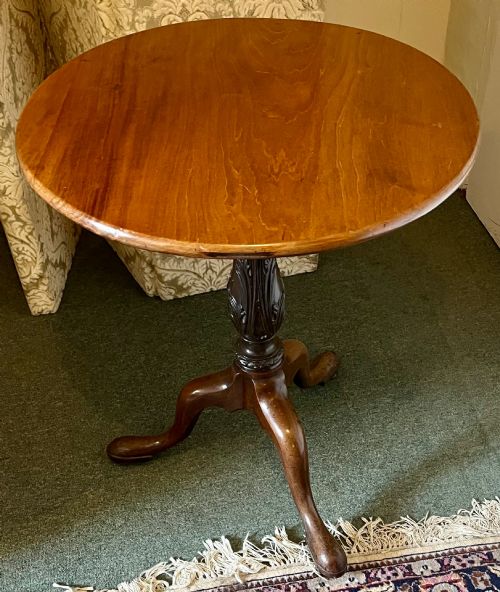
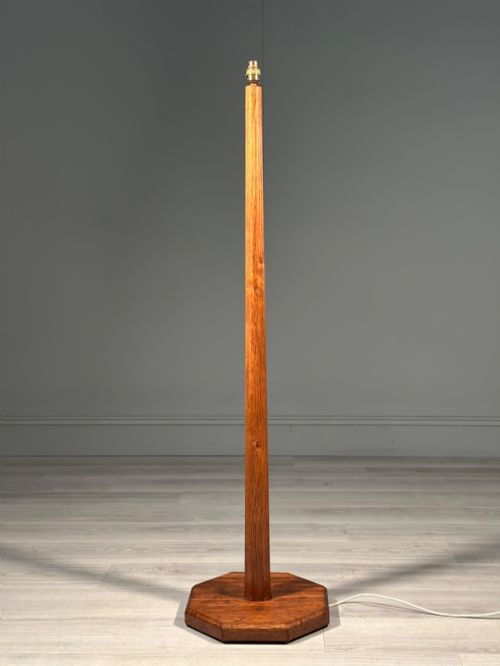
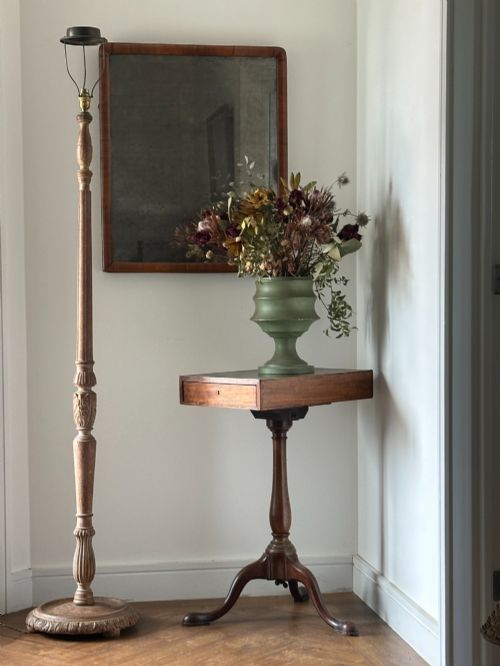
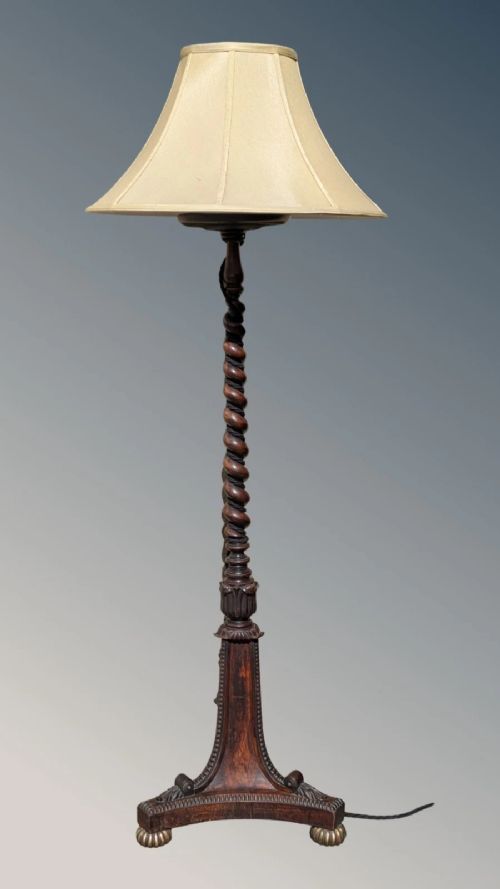
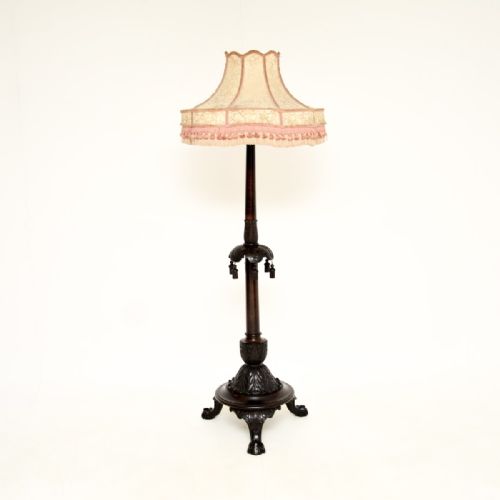
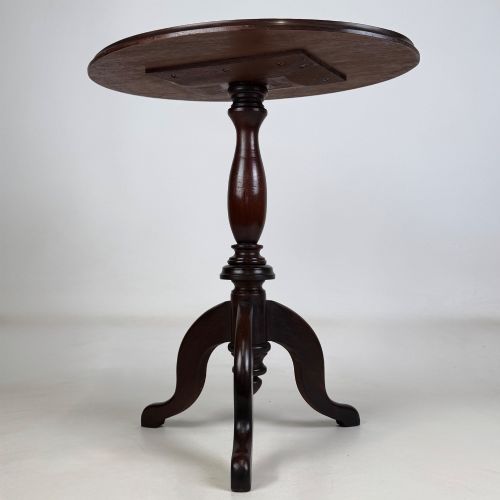
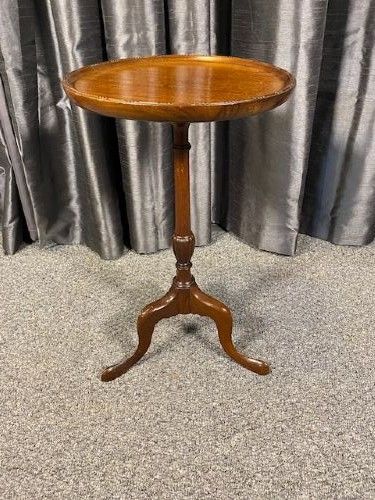
A traditional wooden lamp stand spans tall floor-standing models and smaller occasional or wine tables designed to hold a light source. The selection includes standard lamps alongside tripod tables, side tables, and plant stands adapted for illumination.
Pieces emerge from the 18th century, Victorian, Edwardian, and later 1930s periods. Oak, mahogany, walnut, and beech dominate the forms, reflecting English Country, Georgian, Regency, and Arts and Crafts styles.
How they were made
Cabinet makers utilised dense hardwoods such as mahogany, oak, walnut, and fruitwood to build sturdy shafts and support surfaces. Turning, carving, and tripod leg construction provide stability for both floor lights and table bases.
Selected pieces incorporate brass fittings, fabric shades, and parcel gilt or limed finishes. Joinery methods include traditional tripod bases with cabriole or turned legs to distribute weight evenly.
Traditional Wooden Lamp Stand Retail Price Guide 2026
Typical asking prices for traditional wooden lamp stand among the pieces listed under this phrase on Sellingantiques today, from the lower quarter to the upper quarter. They describe what is for sale here now, not the wider market.
Listings feature woods like mahogany, oak, walnut, beech, and padauk across periods spanning the 18th century to the 1930s.
What varies in quality
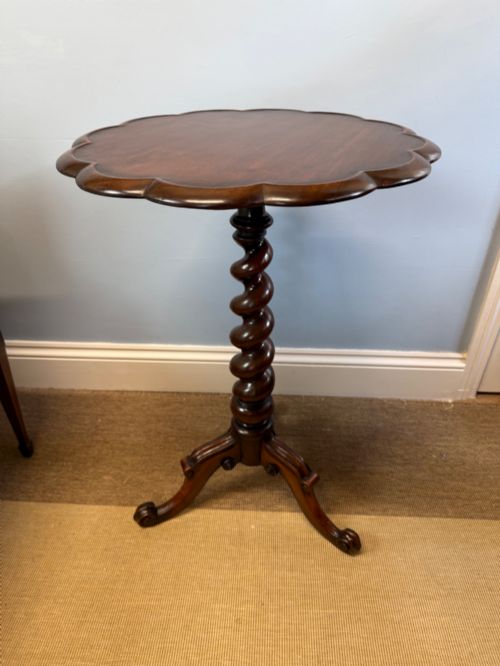
The standard of carving and turning distinguishes simpler utility stands from finer examples produced by workshops like the Cotswold School. Crisp detailing on columns, barley twists, and pedestals marks superior craftsmanship.
Timber selection determines overall integrity, with well-figured mahogany, quarter-sawn oak, and rich walnut holding presence over plain beech or softer hardwoods. Original surfaces and balanced proportions elevate certain pieces above standard production.
Arthur Reynolds
The Traditional Wooden Lamp Stand Glossary
- Standard lamp
- A tall floor-standing lamp designed to illuminate a room from a vertical wooden shaft. These pieces often feature carved pedestals and circular bases.
- Tripod table
- A small occasional table supported by three legs radiating from a central pillar. They frequently double as lamp tables or wine tables.
- Tilt-top
- A tabletop mechanism that allows the surface to pivot to a vertical position when not in use. This clever space-saving design appears commonly on 18th and 19th-century tables.
- Barley twist
- A spiral turning technique applied to wooden columns and table legs. This decorative feature adds texture and movement to Victorian and Edwardian stems.
- Cabriole leg
- A furniture leg that curves outward and then tapers inward, finishing in a pad or foot. The shape mimics the leg of an animal and appears on Edwardian and earlier designs.
Traditional Wooden Lamp Stand: Frequently Asked Questions
What is a traditional wooden lamp stand?
A traditional wooden lamp stand is a piece of furniture designed to support a light fixture, taking the form of a tall floor-standing standard lamp or a small timber table.
These items range from 18th-century wine tables to 1930s beech and oak floor lamps, serving functional lighting needs while adding historical timber character to a interior.
How do I tell an Edwardian stand from a Victorian one?
Victorian stands often showcase heavier proportions, darker carved mahogany, and elaborate elements like barley twists or substantial tripod bases.
Edwardian examples tend to display lighter construction, simpler oak or mahogany frames, and sometimes painted Chinoiserie decoration or delicate cabriole legs.
Where should I place a standard lamp in a room?
Floor-standing standard lamps work well beside armchairs, sofas, or in darker corners needing vertical illumination and soft ambient light.
Smaller lamp tables fit neatly beside seating or bedsides, holding a table lamp while providing a compact surface for everyday items.
What woods were commonly used for these stands?
Mahogany and oak remain the most frequent materials found across these pieces, providing a sturdy foundation and rich grain patterns.
Walnut, beech, fruitwood, and padauk wood also appear, sometimes enhanced with brass fittings, giltwood highlights, or fabric shades.