
Carved Wood Candle Stand
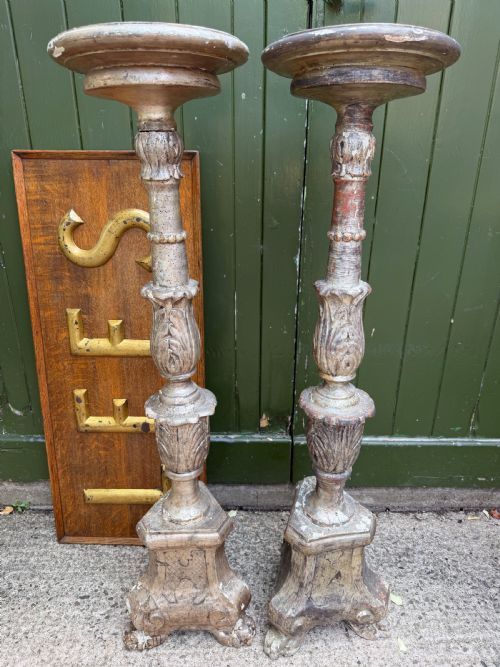
A carved wood candle stand brings architectural height and warm grain to a dark corner.
Carved Wood Candle Stand
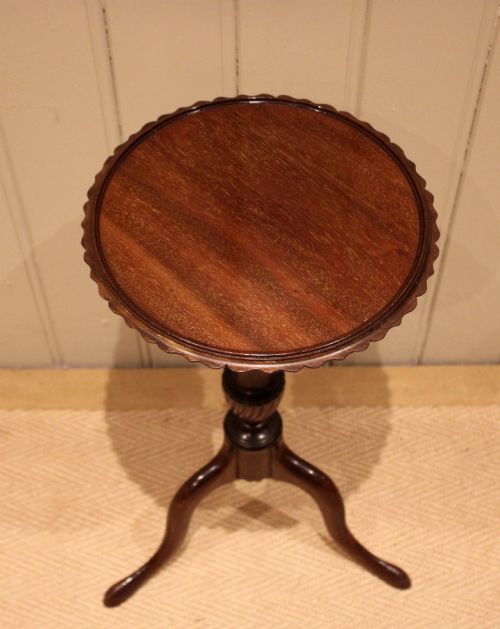
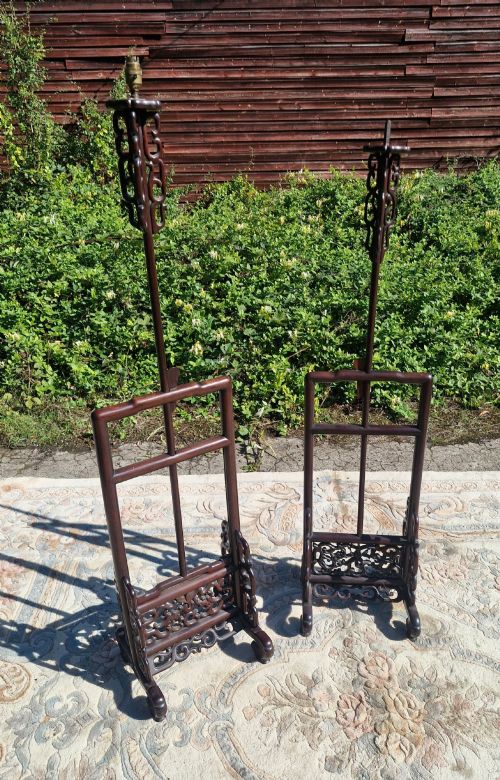
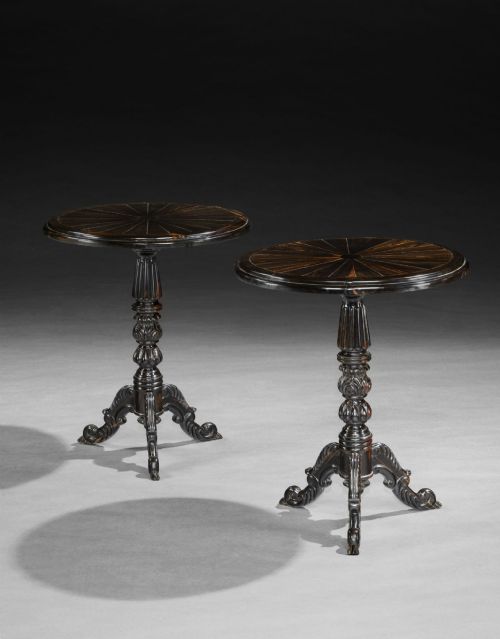
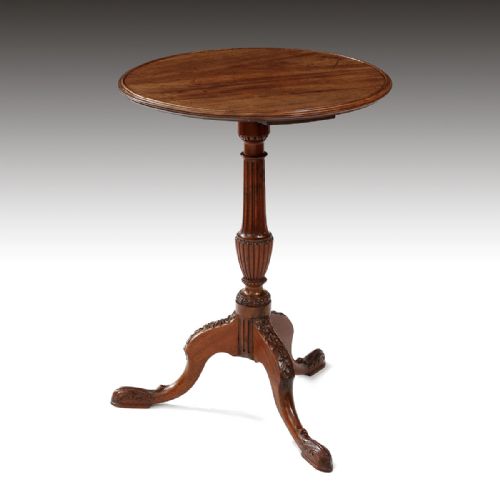
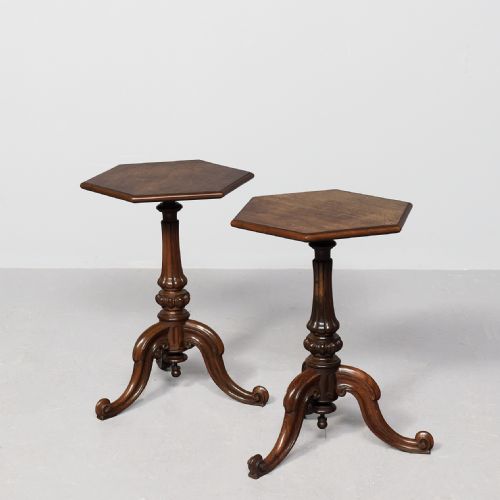
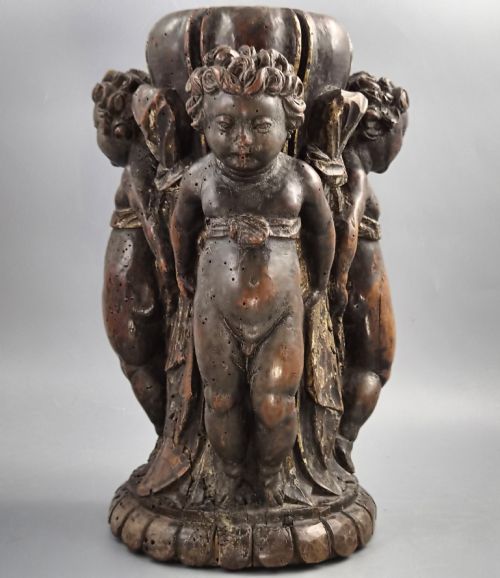
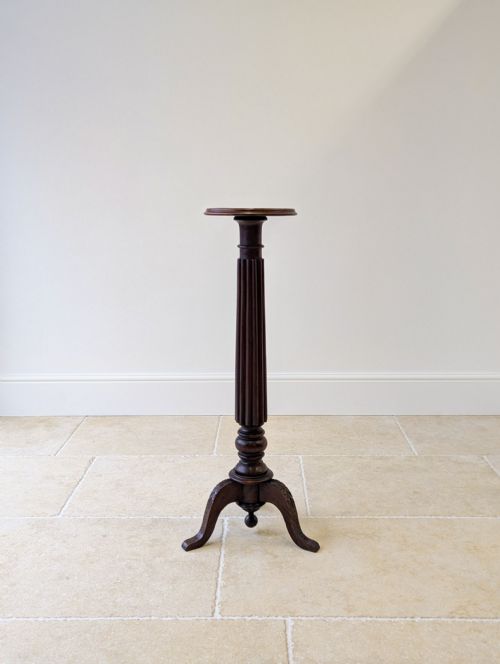
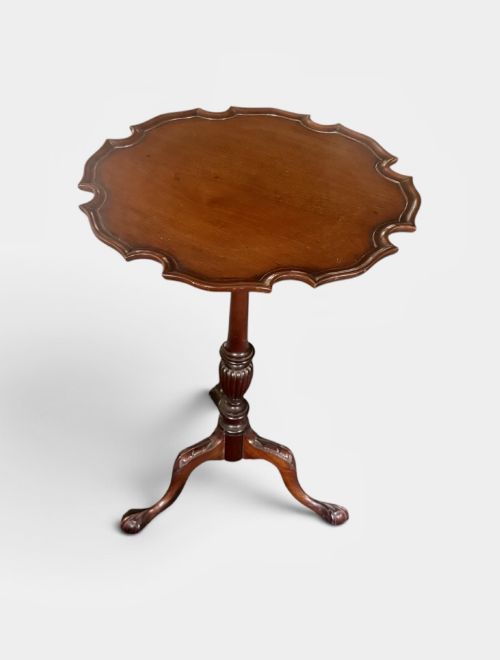
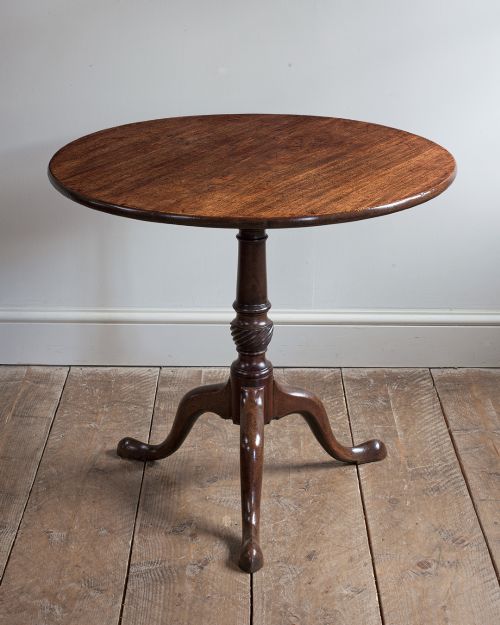
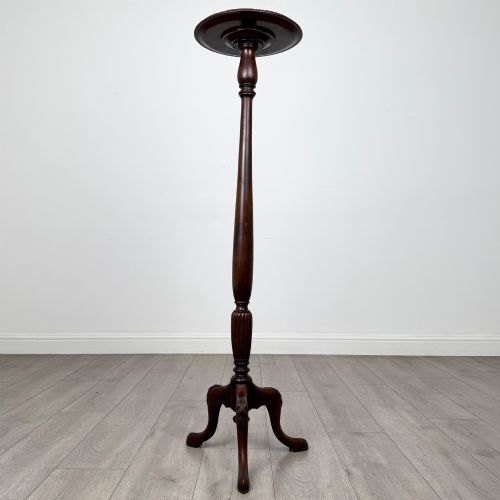
When searching for a carved wood candle stand, a buyer encounters tall torcheres, slender plant stands, and low tripod wine tables intended for domestic illumination and display. The most common examples seen here date from the eighteenth and nineteenth centuries, taking the form of upright pedestals with circular tops supported on three legs.
Many of these pieces originate from Georgian, Regency, and Victorian workshops, spanning styles from Italian Baroque to Chippendale Revival. Makers constructed them primarily to hold heavy wax candles, oil lamps, or decorative urns, resulting in sturdy shafts balanced by splayed tripod bases.
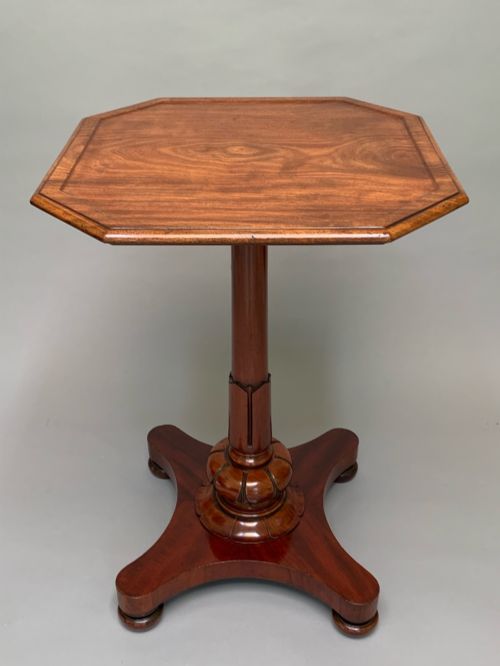
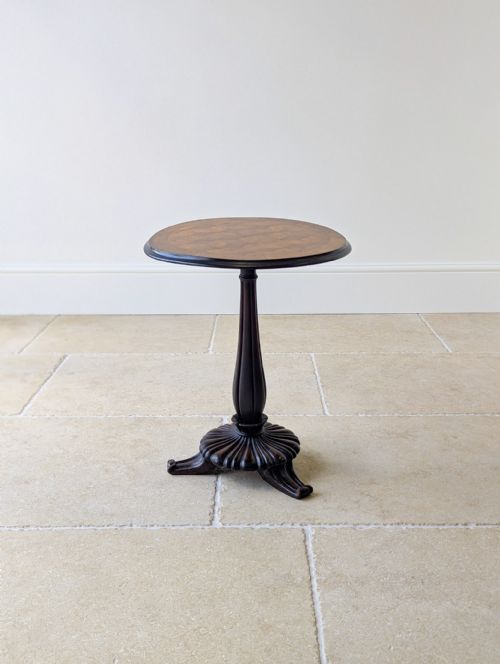
While some listings describe simple occasional tables or side tables, the vertical emphasis remains the defining characteristic of the form. Buyers frequently find paired specimens alongside single pedestals, reflecting their original deployment in grand reception rooms.
Materials and construction
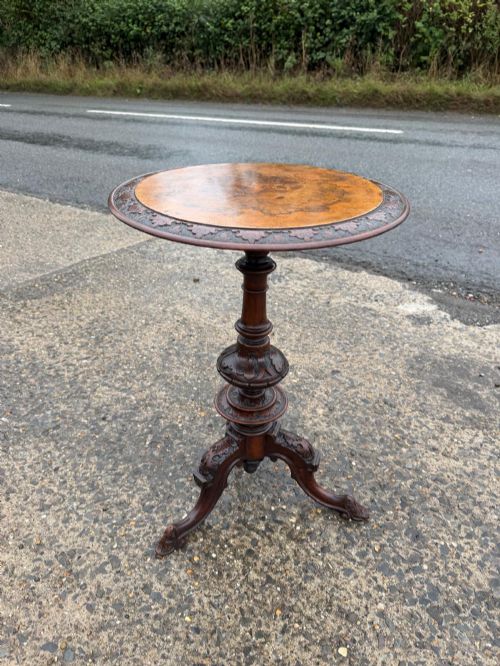
Cabinetmakers relied heavily upon dense hardwoods such as mahogany, rosewood, and walnut, turning central shafts on lathes while carving tripod legs by hand. Selected timbers display rich natural figures, occasionally enhanced by burr wood tops or contrasting fruitwood elements.
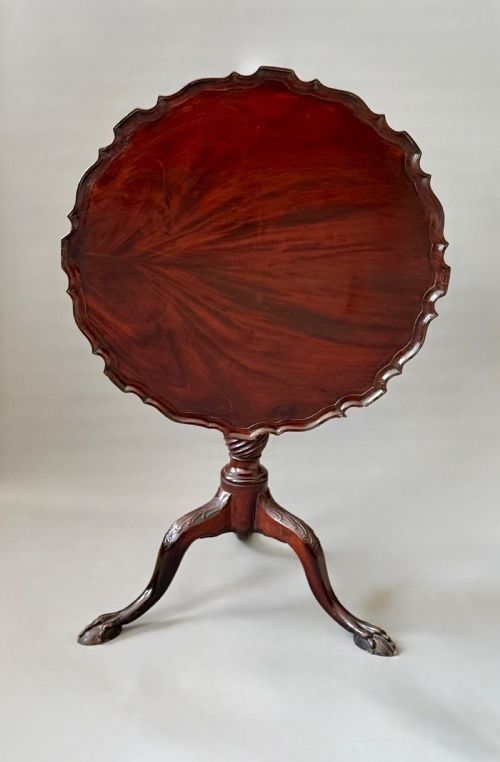
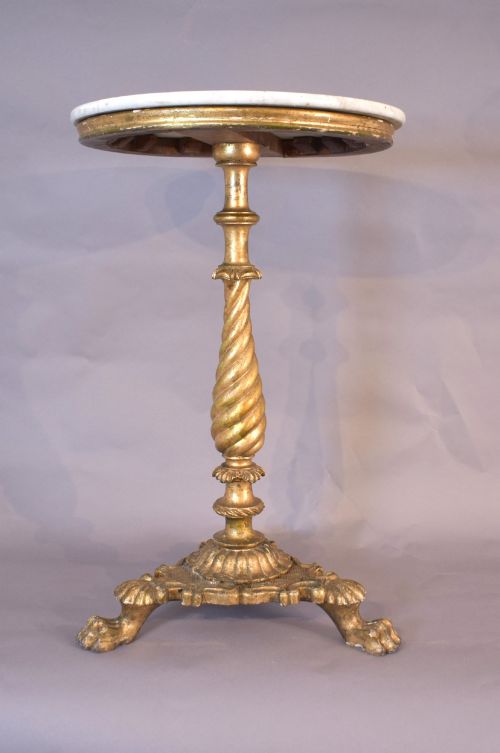
Structural integrity depended upon robust joinery, notably through-tenons and birdcage mechanisms allowing the top to tilt. Carvers applied detailed ornamentation directly to the solid timber, utilising fluting, acanthus leaves, and barley twist turnings to articulate the vertical shafts.
Judging quality
Quality rests upon the crispness of the hand-carved detail and the selection of timber, where tightly figured mahogany or burr walnut elevates a simple pedestal. Superior examples display harmonious proportions between the slender shaft, the carved knees, and the terminating pad or claw feet.
The precision of the turning and the stability of the tripod base dictate the durability of the stand over centuries of use. Finer pieces retain original surface patination and tight joinery without heavy timber replacement or structural fatigue in the column.
Gillow
The Carved Wood Candle Stand Glossary
- Torchere
- A tall stand designed to support a candle or lamp. These vertical pedestals elevate light sources above shoulder height.
- Tripod table
- A small occasional table supported by three legs radiating from a central pillar. This construction prevents rocking on uneven historical floors.
- Pie crust rim
- A carved, raised edge on a circular tabletop featuring decorative undulating curves. Cabinetmakers shaped these borders from solid timber margins.
- Barley twist
- A spiral turning resembling a twisted rope found along support columns and pedestals. Craftsmen shaped these profiles using chisels and lathes.
Carved Wood Candle Stand: Frequently Asked Questions
What were carved wood candle stands used for?
These tall stands held heavy wax candles or oil lamps to illuminate dark corners of reception rooms before electric lighting.
Today, owners utilise them to display trailing plants, decorative ceramics, or modern table lamps where floor space is limited.
How do I identify a Georgian stand?
Georgian pieces typically display restrained classical carving, such as subtle fluting on the pillar and pad feet on the tripod base.
Timber choice also aids identification, as cabinetmakers of this era favoured dense mahogany with a deep, hand-polished surface patination.
Are these stands stable enough for daily use?
The three-legged tripod construction ensures the base remains firm even on uneven historic flooring surfaces.
While robustly built from hardwoods like walnut and oak, owners should position them away from heavy household traffic to prevent accidental tipping.
What is the difference between a torchere and a wine table?
Torcheres are taller and narrower, designed specifically to elevate a light source or display object well above eye level.
Wine tables stand lower to the floor with wider tops intended for holding glasses and bottles beside seating.