




Handwoven Wool Kilim
A handwoven wool kilim brings geometric tribal design and flat-woven warmth directly to your floor or walls.
Handwoven Wool Kilim
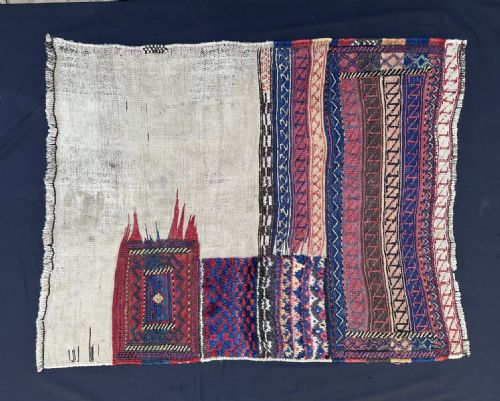
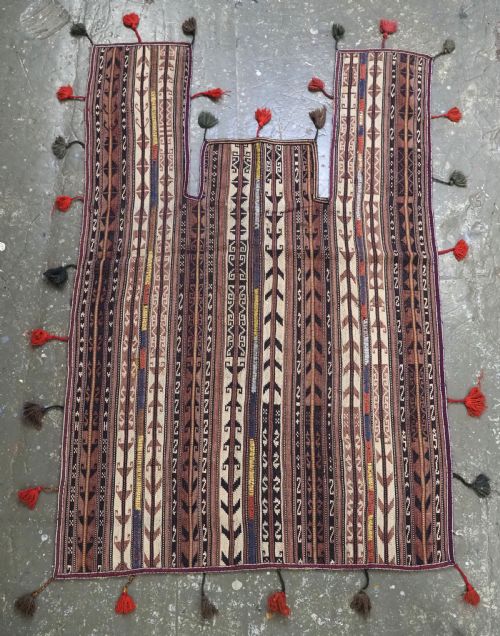
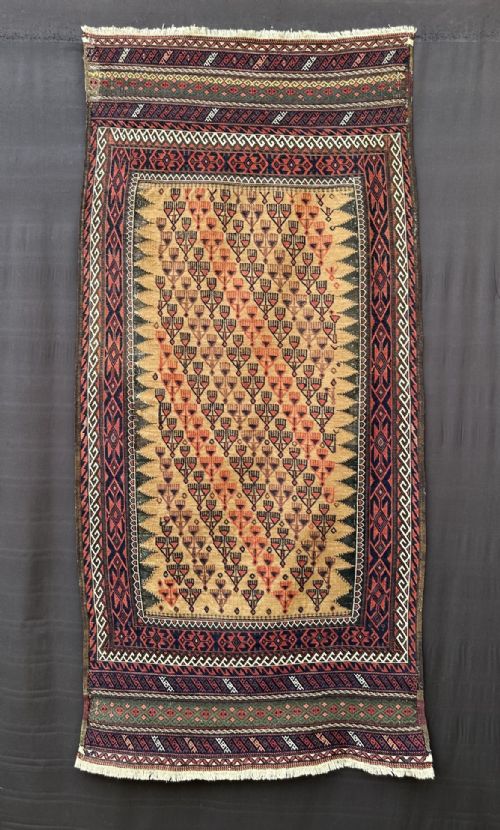
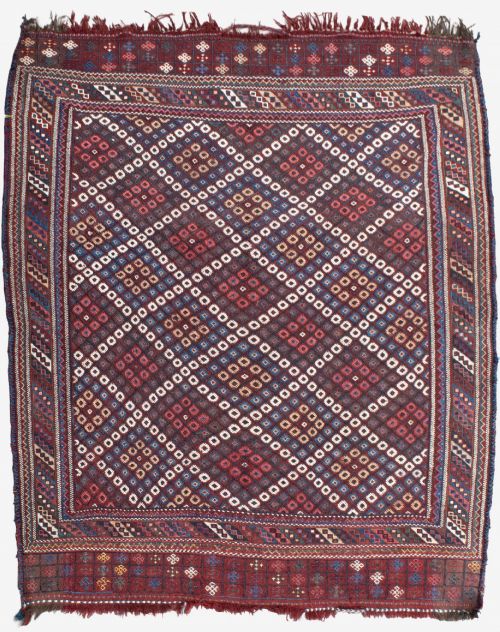
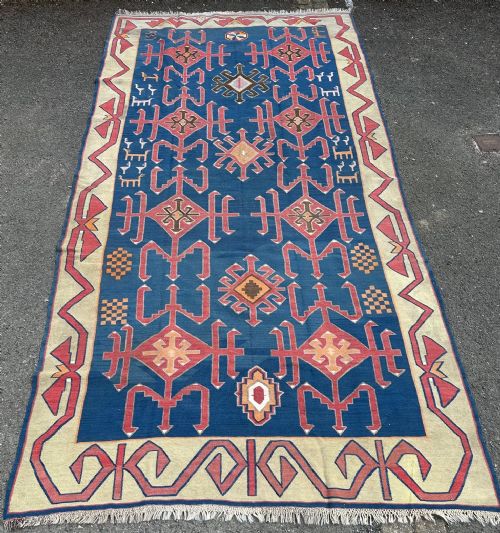
A handwoven wool kilim is a flat-weave textile produced by tribal and nomadic groups across Persia, the Caucasus, Anatolia, and Central Asia. These textiles range from large room-size carpets and runners down to utilitarian items such as bread sofrehs, salt-bags, and saddle bags.
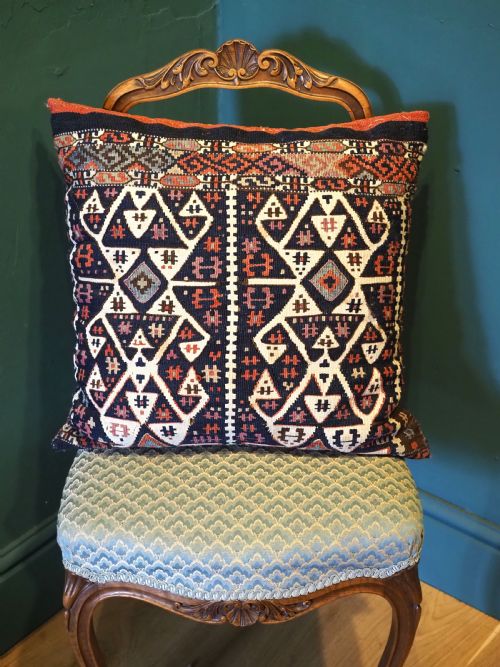
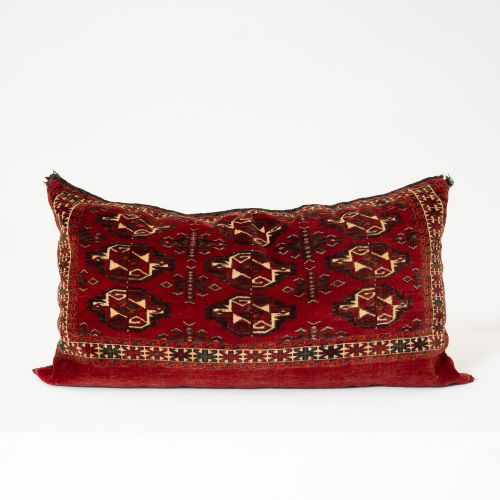
You will frequently encounter pieces originating from nineteenth and early twentieth-century tribal workshops, spanning regions from Shiraz and Kerman to the Caucasus and Afghanistan. They serve as functional floor coverings, wall hangings, and repurposed cushions.
How they were made
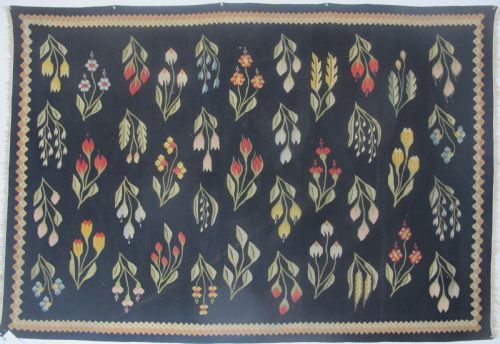
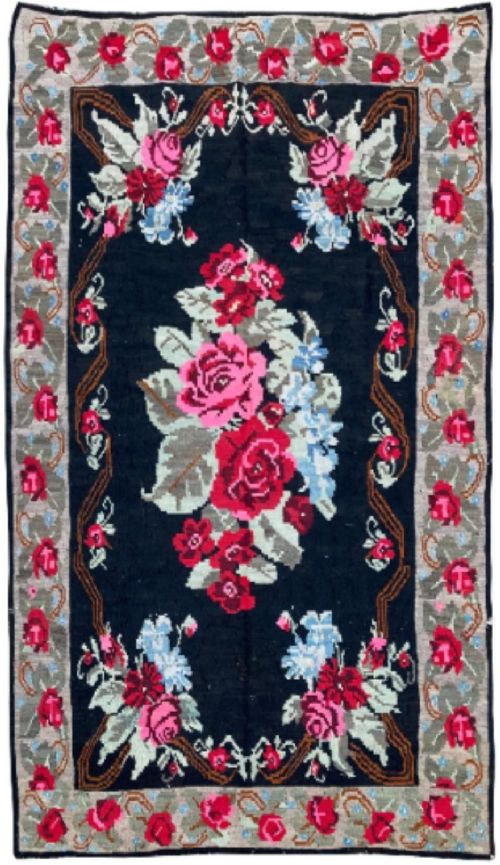
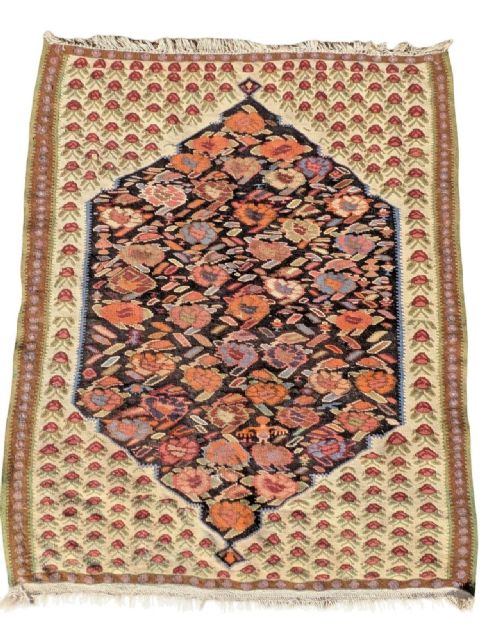
Weavers construct these flat-weaves using hand-spun wool and occasionally cotton or goat hair foundations, interlinking the coloured weft threads tightly over the warp to create distinct geometric and floral motifs.
Nomadic dyers utilised natural dyes to achieve rich, enduring palettes, resulting in the characteristic soft colour variations seen across antique Caucasian, Persian, and Anatolian examples.
Handwoven Wool Kilim Retail Price Guide 2026
Typical asking prices for handwoven wool kilim among the pieces listed under this phrase on Sellingantiques today, from the lower quarter to the upper quarter. They describe what is for sale here now, not the wider market.
Several nomadic weavings preserve specific regional bread-making traditions by functioning entirely as dedicated dining sofrehs.
What varies in quality
The density and tightness of the flat-weave structure dictate the durability and fineness of the finished textile, with tightly beaten wefts producing sharper geometric lines.
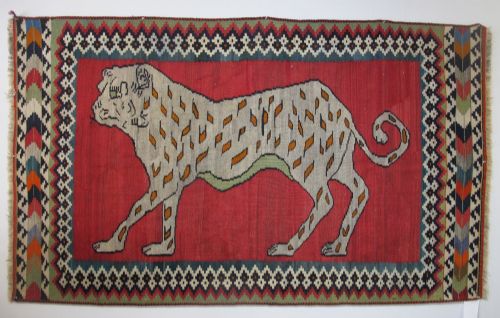
The purity and complexity of the natural dye palette, along with the intricacy of tribal designs such as banded patterns or lion motifs, distinguish finer examples.
The Handwoven Wool Kilim Glossary
- Sofreh
- A spreading cloth used by nomadic tribes for dining or bread-making. These textiles often feature striking geometric fields.
- Warps
- The vertical threads stretched on the loom that carry the structural tension of the flat-weave.
- Wefts
- The horizontal threads passed through the warps to form the visible pattern and colour of the kilim.
- Mafrash
- A large storage bag face or side panel woven by nomadic groups for transporting household goods.
- Flat-weave
- A textile technique producing a smooth surface without a piled nap by tightly interweaving the coloured wefts.
Handwoven Wool Kilim: Frequently Asked Questions
How were kilims used originally?
Nomadic groups utilised these flat-weaves primarily as floor coverings, blankets, and dining cloths.
They also fashioned them into storage bags, horse blankets, and saddle bags for everyday transit.
Where do most antique kilims originate?
The pieces originate from tribal and village communities across Persia, the Caucasus, Anatolia, and Central Asia.
Specific regions include Fars, Shirvan, Karabagh, and various borderlands between Persia and Afghanistan.
How do I care for a wool kilim?
Protect the flat-weave textile by vacuuming gently without a rotating brush and using a quality underlay.
Professional cleaning suited for antique wool and natural dyes maintains the integrity of the fibres.
What defines a tribal kilim design?
Tribal designs rely on bold geometric layouts, banded stripes, and stylised animal or floral motifs.
Weavers passed these symbolic patterns down through generations within specific confederacies and nomadic groups.