

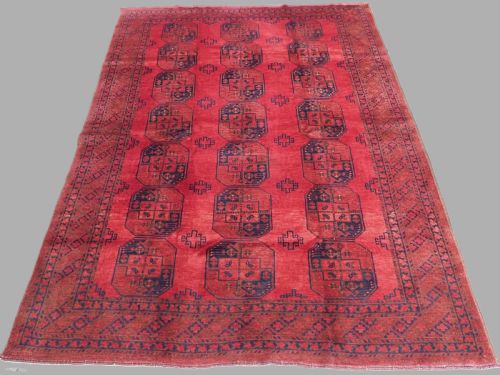
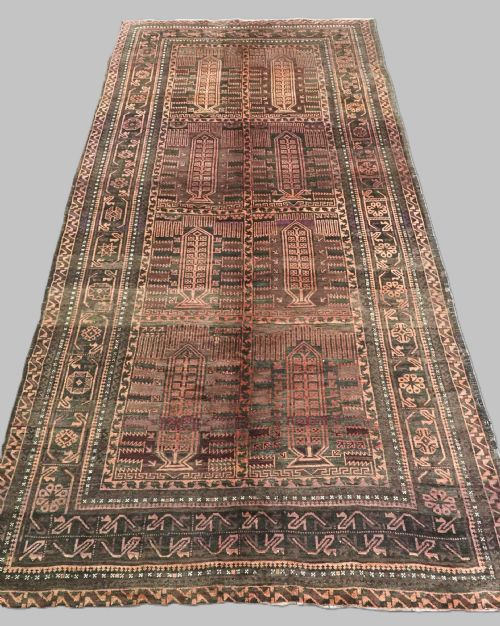
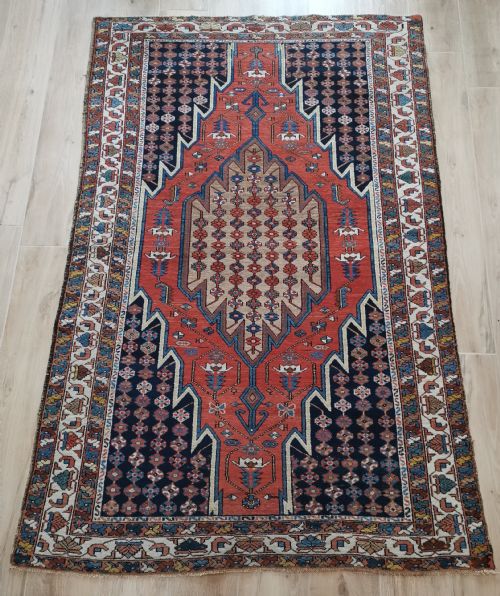
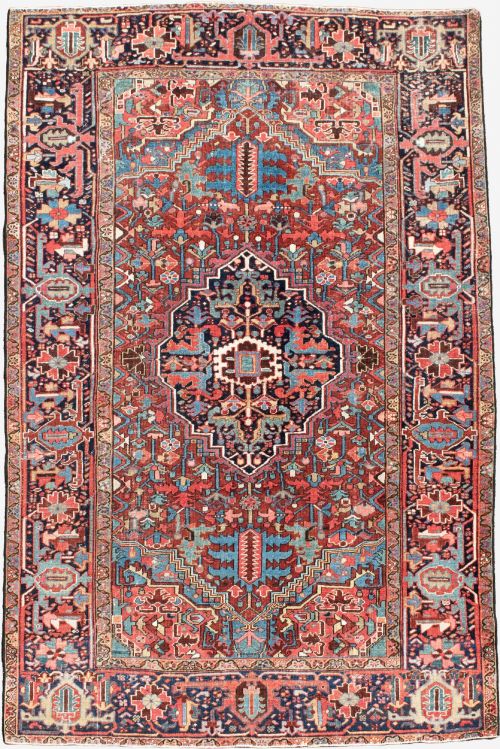
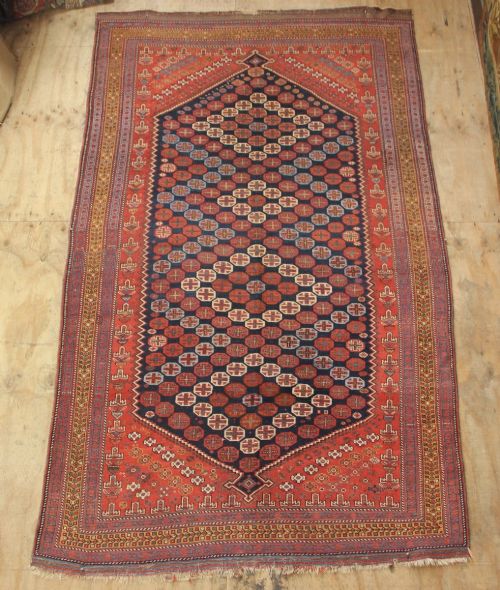
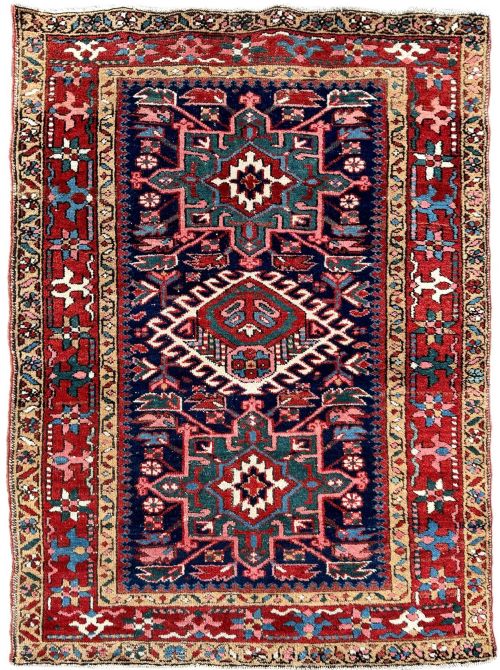
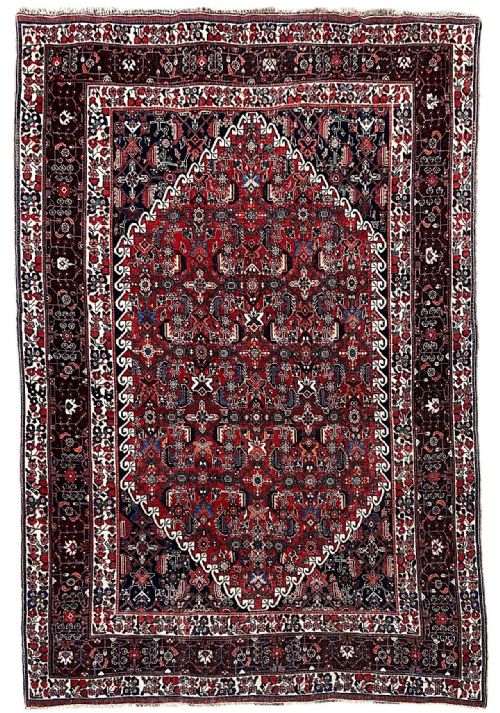
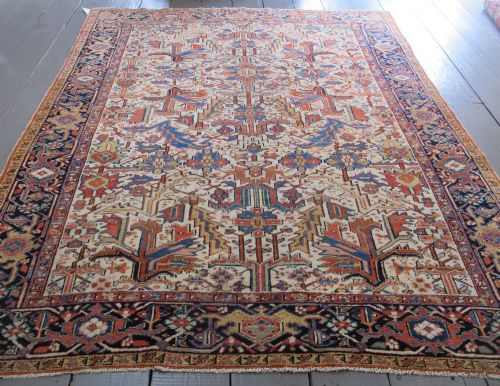
Handwoven Wool Floor Rug
A handwoven wool floor rug brings tactile warmth and enduring regional design into a room.
Handwoven Wool Floor Rug
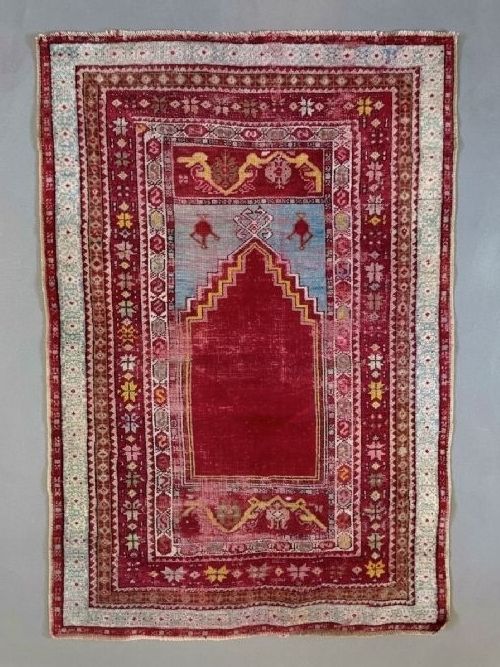
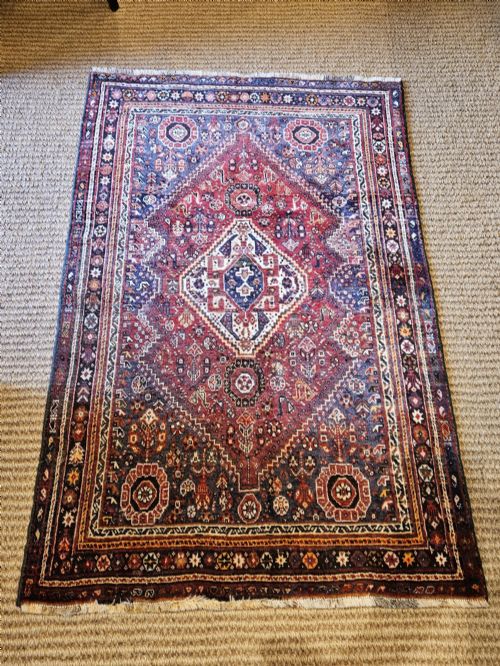
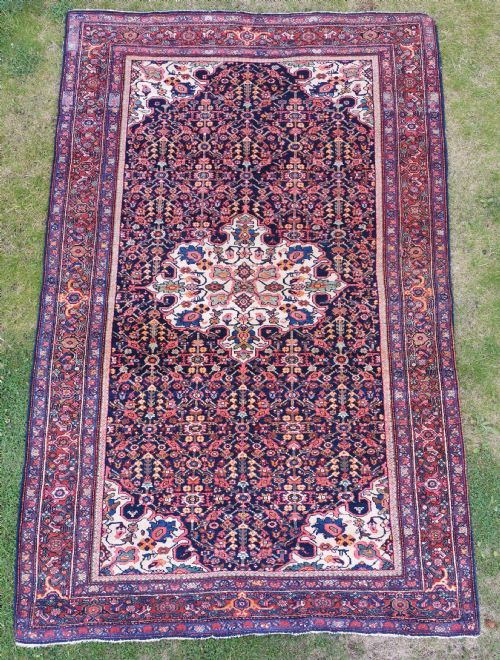
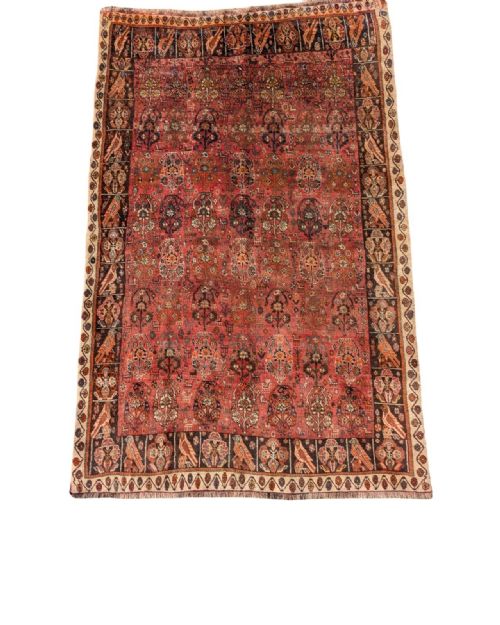
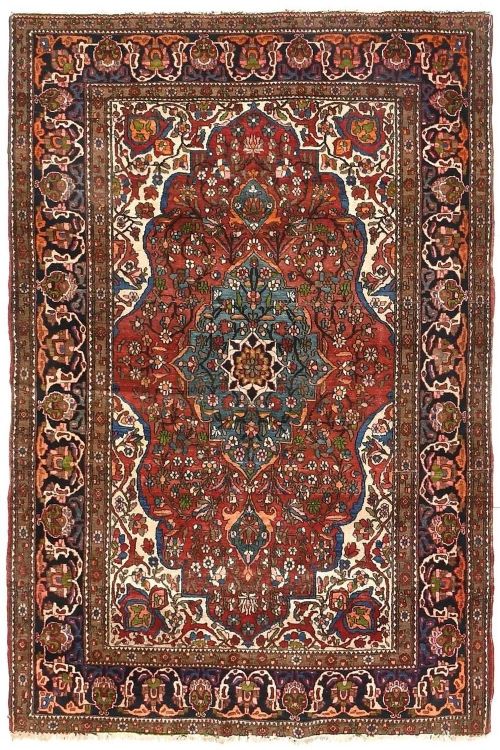
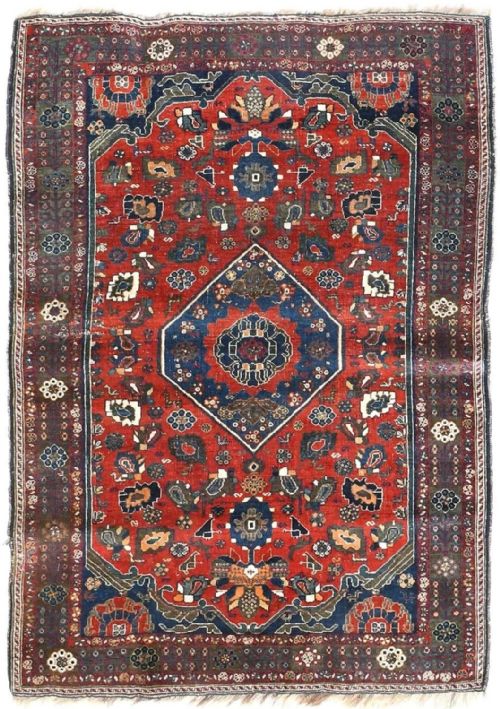
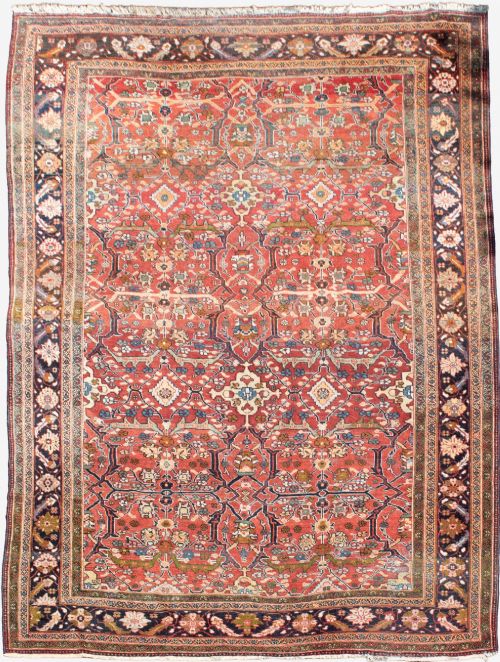
Every handwoven wool floor rug on this page represents centuries of nomadic and village weaving traditions, principally originating from Persian and Caucasian regions. Buyers seek these pieces for their rich heritage, distinct tribal patterns, and the way natural materials ground a space.
The selection ranges from compact area rugs and runners to room-size carpets dating from the late nineteenth century through to the mid-twentieth century. Pieces span specific tribal groups and weaving centres such as Heriz, Afshar, Kashan, and Hamadan.
Village and nomadic examples dominate the selection, bringing spontaneous geometry and expressive medallion layouts. Formal city workshop pieces also appear, offering balanced floral schemes and structured compositions.
Materials and Construction
Makers utilised durable sheep wool for the pile, often hand-spun to create irregularities that absorb natural dyes unevenly. Cotton foundations frequently provide structural stability for warp and weft threads, though some tribal pieces incorporate wool throughout.
Weavers knotted the wool by hand onto vertical or horizontal looms, applying vegetal and natural dyestuffs that age gracefully over decades. Silk appears in select highlights, adding subtle sheen to specific motifs.
Handwoven Wool Floor Rug Retail Price Guide 2026
Typical asking prices for handwoven wool floor rug among the pieces listed under this phrase on Sellingantiques today, from the lower quarter to the upper quarter. They describe what is for sale here now, not the wider market.
Listings span periods from the nineteenth century through to the nineteen-forties, utilising wool, cotton, hand-spun wool, and silk materials.
Factors of Quality
Knot density and structural tightness dictate the longevity and definition of the pattern. Finer wool selection and precise dyeing methods separate exceptional room-size carpets from simpler village work.
The integrity of the foundation and the preservation of original borders determine the overall merit of an older carpet. Artistic execution in tribal designs relies on balanced proportions and confident use of colour.
Heriz·Afshar·Kashan·Hamadan·Qashqai
The Handwoven Wool Floor Rug Glossary
- Warp
- The vertical threads stretched lengthwise on the loom that form the foundation of the rug. Fringe ends typically consist of the exposed warp threads.
- Weft
- The horizontal threads passed through the warps to bind the knots in place. Together with the warp, they create the stable grid of the textile.
- Pile
- The surface of the rug formed by the cut ends of knotted wool yarn. Its depth and density affect the softness and durability underfoot.
- Medallion
- A symmetrical central ornamental design motif found in many traditional Persian carpets. This focal point anchors the surrounding field patterns.
Handwoven Wool Floor Rug: Frequently Asked Questions
How do I clean an old wool rug?
Regular gentle vacuuming without a rotating brush lifts surface dirt safely.
Professional specialist washing is necessary for deeper cleaning to protect the natural wool fibres and dyes.
Are these rugs suitable for high-traffic areas?
Traditional wool construction provides high natural resilience and durability against daily foot traffic.
Heavily used hallways benefit from sturdy runners, provided a quality underlay is placed beneath them.
How do I identify a tribal design?
Tribal designs feature geometric motifs, stylized animals, and repeating field patterns woven from memory.
These patterns contrast with the precise floral curves found in formal city workshop carpets.
What underlay should I use?
A breathable rubber mesh underlay prevents slipping and protects the flat foundation from abrasive flooring.
It also adds cushioning that reduces wear on the wool pile over time.