


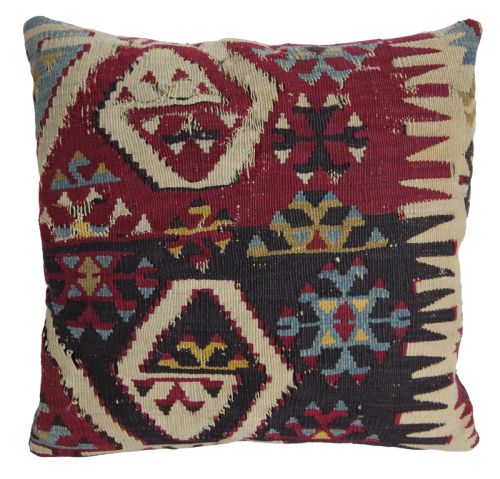


Handwoven Wool Cushion
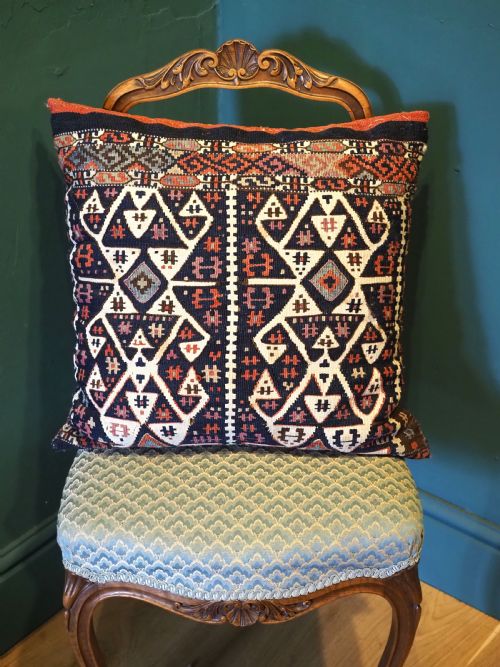
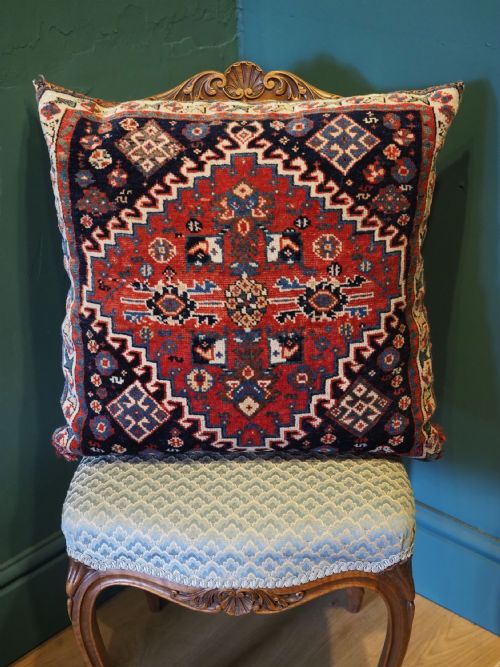
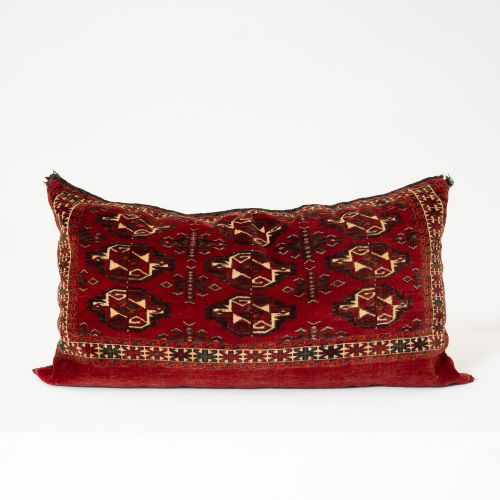
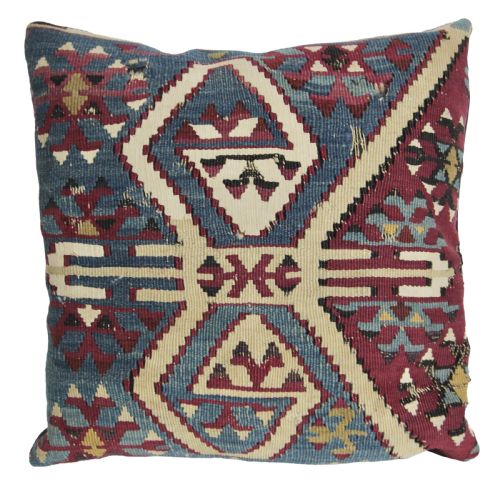
These handwoven wool cushion examples transform antique tribal bags and flatweaves into tactile home textiles.

Handwoven Wool Cushion
A handwoven wool cushion typically originates from repurposed tribal utilitarian objects such as saddle bags, grain sacks, and storage torbas. Buyers encounter these items fashioned from fragments or complete faces of Anatolian, Persian, and Turkmen tribal weavings.
The inventory on this page centres on pieces derived from nomadic and village traditions, spanning the nineteenth and early twentieth centuries. Items range from plain weave flatweaves to pile carpet faces adapted into throw cushions and pillows.

How they were made
Weavers utilised natural dyes and hand-spun wool, often combined with cotton, silk, or goat hair to build durability and textural contrast. The structure relies on traditional flatweave or carpet knotting techniques executed on portable vertical or horizontal looms.
Many items incorporate supplementary weft-work or tapestry techniques to create geometric and banded designs. The backing materials frequently consist of complementary plain weave wool or cotton to complete the cushion construction.
Some cushions still retain the original utility of grain transport, having spent a century carrying wheat before moving to the sofa.
What varies in quality
The caliber of a handwoven wool cushion depends upon the fineness of the wool preparation and the vibrancy achieved with natural dyes. Tightly spun yarns and dense knotting or weaving structures indicate superior regional craftsmanship.
Design clarity and the preservation of the original tribal motifs dictate the aesthetic standing of each textile. Pieces retaining complete bag faces or balanced symmetry demonstrate greater integrity than heavily altered fragments.
The Handwoven Wool Cushion Glossary
- Kilim
- A flatwoven textile produced by tightly interweaving warp and weft strands without creating a pile. This technique produces a smooth, durable surface utilised extensively in nomadic bags.
- Chuval
- A large tent storage bag made by Turkmen tribes, often featuring distinctive guls. These items are frequently converted into substantial cushions.
- Torba
- A smaller storage bag traditionally used for household goods within nomadic tents. Their compact dimensions suit modern cushion formats.
- Yastik
- A traditional small Anatolian pillow or bolster face. These pieces were originally woven for domestic seating and leaning.
- Mafrash
- A rectangular bedding storage bag woven by various tribal groups. The panels from these containers often yield decorative flatweave cushions.
Handwoven Wool Cushion: Frequently Asked Questions
What is a handwoven wool cushion made from?
These items are constructed from antique tribal textiles, utilising hand-spun wool, cotton, silk, and natural dyes. Many originate from repurposed saddle bags, grain sacks, and flatweave storage containers.
The structural face typically preserves the original nomadic weaving, while modern or period backing fabrics complete the cushion enclosure.
How do I care for an antique cushion?
Gentle handling preserves the integrity of natural wool fibres and historical dyes. Surface cleaning or specialist textile care prevents degradation of the hand-spun materials.
Avoiding direct, prolonged sunlight protects the natural vegetable and insect dyes from fading over time.
Where do these tribal designs originate?
The patterns stem from nomadic and village traditions across Anatolia, Persia, and Central Asia. Specific tribal groups, including the Qashqai, Yomut, Baluch, and Bakhtiari, contributed distinct geometric motifs.
Each weaving reflects the aesthetic vocabulary and local materials of its specific geographic region and culture.
How do I identify the period of a cushion?
Dating relies on assessing the natural dye palette, the quality of the hand-spun wool, and the specific tribal weaving structure. Pieces frequently date from the nineteenth and early twentieth centuries based on traditional motifs.
Structural evidence such as plain weave backs and traditional bag face construction helps distinguish older examples.